The essentials of Sierra de Albarracín

  • • Medieval town of Albarracín with walls, hanging houses and National Monument status
  • • Pinares de Rodeno shelters with Levantine rock art (UNESCO) 5 km from the town
  • • Over 400 km of signposted MTB trails through pine forests and red sandstone
  • • Starlight-certified skies with naked-eye Milky Way visibility
  • • Sarrión black truffle, lamb and Teruel DOP ham in local restaurants

Description

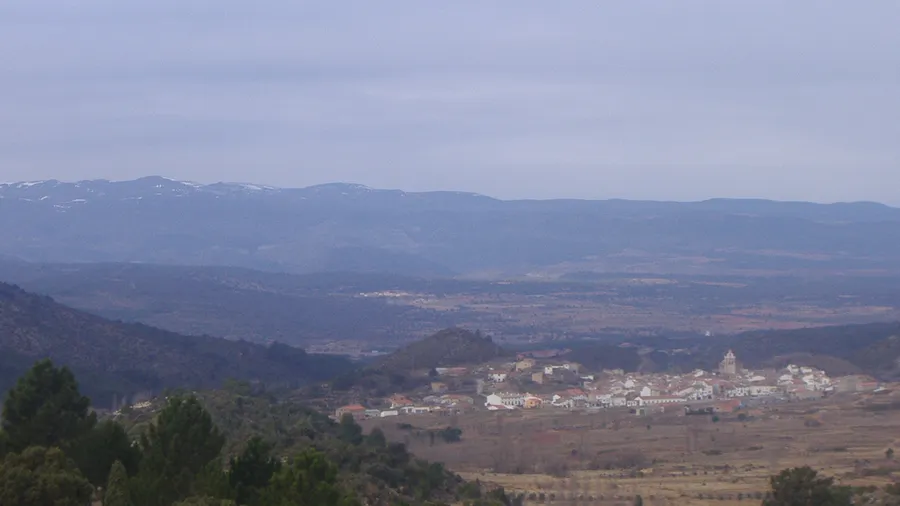
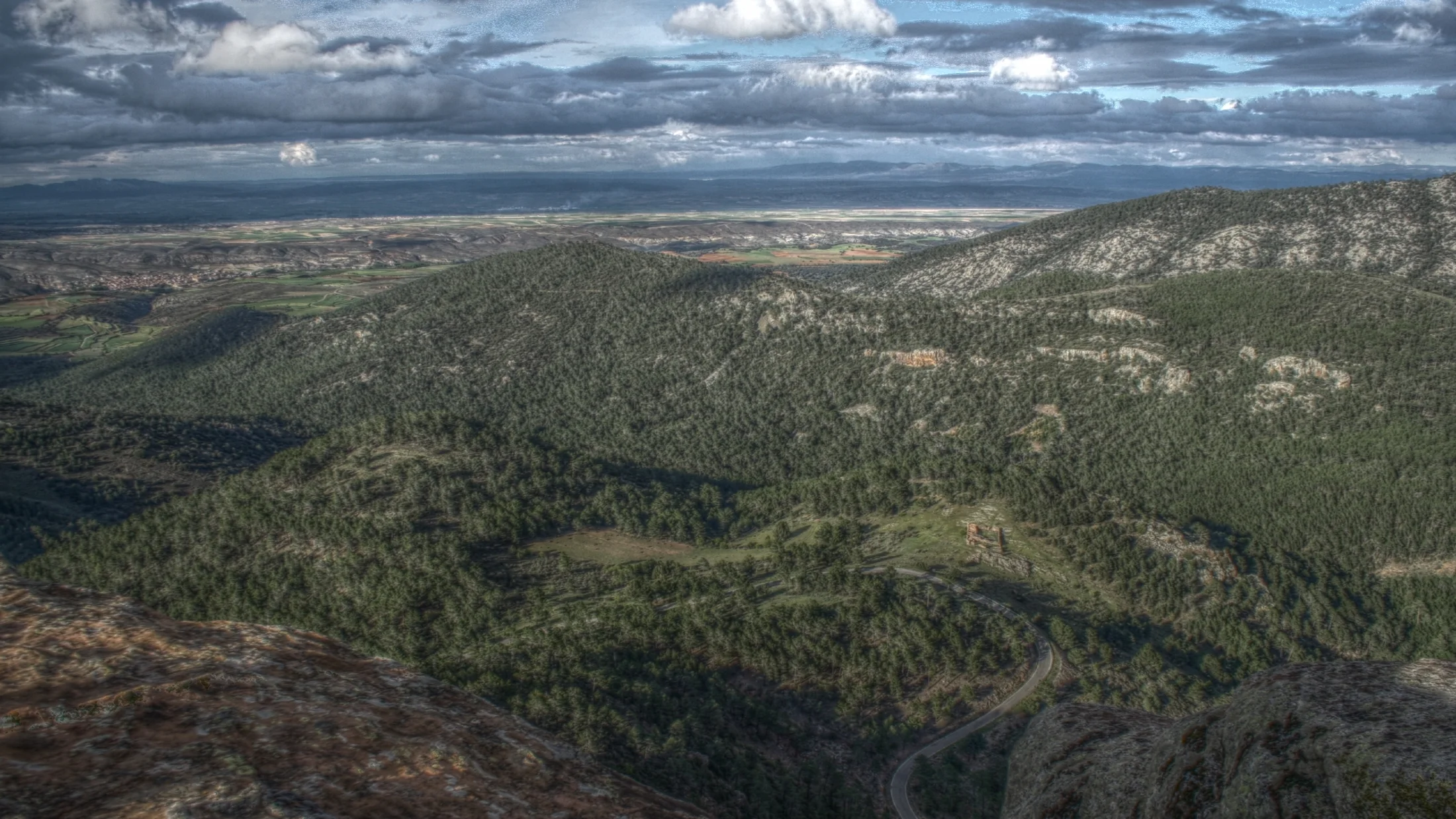
The Sierra de Albarracín occupies the south-western sector of the Iberian Range, between the provinces of Teruel and Cuenca, with altitudes ranging from 1,000 to 1,856 metres at Caimodorro. This mountain block acts as a watershed: eastward flow the tributaries of the Turia toward the Mediterranean, while westward the Guadalaviar and other rivers seek the Atlantic through the Tagus. The landscape combines Rodeno pine forests on red sandstone, juniper savin woodlands on the high plateaus, and wind-sculpted sandstone formations that produce arches, pillars and shallow caves tinged red. Nights are long and clear: the Starlight Foundation has recognised the area as one of the best dark-sky sites on the Iberian Peninsula.

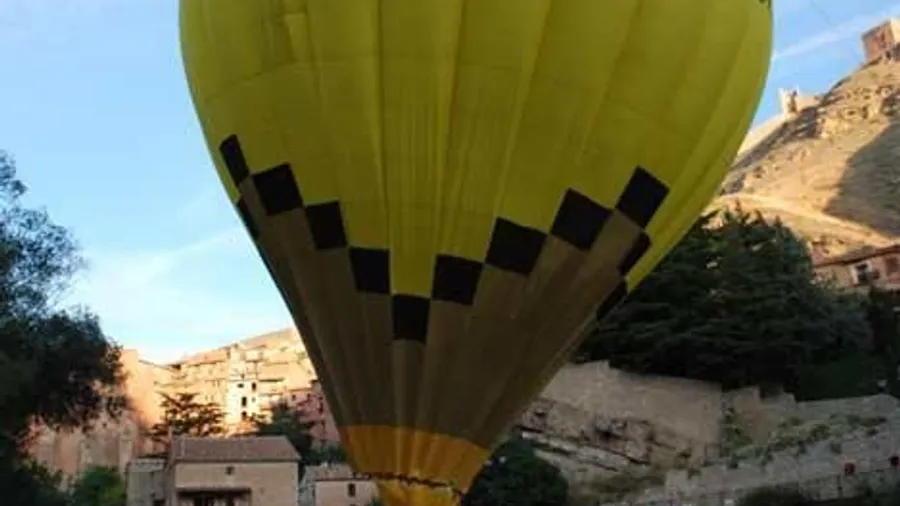
Albarracín, the town that gives the sierra its name, sits on an entrenched meander of the Guadalaviar at 1,171 metres. Its medieval walls, pinkish-plaster hanging houses and narrow streets form a historic centre declared a National Monument. The town serves as the gateway to the sierra and concentrates most services: accommodation, restaurants, craft shops and the regional tourism office. Most hiking and mountain-biking routes start here or connect through the town.

The trail network covers over 200 kilometres and includes itineraries for all levels. The Pinares de Rodeno Protected Landscape, about 5 kilometres from Albarracín, combines paths among red sandstone formations with a set of rock shelters containing Levantine rock art, a UNESCO World Heritage listing. Mountain bikers find over 50 signposted routes totalling some 400 kilometres of tracks and trails through the pine forests, with moderate gradients and surfaces that alternate between rock, sand and root. In winter the higher ground can be snow-covered, lending itself to snowshoe excursions.

Wildlife in the sierra includes red deer, roe deer, wild boar and wildcat in the forests. Raptors are common: golden eagle, goshawk and peregrine falcon patrol the river gorges. In spring the high meadows fill with narcissus and wild orchid, while in autumn the riverside poplars turn the valley floors an intense yellow and the scent of fresh mushrooms drifts from the pine woods. Native brown trout survive in the upper Guadalaviar, where the water runs cold and well-oxygenated.

Local cuisine centres on lamb, the Sarrión black truffle (Europe's largest production area, 60 km away), Teruel DOP ham and migas. The sierra villages — Royuela, Tramacastilla, Torres de Albarracín, Noguera — keep small populations but offer rural guesthouses and seasonal restaurants. The drive from Teruel city takes about 35 minutes on the A-1512; from Madrid the journey is roughly 3.5 hours via the A-2 and N-330.
Practical information

Everything you need to know for your visit to Sierra de Albarracín

How to get there
From Teruel city, 35 minutes on the A-1512. From Madrid, about 3.5 hours via the A-2 and N-330. From Valencia, 2.5 hours on the A-23. No direct public transport to the sierra; the Teruel–Albarracín bus runs limited services. Private vehicle recommended.
Area Information
Regional tourism office in Albarracín. Interpretation centre at the Pinares de Rodeno Protected Landscape (rock shelters). Marked GR, PR and local trails. Signposted MTB routes. Mobile coverage limited outside villages.
Geography
South-western sector of the Iberian Range, between Teruel and Cuenca. Altitudes from 1,000 to 1,856 m (Caimodorro). Mediterranean–Atlantic watershed. Red sandstone formations (rodeno), limestone plateaus and river valleys of the Guadalaviar and Turia.
Flora & Fauna
Rodeno pine forests and juniper savin woodlands dominate. Wildlife includes red deer, roe deer, wild boar, wildcat, golden eagle, goshawk and peregrine falcon. Brown trout in the upper Guadalaviar. Narcissus and wild orchid in spring; mushrooms under the pines in autumn.

Things to do

Find the best plans and things to do in Sierra de Albarracín

Accommodations

Best accommodation options in Sierra de Albarracín

Loading accommodation options...

Frequently Asked Questions

Get answers about Sierra de Albarracín

There are routes for all levels. The Pinares de Rodeno circuit, about 6 kilometres with gentle gradients, suits families and beginners. More demanding options, such as the climb to Caimodorro (1,856 m) or long-distance plateau crossings, require good fitness and 6–8 hours of walking. Trails are waymarked with GR and PR signs.
Yes. The shelters containing Levantine rock art lie within the Protected Landscape, about 5 kilometres from Albarracín. Access is via signposted paths from the Navazo car park. The paintings are visible from protected walkways and viewing platforms. Entry is free, but visitor numbers may be capped in peak season. A full visit to the main shelters takes about 2–3 hours on foot.
Yes. The Starlight Foundation has certified the area for its dark skies. Low population density and no large urban centres nearby keep light pollution minimal. The best observation spots are on the high plateaus and in clearings within the pine forest. A telescope is not needed to see the Milky Way on clear nights, though local companies run guided sessions with equipment.
The MTB network totals over 400 signposted kilometres at various difficulty levels. Green and blue routes follow forest tracks with moderate elevation changes, suitable for riders with basic experience. Red and black routes include technical singletrack with roots, rock and steep gradients. The terrain mixes sandstone, dirt and woodland. A mountain bike with at least front suspension is recommended.
Local cuisine centres on roast lamb, Sarrión black truffle (in season from November to March), Teruel DOP ham and migas. Restaurants in Albarracín and nearby villages like Royuela and Torres serve seasonal menus using local produce. In autumn wild pine-forest mushrooms feature on many menus. Reserving a table for weekends and public holidays is advisable.