Highlights

  • • 14th-century walls surrounding the old town
  • • Hanging houses with characteristic reddish tones
  • • Narrow, cobbled medieval streets
  • • Albarracín Cathedral blending Gothic and Baroque styles
  • • Giralda viewpoint with panoramic views
  • • Diocesan Museum showcasing local art and history

Description

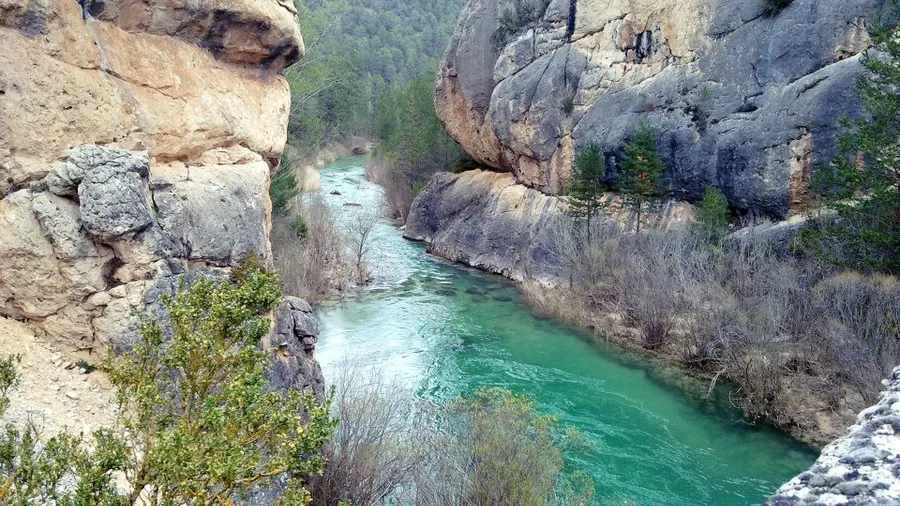
Albarracín is a medieval village located in the mountain range of the same name, in the province of Teruel, Aragón. It stands out for its walled structure and traditional architecture, preserving the essence of the Middle Ages. Its houses, built with stone and wood, feature a characteristic reddish hue that blends harmoniously with the natural surroundings of the sierra. The town is perched on a rocky promontory, surrounded by the Guadalaviar River, giving it a unique and protected landscape.

Exploring Albarracín, you'll find narrow, cobbled streets winding between hanging houses and small squares. The 14th-century walls encircle the old town, with towers and gates that evoke its former defensive role. Highlights include the Albarracín Cathedral, showcasing a mix of Gothic and Baroque styles, and the Diocesan Museum, which houses historical and artistic pieces. The Giralda viewpoint is also recommended, offering panoramic views of the village and surrounding landscape.

Albarracín's origins date back to the Muslim era, when it was an independent lordship under the Banu Razin dynasty, from which its name derives. Later, it came under Christian rule after the Reconquista, preserving its medieval layout and strategic importance. The conservation of its architectural and urban heritage has earned Albarracín the designation of a Historic-Artistic Ensemble, reflecting the history and culture of the Aragón region.

Visitors are advised to wear comfortable shoes due to cobbled streets and steep slopes. Car access is possible, though the old town has vehicle restrictions. There are several accommodation and dining options offering local cuisine. A visit typically takes 2-3 hours to explore the village and main sights, though more time is recommended to enjoy the natural surroundings and tranquility.

Key Information

Visit Duration

2-3 hours

Recommended Seasons

Spring, Autumn

Pricing

Free

Accessibility

Medium

Kid-Friendly Pet-Friendly No Booking Required

Related Destinations

Guide

Essential information for visiting Albarracín

Location
Practical Information
Pricing
Free
Visit Duration
2-3 hours
Features & Services
  • Accessibility:Medium
  • Kid-Friendly:Yes
  • Pet-Friendly:Yes
  • Booking:No Booking Required
Planning Information

Recommended Seasons

Spring · Autumn

Best Time to Visit

The best time to visit Albarracín is in spring and autumn, when the weather is mild and the natural landscape displays vibrant colors, avoiding the intense summer heat and winter cold.

Visitor Tips

To fully enjoy Albarracín, wear comfortable shoes for walking on cobbled streets and slopes. Visit early to avoid crowds and take advantage of natural light for photographing its reddish facades. Check museum and restaurant hours in advance, especially during low season. Take time to explore the natural surroundings and breathe the fresh mountain air.

Historical Facts

Albarracín was an independent lordship during the Muslim era under the Banu Razin dynasty, from which it takes its name. After the Christian Reconquista, it retained its medieval structure and strategic importance, preserving walls and architecture that reflect its defensive and cultural past.

Frequently Asked Questions

Get answers about Albarracín

Car access is restricted in the old town; it is recommended to park in designated areas outside the center.
Yes, the village offers various accommodation options, from hotels to rural houses.
Yes, although the cobbled streets and slopes require caution with young children.
No reservation is needed to visit the village, though some museums may require booking.