Serra do Candán occupies a central position on the Dorsal Gallega, the geological spine that runs through Galicia from north to south. Set between the Terra de Montes and Deza districts, the range spans the Pontevedra municipalities of Forcarei, Lalín and Silleda and the Ourense municipalities of Beariz, Boborás and O Irixo. Listed in the Natura 2000 network as a Special Conservation Zone (ZEC), the serra shelters mid-altitude Atlantic mountain ecosystems whose main peaks — Alto de San Bieito or San Bento (1,017 m), El Coco (969 m), Seixiños Blancos (905 m) and Chamor (815 m) — barely reach a thousand metres yet command a distinctive presence on the landscape thanks to their dominant position above the surrounding valleys.
The ecological importance of Serra do Candán extends beyond the range itself through its link with the Brañas de Xestoso, a complex of lagoons, peat bogs and wet meadows close by, between the municipalities of Forcarei, Silleda and A Estrada. This mountain wetland system, also protected as a ZEC, functions as a complementary ecosystem: shallow lagoons and sphagnum-covered peat bogs with rushes and lichens support bird communities including Montagu's harrier, hen harrier, European honey buzzard and short-toed snake eagle in spring, alongside less common species such as short-eared owl, little bustard and, occasionally, Eurasian eagle-owl. On the slopes of O Candán, yellowhammer, red-backed shrike and Eurasian bullfinch round out an ornithological catalogue that draws birdwatchers from across Galicia.
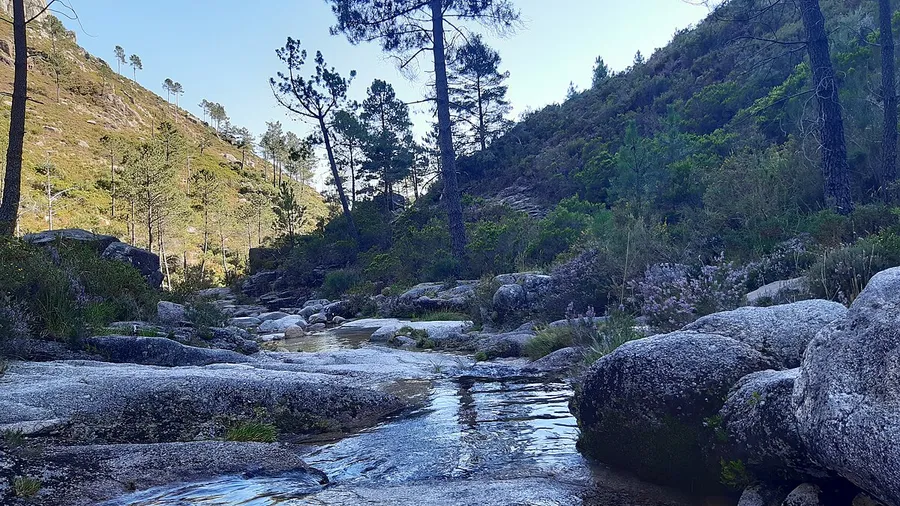
Major rivers rise on the serra's slopes: the Lérez (which empties into the Ría de Pontevedra), the Umia (reaching the Ría de Arousa) and several Deza tributaries, making this mountain a freshwater source for the Rías Baixas. Forests on the middle slopes are pedunculate oak groves with an understorey of ferns and mosses, while damper areas grow birch and alder forming galleries along the streams. The heights are covered by heather and gorse scrub with granite outcrops smoothed by erosion into gentle shapes visible from the ridgeline paths. In autumn the scrub takes on coppery tones that contrast with the dark green of the oak woods, and the smell of wet earth and decaying ferns mingles with chimney smoke rising from the valley hamlets below.
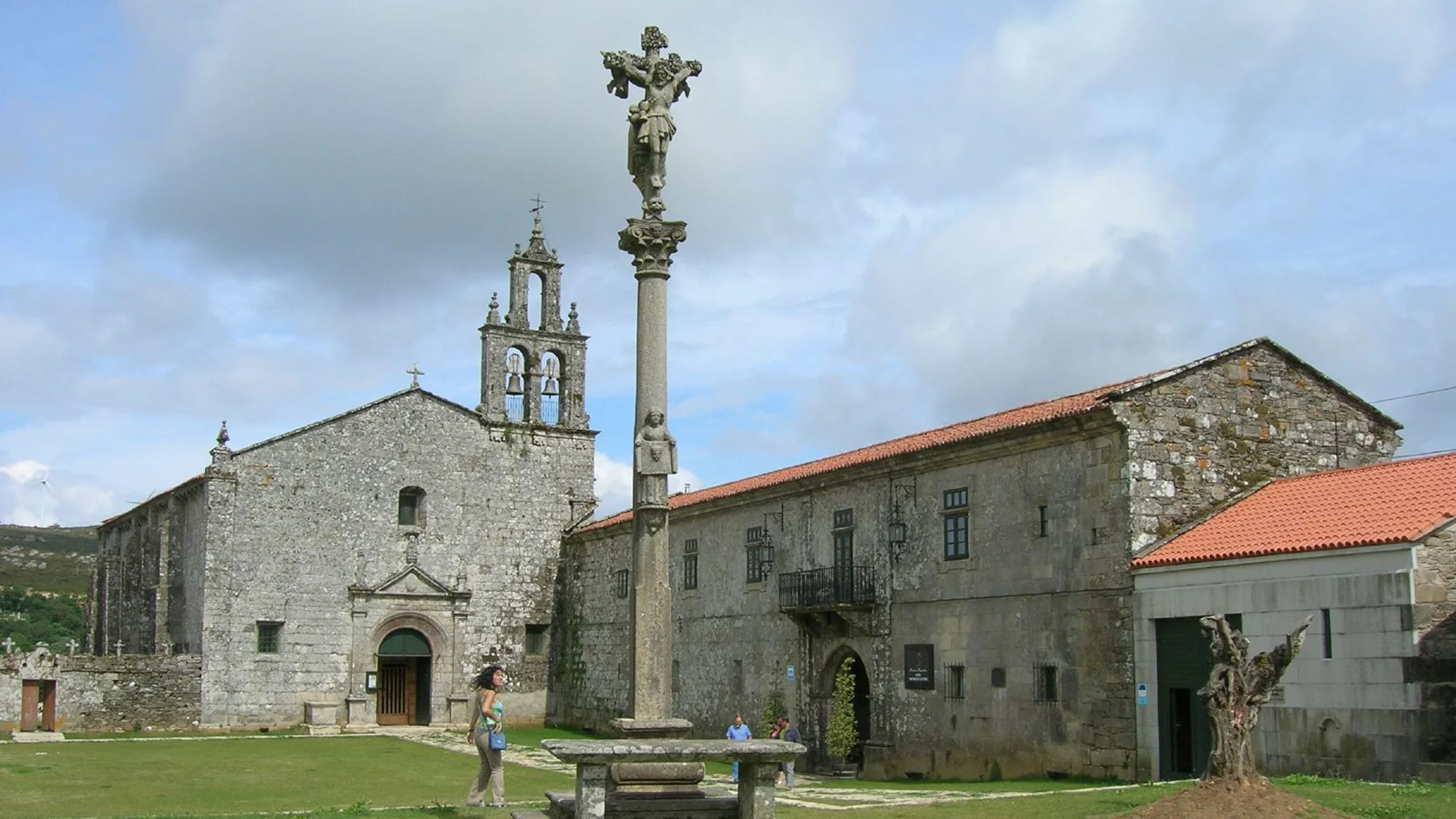
Mammal fauna includes Iberian wolf, which maintains family groups in the area, alongside roe deer, wild boar and fox, while genet and stone marten occupy the forest margins. Trails across the serra connect stone hamlets with cruceiros, hórreos and communal wash-houses, many still in daily use. The area has no mass tourism infrastructure — rural guesthouses in Forcarei, Lalín and Silleda are the usual lodging — and local cuisine centres on pulpo á feira, Galician empanada, lacón con grelos, caldo gallego and white wines from Ribeiro and Rías Baixas, available in village taverns and the district's weekly markets.