The essentials of Parque Natural de las Dunas de Liencres

  • • Active dune system reaching 20 metres high, driven by north-westerly winds
  • • Valdearenas beach: 1,500 m of golden sand with summer environmental certification
  • • Pas estuary hosting sandpipers, spoonbills and herons during autumn migration
  • • Costa Quebrada cliffs with rock arches and islets walkable at low tide
  • • 140-hectare maritime pine forest planted between 1949 and 1973

Description

The Parque Natural de las Dunas de Liencres stretches across 1,753 hectares of Cantabria's central coastline, covering parts of the municipalities of Piélagos, Miengo and Santa Cruz de Bezana. What began in 1986 as a 195-hectare protection focused on the dune system at the mouth of the River Pas was expanded in 2021 through Law 2/2021, which incorporated the Costa Quebrada stretch into a single protected area. The result is a natural park encompassing mobile dunes, quartzite and limestone cliffs, an estuary, salt marshes and beaches along roughly 10 kilometres of unbroken coastline.

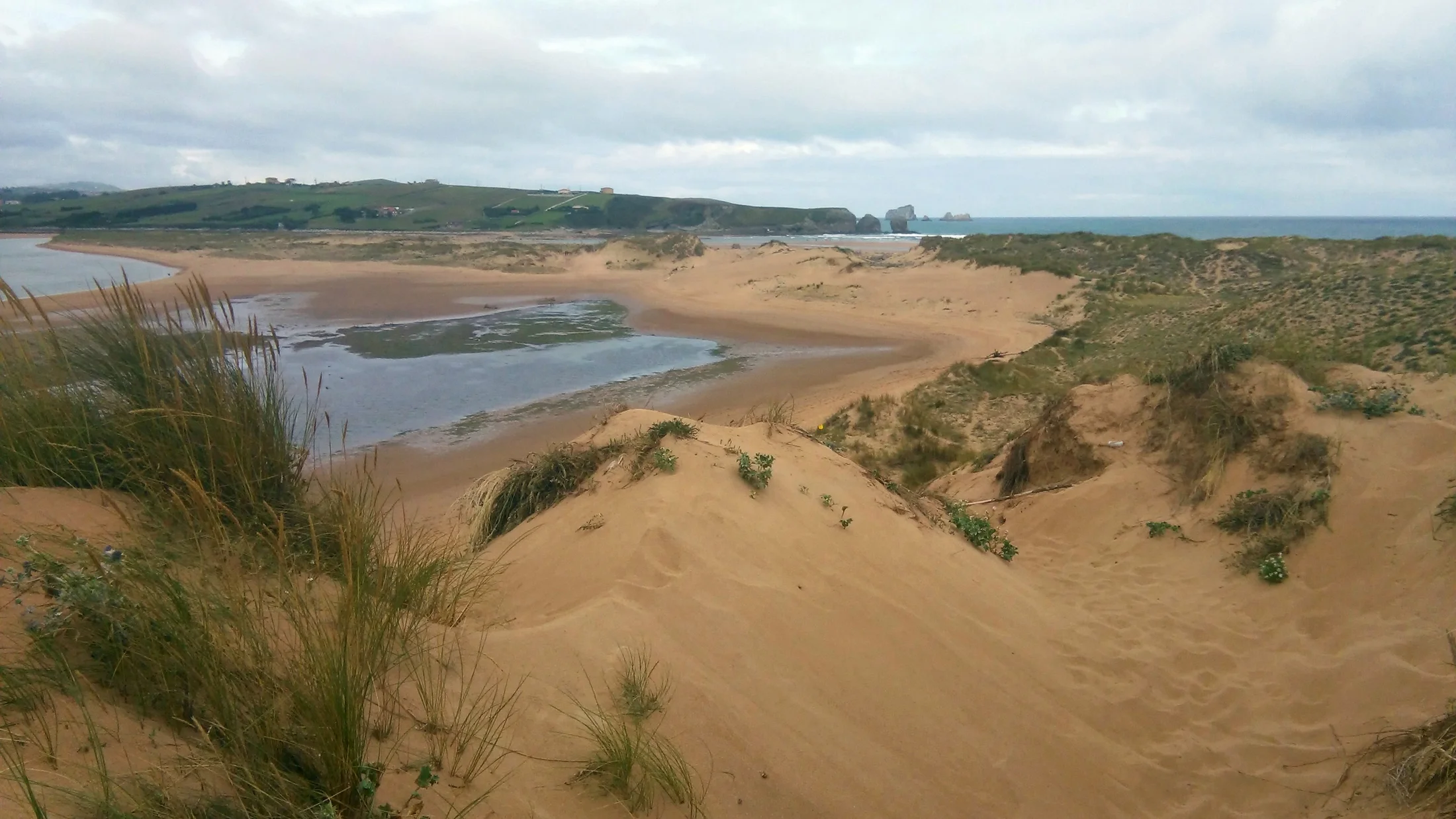
The original dune system, on the right bank of the Pas estuary, is the feature that prompted the initial designation. Of the 195 hectares in the dune core, about 140 are reforested maritime pine (Pinus pinaster, planted between 1949 and 1973) and 33 are dunes proper, reaching heights of up to 20 metres in the most developed sectors. The dunes remain active: north-westerly winds carry sand inland from the beach, forming embryonic dunes on the seaward edge that mature into white and then grey stabilised dunes. Ammophila arenaria anchors the crests with its root system; further back, Crucianella maritima and Euphorbia paralias colonise compacted sand surfaces.

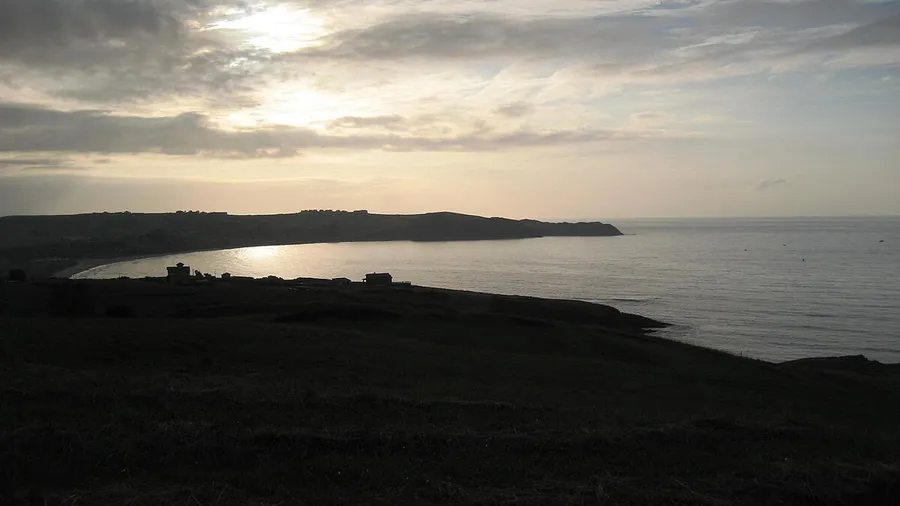
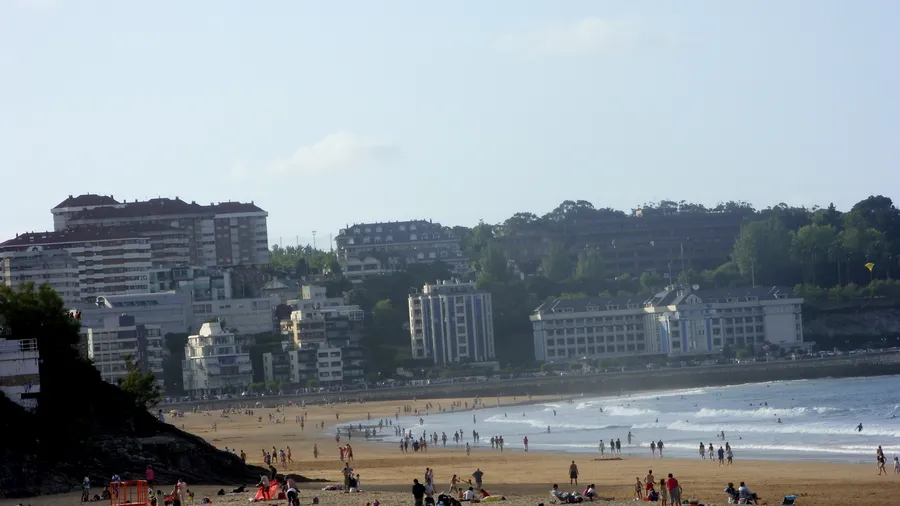
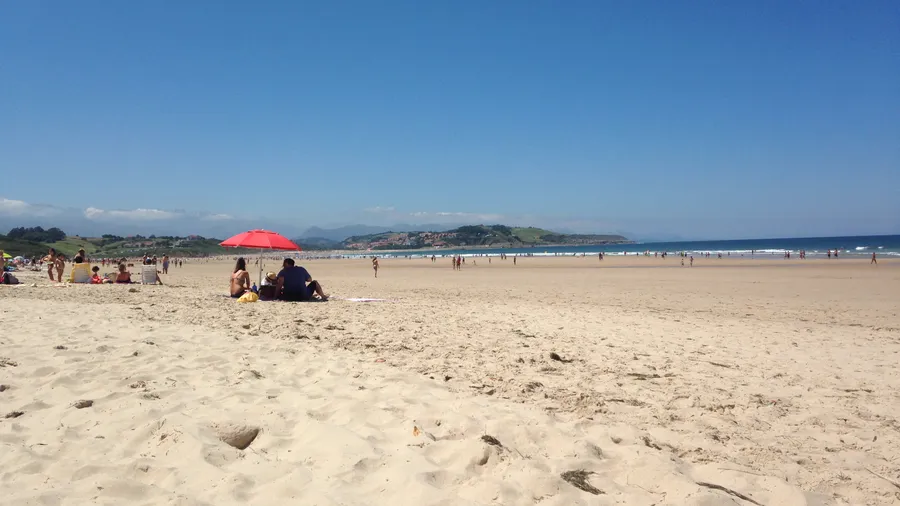
Valdearenas beach, the park's main strand, runs for over 1,500 metres of fine golden sand. It is ranked among Cantabria's longest beaches and holds environmental quality certifications during the summer season. Beside it, Canallave beach faces northwest and takes the brunt of the Cantabrian swell, making it a regular surfing spot. The inlet between the two beaches offers more sheltered water, suitable for swimming with children. The scent of salt and maritime pine that fills the path through the dunes is one of the most distinctive sensory experiences along this stretch of coast.

The Pas estuary, at the park's eastern edge, serves as a feeding and resting ground for migratory wading birds. Common sandpipers, Kentish plovers, grey herons and spoonbills gather on sandbanks exposed at low tide, particularly between September and April. The estuary forms part of the Cantabrian ZEPA network. Salt-marsh sectors host Salicornia and Spartina, halophytic plants that sustain the intertidal food web. The Pas riparian woodland of alder, willow and ash connects the estuary with the agricultural interior of Piélagos.

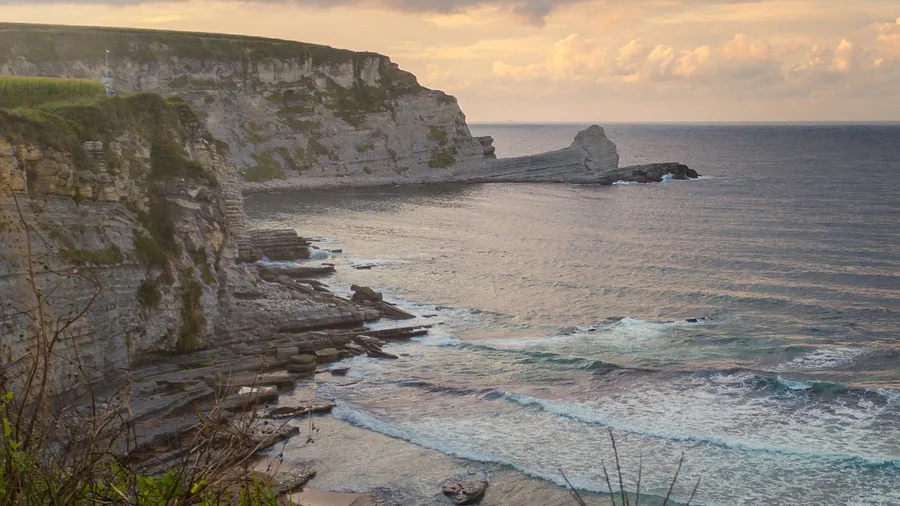
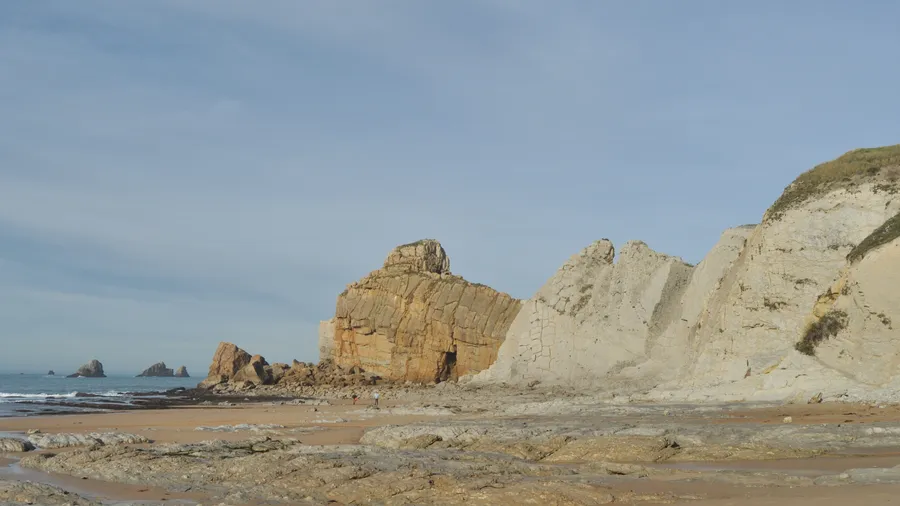
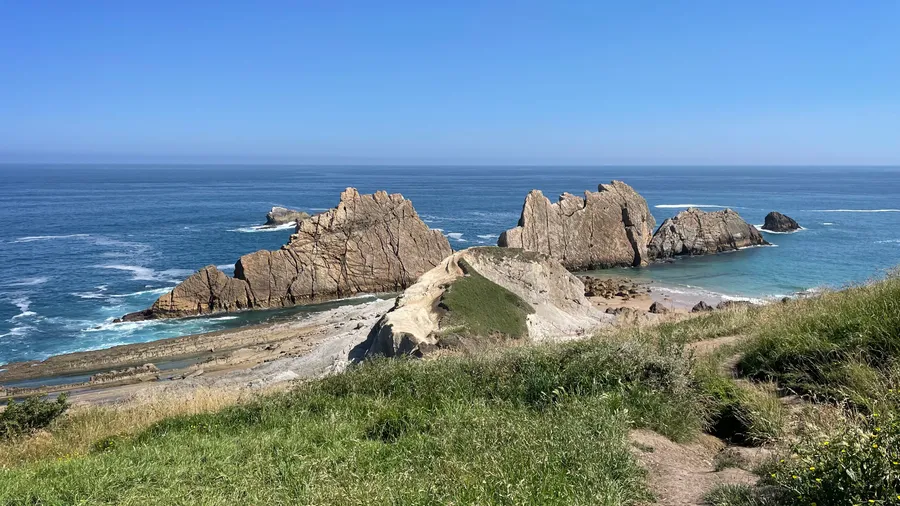
Costa Quebrada, incorporated since 2021, adds coastal geology of considerable interest: marine abrasion platforms, natural rock arches and coves set between quartzite walls. The Mouro and Covachos islets, opposite Covachos beach, are accessible on foot during the lowest tides and support colonies of yellow-legged gulls and European shags. This combination of dune, estuarine and rocky-cliff ecosystems in a compact area makes the park a leading resource for interpreting Cantabrian coastal dynamics.
Practical information

Everything you need to know for your visit to Parque Natural de las Dunas de Liencres

How to get there
From Santander (15 km), take the A-67 towards Torrelavega and exit at Boo de Piélagos, following signs to Liencres via the CA-231. The Santander–Liencres bus line stops near the park entrance. Valdearenas car park is free off-season and paid in summer, with a dedicated coach area.
Area Information
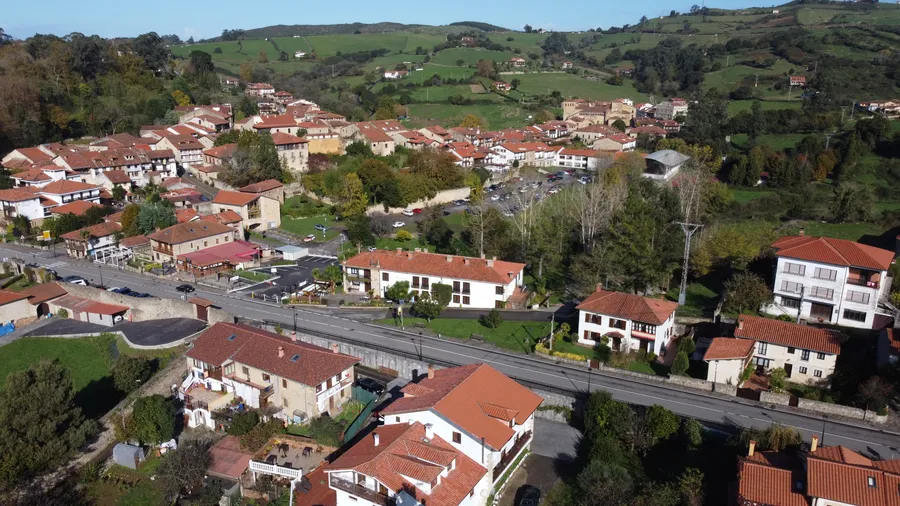
The park spans three municipalities: Piélagos (59%), Miengo (33%) and Santa Cruz de Bezana (8%). Located 15 km from Santander. Liencres has restaurants and rural lodging. Somocuevas and Portio beaches (Costa Quebrada) are minutes from the dune area.
Geography
Coastal dune system at the mouth of the River Pas, with embryonic, white and grey dunes reaching 20 m. The park includes the estuary with salt marshes, Valdearenas (1,500 m), Canallave and the Costa Quebrada cliffs with abrasion platforms.
Flora & Fauna
Dunes: Ammophila arenaria, Crucianella maritima, Euphorbia paralias. Salt marshes: Salicornia and Spartina. Pinus pinaster woodland (140 ha). Riparian alder and willow. Birds: sandpipers, Kentish plovers, herons, spoonbills, yellow-legged gulls and shags. ZEPA area.

Things to do

Find the best plans and things to do in Parque Natural de las Dunas de Liencres

20

Accommodations

Best accommodation options in Parque Natural de las Dunas de Liencres

Loading accommodation options...

Frequently Asked Questions

Get answers about Parque Natural de las Dunas de Liencres

Dogs are permitted in the park's woodland areas provided they are kept on a lead. Access with pets may be restricted in designated nesting zones, particularly on the dunes during spring. At Valdearenas beach, dogs are not allowed between June and September; outside the high season, walking with them on the sand is permitted.
Valdearenas car park is free from approximately October to May. During the high season it operates as a paid facility managed by Piélagos municipality. There is a dedicated area for coaches and campervans. Arriving before 10:00 on summer weekends is advisable to secure a space.
Valdearenas is the main beach, with 1,500 m of golden sand, lifeguard services in summer and moderate swell. Canallave faces northwest and receives stronger waves, making it the preferred surfing spot. Los Caballeros cove offers wind-sheltered water suitable for swimming with children. On the Costa Quebrada side, Covachos and Portio are smaller, rockier coves.
Costa Quebrada contributes a stretch of quartzite and limestone cliffs featuring geological formations such as natural rock arches, marine abrasion platforms and the Covachos islets, accessible on foot during spring low tides. It is an area of high geological and scenic value that complements the original park's dune and estuarine ecosystems.
Yes. Canallave beach is the main surf spot, with consistent north-westerly swell during autumn and winter. In summer the beach is zoned for swimming and water sports. Valdearenas also offers surfable waves in winter. Surf schools in Liencres operate with park permits and offer courses for all levels.