The essentials of Lago de Ivars y Vila-sana

  • • Over 250 recorded bird species including purple heron, marsh harrier and bearded reedling
  • • 5.5 km circular path with timber boardwalks, jetties and observation towers
  • • Wetland restored in 2005 after half a century drained: Catalonia's largest inland lagoon
  • • Vila-sana bird hide screened by vegetation with water-level views of the reedbeds
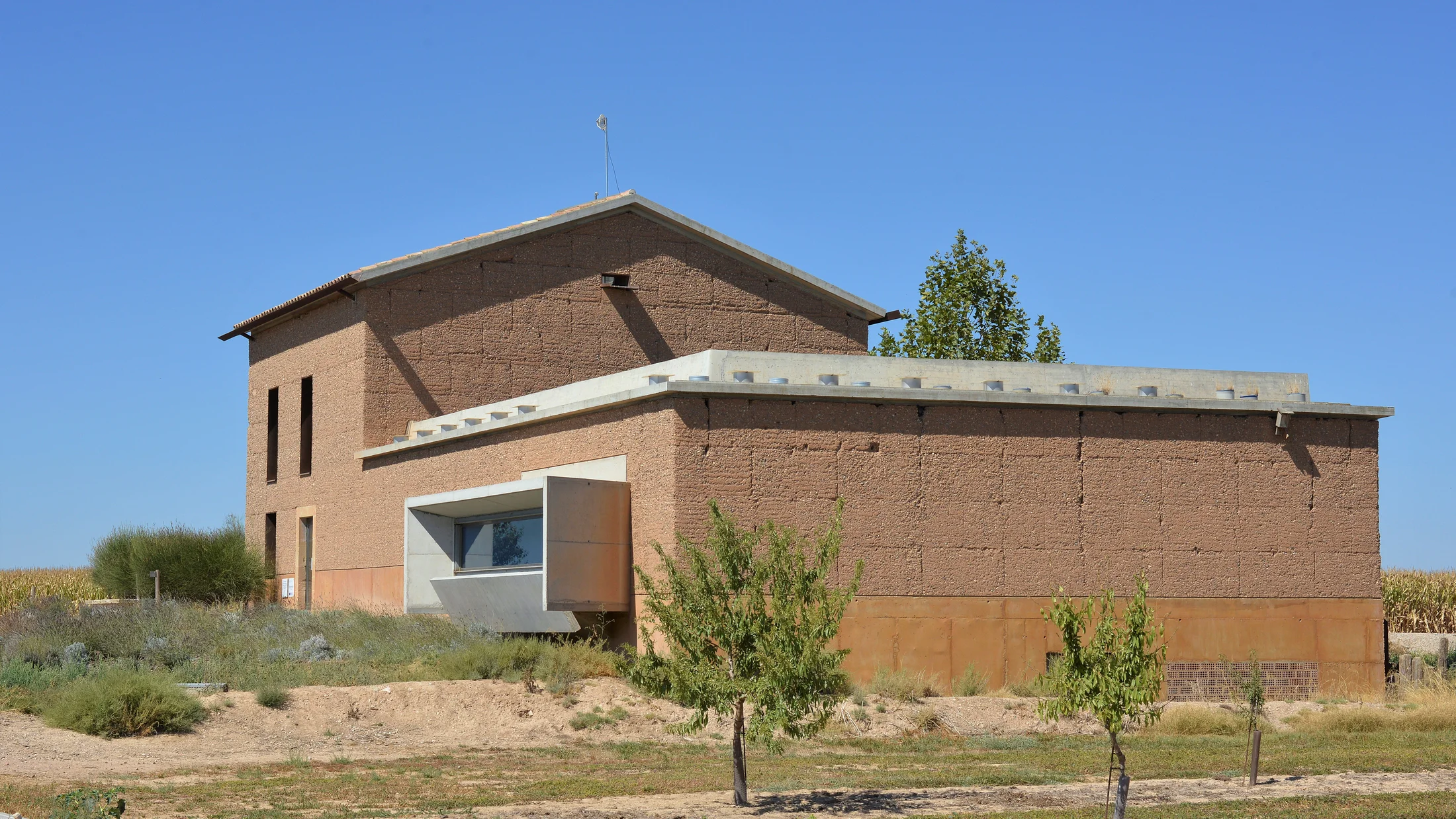
  • • Cal Sinén interpretation centre offering ringing workshops and guided birdwatching

Description

Lago de Ivars y Vila-sana covers 126 hectares on the cereal plains of Pla d'Urgell, at roughly 250 metres above sea level, and ranks as the largest inland lagoon in Catalonia. Its recent history reads like a community achievement: drained in 1951 to gain farmland, the wetland was restored from 2005 onward through a project led by the local consortium and the Generalitat. Within just over a decade the water surface returned to mirror the skies of the Lleida plain, and the first flocks of waterbirds came back to a territory that had been without them for half a century.

Today the lake hosts more than 250 recorded bird species, 31 mammal species, 6 reptile species and 21 odonate species. Among the birds frequenting the wetland are purple heron, western marsh harrier, bearded reedling, white stork, common kingfisher and European bee-eater. The otter has recolonised the lake naturally, and its presence is regarded as an indicator of water and ecosystem quality. During spring and autumn migrations, the shores fill with waders and ducks stopping over on their route between northern Europe and Africa.

A 5.5-kilometre circular path rings the entire lake and can be walked in about ninety minutes or cycled in under forty. The trail passes through riparian woodland, timber boardwalks over the water, jetties and observation towers fitted with panels identifying the species visible from each point. The Vila-sana hide, screened by vegetation, offers a water-level perspective from which you can watch herons moving through the reedbeds as the warm evening light tints the lake surface orange.

The Cal Sinén interpretation centre, at the main entrance, doubles as a tourist office and environmental information point. It opens Wednesday to Sunday from 10:00 to 14:00 and runs educational activities, bird-ringing workshops and guided birdwatching outings. The lake has three access points with parking, toilets and picnic areas, making visits with children straightforward. The surrounding farmland, with its cereal and sunflower fields, attracts steppe birds such as little bustard, pin-tailed sandgrouse and calandra lark, extending the birding interest well beyond the water's edge.

The restoration has become a reference for wetland recovery projects in the western Mediterranean. The process involved purchasing farmland plots, rebuilding the lake basin and channelling water from the Canal d'Urgell. The early years saw spontaneous colonisation: reeds arrived first, then aquatic insects, and finally the birds. Today the Estany Consortium manages the space with a balance between conservation and public use that sustains the biodiversity without closing off access.

Mollerussa, the Pla d'Urgell capital, lies 8 kilometres away and offers the area's widest choice of accommodation and dining. From Lleida city the lake is a 30-minute drive via the C-13 toward Balaguer. The combination of an accessible, flat, technically undemanding natural space with biodiversity that rivals far larger wetlands makes this lake a practical option for a family morning or afternoon.
Practical information

Everything you need to know for your visit to Lago de Ivars y Vila-sana

How to get there
From Lleida, take the C-13 toward Balaguer and turn off for Vila-sana or Ivars d'Urgell (30 min). From Barcelona, A-2 to the Mollerussa exit and follow signs (1 h 40 min). Three signposted access points with large car parks. Buses run from Lleida to Mollerussa (8 km from the lake); onward transport by car or taxi is advisable.
Area Information
Cal Sinén interpretation centre (Wednesday to Sunday, 10:00-14:00) with exhibitions and workshops. Three access points with parking, toilets and picnic areas. Observation towers and a screened bird hide at Vila-sana. Mollerussa 8 km away with accommodation and dining.
Geography
A 126-hectare freshwater lagoon at 250 m altitude set in the cereal-growing plain of Pla d'Urgell, Lleida province. Average depth under 2 m. Surrounded by cereal, sunflower and dry-farmed fruit orchards.
Flora & Fauna
Over 250 bird species, 31 mammals and 21 odonates. Purple heron, western marsh harrier, bearded reedling, white stork, kingfisher and European bee-eater among resident and migratory birds. The otter has naturally recolonised the lake. Reedbed, rush and riparian woodland vegetation.

Things to do

Find the best plans and things to do in Lago de Ivars y Vila-sana

20

Accommodations

Best accommodation options in Lago de Ivars y Vila-sana

Loading accommodation options...

Frequently Asked Questions

Get answers about Lago de Ivars y Vila-sana

No. The lake is dedicated to biodiversity conservation and neither swimming nor any form of boating is allowed. Water access is restricted to protect the riparian vegetation and nesting areas. For a swim, the Mollerussa municipal pool is 8 kilometres away.
Most of the 5.5 kilometres run along flat compacted-earth paths and timber boardwalks that allow pushchair or wheelchair access. Some sections on the northern side may be muddy after rain. The most accessible stretch is the one between Cal Sinén and the Vila-sana bird hide.
In spring bee-eaters, swallows and African migrants arrive. Summer sees herons, harriers and bearded reedlings breeding. Autumn brings waders on post-breeding migration. In winter the lake fills with mallards, teal and cormorants. The kingfisher and otter are year-round residents and can be spotted with patience at any time.
Yes. The Cal Sinén interpretation centre runs guided birdwatching outings, particularly during the spring and autumn migrations. It also organises scientific bird-ringing workshops where participants can watch ornithologists at work up close. Activities are published on the Estany Consortium website and advance booking is advisable.
Yes, it is one of the most family-friendly natural spaces in the area. The route is flat, short and free of technical difficulty. All three access points have picnic areas with tables and toilets. The boardwalks and hides hold children's attention, and waterbirds are visible with the naked eye from many points along the circuit. The full visit takes under two hours at a relaxed pace.