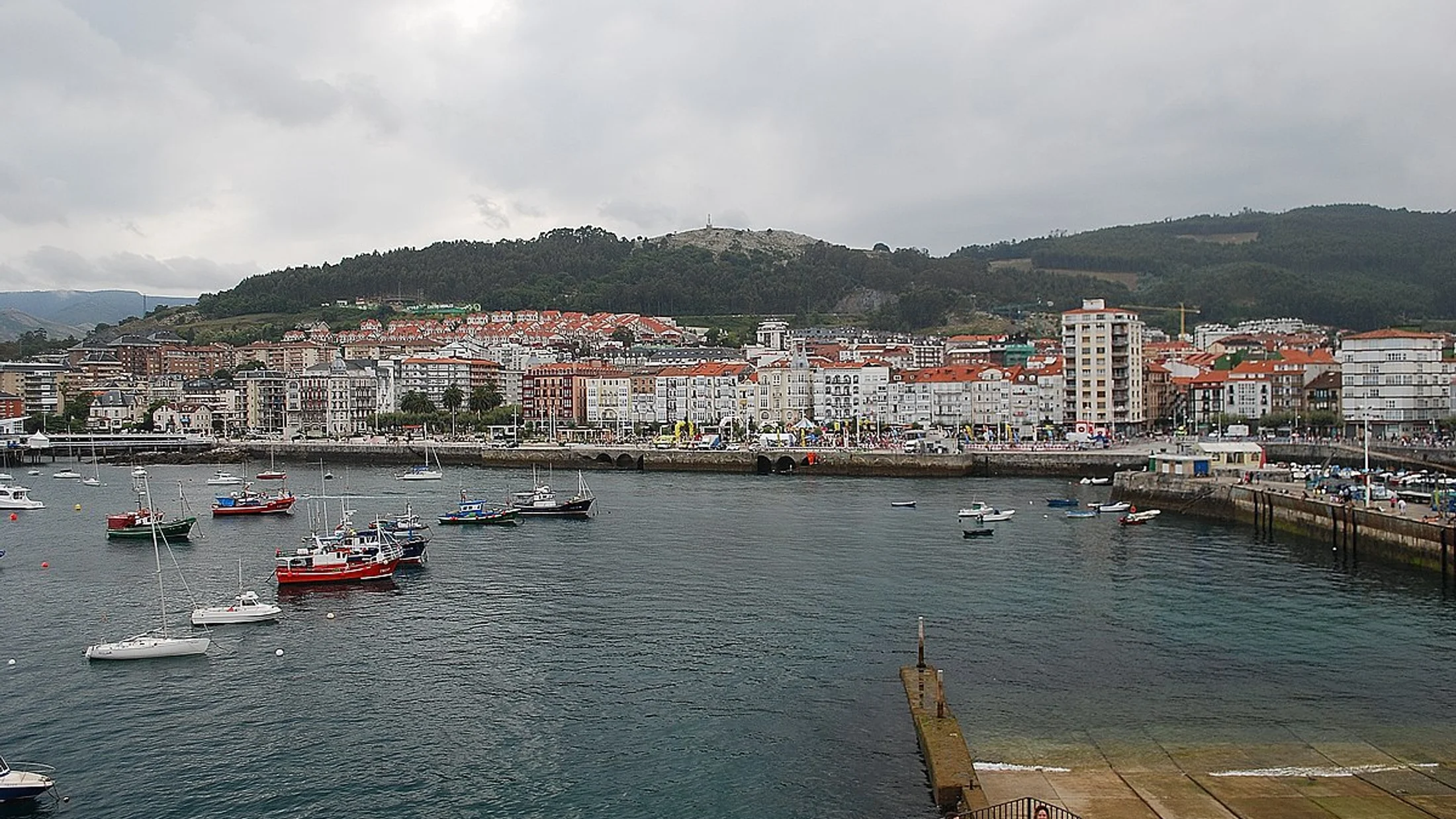
Eastern Coast of Cantabria
The essentials of Eastern Coast of Cantabria
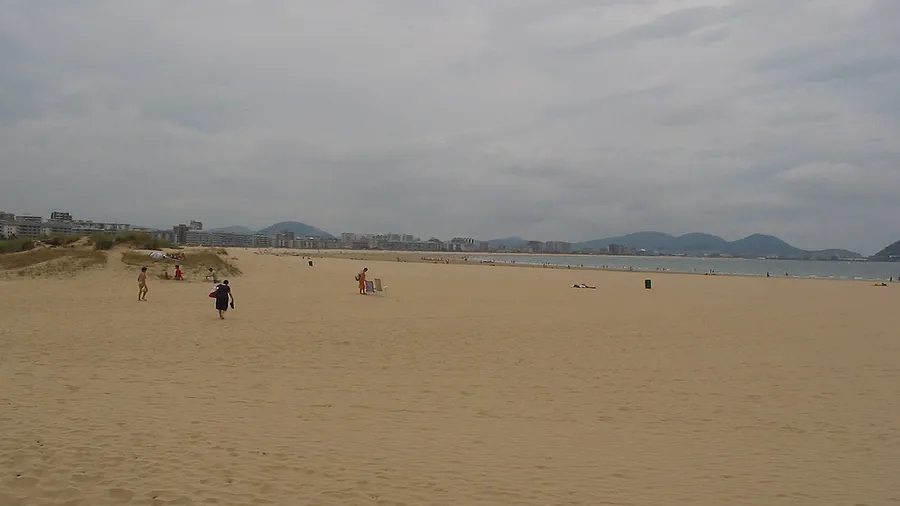
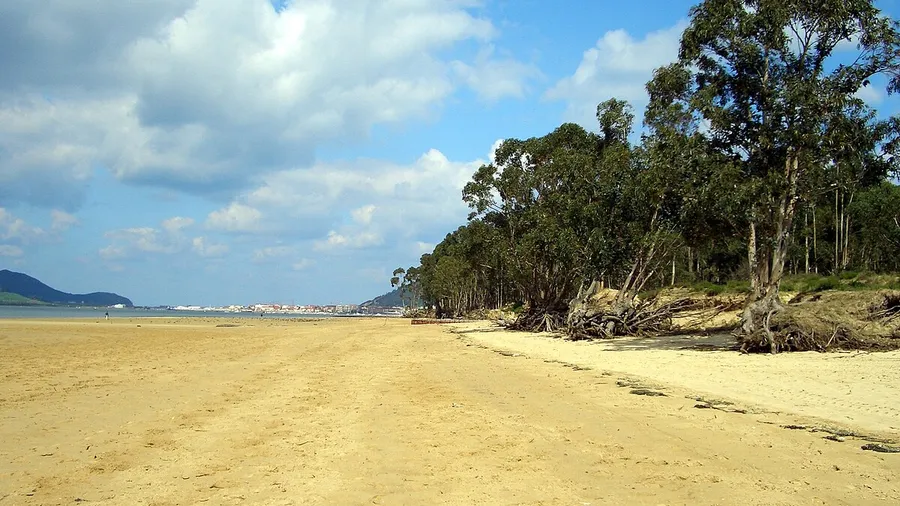
- • La Salvé Beach in Laredo: over 4 km of sand, the longest in Cantabria
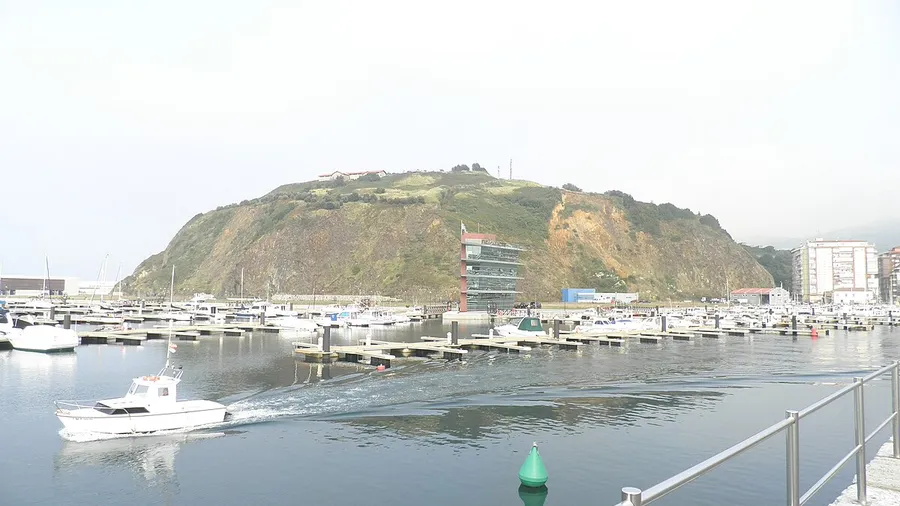
- • Monte Buciero and Faro del Caballo in Santoña: spectacular coastal hiking
- • Santoña Marshes: one of the most important wetlands on the Cantabrian coast
- • Santoña anchovies: tastings and visits to artisan canneries
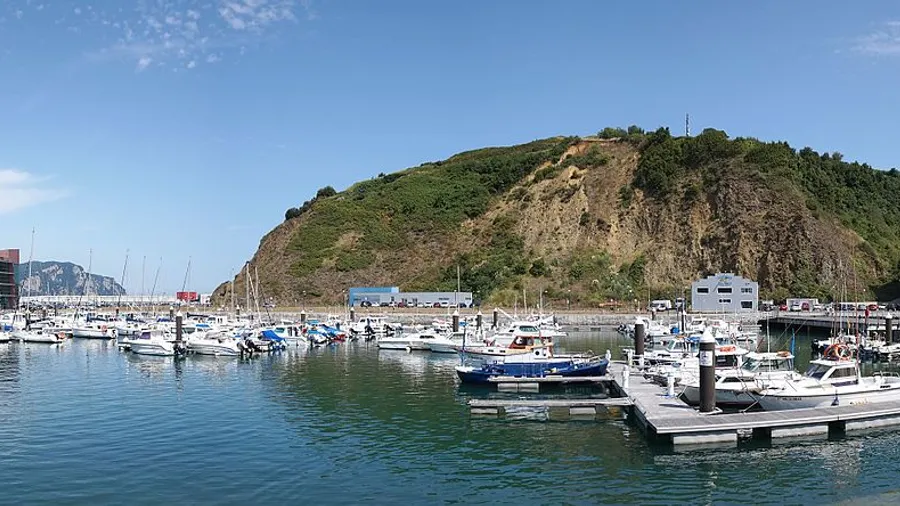
- • Castro Urdiales: medieval Gothic ensemble overlooking the fishing harbour
- • Surfing, kayaking, sailing and horseback rides along beaches and marshes
Description
Practical information
Everything you need to know for your visit to Eastern Coast of Cantabria
How to get there
How to get there
What to see
Discover the must-see sights in Eastern Coast of Cantabria
Accommodations
Best accommodation options in Eastern Coast of Cantabria
Frequently Asked Questions
Get answers about Eastern Coast of Cantabria
Which towns are on the Eastern Coast?
The main ones are Laredo, Santoña, Noja, Colindres, Isla, Bareyo and Castro Urdiales. All connected by the A-8 motorway and less than 1 hour apart.
Which is the best beach?
La Salvé in Laredo is the largest (4 km) with most facilities. Trengandín in Noja is quieter and family-friendly. Berria in Santoña has good surf. Oriñón and Sonabia are the wildest to the east.
What activities are available?
Surfing, bay kayaking, boat trips, horseback riding, hiking to Faro del Caballo, birdwatching in the marshes, coastal cycling and anchovy cannery visits.
When is the best time to visit?
Summer for beach and water sports. Spring and autumn for hiking, migratory birds and gastronomy without crowds. The climate is mild year-round.
How to get there from Santander or Bilbao?
Via the A-8: Laredo is 45 minutes from Santander and 50 from Bilbao. Castro Urdiales is 35 minutes from Bilbao. Direct ALSA buses run from both cities.