The essentials of Cala Mondragó

  • • Posidonia oceanica meadows among the best-preserved in the Balearic Islands
  • • Sandstone coastal cliffs reaching up to 40 metres in height
  • • Inland wetlands hosting grey herons and kingfishers year-round
  • • Walkable from Santanyí with seasonal bus service in summer
  • • Kayak and snorkel hire available directly on the beach

Description

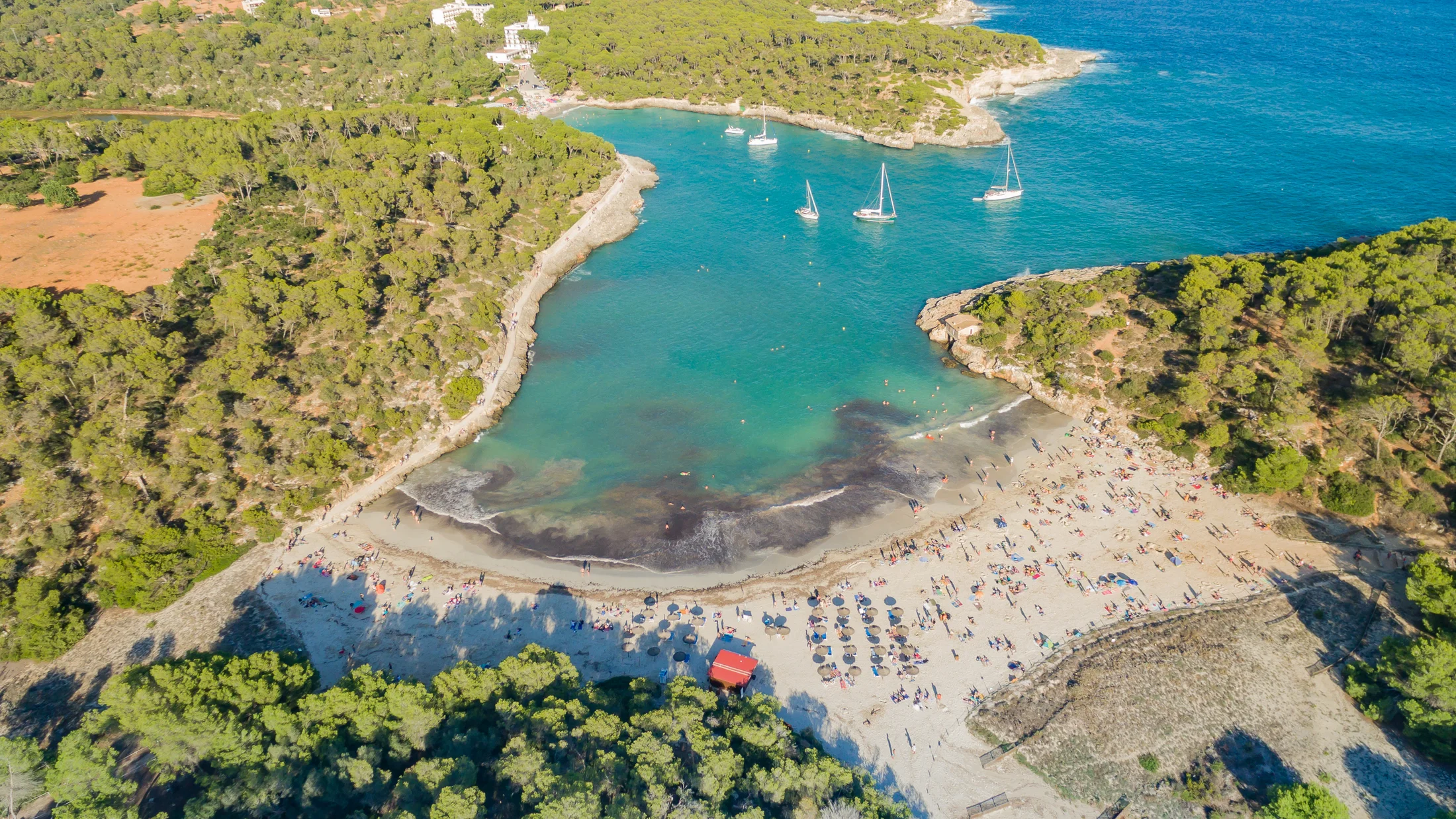
Cala Mondragó is one of the few coves on Mallorca's south-eastern coast to have retained its natural character, protected since 1992 as a natural park covering 765 hectares of coastline, Mediterranean woodland and wetlands. Sandstone cliffs rising up to 40 metres frame the bay, and the water shifts between shades of green and blue over a sandy bed of well-preserved Posidonia oceanica meadows. Two main coves — s'Amarador and Cala Mondragó — receive most visitors, while inland trails allow the park to be explored on foot.

The surrounding landscape combines Aleppo pine forest with coastal garrigue of dwarf fan palm, lentisk and mastic. The wetland areas inland attract grey herons, kingfishers and, during migration season, various wader species. Underwater, the Posidonia meadows provide habitat for gilt-head bream, white seabream, sea urchins and starfish. Anchoring over these meadows is prohibited within the park to protect them from physical damage.

The easiest access is by car from Santanyí or Porto Cristo, though the car park fills early on summer mornings. A seasonal bus service runs from Santanyí. The park has picnic areas, showers and adapted access at the main beach. Kayak and snorkel hire is available, making it easy to explore the seabed without a boat. The smaller s'Amarador beach tends to be quieter even at the height of summer.

The park sits within the municipality of Santanyí, a village built from local marès sandstone — a warm golden limestone used in its churches, country estates and walls. The local economy has historically relied on dry-land farming, artisanal fishing and, since the 1960s, tourism. The park's declaration halted the coastal development that had altered other parts of the Mallorcan shoreline, establishing a managed-visit model that is now considered a benchmark on the island.

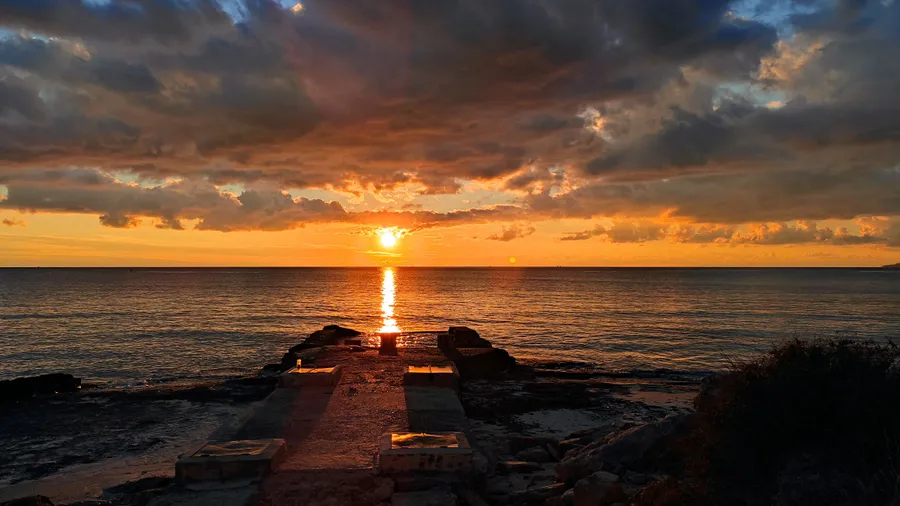
Beyond swimming, the park rewards those who take time to walk its coastal trail, which links both coves via cliff-top viewpoints and sections of garrigue with open sea views. At dawn, when the sandstone faces the rising sun, the rock takes on deep amber tones. Kayakers can reach small sea caves and hidden inlets in the cliffs between the two coves, inaccessible on foot. For families, the park combines shallow, calm water near the shore with pine shade just steps from the beach, basic facilities and enough natural variety to hold children's interest well beyond a single swim.
Practical information

Everything you need to know for your visit to Cala Mondragó

How to get there
From Palma, take the Ma-19 motorway towards Llucmajor and continue to Santanyí (approx. 55 km), then follow signs to Cala Mondragó via the Ma-6100 road. In summer, a bus service runs from Santanyí. Paid parking is available but fills quickly on summer mornings.
Area Information
Mondragó Natural Park was declared in 1992 and is managed by the Govern de les Illes Balears. The reference municipality is Santanyí, with around 12,000 inhabitants, known for its marès sandstone architecture and weekly markets.
Geography
South-eastern Mallorca, Santanyí municipality. The 765-hectare park spans calcareous sandstone cliffs up to 40 m high, two sandy coves, Posidonia seagrass beds and low-lying inland wetlands along a short coastal strip.
Flora & Fauna
Aleppo pine forest and coastal garrigue with dwarf fan palm, lentisk and mastic. Wetlands host grey herons, kingfishers and migrating waders. Underwater Posidonia meadows shelter gilt-head bream, white seabream, starfish and sea urchins.

Things to do

Find the best plans and things to do in Cala Mondragó

20

Accommodations

Best accommodation options in Cala Mondragó

Loading accommodation options...

Frequently Asked Questions

Get answers about Cala Mondragó

Yes. Both coves have good visibility and well-preserved Posidonia meadows. Snorkel equipment can be hired directly on the beach. The best spots are along the edges of the coves, where depths range between 2 and 6 metres and marine life is most abundant.
Access to the natural park and the beaches is free. In high season (June-September) the car park is paid and spaces are limited. It is advisable to arrive before 09:30 or to use the bus from Santanyí to avoid missing a parking spot.
The park has several marked trails connecting the two main coves with the wetland areas and cliff viewpoints. The full coastal circuit covers approximately 5 km. Paths are well-signed and suitable for all fitness levels, including families with young children.
Yes. Kayaks can be hired on the beach and used to explore the coastline from the water, including small sea caves and inlets in the nearby cliffs. Paddling over Posidonia meadows is allowed as long as you do not anchor over them. Avoid the windy months of December to March.
Families with children tend to prefer June and September: the water is already warm, crowds are smaller than in August and parking is easier to find. In July and August the beaches are busier, but the bus from Santanyí makes car-free access straightforward. The main cove has adapted access and a shaded picnic area.