The essentials of Cala Figuera

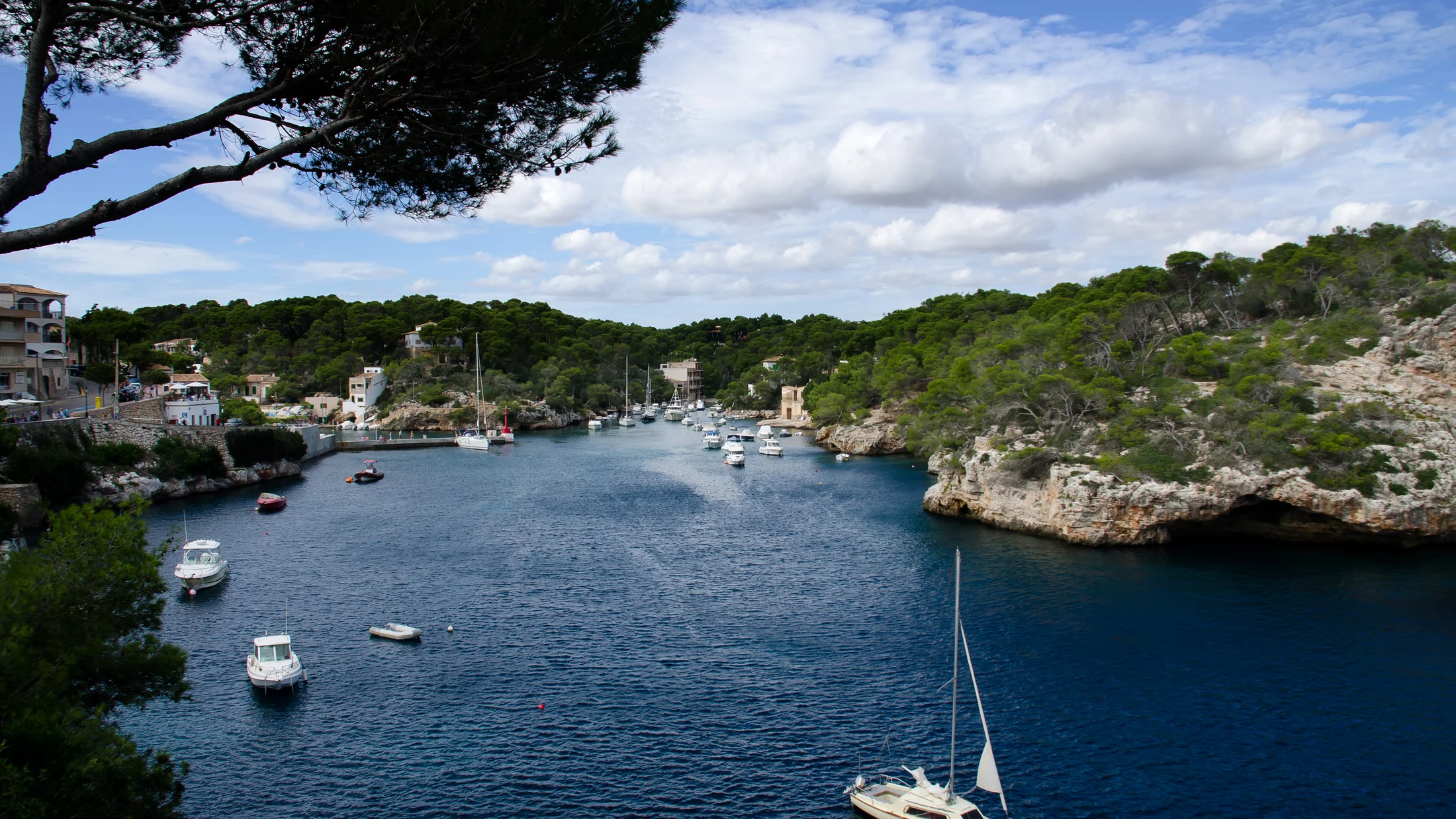
  • • Working fishing port with llaüt boats moored in a 50-metre-wide fjord
  • • Marés-stone boathouses lining the waterfront with green-painted doors
  • • Caló des Moro and Es Pontàs, a tiny cove and deep-water solo rock arch under 2 km away
  • • Waterfront restaurants serving scorpionfish and amberjack caught just miles offshore
  • • 800-metre perimeter walk with views of pale rock against turquoise water

Description

Cala Figuera occupies a narrow, deep inlet on Mallorca's southeast coast, between the Punta des Moro lighthouse and the cliffs of Cala Santanyí, within the municipality of Santanyí. Unlike the island's typical sandy coves, Cala Figuera is a working fishing port where llaüt boats moor inside a natural fjord barely 50 metres wide, sheltered from waves by two arms of limestone that almost close off the entrance. Boathouses — low marés-stone structures where fishermen store nets and tackle — line both sides of the water, whitewashed with green doors, their outlines mirrored in the still surface at dawn.

The village sits on the ridges bordering the cove, its houses stepping down between fig trees and bougainvillea to the waterline. There is no beach as such: the appeal lies in the port's structure itself, in the stone jetties where fishermen mend nets each morning and in the waterfront restaurants serving the day's catch — scorpionfish, amberjack — landed just hours earlier a few miles offshore. The 800-metre perimeter path connects both arms of the cove and lets you watch the fishing activity from different angles, with the contrast of pale rock, turquoise water and coloured boats.

The immediate surroundings offer additional options. Cala Santanyí, 2 kilometres north, has a fine-sand beach sheltered by cliffs; Caló des Moro, 1.5 km south, is a tiny cove wedged between 15-metre vertical walls, accessed by a steep trail and naturally limited in capacity by its size. The Es Pontàs rock arch, visible from the coastal path out of Cala Santanyí, is an eroded formation rising above the sea that climbers use for deep-water soloing. The Mondragó Natural Park, 5 kilometres west, extends the options with white-sand beaches and trails through pine and garrigue.

Santanyí, the municipal seat 5 kilometres inland, holds a market on Wednesdays and Saturdays on the main square, selling local products: sobrasada, Mahón cheese, almonds, Mallorcan herbal liqueur and handmade ceramics. The marés stone — the golden sandstone used to build the area's houses — gives the southeast Mallorcan villages a warm tone that shifts in intensity with each hour's light. From Palma, Cala Figuera is reached in 55 minutes via the Ma-19 towards Llucmajor and the Ma-6100 to Santanyí, an inland road crossing almond groves and dry-stone walls.

Life in Cala Figuera follows the sea's rhythm. Boats head out before dawn and return mid-morning with their catch, unloaded on the jetties of the western arm. The harbour cats, a constant presence on the warm rocks, wait for their share. In the afternoons, the promenade fills with visitors who come down to dine facing the water as the evening light turns the cliffs orange and the cove's surface darkens gradually from turquoise to deep blue.
Practical information

Everything you need to know for your visit to Cala Figuera

How to get there
From Palma, take the Ma-19 to Llucmajor and the Ma-6100 to Santanyí (55 min). From Santanyí, the Ma-6102 reaches Cala Figuera in 5 minutes. Free parking in the upper village. Bus line 501 (Palma-Santanyí) with local connection. Palma airport is 60 km away.
Area Information
Hotels and apartments in Cala Figuera and Cala d'Or (10 km). Fresh-fish restaurants on the harbour promenade. Dive centres in Cala d'Or and Portopetro. Santanyí market (Wednesdays and Saturdays). Mondragó Natural Park 5 km away with a visitor centre.
Geography
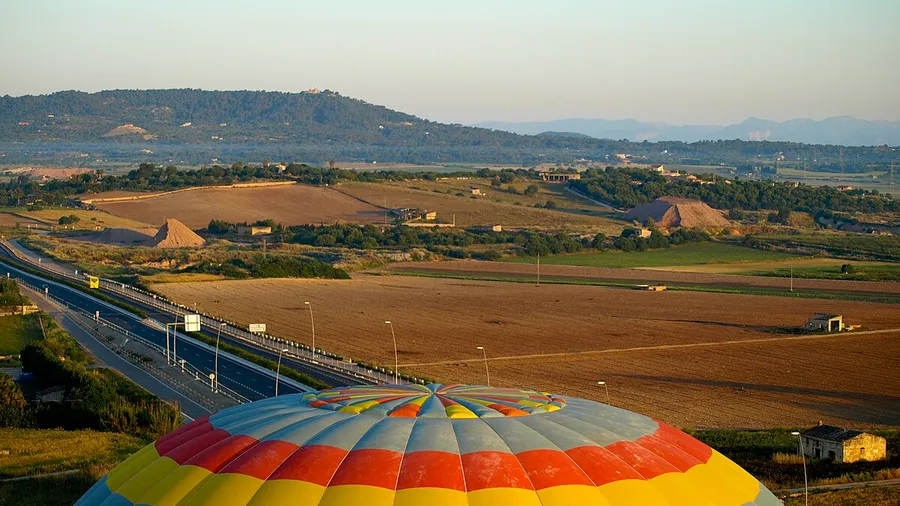
Narrow coastal inlet 50 m wide and 300 m deep carved into limestone. Low-cliff coastline (10-20 m) with interspersed coves. Marés stone substrate (calcareous sandstone). Flat interior of almond fields and Mediterranean garrigue.
Flora & Fauna
Coastal garrigue with wild olive, mastic, rosemary and dwarf palm. Fig trees and bougainvillea in the village. Rocky seabed and Posidonia oceanica meadows. Marine fauna: moray eel, grouper, octopus, pen shell. Birds: European shag, Balearic shearwater and Eleonora's falcon on nearby cliffs.

Things to do

Find the best plans and things to do in Cala Figuera

20

Accommodations

Best accommodation options in Cala Figuera

Loading accommodation options...

Frequently Asked Questions

Get answers about Cala Figuera

No, Cala Figuera is a fishing port with no sandy beach. Swimming is from the rocks and stone jetties along the promenade. For nearby beaches, Cala Santanyí is 2 kilometres north with fine sand and facilities, and Caló des Moro is 1.5 km south, a small cove with crystal-clear water set between cliffs. Mondragó Natural Park, 5 km away, has the beaches of S'Amarador and Mondragó.
Yes, the village maintains its fishing activity year-round. In winter and spring the cove returns to a quiet rhythm, the waterfront restaurants remain open with fresh daily catch, and temperatures rarely drop below 10 °C. It is a good time to walk the coastal path to Caló des Moro without crowds and to visit the Santanyí market without the summer queues.
Es Pontàs is a natural limestone arch rising from the sea 1.5 kilometres south of Cala Figuera. Standing roughly 20 metres high, it has become a global reference for deep-water soloing (ropeless climbing above deep water). It is visible from the coastal trail connecting Cala Santanyí with Caló des Moro. No equipment is needed to view it, but climbing the route requires experience and a partner is recommended.
The restaurants on the harbour promenade serve fish caught that same morning by local fishermen. Common species include scorpionfish, amberjack, squid and prawns. Menus change according to the day's catch. Prices are moderate for a tourist spot in Mallorca. For more options and a local atmosphere, the town of Santanyí (5 km) has restaurants and taverns serving regional produce.
Caló des Moro is roughly 1.5 kilometres south of Cala Figuera. You can drive to an informal parking area by the road and then walk 10-15 minutes down a steep path with stone steps. You can also walk from Cala Figuera along the coastal trail, a journey of about 30-40 minutes. The cove is very small and fills up quickly in summer, so arriving before 10:00 in the morning is advisable.