Why Summer Is Ideal for Spanish Ibex and Chamois Watching
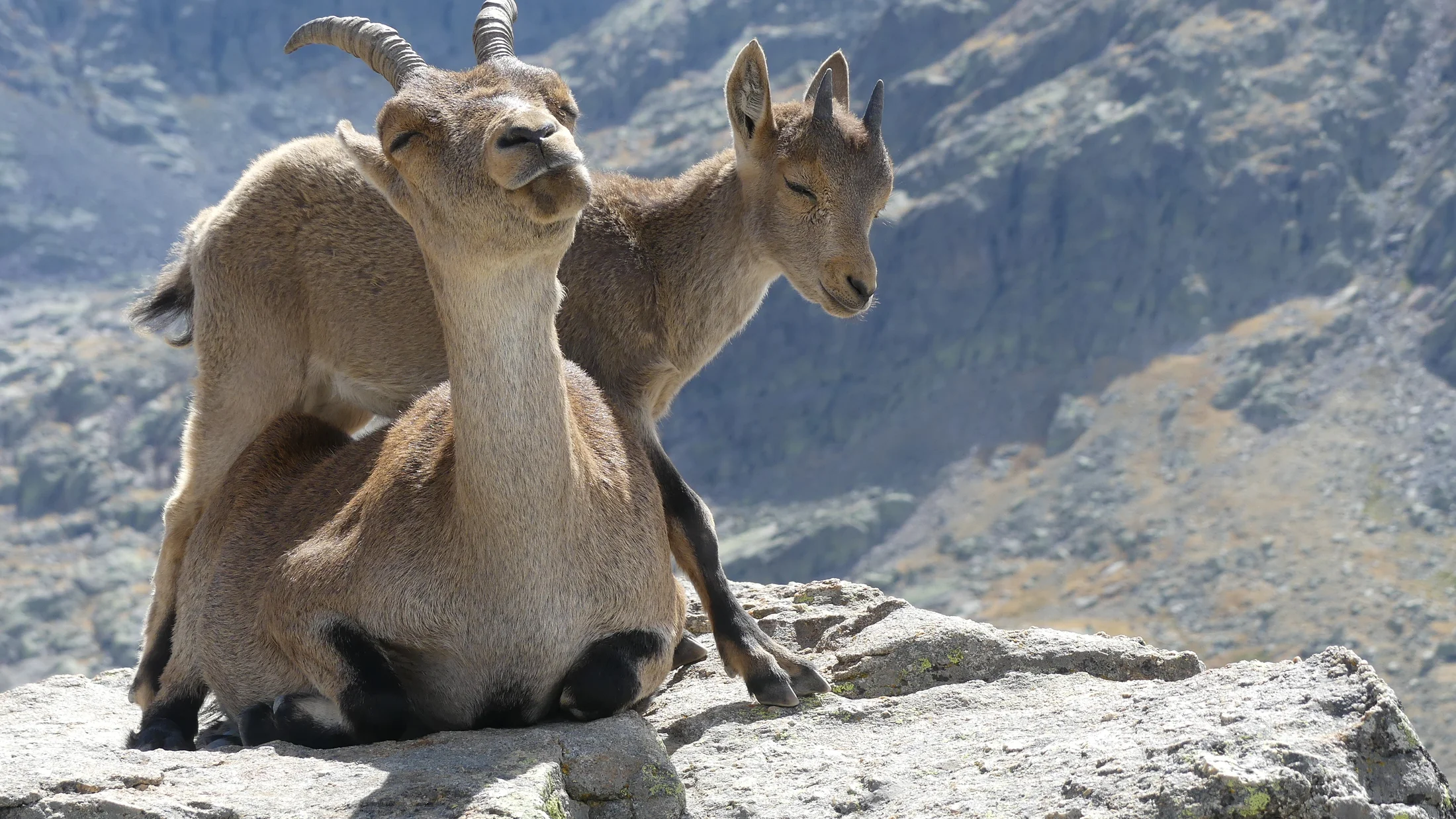
Summer opens high trails and long days, and you want to know where to see Spanish ibex in summer with real chances. In Spain’s mountains, Iberian ibex (Capra pyrenaica) and chamois (Rupicapra pyrenaica) shift higher with the heat, feeding in alpine meadows at dawn and dusk when temperatures drop. Picture a ridge turning gold at first light as silhouettes step over broom and granite.
You’ll find animals most active in the first two hours after sunrise and the last two before sunset, especially above 1,800–2,200 m in July and August. Summer access improves because snow is gone, pistes open, and services like mountain shuttles operate reliably. That means easier logistics but also more visitors, so timing and behavior matter. We focus on safe, low-impact outings that fit weekend escapes or a full week in the hills, with options from quick viewpoints to moderate hikes.
By the end, you’ll have seven proven locations, a simple interactive map to filter by species and access level, planning tips, and a FAQ. You’ll also see how to match your profile—photographer, family, or seasoned hiker—to each site and how to combine wildlife watching with local food, refuges, and rural stays that support mountain communities.
Summer behavior at a glance
Ibex and chamois reduce midday movement to avoid heat stress, concentrating feeding at crepuscular hours and on north or east-facing slopes that keep moisture longer. In practical terms, look for animals moving from rocky bedding areas to grassy patches at daybreak, and reversing at sunset. When thinking “dónde ver cabras montesas verano,” remember altitude matters: in hot spells, typical sightings climb above 2,200 m.
Weather still rules the day: sudden storms, wind, and haze can shut down visibility, while post-storm evenings often bring animals lower to fresh graze. Summer’s open tracks and operating cable cars expand coverage, but plan for early starts to stay ahead of both heat and crowds. Move quietly, stop often, and glass from distance to let animals choose the encounter.
How we chose these seven places
We prioritized five criteria you can apply anywhere:
- High encounter likelihood documented by park reports and ranger notes (Spanish National Parks Agency; regional park authorities).
- Safe, practical access in summer (shuttles, cable cars, marked trails).
- Species diversity or complementary experiences (scenic routes, refuges).
- Photographer-friendly vantage points with morning/evening light and safe distances.
- Low impact and clear rules (no feeding, stay on trail, group size limits).
To judge a destination, check official park advisories, seasonal access notices, and visitor centers, then cross-check with recent trip reports from naturalist associations. Confirm shuttles or cable car prices on official operators (e.g., Cantur for Fuente Dé; Ayuntamiento de Torla-Ordesa for Ordesa buses), and favor local guides accredited by the park.
Picuco te puede ayudar
Does something here catch your eye?
Tell us.
Write to us on WhatsApp or email: we answer questions, find the best options and help you sort out the booking.
Seven Outstanding Places to Spot Ibex and Chamois in Spain
1.Sierra de Gredos: Iberian ibex (ávila) — classic sightings and trails
Granite cirques, lagoons, and broomland make Gredos the textbook avistamiento cabra montés Gredos. At first light, whistles of kites and ibex hoofs on rock carry in the cool air.
- Where: Plataforma de Gredos car park (~1,750 m) and the Circo de Gredos (Laguna Grande) on the south face, Ávila.
- Species: Iberian ibex (Capra pyrenaica victoriae).
- Getting there: From Madrid (2.5–3 h) via
A-5to Ávila andN-110/AV-941to Hoyos del Espino, thenAV-931to the Plataforma. Limited parking; arrive before 8:30 to secure a spot in high season. - Costs: Small parking fee may apply at the Plataforma; local guiding half-day from 40–70 € p.p.—confirm on-site or via Picuco.
- Best summer window: June–September, with peak visibility at dawn and the last light; on hot days, look above 2,000 m and on east-facing slopes.
- Ideal for: Photographers and hikers who want ver cabra montés España with short-to-moderate effort.
What to do:
- Hike to Laguna Grande (6.5–7.5 km one-way, 500–600 m ascent, 3–4 h return); glass the flanks of Morezón and Los Barrerones.
- Use telephoto lenses (400–600 mm) from the trail; never cut switchbacks to approach animals.
- Keep 50–70 m minimum distance and yield if ibex approach—your stillness reduces stress.
Conservation and safety:
- Stay on marked paths to protect broomland soils; avoid rutting areas and crags that shelter nursery groups.
- Summer storms build fast; carry layers and enough water (at least 2 L per person) and a map/GPX.
2.Picos de Europa: Cantabrian chamois (asturias/cantabria/león) — lofty viewpoints and trails
Picos loom like a sea of limestone waves, and chamois dots appear as the morning mist lifts from karst hollows. A raven’s croak echoes off the walls.
- Where: Teleférico de Fuente Dé (Cantabria), Vega de Liordes cirque, upper Cares ridges near Caín and Poncebos, and Collado Jermoso area.
- Species: Cantabrian chamois (Rupicapra pyrenaica parva).
- Getting there: To Fuente Dé from Santander (2 h) or Oviedo (2.5 h) via
A-67/N-621. Cable car to El Cable station (~1,823 m). - Costs: Return ticket around 20–23 € adult; check Cantur. Local guiding 40–80 € p.p. Small fees for parking in peak season in some valleys.
- Best summer window: Late June–September; chamois spotting Picos de Europa is best at dawn/dusk near grass tongues between lapiaz (limestone pavement).
- Ideal for: Families using the cable car for quick altitude, and photographers seeking backdrops.
What to do:
- Short walks from El Cable to viewpoints over Vega de Liordes; scan shaded ledges at first sun.
- Cares Gorge path (moderate; 12 km one-way) offers cliff faces for glassing, but watch rockfall zones and turn back if storms build.
- For advanced hikers, the Collado Jermoso area gives wide ridgelines; hire a guide if unsure with exposure.
Conservation and safety:
- Terrain is steep and exposed; helmets recommended for photographers near rockfall funnels.
- Stick to existing paths to avoid eroding rare alpine flora; respect closures during breeding monitoring.
Keywords to integrate naturally: dónde ver rebecos España—here, your chance is strong, but patience and distance ethics matter.
3.Ordesa and Monte Perdido National Park: Pyrenean chamois (aragonese Pyrenees) — iconic viewpoints
Ordesa carves a grand U-shaped valley where waterfalls thread down striped cliffs, and at dusk small shapes step out onto ledges like notes on a staff. Pine resin scents the air.
- Where: Valle de Ordesa (Pradera–Circo de Soaso), Añisclo Canyon’s higher flanks, and Escuaín’s balconies for ver rebecos España with a big landscape.
- Species: Pyrenean chamois (Rupicapra pyrenaica pyrenaica).
- Getting there: Base yourself in Torla-Ordesa (Huesca). Summer access to the Valle de Ordesa is by shuttle bus from Torla’s parking (no private cars mid-season).
- Costs: Shuttle tickets typically 5–6 € per adult round trip; confirm with Ayuntamiento de Torla-Ordesa. Park guiding from accredited guides 45–80 € p.p.
- Best summer window: July–September, with crisp mornings after storms; glass north-facing shelves and meadow edges near upper Soaso.
- Ideal for: Walkers combining wildlife with classic scenery, and families comfortable with half-day trails.
What to do:
- Pradera to Circo de Soaso (17 km return; easy-moderate, gentle gradient); stop at the Gradas de Soaso and Cola de Caballo to scan the cliffs.
- Shorter, quieter: Escuaín balconies (miradores de Revilla) for sweeping views into chamois terrain.
- The
GR-11traverses the park; use short segments for early or late light.
Conservation and safety:
- Keep dogs leashed year-round; disturbance fines apply.
- Summer storms drop temperatures quickly; carry windproofs and check daily advisories from the park office.
4.Sierra Nevada National Park: Iberian ibex (granada/almería) — seeing ibex in the wild
Above treeline, Sierra Nevada’s dark dolerite and herb-sweet pastures hold agile ibex that appear and vanish between boulder fields. The sky feels close and dry.
- Where: High areas near Mulhacén (3,479 m), Veleta (3,398 m), Lomas del Dilar, and the Poqueira valley shoulders above 2,400 m.
- Species: Iberian ibex (Capra pyrenaica hispanica).
- Getting there: From Granada (1 h) via
A-395to Hoya de la Mora (2,500 m) for Veleta area; or from the Alpujarra (Capileira) for Mulhacén’s south approach. - Costs: Park shuttle buses typically run in summer: Hoya de la Mora–Posiciones del Veleta and Capileira–Alto del Chorrillo (around 10–14 €; confirm locally). Refuges 20–35 € pp/night; guided walks 45–90 € p.p.
- Best summer window: Late June–early September at dawn and evening; in heat waves, animals hold high until very late.
- Ideal for: Hikers with altitude readiness, and photographers wanting ver íbices en libertad with big mountain context.
What to do:
- From Hoya de la Mora, walk towards Posiciones del Veleta (easy-moderate; altitude demanding); scan shaded gullies and meadow tongues.
- From the south, take the shuttle to Alto del Chorrillo (2,700 m) and contour towards Siete Lagunas; glass the edges of snowmelt patches.
- Bring a 300–500 mm lens and binoculars (8x–10x); shoot from trail and let animals set the distance.
Conservation and safety:
- Altitude can cause headaches and dizziness; ascend gradually, hydrate, and retreat if symptoms persist.
- Summer weather swings: intense sun, afternoon storms, strong winds—carry layers, hat, SPF 50+, 2–3 L water.
5.Sierras de Cazorla, Segura y Las Villas Natural Park: Iberian ibex (jaén) — quieter trails and viewpoints
Juniper scent and the click of cicadas fill limestone ridges where small ibex bands browse in early light. A griffon vulture circles on a pale thermal.
- Where: Upper Guadalquivir viewpoints near Collado del Almendral, El Yelmo (Segura), Barranco del Guadalentín balconies, and quiet ridges above the Río Borosa.
- Species: Iberian ibex (Capra pyrenaica hispanica).
- Getting there: From Cazorla village into the park via
A-319; from Hornos to El Yelmo via local mountain roads. Distances are longer but roads are good. - Costs: Guided wildlife walks 35–70 € p.p.; rural stays vary widely—book early in August. No park entry fee.
- Best summer window: June–September; dawn in exposed limestone gives best contrast for spotting horns against light.
- Ideal for: Families and photographers seeking ver íbices en libertad without the crowds of larger national parks.
What to do:
- Sunrise from Collado del Almendral across open slopes; then walk short sections of the Río Borosa path (easy) scanning cliffs.
- El Yelmo’s accessible summit area offers broad views—glass ravines below the rim, and leave mid-morning before heat builds.
- Combine with botany: endemic plants bloom into early July along higher tracks.
Conservation and safety:
- Park rules prohibit drones; noise carries and stresses nursery groups.
- Summer fire risk is high; follow access advisories and never leave the track in fire closures.
6.Sierra de Guadarrama National Park: reintroduced ibex (madrid/segovia) — monitoring and responsible visits
Granite tors around La Pedriza and the airy crest of Peñalara host a thriving reintroduced ibex population that moves with the light. A breeze smells of warm rock and pine.
- Where: La Pedriza (Manzanares el Real), upper slopes of Siete Picos, and Peñalara massif above Puerto de Cotos.
- Species: Iberian ibex (Capra pyrenaica), reintroduced since 2013–2015 from Gredos stock (Community of Madrid; park technical reports).
- Getting there: From Madrid by car via
M-608to Manzanares el Real (La Pedriza) orM-607/CL-601to Puerto de Cotos; by train to Cercedilla (C-8) then bus to Cotos or Manzanares. - Costs: Some car parks charge in high season; guided outings 35–60 € p.p. No park entry fee. Reservations may be required for La Pedriza parking on peak days.
- Best summer window: June–September, dawn and sunset; in heat, animals shift to shaded slabs near streams.
- Ideal for: Day-trippers from Madrid, photographers, and families able to walk 3–8 km on rocky paths.
What to do:
- In La Pedriza, use signed circuits from Canto Cochino; glass shaded slabs and broom breaks.
- From Cotos, follow Peñalara trails to Laguna Grande (moderate; altitude ~2,000–2,200 m); scan below small cliffs and away from crowded miradores to minimize disturbance.
- “Mejores lugares ver cabras montesas” here often means stepping 10 minutes off the busiest node, then stopping to watch quietly.
Conservation and safety:
- Keep at least 25–30 m from ibex; don’t feed or touch—habituation leads to injuries and management conflicts.
- Summer weekend parking fills by 8:00; use public transport where possible to cut pressure on access roads.
7.Sierra de Béjar and Peña de Francia (salamanca): local populations — a less-touristed alternative
Oak uplands and quartzite peaks hide small ibex groups expanding from central systems, and silence returns quickly after dawn. Thyme brushes your ankles on narrow paths.
- Where: Sierra de Béjar–Candelario upper slopes (near La Covatilla ski area) and Peña de Francia crest and spurs.
- Species: Iberian ibex (Capra pyrenaica) with growing local presence documented by Castilla y León environment reports and ranger sightings.
- Getting there: From Salamanca (1.5–2 h) via
A-66to Béjar; access La Covatilla by mountain road. For Peña de Francia, head viaSA-203from La Alberca to the sanctuary car park near the summit. - Costs: No entry fees; rural lodging is excellent value in La Alberca, Candelario, and Béjar. Local guiding 30–60 € p.p.
- Best summer window: July–September, dawn and late evening; look along rocky ribs and scrub edges below the crests.
- Ideal for: Travelers wanting best places to see mountain goats in Spain without crowds, combining wildlife with village heritage.
What to do:
- From Candelario/La Covatilla, walk short ridgeline sections and glass slopes above 1,900 m.
- At Peña de Francia, step to signed viewpoints and scan buttresses below; move quietly between balconies and rest stops.
- Fold in rural tourism: markets, chestnut groves, and black hamlets (pueblos negros) sustain the culture that shapes these slopes.
Conservation and safety:
- Respect quiet hours in small villages; park only in signed areas near trailheads.
- Heat builds fast on bare ridges; carry sun protection, 2 L water, and avoid loose scree above drop-offs.
Map of Locations
Use the interactive map to plan quickly and avoid guesswork. A simple filter lets you sort by species (ibex or chamois), access level (roadside viewpoint, short walk, half-day hike), and distance from your closest city. Imagine drawing a faint blue line between dawn viewpoints, then tapping to see gradient, elevation, and a safe exit.
For each pin, you’ll see coordinates, the recommended observation window (dawn/dusk), typical parking or shuttle info, and brief notes on where to glass first. Tap a place like Fuente Dé to reveal the cable car station, nearby ridgelines, and a reminder about rockfall zones. Print the map with notes or download GPX to your phone so you can go offline before entering valleys with poor signal.
To build a multi-day plan, combine one sunrise wildlife stop with a midday siesta and an evening balcony closer to your lodging. Save your shortlists and share them with travel companions, or export a simple checklist with parking, shuttle times, and suggested turnaround times for safety.
Practical Tips for Choosing a Destination and Planning Your Visit
Pick a site that matches your group, fitness, and tolerance for heat. For families, Picos de Europa via Fuente Dé and Guadarrama’s Peñalara trails balance access and scenery; photographers may favor Gredos’ granite backdrops or Sierra Nevada’s high meadows; hikers who enjoy solitude should point to Cazorla or Sierra de Béjar. Think of effort versus reward: cable cars and shuttles give quick altitude, while quiet secondary ridges trade sweat for silence. One dawn sentence of stillness is worth more than three midday hours in harsh light.
Pack intentionally for Spain summer wildlife spots:
- Optics: 8x–10x binoculars; a 300–600 mm lens for detail; a beanbag or compact tripod for stability.
- Clothing: Breathable layers, sun hat, sunglasses, light gloves for chilly starts, and a windproof shell.
- Hydration and food: 2–3 L water per person, electrolyte tabs, and easy snacks; refill whenever you pass reliable sources.
- Navigation: Paper map plus phone mapping with offline tiles; a simple compass for quick bearing; spare power bank.
- Safety kit: Sunscreen SPF 50+, basic first aid, space blanket, whistle, and headlamp even for dawn returns.
- Extras: Lens cloths (dust), gaiters (scree), and a sit pad for long glassing stops.
Plan around the best hours. Dawn and the last 90 minutes of daylight multiply sightings and give soft, directional light for photography. Midday heat flattens contrast and pushes animals to shade, so use those hours for rest, village visits, or shaded forest walks. If you only have midday, choose high north-facing slopes and scan shadow lines.
Logistics reduce stress:
- Reservations: Book shuttles or parking where required (Torla–Ordesa buses; La Pedriza parking quotas).
- Guides: Local, accredited guides increase your wildlife watching ibex Spain success rate and help with behavior and distance ethics.
- Lodging: Rural casas and small hotels keep pre-dawn drives short and support local economies; ask hosts about current sightings.
- Permits and rules: Check park advisories daily in summer—storm alerts, fire risk closures, or conservation restrictions can change access.
Practice low-impact watching:
- Keep distance: 30–70 m; longer for nursery groups. If an animal looks at you repeatedly or changes direction, you’re too close.
- Stay on paths and stable rock; trample-resistant spots protect alpine plants.
- No feeding, no calling, no drones. Silence is your best tool and a sign of respect.
- Move predictably, yield on narrow ledges, and give livestock room, greeting shepherds who work these mountains year-round.
Frequently Asked Questions
When is the best time to see Spanish ibex in summer?
Go at dawn and in the last 90 minutes before sunset. Heat drives ibex to rest midday at higher, shaded ledges, so crepuscular hours bring them to graze on open slopes. After afternoon storms, a clear evening can be exceptional.
Do I need a guide or a permit?
Permits aren’t required for the featured places, but summer access may rely on shuttles or cable cars (Ordesa bus; Fuente Dé). A local, accredited guide improves spotting, teaches behavior, and keeps impact low—especially valuable if you’re choosing where to see ibex Spain for the first time.
Is it dangerous to approach ibex or chamois?
Close approaches are risky for them and you. Keep 30–70 m, never corner animals, and step off the line if they choose to pass. Males can be assertive in autumn rut; in summer, the main risk is slips on rock if you try to close the distance.
What photographic gear should I carry?
A 300–600 mm lens, 8x–10x binoculars, spare batteries, and a beanbag or compact tripod. Polarizers help with glare on pale limestone; hoods help in harsh sun. For weight-sensitive hikes, a 100–400 mm zoom and monopod strike a good balance.
How does summer affect sightings?
Animals hold higher and compress activity to cool hours. That means early alarms, shade-sensitive route choices, and more reliance on cable cars or shuttles to reach altitude. On very hot days, prioritize north/east aspects and wind-exposed ridges.
Can I go without a car?
Yes in several places. Use trains/buses to Cercedilla and a bus to Cotos (Guadarrama), buses to Torla plus park shuttles (Ordesa), and regional buses plus the cable car at Fuente Dé. Rural transfers or guides can fill last-mile gaps.
Are these areas family-friendly?
Select routes with modest elevation gain and reliable footing. Fuente Dé’s upper station area, Ordesa’s valley floor, and Guadarrama’s Laguna Grande paths work well. Start early, pack snacks and water, and keep outings to 2–4 hours.
Book your experience — discover nature and active travel in Spain with Picuco-verified providers.
Conclusion
You now know the high-probability places for each species: Gredos and Guadarrama for ibex close to Madrid, Sierra Nevada and Cazorla for ver íbices en libertad at altitude or on quieter trails, and Picos de Europa and Ordesa for summer chamois in grand limestone. Choose routes that match your group, aim for dawn and dusk, and build in rest and shade for midday. One clear plan beats three improvised ones when mountains and heat set the rhythm.
Next steps are simple: open the map, shortlist two dawn spots near your lodging, and check any shuttle or parking reservations. Touch base with park visitor centers or local guards for current conditions, and consider a certified local guide for your first outing. Support the communities who keep these landscapes alive by staying in rural lodgings and buying locally. If you want more ideas on where to see Spanish ibex in summer and beyond, keep exploring Picuco’s regional articles and seasonal wildlife picks—Spain’s high country has room for many quiet dawns.