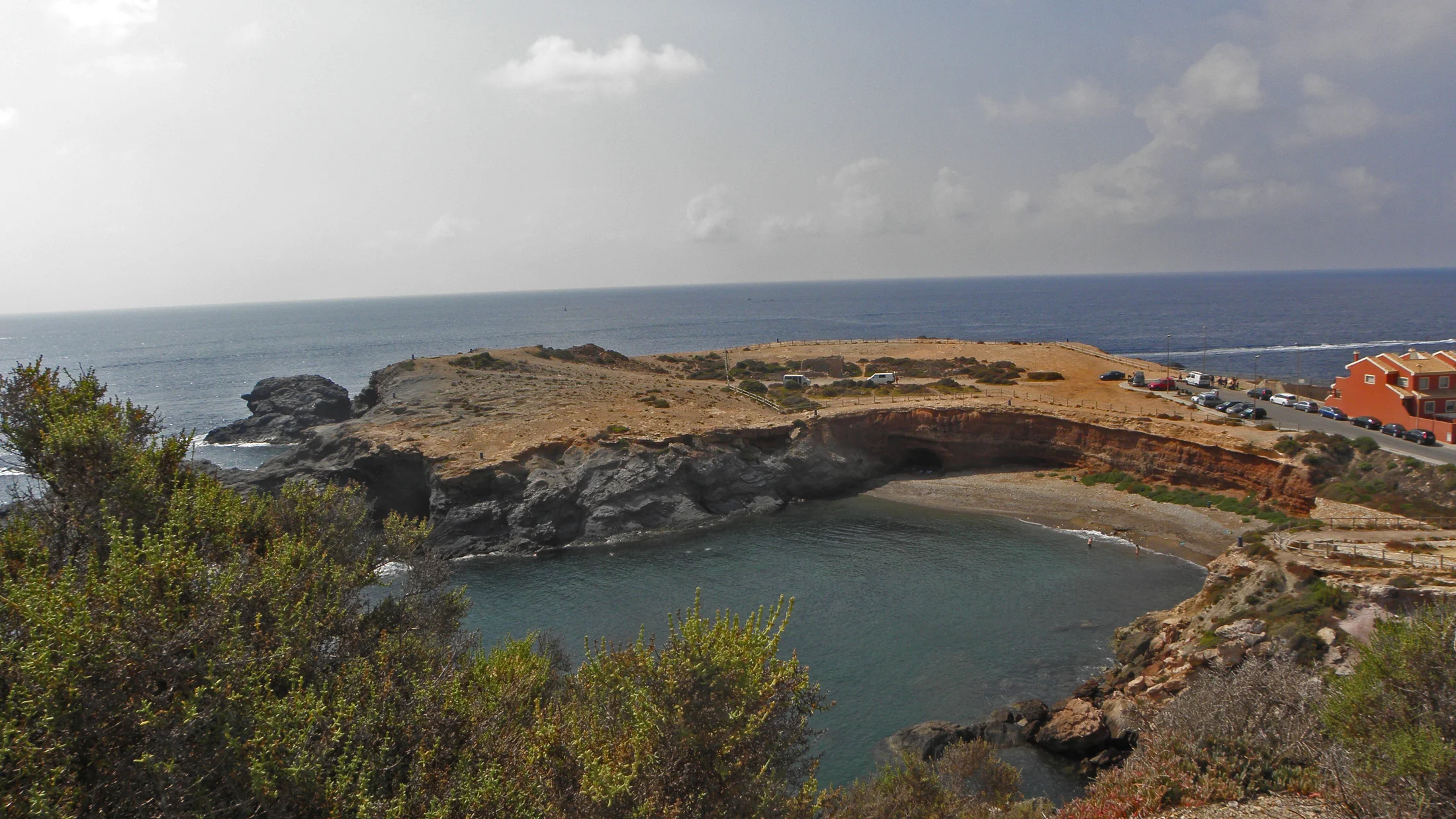
The Cabo de Palos and Islas Hormigas marine reserve, in Cartagena, protects an underwater natural space with posidonia meadows and coral colonies. In El Hierro, the La Restinga - Mar de las Calmas Marine Reserve occupies the southern coast of the island. These are two of the destinations that meet the conditions for an advanced diver to continue progressing.
Cabo de Palos and Islas Hormigas Marine Reserve: authorisation, quotas and certification for diving
Beneath the waters of Cartagena, posidonia meadows and coral colonies in a good state of conservation extend outwards. The reserve covers about 19 km² in the Región de Murcia and concentrates a great biological diversity. To dive here you need express authorisation from the Dirección General de Ganadería y Pesca, and that authorisation is conditional on presenting a diving certificate as indicated in Annex II of Decreto 69/2001. The reserve also sets quotas, seasons and rules for dives, so it is advisable to get informed before closing the dates. If you want to prepare your certification in advance, Picuco organises the Diving course in Cabo de Palos with certification.
Picuco te puede ayudar
Does something here catch your eye?
Tell us.
Write to us on WhatsApp or email: we answer questions, find the best options and help you sort out the booking.
La Restinga - Mar de las Calmas Marine Reserve: volcanic bottoms of more than 300 metres in El Hierro
El Hierro is an island of volcanic origin, and that is noticeable in the profile of its bottoms: the reserve reaches depths of more than 300 metres. Created in 1996, it occupies 1,180 hectares and is the southernmost marine reserve in Europe. The almost total algal coverage, combined with the variety of its bottoms, sustains high biodiversity. To start getting to know it under supervision, Picuco organises the Diving baptism in the La Restinga Marine Reserve, El Hierro.
Cabo de Gata-Níjar Natural Park: the Arna shipwreck and the park's protection status
The Arna shipwreck, also known as Vapor de Cabo de Gata, is one of the best-known shipwrecks in the park and a dive loaded with history. The space affects the municipalities of Almería, Níjar and Carboneras and accumulates several protection statuses: in addition to being a Natural Park, it is a Biosphere Reserve, Geopark and Special Protection Area for birds. All that protection dictates how you dive in the area, so it is advisable to review the park's rules before planning the dive. To gain experience before tackling a shipwreck, in the Almería levant, Picuco organises the SSI advanced diving course in San Juan de los Terreros.
Puerto del Carmen: guided diving in Playa Chica, in Tías (Lanzarote)
Puerto del Carmen is a town in the municipality of Tías, on the island of Lanzarote, within the province of Las Palmas. In Playa Chica you have a guided dive to continue gaining experience with a professional by your side. Picuco organises the Guided diving in Playa Chica, Puerto del Carmen there.
Frequently asked questions
Where to do technical diving in Spain?
The Medas Islands are a marine reserve destination with walls, caves and Mediterranean fauna. In the La Restinga - Mar de las Calmas Marine Reserve, in El Hierro, the bottoms reach depths of more than 300 metres. In the Cabo de Gata-Níjar Natural Park you can dive the Arna shipwreck, also known as Vapor de Cabo de Gata.
Which shipwrecks can be dived in Spain?
In the Cabo de Gata-Níjar Natural Park is the Arna shipwreck, also called Vapor de Cabo de Gata, one of the best-known shipwrecks in the park.
Are there underwater caves for diving in Spain?
The Medas Islands are a marine reserve destination with walls, caves and Mediterranean fauna.
Where are there deep dives in Spain?
The La Restinga - Mar de las Calmas Marine Reserve, in El Hierro, reaches depths of more than 300 metres as it is an island of volcanic origin.
What qualification and permits are required to dive in the Cabo de Palos and Islas Hormigas Marine Reserve?
Express authorisation from the Dirección General de Ganadería y Pesca is required. This authorisation is conditional upon presenting a diving qualification as indicated in Annex II of Decreto 69/2001. The reserve establishes quotas, seasons and rules for underwater diving authorisations.