Why Spain Belongs On Your Dive List
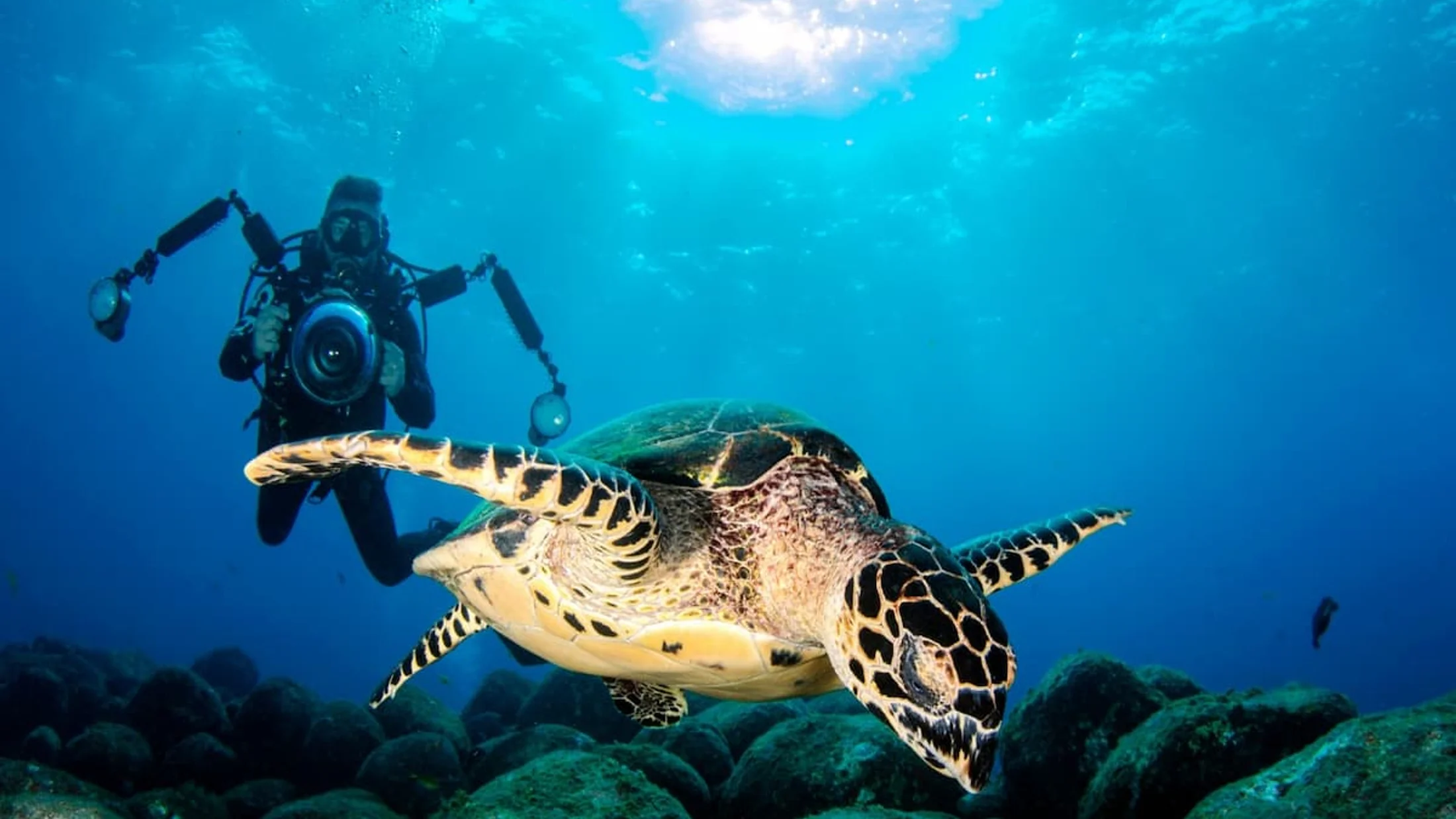
Spain’s coasts and islands make scuba diving in Spain stand out for sheer variety and access. You can explore Mediterranean walls draped in Posidonia seagrass one day and glide through Atlantic kelp forests the next. The Canary Islands add lava tunnels and tropical visitors to the mix, turning a week’s holiday into a tour of underwater biomes. Sunlight shimmers like scales on the surface as you roll back into clear blue.
Why dive in Spain
If you want reliable conditions, living reefs and history-rich wrecks, Spain delivers across two seas and two archipelagos. The Mediterranean offers warmer waters, calmer seas and clearer visibility, with hotspots like Cabo de Palos and the Illes Medes inside protected areas. The Atlantic reveals colder, nutrient-rich water and rugged seascapes in Galicia and the volcanic Canary Islands, where pelagic life is common year-round. Spain’s network of marine reserves and national parks includes Tabarca, Cabrera and Columbretes, managed by regional authorities and MITECO (Spain’s environment ministry). For scuba diving Spain is a rare blend: you get Mediterranean diving Spain with walls, caves and wrecks, plus Atlantic diving Spain with kelp, upwellings and larger fish. As a bonus, most sites are within easy reach of coastal towns, ferries or short boat rides, so you can plan flexible itineraries.
How we chose these sites and what to expect
We selected these 10 destinations using five criteria: safety (predictable logistics and reputable operators), biodiversity (iconic species or habitats), accessibility (proximity to ports and services), conservation (protected status or good management), and recreational value (photography, wrecks, snorkelling for non-divers). Each spot below includes concise, practical details: location, why it’s special, approximate prices for a discover dive and guided boat dives, the best time to go, recommended level, and standout activities. One sentence paints a quick sensory picture, then bullets get you straight to planning. Always confirm current prices and permits on the operator’s site or compare options on Picuco.
Picuco te puede ayudar
Does something here catch your eye?
Tell us.
Write to us on WhatsApp or email: we answer questions, find the best options and help you sort out the booking.
The 10 Best Dive Spots In Spain
1.Cabo de Palos (murcia): marine reserve and storied shipwrecks
Cabo de Palos–Islas Hormigas is a protected reserve famed for towering pinnacles, dense shoals and some of the most notable shipwrecks in Spain. The Hormigas islets sit a short boat ride from the port, with drop-offs, canyons and frequent barracuda and grouper encounters that make it a benchmark for Mediterranean diving Spain. On calm days, silver curtains of baitfish ripple over volcanic rock.
- Location: Cabo de Palos, Murcia (Mediterranean)
- Why it’s special: Reserve status, dramatic seamounts, and renowned wrecks like local merchant steamers and freighters at depth
- Access: Daily boats in season from Cabo de Palos harbour; reserve rules limit numbers
- Prices (guide): Discover dive 70–95 €; guided boat dive 40–65 € per tank; confirm with local operators
- Best time: May–October for warmer water and calmer seas; winter offers fewer crowds but cooler temps
- Level: Intermediate to advanced; deeper wrecks often require advanced certification and experience with currents
- Highlights: Wreck tours, wide-angle photography, schooling barracuda, dusky groupers; snorkelling possible near shore
Why it ranks: Excellent conservation, ongoing enforcement and consistent pelagic life make it one of the best dive sites Spain can offer for both marine life and wreck lovers.
2.Illes Medes (girona): biodiversity on protected walls
The Medes Islands, a small archipelago off l’Estartit, are a strict marine reserve with thriving grouper populations, dusky chromis clouds and colorful nudibranchs. Expect caverns, arches and steep walls lush with gorgonians, where currents bring life but dives remain manageable with guidance. A grouper’s eye follows you like a calm guardian in the blue.
- Location: L’Estartit, Girona (Catalonia, Mediterranean)
- Why it’s special: Decades of protection; emblematic Medes groupers, gorgonians, and healthy fish biomass
- Access: Frequent boats from l’Estartit; limited moorings regulate site pressure
- Prices (guide): Discover dive 70–95 €; guided boat dive 40–65 € per tank; double-check reserve surcharges
- Best time: Late spring to early autumn; October–November can be superb visibility with fewer boats
- Level: All levels, with beginner-friendly sites and advanced wall/cavern routes
- Highlights: Macro and wide-angle photography, cavern swim-throughs like the Vaca tunnel, family snorkelling near shore
Why it ranks: As one of the best dive sites Spain has for biodiversity, Illes Medes showcases what long-term protection can achieve in Mediterranean diving Spain.
3.Columbretes (castellón): volcanic islands and pristine bottoms
Far from the bustle of the mainland, the Columbretes Islands are a volcanic archipelago with crystal water, black lava formations and lively drop-offs. Limited access preserves fish life, and boat trips add an expedition feel to each outing. The sea feels glassy and deep, with dark lava steps fading into cobalt.
- Location: Off Castellón coast (Valencian Community, Mediterranean)
- Why it’s special: Remote volcanic setting, excellent visibility, schooling fish and gorgonians
- Access: Full-day boat trips from Castellón or Alcossebre; permits and reserve rules apply
- Prices (guide): Full-day two-tank trips 110–160 €; single guided dive 50–70 €; confirm availability and fuel surcharges
- Best time: June–September for calmer seas; shoulder months can be weather-dependent
- Level: Intermediate; exposed conditions, occasional currents, and open-sea logistics
- Highlights: Wall dives, macro hunting on lava, wide-angle reefs, occasional pelagics; limited snorkelling due to exposure
Why it ranks: Its remoteness, reserve status and lava geology offer some of the most exclusive Mediterranean diving Spain can deliver.
4.Isla de Tabarca (alicante): clear, accessible Mediterranean
Tabarca, Spain’s first marine reserve, lies a short ferry ride from the Costa Blanca and offers gentle walls, sandy channels and seagrass prairies with bright blue water. Conditions are beginner-friendly, and families can mix snorkelling with first dives in protected bays. Sunlight fans across pale sand channels like theatre spotlights.
- Location: Off Santa Pola/Alicante (Valencian Community, Mediterranean)
- Why it’s special: Spain’s pioneering reserve, consistent clarity, easy entries and Posidonia meadows
- Access: Regular ferries; dive boats operate from Santa Pola and Alicante
- Prices (guide): Discover dive 60–85 €; guided boat dive 35–60 € per tank; confirm reserve fees in season
- Best time: May–October; midsummer offers warmest temps, spring and autumn bring milder crowds
- Level: Beginner to intermediate; perfect for training and relaxed reef dives
- Highlights: Snorkelling safaris, seagrass ecology, gentle drifts; photography for beginners
Why it ranks: It’s one of the best dive sites Spain offers for new divers and mixed groups seeking easy Mediterranean diving and clear water.
5.Cabrera (balearic Islands): national park, pristine waters
Cabrera Archipelago National Park protects an underwater realm of Posidonia, limestone walls and relaxed drifts over undisturbed seafloors. Strict limits on moorings and visitors keep fish wary and reefs intact, offering a Balearic experience that feels remote yet reachable. In calm bays, the water glows an impossible sapphire under white cliffs.
- Location: South of Mallorca (Balearic Islands, Mediterranean)
- Why it’s special: Spain’s national park status, rigorous quotas and prime Posidonia beds
- Access: Licensed boats from Colònia de Sant Jordi; bookings required well in advance
- Prices (guide): Two-tank day trips 120–170 €; single guided dive 55–75 €; national park permits may add costs
- Best time: June–September for stable seas; late spring and early autumn for fewer boats
- Level: All levels, with routes for training and advanced walls
- Highlights: Pristine Posidonia, barracuda schools, gentle drifts, balanced for macro and wide-angle shooters
Why it ranks: Conservation first—Cabrera proves how managed pressure yields clear water, stable fish life and memorable Mediterranean diving Spain experiences.
6.Cabo de Gata (almería): arches, caves and volcanic coast
Cabo de Gata–Níjar’s volcanic coastline carves arches, swim-throughs and caverns into a rugged marine reserve. The geology creates dramatic light-and-shadow dives, with occasional swell and brisk thermoclines keeping conditions dynamic. Inside a lava arch, the sea turns cathedral-dark then opens to sunlit blue.
- Location: Almería (Andalusia, Mediterranean)
- Why it’s special: Volcanic geology, protected area, photogenic rock features and gorgonians
- Access: Boats from San José, Las Negras and Carboneras; some shore dives in calm conditions
- Prices (guide): Discover dive 60–85 €; guided boat dive 40–65 € per tank; confirm seasonal fuel/park supplements
- Best time: May–October; winter brings cooler water and windier windows
- Level: Beginner to advanced; cavern/more complex routes for trained divers only
- Highlights: Cave and arch photography, macro on walls, mixed shore-and-boat options; snorkelling from sheltered coves
Why it ranks: Consistent structure-rich dives and protected status put it among the best dive sites Spain has for photographers and curious explorers.
7.La Restinga, El Hierro (canary Islands): blue water, lava tunnels, pelagics
At Spain’s southwestern edge, El Hierro’s La Restinga offers calm harbour logistics and fast access to deep blue over volcanic slopes. Expect tunnels, black sand, occasional thermoclines, and pelagics drawn by nutrient-rich upwellings. In the blue, a manta-like shadow can bloom from empty water without warning.
- Location: La Restinga, El Hierro (Canary Islands, Atlantic)
- Why it’s special: Canary Islands diving with lava topography, oceanic depth close to shore, frequent rays and barracuda
- Access: Short boat rides from La Restinga; marine reserve rules and local caps apply
- Prices (guide): Discover dive 70–100 €; guided boat dive 45–70 € per tank; packages reduce per-dive cost
- Best time: Year-round; September–November often gives warm water and excellent visibility
- Level: Intermediate to advanced; currents and depth can be challenging
- Highlights: Blue-water drifts, lava tunnels, ray encounters, turtle sightings; superb wide-angle
Why it ranks: For buceo Canarias, El Hierro is legendary—wild blue, minimal crowds and high chances of big-animal moments in scuba diving Spain.
8.Los Gigantes, Tenerife (canary Islands): sheer walls and big-fish moments
Beneath the 600 m cliffs of Los Gigantes, drop-offs run from sunlight to dark blue, with bream, trumpetfish and barracuda common and rays frequenting sandy tongues. The setting is dramatic and accessible, perfect for pairing family holidays with serious dives. Waves slap the base of the cliffs like a steady drum.
- Location: West Tenerife (Canary Islands, Atlantic)
- Why it’s special: Monumental walls, reliable visibility, and a mix of macro and pelagic life
- Access: Boats from Los Gigantes, Playa San Juan and nearby marinas
- Prices (guide): Discover dive 70–100 €; guided boat dive 45–70 € per tank; multiday passes available
- Best time: Year-round; late summer to autumn is warmest with stable trade winds
- Level: All levels; exposed sites with current suit advanced divers
- Highlights: Wall dives, ray cleaning stations, turtle encounters, wide-angle portraits; snorkelling for non-divers
Why it ranks: It’s classic Canary Islands diving with photogenic walls and strong logistics—a top pick in Atlantic diving Spain for mixed groups.
9.Museo Atlántico and reefs, Lanzarote (canary Islands): art beneath the sea
Lanzarote’s Museo Atlántico places sculptural installations on the seafloor, adding a cultural layer to easy, well-guided dives. Nearby reefs and lava platforms extend the day with arches, sand slopes and angelshark sightings in season. The statues emerge from the blue like a silent crowd.
- Location: Playa Blanca area, Lanzarote (Canary Islands, Atlantic)
- Why it’s special: Europe’s first underwater sculpture museum plus accessible reefs and seasonal angelsharks
- Access: Boats from Playa Blanca; museum entry follows set routes and guidelines
- Prices (guide): Museum dive 55–85 €; standard guided boat dive 40–65 € per tank; check museum fees
- Best time: Year-round; winter can bring angelsharks on sand flats
- Level: Beginner to intermediate; museum depth is friendly for training
- Highlights: Underwater art, wide-angle reef scenes, macro on lava, snorkelling options for companions
Why it ranks: Combining art and ocean makes this one of the most memorable experiences among the best dive sites Spain can offer for first-timers and returning divers.
10.Islas Cíes (galicia): kelp gardens, cool water and Atlantic wrecks
Part of the Atlantic Islands of Galicia National Park, the Cíes offer granite reefs, kelp forests and crisp, cool water with changeable visibility. Conditions feel wilder than the Med and reward planning with authentic Atlantic character. Kelp ribbons sway like green pennants in the swell.
- Location: Off Vigo, Pontevedra (Galicia, Atlantic)
- Why it’s special: National park status, kelp habitats, granite topography, nearby wrecks and caves
- Access: Seasonal boats from Vigo/Baiona; visitor quotas apply; weather dictates schedules more than the Med
- Prices (guide): Discover dive 65–95 €; guided boat dive 40–65 € per tank; park logistics may add costs
- Best time: July–September for calmer seas and warmer temps; spring/autumn can be wilder but scenic
- Level: Intermediate; cold water (thermoclines), surge and variable viz
- Highlights: Atlantic wreck dives, kelp photography, macro on granite, advanced cave routes with proper training
Why it ranks: For buceo Atlántico, the Cíes embody Galicia’s raw, seasonal beauty and add shipwrecks in Spain to complete your national circuit.
Where Everything Is: Interactive Map And How To Use It
You’ll find an interactive map with every spot in this list plotted and color-coded by region and sea. It includes layers you can toggle for dive type (wall, wreck, cavern, seagrass), recommended level (beginner, intermediate, advanced), and access (shore, short boat, full-day boat). For each marker, an info panel summarizes depth range, typical visibility, currents, and any permit or park requirements. The sensation of planning feels like charting a small expedition, with the coastline unfurling as you layer detail.
Practical ways to use it:
- Filter by sea to compare Mediterranean diving Spain vs Atlantic diving Spain at a glance.
- Show only beginner-friendly dives if you’re booking a first course or travelling with new divers.
- Toggle “wrecks” to highlight shipwrecks in Spain, then shortlist sites with operators running regular wreck trips.
- Turn on “season” shading to see when each area peaks (e.g., El Hierro late summer/early autumn; Med mid-summer through October).
Planning suggestions:
- Start with your travel window, then filter the map for best-month matches.
- Layer “access” to see which sites fit your schedule—short boat hops (Tabarca, Medes) versus full-day runs (Columbretes).
- Save markers as a route—e.g., Alicante to Murcia in three days—or switch to island clusters like Mallorca to Cabrera.
- Use coordinates in each panel to load pins into your phone’s maps or your dive computer planner; if coordinates are listed as ranges, operators will confirm exact mooring on the day.
Implementation notes for the site experience: the map can be embedded with an interactive legend, and each marker should link to Picuco’s regional pages and activity listings for up-to-date availability. That way, you can jump from map pin to booking in two clicks without losing your filters. The map is designed to help you visualize trade-offs—warmer water and steadier viz in the Med versus the richer, cooler Atlantic—and settle on a plan that suits your level, interests and timing.
How To Choose Your Spot And Dive Center
Begin with your certification and recent experience; then match conditions. If a card says “Advanced,” but you haven’t dived for a year, choose a conservative site with easy exits and low current. A single sentence in a center’s brief—“moderate current, surge at the arch”—should steer your plan. The feeling to aim for is calm curiosity, not scraping through a challenging drift.
Read listings like a pilot:
- Level: Confirm minimum certification and recent experience requirements; ask about refresher options.
- Visibility: Typical range and best months; lower viz isn’t bad, but it changes the photography plan.
- Currents and surge: When and where they bite; ask if there are sheltered alternatives.
- Depth range: Ensure no-decompression limits fit the proposed profile.
Key questions for the dive center:
- Instructor ratio: For training, look for about 2–4 students per instructor, depending on agency standards.
- Boat capacity and briefing style: Smaller groups often mean calmer briefings and smoother entries.
- Equipment: Year of service for regulators and tanks; availability of 5–7 mm suits or semidry in shoulder seasons; nitrox options.
- Safety: Oxygen on board, first-aid kit, radio; emergency action plan and nearest chamber details.
- Conservation: Park permits handled? Mooring use instead of anchoring? No-touch, no-feed policies?
Certifications and insurance:
- Agencies: PADI, SSI, CMAS and others are widely recognized; request a checkout dive if you’re rusty.
- Insurance: Many regions require dive insurance; centers can arrange daily/weekly cover.
- Medical: Self-declaration forms are common; bring any necessary physician clearance.
A simple rule: if answers are vague, keep browsing. Compare options and dates on Picuco, then book where transparency, safety and respect for local rules are obvious.
Gear, Rates And Logistics For Diving In Spain
You can rent everything at major hubs, but bringing core gear improves fit and comfort. In summer Med waters, a 5 mm suit works; in spring/autumn or Galicia, add a hooded vest or go 7 mm/semidry. In the Canaries, many divers are happy in 5–7 mm year-round. Cold creeps in from the neck and wrists first, like a quiet tide.
Essentials and nice-to-haves:
- Essentials: Mask and snorkel, fins, boots, exposure suit (5–7 mm), regulator with octopus, BCD, weights, computer, SMB and whistle.
- Optional: Reef-safe torch, macro/wide lenses and strobes, gloves where permitted, hooded vest, spare mask strap.
- Camera rules: Ask before carrying strobes into reserves; some parks limit gear or group sizes.
Typical inclusions and rentals:
- Guided dive price usually covers tank, weights, boat and guide; full kit rental adds 15–30 € per dive.
- Discover scuba (baptism) includes equipment, pool/shore session and a short sea dive where allowed.
- Courses (Open Water, Advanced) run 320–550 € depending on location and season.
Price ranges by region (approximate):
- Mediterranean mainland: Guided boat 35–60 € per tank; discover 60–90 €.
- Balearic Islands: Guided 45–70 €; discover 70–100 €; national park days cost more.
- Canary Islands: Guided 45–70 €; discover 70–100 €; packages reduce cost.
- Galicia/Atlantic north: Guided 40–65 €; discover 65–95 €; drysuit rentals limited.
Logistics tips:
- Peak season is June–September; pre-book boats and permits for Med reserves and Balearic parks.
- Ferries: Check island timetables and baggage allowances for gear boxes.
- Weather holds: Build buffer days for Columbretes, Galicia and exposed Canary sites.
- Savings without shortcuts: Book multi-dive packages, bring your mask/wetsuit for fit, and choose midweek dates. Always confirm current prices with operators or compare options on Picuco before committing.
Best Time To Dive By Region
Spain spans climates, so timing matters. Pick months for your target—warmth, pelagics, wrecks or macro—and you’ll get better dives for the same effort. A good plan feels like catching a tide of conditions rather than fighting it.
| Region | Water temp (°C) | Typical visibility | Best months | Notes |
|---|---|---|---|---|
| Cabo de Palos (Murcia) | 15–26 | 15–30 m | Jun–Oct | Autumn often clearest; wrecks need calm days |
| Costa Brava: Illes Medes | 14–24 | 12–30 m | May–Oct | Late season sees fewer boats, clear walls |
| Columbretes (Castellón) | 15–25 | 20–35 m | Jun–Sep | Weather windows key; reserve logistics |
| Tabarca (Alicante) | 16–26 | 15–30 m | May–Oct | Ideal for training and snorkelling |
| Cabrera (Balearics) | 15–26 | 20–35 m | Jun–Sep | Book permits early; pristine Posidonia |
| Cabo de Gata (Almería) | 14–25 | 12–25 m | May–Oct | Swell affects arches; early starts calmer |
| Canary Islands | 18–24 | 15–40 m | Year-round | Sep–Nov warm/clear; winter angelsharks |
| Galicia: Islas Cíes | 12–19 | 8–20 m | Jul–Sep | Upwellings cool water; kelp in season |
Seasonal considerations:
- Jellyfish: Sporadic Med blooms in summer; wear full suits and carry vinegar at the center.
- Thermoclines: Expect sharp drops in spring and early summer; plan suit thickness accordingly.
- Currents: Canary Islands sites can run; guides plan around tides and wind.
- Photography: Late summer to autumn balances warmth and clarity; winter macro can sparkle with fewer particles.
- Wrecks: Choose shoulder-season weekdays for calmer seas and quieter moorings.
Conservation And Good Practices Underwater
Spain’s reserves and parks exist because local communities, scientists and fishers fought to protect their waters. Respect their work by diving light and leaving no trace. The hush underwater asks the same of everyone—move slowly, touch nothing, and let fish do the approaching.
Core rules that matter:
- Control buoyancy; avoid fin kicks over Posidonia or kelp beds.
- No-touch, no-collect, no-feed; don’t handle octopus, seahorses or urchins.
- Use moorings when provided; never drop anchor on seagrass.
- Keep group sizes small in caverns and wrecks; silt ruins both habitat and visibility.
- Lights and strobes: respect guidelines in reserves; avoid blinding wildlife.
Choose centers that support science and heritage:
- Ask about mooring use, beach cleanups and data projects (e.g., citizen science for temperature or species logs).
- Wreck etiquette: follow lines, avoid penetration without training, and never remove artifacts; Spain protects underwater cultural heritage by law.
- Join volunteer days: seagrass mapping, ghost net removals or coastal cleanups are widely organized with local NGOs and town councils.
Good diving keeps sites photogenic and fish-rich for the next visit—and maintains the pride of the coastal families who depend on healthy seas.
Frequently Asked Questions
What certification do I need to dive these sites?
For guided recreational dives, Open Water (or equivalent) covers many routes, while Advanced is recommended for deeper walls, currents or wrecks. Discover dives need no certification but stick to training limits with an instructor.
What is the minimum age for a discover dive in Spain?
Most agencies allow try-dives from 10 years old, with depth and time limits; some programs accept younger children in pool conditions. Confirm local rules and parental consent forms with your chosen center.
Do I need dive insurance in Spain?
Many regions and operators require it, and centers can arrange daily or weekly cover. Insurance typically includes hyperbaric treatment and evacuation; check limits for cameras or rented gear.
Do I need permits for marine parks or wrecks?
Some reserves and parks (e.g., Cabrera, Columbretes) control access via permits and quotas handled by operators. Certain historic wrecks fall under cultural heritage laws; your guide will brief you on routes and restrictions.
What visibility should I expect by Region?
The Med often runs 15–30 m in summer and early autumn; the Canaries see 15–40 m year-round depending on plankton and wind; Galicia ranges 8–20 m with seasonal upwellings. Local wind and swell can swing these numbers weekly.
Can non-divers join or snorkel at these spots?
Yes—many sites offer snorkelling safaris and boat seats for companions. Tabarca, Medes and parts of Tenerife are ideal mixed-group destinations; rougher sites like Columbretes depend on weather windows.
How do I compare centers and book responsibly?
Look for transparent briefings, clear ratios, oxygen on board and conservation practices. Compare dates and packages on Picuco’s activity pages, then confirm exact inclusions, insurance and any park fees before paying.
Book your experience — discover outdoor activities in Spain with providers verified by Picuco.
Conclusion
From seagrass prairies in the Med to Atlantic kelp gardens and volcanic tunnels in the Canaries, scuba diving in Spain packs ocean variety into short travel distances. These ten sites shine for conservation, biodiversity and logistics, whether you’re planning your first mask-fogged smile or chasing perfect blue for wide-angle shots. The quiet under the surface is shared by fishers, rangers and divers who care about these coasts.
Choose your season, match your level and reserve with centers that respect local rules and habitats. If a spot here sparked your curiosity, compare dates and packages on Picuco, then tell us about your dive or suggest another favorite in the comments. Good stories grow the map for everyone who follows.