Why Monfragüe Calls Birdwatchers From Across Europe
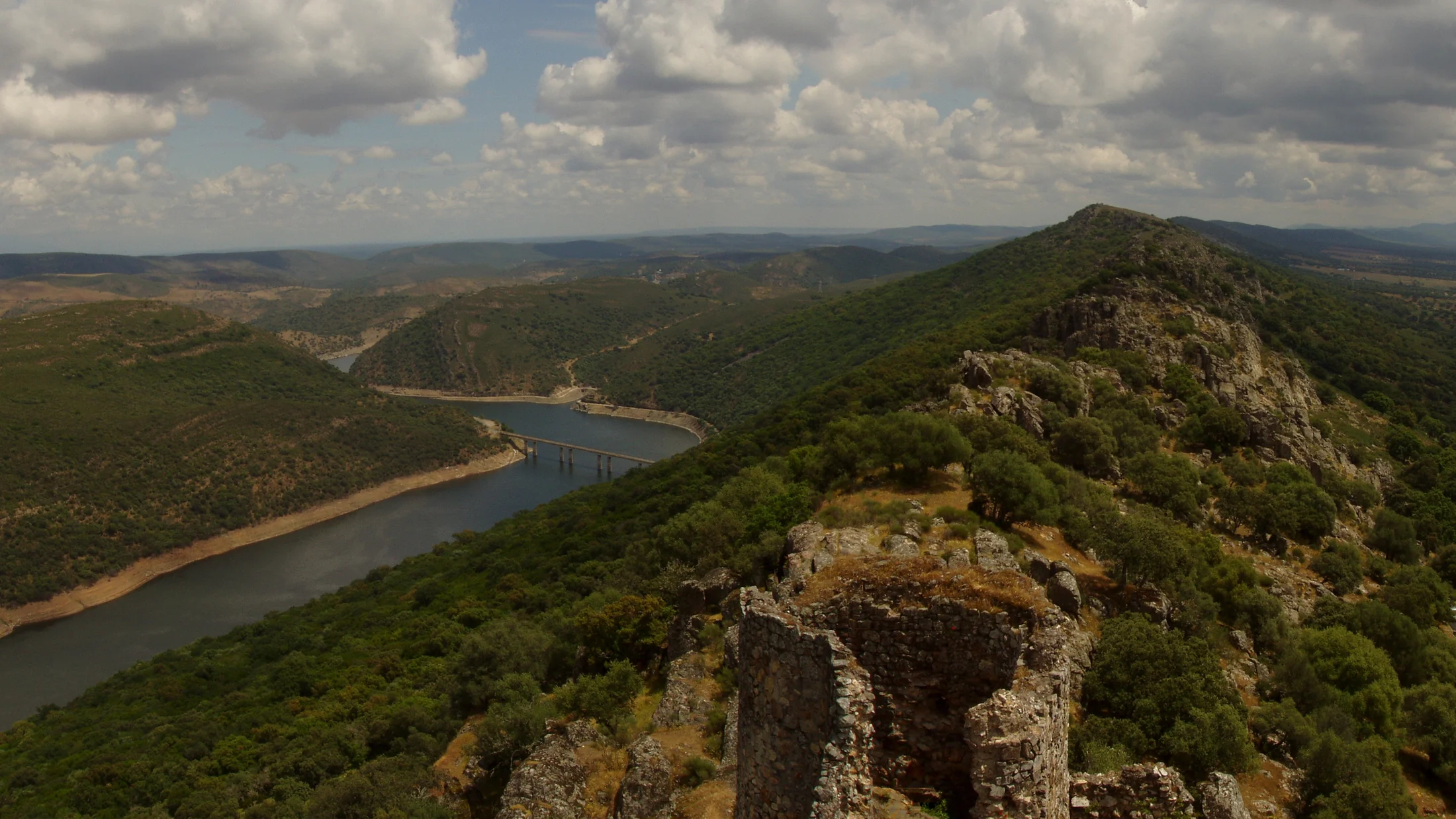
Monfragüe birdwatching is special because cliffs, rivers, and dehesa woodlands converge to funnel raptors above your head. You come for vultures and eagles, but you stay for the scale of the landscape and the ease of seeing them well. On bright mornings the Tagus glints like slate, and wings carve slow circles over ochre rock.
This national park in Cáceres, Extremadura, protects one of Europe’s densest concentrations of cliff-nesting raptors, including Europe’s largest scavenger, the black vulture (Aegypius monachus). Here you can watch griffon vultures, imperial eagles, and Egyptian vultures without long hikes or permits, from road-accessible viewpoints designed for observation. The combination of steep gorges, reliable thermals, and rich dehesa—open oak savanna—supports breeding, wintering, and migratory birds through the year. These are not abstract claims; they align with data and management priorities published by Spain’s National Parks Agency (OAPN), the Junta de Extremadura, and SEO/BirdLife.
In this guide you will find exactly what you need to plan a successful visit: the main Monfragüe viewpoints and why they work, the key species and how to identify them, the best time to see birds Monfragüe by season and hour, and how to reach and move around the park. You will also find practical sections on permits and rules, routes and observatories, suggested bases for lodging, and field tips that help you see more while respecting wildlife. A slight breeze carrying thyme and rockrose tells you you’re in Mediterranean Spain, where patient watching is rewarded.
By the end, you will know where to stand and when—from Salto del Gitano’s sheer walls at dawn to Portilla del Tiétar’s corridor by late afternoon—and how to fit it into a weekend or a longer trip. Pack binoculars and curiosity; Monfragüe’s skies will do the rest. If you want a seamless plan, keep reading for routes, logistics, and a clear step-by-step to book your stay and, if useful, a guided outing with local experts.
Picuco te puede ayudar
Does something here catch your eye?
Tell us.
Write to us on WhatsApp or email: we answer questions, find the best options and help you sort out the booking.
Monfragüe Essentials for Birdwatchers
Monfragüe is easy to navigate once you understand where it sits, how seasons shape bird activity, and what rules protect the park. The scent of warm cork oak and broom hangs in the still air on spring mornings.
Location and how the Park is organized
Monfragüe lies in the province of Cáceres, Extremadura, roughly between the cities of Plasencia (to the north) and Cáceres (to the southwest). The park centers on the deep gorges of the Tagus (Tajo) and Tiétar rivers, where vertical slate and quartzite cliffs create classic Monfragüe viewpoints that make birding efficient. Villarreal de San Carlos—an administrative hamlet inside the park—is the main visitor hub, while Plasencia serves as the largest nearby city with full services. Source: OAPN and Junta de Extremadura park materials.
The National Park core protects the Tagus gorge and adjacent dehesa, while a surrounding buffer (Parque Periurbano and ZEPA—Special Protection Area for Birds) extends habitat values across municipal boundaries like Torrejón el Rubio and Serradilla. For observers, interest concentrates along the EX-208 spine road from Trujillo/Torrejón el Rubio to Malpartida de Plasencia, and the EX-390 corridor from Cáceres. Viewpoints—including Salto del Gitano, Portilla del Tiétar, Puerto de la Serrana, and the castle area—sit beside these roads or short signed paths, allowing you to rotate sites by sun, wind, and raptor activity without losing time.
- Key hubs and access:
- Villarreal de San Carlos: information, services, trailheads
- Plasencia: accommodation base, supplies, rail/bus
- Torrejón el Rubio: closest gateway town with rural stays
- Road axes:
EX-208,EX-390, connections viaA-5,A-66,EX-A1
When to go: seasons, migrations, and weather
Spring (March–May) is prime for breeding displays: cliff colonies brim with griffons, Egyptian vultures return, and imperial eagles patrol territories. Autumn (September–October) brings migration of soaring birds across Extremadura and lively mixed raptor traffic on good wind days, while winter (December–February) concentrates eagles, kites, and vultures thanks to abundant carrion and mild Iberian conditions. On still, clear days, the river smells earthy and cool under shadowed cliffs.
- Best by month (typical patterns; adapt to weather):
- March–April: peak displays at Salto del Gitano; Egyptian vultures arrive; many courtship flights
- May–June: active nest provisioning; good for photos without heat shimmer early
- September: post-breeding gatherings; migrating short-toed snake eagles and harriers pass
- December–February: stable raptor presence; great visibility in crisp air; fewer crowds
The mejor hora para ver aves Monfragüe—the best time to see birds here—depends on thermals (rising warm air that lifts raptors). Expect activity to build mid-morning as cliffs warm, quiet a bit at midday heat in summer, and pick up again by late afternoon. Dawn and dusk can be magical for silhouettes, calls, and low-angle light, especially in winter and spring. On strong wind days, sheltered viewpoints (e.g., Portilla del Tiétar) outperform exposed ridges.
Permits, rules, and good practice
You do not need special permits to use signed viewpoints, roads, or main trails, but many interior tracks are closed to private vehicles to protect breeding zones. Always respect “no entry” signs and seasonal closures posted by park authorities at Villarreal de San Carlos and on official noticeboards. The hush over the gorge is intentional: silence keeps stress low for nesting birds.
- What to know before you go:
- Vehicles: stick to public roads (
EX-208,EX-390) and official car parks; no off-road driving - Drones: not allowed without explicit authorization in Spanish National Parks (OAPN), due to disturbance risk
- Noise and distance: speak softly, avoid playback of calls, and never approach nests or cross safety barriers
- Groups and hides: use established hides/observatories; for photography, long lenses minimize disturbance
- Information: check the National Park’s visitor centers (Villarreal de San Carlos) and Junta de Extremadura updates for seasonal restrictions or fire-risk closures
- Vehicles: stick to public roads (
Responsible behavior preserves breeding success for sensitive species like the Iberian imperial eagle and the Egyptian vulture. Source: OAPN regulations, Junta de Extremadura conservation guidance, SEO/BirdLife codes of conduct.
Getting There, Getting Around, and Where to Stay
Reaching Monfragüe is straightforward by car from major cities, with public transport to nearby hubs and short transfers to viewpoints. The first notes you hear are the wind and the distant clatter of griffon wings.
Getting to Monfragüe: car, train, and bus
The most efficient approach is by car. From Madrid, follow the A-5 (Autovía del Suroeste) to Navalmoral de la Mata, then EX-A1 to Plasencia and EX-208 south toward Villarreal de San Carlos; allow about 2.5–3 hours depending on traffic. From Cáceres, use the EX-390 through Torrejón el Rubio (around 50–60 minutes to the center of the park). From Mérida, take the A-66 north toward Cáceres and connect to EX-390 (about 1.5 hours). Warm air over the dehesa smells faintly of cork oak and dry grass after midday.
- Parking tips:
- Salto del Gitano: roadside car park just off
EX-208; arrive early on weekends/holidays - Portilla del Tiétar: lay-bys and a signed viewpoint area off the minor road by the Tiétar; space is limited
- Puerto de la Serrana: roadside stop on a crest; mind crosswinds and keep well off the carriageway
- Castle area: parking near the footpath to Castillo de Monfragüe; expect a short, stepped walk
- Salto del Gitano: roadside car park just off
Public transport works if you’re flexible. Trains and buses connect Madrid, Cáceres, and Plasencia; from Plasencia, you’ll need a taxi or pre-arranged transfer to viewpoints. The historic “Monfragüe” rail station (near Malpartida de Plasencia) sees limited services; confirm schedules in advance. Because raptor activity changes with sun and wind, a car lets you shift quickly between Portilla del Tiétar and Salto del Gitano or adjust to shade and backlighting by time of day.
Practical planning:
- Check train options to Plasencia (regional and mid-distance services via Talavera/Navalmoral).
- Buses connect Madrid–Plasencia–Cáceres; allow margin to coordinate last-mile transport.
- If going car-free, base yourself in Plasencia or Torrejón el Rubio and book local transfers.
Where to stay: smart bases for birders
Choose lodging by proximity to the main viewpoints, flexibility of meal times, and services like early breakfast or late check-in. At dawn, cool air beaded with river scent moves through the gorge as you step out to start the day.
- What to look for:
- Early breakfast or packed-lunch options for sunrise starts
- Secure gear storage (scopes, tripods, long lenses)
- Quiet surroundings and parking for pre-dawn departure
- Policies allowing late returns after dusk
A quick comparison helps you pick:
| Base | Distance to key viewpoints | Services and vibe | Ideal for |
|---|---|---|---|
| Villarreal de San Carlos | In-park; 5–15 min to most Monfragüe viewpoints | Visitor centers, trailheads; limited dining hours outside peak | Dawn-to-dusk birding, minimal driving |
| Plasencia | 25–35 min to Salto del Gitano via EX-A1 + EX-208 |
Full city services, varied dining, public transport | Car-free travelers, mixed-interest trips |
| Malpartida de Cáceres / Cáceres | 45–60 min via EX-390 |
More lodging variety, city culture | Combining birding with city visits |
| Torrejón el Rubio and rural stays | 10–20 min to several sites | Small-town charm, rural houses | Quiet bases close to viewpoints |
- Booking tips:
- Spring weekends and the late-February bird festival (FIO) book out early; reserve weeks ahead.
- Ask for flexible breakfast times; many rural stays accommodate birders.
- For families, consider apartments in Plasencia to balance early outings and rest times.
If you plan to rotate miradores Monfragüe at sunrise and late afternoon, in-park or Torrejón bases minimize commute. If you want restaurants, museums, or non-birding plans, Plasencia is a strong, well-connected choice.
The Must-see Viewpoints
These four viewpoints cover contrasting angles, thermals, and light so you can adapt to daily conditions. The cliff faces glow rust-red at first light, and the river moves like ink below.
1.Salto del Gitano: the iconic stage for vultures and eagles
Set on a dramatic bend of the Tagus off the EX-208, Salto del Gitano offers sheer quartzite spires where griffon vultures nest and black vultures patrol overhead. Park at the signed lay-by, then walk a few meters to the railings; the setup is ideal for scopes and tripods. The air smells of rockrose and stone warmed by sun as wings etch loops in silence.
Why it works:
- Vertical cliff enhances updrafts and keeps birds at eye level
- Reliable breeding colony of griffon vultures; frequent passes by black vulture Monfragüe individuals
- Overlooks river corridor used by kites and eagles
What to expect:
- Species: griffon vulture, black vulture, Egyptian vulture (spring–summer), black kite, red kite, Spanish imperial eagle, golden eagle, peregrine falcon, blue rock thrush
- Best times: early to mid-morning in spring for displays; late afternoon for soft backlight and returning birds
- Gear: 8–10x binoculars are enough; a 20–60x scope enriches detail; for photography, 400–600 mm lenses work well
Tips:
- Arrive early on weekends to secure a front-rail spot.
- Watch cross-ridges: imperial eagles often cruise the skyline before dropping low.
- Respect barriers; never step beyond rails to chase angles.
2.Portilla del Tiétar: a raptor corridor and afternoon sanctuary
On the Tiétar side of the park, Portilla del Tiétar forms a natural gateway where soaring birds ride corridor winds and line-of-sight stays close. Short pull-offs lead to a compact viewpoint opposite dark cliffs speckled with nests and perches. Warm rosemary scent drifts from scrub as shadows pool along the water’s edge.
Why it works:
- Narrow gorge focuses flight paths; shelter on windy days
- Afternoon sun lights the cliff face, perfect for IDs and photos
- Nearby roosts and hunting grounds for kites and eagles
What to expect:
- Species: griffon and black vultures, Egyptian vulture (in season), short-toed snake eagle (spring–summer), booted eagle, black and red kites, occasional osprey passage
- Best times: mid- to late afternoon; on cool mornings after sun hits the rock faces
- Conditions: avoid very strong crosswinds; birds may hold low or pass behind ridges
Planning your day:
- Use Portilla del Tiétar as your afternoon anchor when Salto del Gitano goes into shadow.
- Rotate between the two with a midday rest to match the mejor hora para ver aves Monfragüe under changing thermals.
- Keep an ear out for choughs and rock thrushes on cliff edges.
3.Puerto de la Serrana: big sky and strong thermals
This roadside crest along the EX-208 gives panoramic views over dehesa and ridges, catching strong thermals that lift raptors high and wide. Pull safely into the designated area and scan 360° with a scope for kettling vultures and patrolling eagles. The wind carries dry grass scent and a low hum of insects on warm days.
Why it works:
- Open exposure to midday thermals—great for high circling birds
- Broad field of view for tracking distant eagles and migration pulses
- Less crowded than cliff viewpoints; good for teaching flight ID
What to expect:
- Species: griffon and black vultures, red and black kites, short-toed snake eagle (spring–summer), booted eagle, occasional honey buzzard in migration, raven
- Best times: late morning to early afternoon on sunny days when thermals peak
- Light: bring a cap and look for neutral backgrounds to read underwing patterning
Combine with:
- Dawn at Salto del Gitano
- Midday scan at Puerto de la Serrana
- Late afternoon at Portilla del Tiétar This trio makes a half- to full-day loop without backtracking.
4.The castles and historic watchpoints: views for birds and landscape
The Castillo de Monfragüe crowns a ridge above the Tagus, with a short, stepped path leading to battlements that double as birding platforms. Other high points along the ridge offer similar scanning opportunities with sweeping horizons. Stone walls warm under sun, and swifts scream in tight arcs around the tower.
Why it works:
- Elevation gives long sightlines to pick up eagles on patrol
- Multiple angles help counter backlighting across the day
- Adds cultural value and scenery to a bird-focused itinerary
What to expect:
- Species: imperial and golden eagles (territorial flights), griffon and black vultures, peregrine, chough, crag martin, swifts
- Best times: mornings for east-facing slopes; late afternoons for west-facing ridges; avoid peak heat in summer
- Access and safety: use handrails, mind edges, and secure tripods; no drones
Combine with nearby signed trails for a mixed natural-history day. If photographing, keep a respectful distance from any nesting ledges, and never lean cameras over voids for an angle.
Key Species to Look For
These four headline raptors define Monfragüe for many visitors; knowing how to identify them quickly improves your day. The quiet thrum of warm air under wings is the soundtrack to each pass.
1.Black vulture (aegypius monachus): the star target
Identification:
- Very large, dark chocolate-brown with massive, plank-like wings and a short, slightly wedge-shaped tail
- Broad “hands” with fingered primaries; head appears big and hunched; flight is powerful but measured
- Contrast with griffon: lacks pale underwing coverts and two-tone body; appears bulkier and darker overall
Behavior in Monfragüe:
- Often soars high over dehesa and cliffs, gliding between feeding areas and roosts
- Joins griffons at carrion but keeps distance; may perch in isolated holm oaks
- Breeds in trees (not cliffs), which is unusual for a large vulture by European standards
Where and when:
- Best zones: scan above Salto del Gitano’s skyline and the dehesa from Puerto de la Serrana; watch Portilla del Tiétar in afternoons
- Seasons: present year-round; visibility peaks on sunny late mornings when thermals form
- Probability: high over a full day; patience and scanning at range pay off
Ethics and tips:
- Never approach suspected nest trees; tree-breeding vultures are sensitive to disturbance
- Use a scope to confirm the short, blocky tail and uniformly dark underparts
- Photograph with a long lens (400–600 mm) and avoid flushing birds from perches Citations: OAPN species accounts; SEO/BirdLife notes on breeding ecology in Extremadura.
2.Griffon vulture (gyps fulvus): the abundant glider
Identification:
- Large with pale buff body, long two-tone wings (paler coverts, darker flight feathers), and long, rectangular tail
- Neck ruff visible at close range; flight is buoyant with frequent circling in kettles
Behavior in Monfragüe:
- Cliff breeder, forming conspicuous colonies on faces like Salto del Gitano
- Social at carcasses; often initiates kettling early as cliffs warm
- Often passes close to viewpoint railings at eye level
Where and when:
- Very reliable at Salto del Gitano (year-round), Portilla del Tiétar (spring–autumn), and in large kettles over Puerto de la Serrana on sunny days
- Dawn: birds leave roosts and move to foraging circuits; late afternoon: returns and cliff landings
- Winter: superb light and stable air for flight detail
Differences vs black vulture:
- Paler overall, clearly two-toned wings, and slimmer “feel” in flight; black vulture is darker, chunkier, with shorter tail Citations: Park interpretive panels and SEO/BirdLife field guides confirm abundance and breeding cliff preferences.
3.Iberian imperial eagle (aquila adalberti): how to recognize and where to look
Identification:
- Large eagle with dark brown body, contrasting white shoulder patches (“epaulettes”), and pale leading edge on the wing in adults
- Juveniles are paler, sometimes sandy-brown, darkening with age; heavy, powerful flight with flat-winged glides
Behavior and territories:
- Territorial; patrols ridges and dehesa edges, using prominent perches
- Hunts rabbits and other medium prey; often appears suddenly, then drifts low over slopes
Where and when:
- Scan early mornings and late afternoons along ridgelines near the castle area, Puerto de la Serrana horizons, and the skyline above Salto del Gitano
- Year-round resident; winter visibility can be excellent in clear air
- Probability improves with time on ridge-top viewpoints and steady, patient scanning
Respect and distance:
- A strictly protected endemic of the Iberian Peninsula; never approach active nests or linger in any signed exclusion zones
- Use binoculars first; confirm ID with scope without closing distance Citations: OAPN species files and Junta de Extremadura management notes emphasize sensitivity and territorial behavior.
4.Egyptian vulture (neophron percnopterus): smaller but conspicuous
Identification:
- Medium-sized vulture with white body and black flight feathers; adult shows yellow bare face; slim, triangular wings and wedge tail
- In flight, looks “light and quick” compared with bulkier vultures; juveniles are brownish and dark
Behavior and feeding:
- Scavenger and opportunist; follows larger vultures to carrion and feeds on scraps
- Often perches on cliff ledges or isolated boulders
Where and when:
- Spring to early autumn (typically March–September) as a migratory breeder
- Good vantage points: Salto del Gitano and Portilla del Tiétar cliff faces in afternoon light
- Watch for low, purposeful flights along cliff lines; use a scope to pick pale adults on shadowed ledges
Complementary species:
- Short-toed snake eagle (spring–summer), booted eagle, golden eagle, black and red kites frequently share the airspace Citations: SEO/BirdLife migration timing; park interpretive content confirms seasonal presence and cliff use.
Timing Your Day and Adding Routes or Guided Activities
Monfragüe rewards timing around thermals and light; add a couple of signed trails and observatories to round off a day. Sunrise paints the quartzite orange and reveals wing-shadows gliding over the river sheen.
Best hour of the day and how thermals shape activity
Thermals—columns of rising warm air—are the engine of raptor flight here. As the sun heats exposed slopes and cliffs, air rises and raptors spiral up to cruising height; on overcast, cool days, activity stays lower and closer to rock faces. You can feel a faint warm push of air along the railing just as birds begin to lift.
-
The mejor hora para ver aves Monfragüe typically splits into two peaks:
- Early to mid-morning: first lift-off from roosts and cliff activity; good for close passes
- Late afternoon to dusk: return flights, softer light, and often calmer wind
-
Practical placement by time:
- Dawn: Salto del Gitano (birds leaving roosts, gentle crosslight)
- Late morning–midday: Puerto de la Serrana (thermals peaking, wide scans)
- Mid- to late afternoon: Portilla del Tiétar (sunlit cliff face, steady passes)
- Winter: extend morning window; thermals may peak later and weaker
Adapt to wind: on strong north or west winds, seek leeward viewpoints where birds contour along slopes. On very hot summer middays, prioritize shade and water, then return for the golden last hour.
Recommended routes and observatories
Signed trails and fixed observatories complement roadside birding, offering quieter observation and broader natural history. Pine scent mixes with cistus as you step away from the road hum.
-
Short and scenic options:
- Castle path loop: short, stepped ascent to Castillo de Monfragüe with multiple scan points; easy–moderate, 45–90 minutes
- Tiétar riverside viewpoints: short connectors to ledges opposite Portilla del Tiétar; mostly easy, allow 30–60 minutes in total
- Dehesa edges near Villarreal de San Carlos: gentle tracks for kites, woodpeckers, and passerines; easy, customizable duration
-
Observatories and centers:
- Park visitor centers in Villarreal de San Carlos offer current maps, species updates, and exhibits tailored to raptor ecology
- The Monfragüe Bird Center (operated by the Provincial Council of Cáceres, commonly referenced in Malpartida de Plasencia) provides exhibits on migration and regional hotspots; confirm opening hours before visiting
-
Accessibility and signage:
- Trails are well signed; carry water and sun protection
- Some vantage points have railings and level surfaces suitable for scopes; ask staff for the most accessible options
Combine a morning at Salto del Gitano with a castle loop, then pause at Villarreal de San Carlos before an afternoon session at Portilla del Tiétar.
Guided outings, events, and the Fio festival
Local guides run half-day and full-day birding and photography trips year-round, adjusting vantage points to weather and target species. The smell of coffee at a pre-dawn meetup is part of the ritual.
-
When to hire a guide:
- First-time visitors wanting imperial eagle or Egyptian vulture views without trial-and-error
- Photographers seeking specific light angles or ethical hide use
- Families needing pacing and kid-friendly stops
-
The Festival Internacional de las Aves (FIO):
- Held annually in late February in Villarreal de San Carlos, with talks, guided walks, and trade stands
- Expect crowds at viewpoints during the festival; book lodging and sessions early
- Check official park and regional tourism channels for dates and registration
For bookings through verified operators and to compare formats (birding walks, photo days), see activity listings curated by Picuco.
Practical Tips, Safety, Faqs, and Final Steps
Being prepared increases sightings and comfort while reducing disturbance. The sun warms the rail at your fingertips as kites tilt past, effortless and precise.
Practical tips: gear, responsible conduct, and safety
Bring optics that let you linger on detail while keeping distance. In Monfragüe observación de aves, long moments of scanning pay off more than constant movement. In the hush of the gorge, even a whisper can carry.
-
Essential gear:
- Binoculars 8x–10x with good light transmission; harness for comfort
- Spotting scope (20–60x) on a stable tripod for cliff nests and high-soaring IDs
- Camera with 400–600 mm lens if photographing; lens hood and microfiber cloth for flare and dust
- Sun hat, sunglasses, high-SPF sunscreen, and at least 1.5–2 liters of water per person in warm months
- Lightweight layers; wind can feel cooler at exposed passes
- Footwear with grip for rocky steps around the castle and uneven pull-offs
-
Fieldcraft and ethics:
- Keep voices low; avoid playback and whistles
- Never cross barriers or approach cliff ledges for “closer” views
- Observe minimum distances to any nesting or perching raptors; use the scope, not your feet
- Pack out all litter; microtrash like bottle caps attracts opportunistic scavengers
- Be courteous at busy railings; share scope views with families and newcomers
-
Safety and logistics:
- Park fully off the roadway at pull-outs; use hazard lights briefly if needed
- Heat management: prioritize shade at midday in summer; plan long breaks
- Winter: bring an extra layer; windchill at Puerto de la Serrana can be sharp
- Fire risk: during high-risk periods, adhere to any trail closures and no-flame rules
Respectful behavior protects breeding success and keeps viewpoints open under light-touch management. Sources: OAPN visitor guidance, Junta de Extremadura field codes, SEO/BirdLife ethics for bird photography.
Frequently asked questions
What is the best season for Monfragüe birdwatching?
Spring (March–May) for breeding displays and returning Egyptian vultures; autumn (September–October) for migration pulses; and winter (December–February) for concentrated raptors and clear light. Summer can be productive early and late in the day.
Do I need a guide to see the key species?
No, main viewpoints make self-guided days effective, but a local guide helps maximize chances for Iberian imperial eagle or tailored photography. Consider a guide on your first morning to learn timing and angles.
Are there restricted hours or areas?
Viewpoints and public roads are open during daylight; some trails or zones may close seasonally for breeding or fire risk. Check updates at Villarreal de San Carlos visitor centers and follow posted signs.
Can I use a drone in the Park?
No, drones require explicit authorization and are effectively prohibited for casual visitors in Spanish National Parks due to wildlife disturbance and safety regulations.
Where should I stay to be close to the viewpoints?
For minimal driving, choose Villarreal de San Carlos or Torrejón el Rubio; for services and public transport, base in Plasencia. Book early for spring weekends and the late-February FIO festival.
How do I access Salto del Gitano and Portilla del Tiétar?
Salto del Gitano sits off EX-208 with a signed lay-by and a short walk to railings; Portilla del Tiétar is reached by a minor road along the Tiétar with small pull-offs and a compact viewpoint. Arrive early for parking on busy days.
Book your experience — discover nature and outdoor activities across Spain with providers verified by Picuco.
Conclusion
Monfragüe concentrates Europe’s great soaring birds into an accessible landscape of cliffs, rivers, and dehesa, making every hour a lesson in air and light. You now know where to stand, when to be there, and what to look for, from Salto del Gitano at dawn to Portilla del Tiétar in late afternoon. Check your dates, reserve your base—especially for spring and the FIO festival—prepare your optics, and sketch a simple day plan around thermals and light. If you want added focus, schedule a guided session for your first morning, then roam at your own pace. The cliffs will do the rest; you just need time and steady eyes.