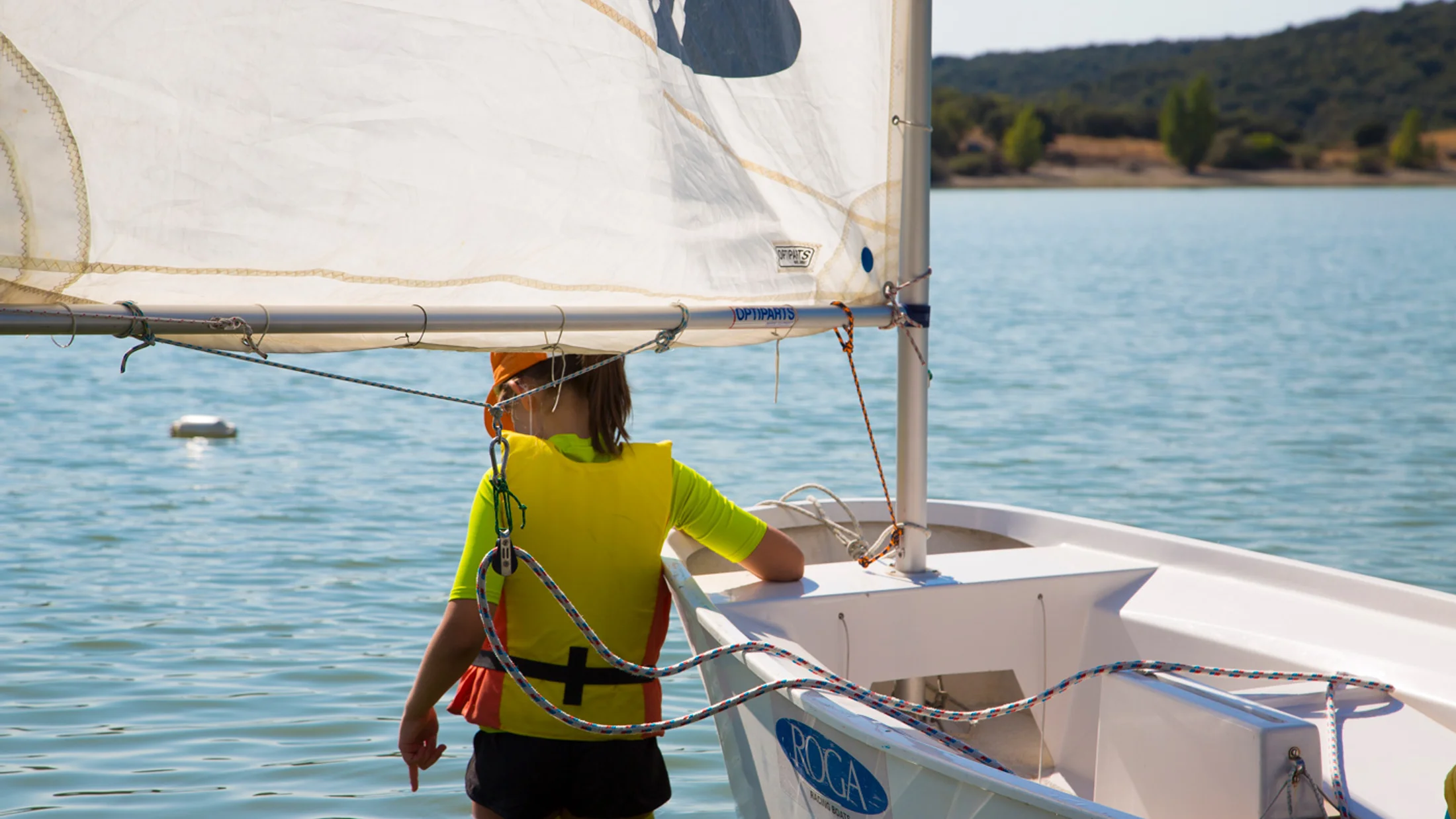
Start Your First Sailing Course in Spain With Clarity
You want to start sailing, choose a good school, and feel safe from day one. This article gathers sailing courses Spain that fit beginners, explains boat licenses clearly, and highlights destinations where learning is smooth, scenic, and affordable. You will understand what each certificate allows, what a quality school looks like, and where to book your first weekend or week-long course.
We selected destinations and sailing schools Spain by looking at accreditation, safety protocols, instructor experience, and the depth of beginner programs. We also weighed fleets, class sizes, price-to-value, and how easy it is to reach each harbor by road or air. In short: we privilege well-run places that welcome first-timers and help you progress.
Picture steady ripples along a sheltered bay as a mainsail hums gently in the afternoon breeze. Use this guide to compare options, then shortlist two or three schools and request dates, prices, and practice plans that match your goals.
Why beginner courses are worth it
Structured courses give you supervised practice, reliable boats, and instructors with recognized qualifications. That matters because safe habits form early, and clear feedback speeds learning. For most readers searching where to learn to sail (where to learn to sail Spain), courses of 2–5 days build fundamentals: wind awareness, sail trim, tacking, jibing, and person-overboard drills.
In Spain, beginner programs often align with national titles and safety standards, so you can connect your first lessons to future certifications. You can start with discovery sails, then take courses that count toward formal yachting certificates Spain. The best schools combine theory ashore with short, frequent on-water sessions so you finish confident, not overwhelmed.
The soft slap of water on the hull steadying your balance is encouragement in sound. Ask schools how they sequence practice and what weather limits they set for beginners.
How we selected destinations and schools
- Accreditation and oversight:
- Recognized by the Real Federación Española de Vela (RFEV) or authorized as a nautical training center under Royal Decree 875/2014.
- Student-to-instructor ratio:
- Groups of 3–5 students per instructor for hands-on coaching.
- Training boats and fleet:
- Stable keelboats or day-sailers for basics; larger cruisers for progression.
- Seasonality and weather:
- Predictable winds, sheltered areas, and backup plans.
- Price-to-value:
- Transparent pricing with equipment included or clearly listed extras.
- Local reputation:
- Consistent reviews from residents and visiting sailors.
We prioritized places meeting most of these factors, then checked that multiple schools offer beginner sailing courses at similar quality levels. A faint scent of salt and sun-warmed line can tell you you’ve come to the right dock. Confirm the school’s accreditation and insurance in writing before you pay.
Picuco te puede ayudar
Does something here catch your eye?
Tell us.
Write to us on WhatsApp or email: we answer questions, find the best options and help you sort out the booking.
Boat Licenses and Certificates in Spain, Explained Simply
Before you book, it helps to know what each title allows so your training aligns with your plans. Spain regulates recreational titles under Royal Decree 875/2014; these set minimum ages, distances from shore, and boat sizes you can command.
- License de navegación (navigation license):
- What it is: A short, practical introduction recognized in Spain, often done in one day with theory and onboard practice.
- What it allows: Daytime navigation up to 2 nautical miles from a port or shelter, on boats up to 6 meters length overall (sail or motor). Watercraft power limits may apply by region; schools will brief you.
- Minimum age: 16 with parental consent.
- Good for: Close-to-shore day sailing and supervised practice; an easy first credential that pairs well with beginner sailing courses.
- PNB — Patrón de Navegación Básica (Basic Navigation Skipper):
- What it allows: Boats up to 8 meters (sail or motor), day and night, up to 5 miles from shelter. Also valid for certain personal watercraft per current rules.
- Minimum age: 16 with consent.
- Good for: Evening sails, short coastal hops, and growing independence after lessons.
- PER — Patrón de Embarcaciones de Recreo (Recreational Boat Skipper):
- What it allows: Boats up to 15 meters (sail or motor), day and night, up to 12 miles from the coast, plus inter-island routes in the Balearic and Canary archipelagos; with additional practice modules, extension up to 24 meters and longer passages is possible.
- Minimum age: 18.
- Good for: Coastal cruising, weekend trips with friends or family, and chartering within limits.
- Higher recreational titles:
- Patrón de Yate (Yachtmaster, recreational): For longer coastal and offshore limits; requires PER plus advanced theory and sea time.
- Capitán de Yate (Yacht Captain, recreational): The highest recreational level with ocean-going scope; requires prior titles and examinations.
- Professional credential:
- PPER — Patrón Profesional de Embarcaciones de Recreo: For guiding charters commercially; requires recreational titles (typically PER or higher), sea time, and a professional exam via the Dirección General de la Marina Mercante.
You can start sailing without any title if a licensed skipper or instructor is always on board; these are initiation outings and structured courses for absolute beginners. If your goal is short coastal days and twilight sailing near a home harbor, aim for PNB after an introductory course. If you want weekend coastal passages or island hops, PER makes sense as your next step. Imagine the horizon line sharpening as the sun sets and you read your compass calmly for the first time. Ask each school which courses count toward PNB or PER practices and how they validate training hours.
Best Places to Learn to Sail in Spain for Beginners
1.Mallorca: Calm Bays, Reliable Winds, and Seasoned Instructors
Mallorca’s Bay of Palma offers wide, protected waters, steady sea breezes, and a dense network of marinas within 10–20 minutes of the airport. That combination makes practice smooth and logistics easy for first-timers. Multiple schools run beginner programs with structured progressions in English and Spanish.
- Why it’s beginner-friendly:
- Sheltered bay, predictable thermal winds (often 8–15 knots in season).
- Clear navigation marks and quick returns to safe harbors.
- Typical prices:
- Weekend discovery course: 220–360 € per person.
- 5–6 day intensive: 600–950 € per person.
- Confirm updated prices with the operator or consult Picuco.
- Best time:
- March–June and September–October for milder crowds and reliable winds; July–August offer more heat and traffic but daily sea breezes.
- Ideal for:
- Families and absolute beginners wanting confidence before coastal trips.
- Extras:
- Short sails to Illetas and Portals bays, swims in turquoise coves, and coastal walks on the Bellver Castle hillside.
The glint of sun on pale-green water under the cathedral walls anchors your first memory of sail trim. If you plan to pursue PNB or PER later, ask schools about recognized practice modules.
2.Menorca: Sheltered Waters and Personal Attention
Quieter than its larger neighbor, Menorca is a haven of horseshoe coves and low-traffic waters, perfect for learning in calm conditions. Town harbors like Maó and Ciutadella give quick access to protected bays where you can focus on fundamentals.
- Why it’s beginner-friendly:
- Numerous natural coves offer shelter from swell and wind shifts.
- Many small, family-run schools with personalized coaching.
- Typical prices:
- Weekend course: 240–380 € per person.
- 4–5 day course: 560–900 € per person.
- Check current rates directly or through Picuco.
- Best time:
- May–June and September for warm water and lighter crowds; July–August offer consistent wind with more traffic.
- Ideal for:
- Learners who prefer gentle seas, small groups, and unhurried progression.
- Extras:
- Snorkeling over Posidonia meadows, day sails to Cala Macarella or Fornells, and short hikes on the Camí de Cavalls.
The scent of pine drifts over glassy water as you ease the mainsheet and find balance with a fingertip. Ask about boat types (stable keelboats vs. dinghies) so your first sessions feel secure.
3.Ibiza and Formentera: Solid Anchorages and a Social Vibe
The short hop between Ibiza and Formentera creates a natural classroom of sandy-bottom anchorages and clear routes. Schools blend weekend refreshers with week-long programs, and social downtime is easy to manage without losing focus.
- Why it’s beginner-friendly:
- Reliable anchorages with sand bottoms that hold well, easing anchoring practice.
- Compact distances between practice spots and sheltered coves.
- Typical prices:
- Weekend starter: 260–400 € per person.
- 5–6 day course: 650–1,050 € per person.
- Verify current pricing and what gear is included.
- Best time:
- May–June and September–October for good wind and thinner crowds; spring and autumn also deliver fair weather without heat waves.
- Ideal for:
- Adults seeking a balanced mix of structured learning and light social evenings.
- Extras:
- Beach stops at Ses Illetes, sunset moorings near Es Vedrà (weather permitting), and coastal walks around Sa Talaia.
Warm air carries faint music from shore as you practice anchoring drills in clear, blue-green light. Clarify with the school how they manage traffic and safety during high season.
4.Costa Brava (girona): Easy Access From Barcelona and Solid Local Schools
From L’Escala to Palamós, the Costa Brava offers dramatic headlands, coves that shelter from northerlies, and straightforward access by car or train from Barcelona. Local sailing schools Spain in several ports run beginner-friendly courses with bilingual instruction.
- Why it’s beginner-friendly:
- Protected zones behind capes, plus marina density for short practice hops.
- Moderate winds most of the year with clear Mistral/Tramontana protocols.
- Typical prices:
- Weekend course: 210–360 € per person.
- Week intensive: 590–950 € per person.
- Confirm which extras (fuel, moorings) are included.
- Best time:
- April–June and September–October; in winter, some schools offer crisp, light-wind sessions on clear days.
- Ideal for:
- City-based learners wanting quick escapes and frequent practice blocks.
- Extras:
- Coastal hikes in Cap de Creus, seafood in fishing towns like Calella de Palafrugell, and visits to medieval villages inland.
The Tramontana sketches white caps while the lee of a headland stays smooth like brushed silk. If you’re searching where to learn to sail Spain near Barcelona, this coast balances access and scenery.
5.Alicante and Dénia: Stable Weather and Big-fleet Choice
The Marina Alta and Alicante coastline enjoy a long fair-weather window, with multiple harbors hosting schools and varied fleets—from stable keelboats for basics to larger cruising yachts for liveaboard courses. Frequent bus and train links add convenience.
- Why it’s beginner-friendly:
- Many operators mean flexible dates and competitive pricing.
- Consistent sea breezes in spring–autumn and protected practice routes.
- Typical prices:
- Weekend course: 200–340 € per person.
- 5–6 day course: 560–900 € per person.
- Ask about packages that include practice toward PNB or PER modules.
- Best time:
- March–June and September–November; midsummer adds warmth and traffic but dependable breezes.
- Ideal for:
- Learners seeking continuity (weekly practice groups) and budget-conscious options.
- Extras:
- Day trip to Tabarca Island, harbor-to-harbor maneuvers, and inland rice paddies or vineyards for rest days.
The bow parts soft, warm chop as the breeze fills like a steady exhale. With best sailing destinations Spain often booked on spring weekends, reserve early to lock good ratios.
6.Bay of Cádiz and Rota: Coastal Winds and Nautical Tradition
On Spain’s Atlantic side, Cádiz Bay blends soft sea breezes with occasional variables that teach you to read water and sky. The region’s maritime culture runs deep, and schools lean into seamanship and safety.
- Why it’s beginner-friendly:
- Broad, semi-enclosed bay with marked channels and predictable sea breezes.
- Exposure to light currents and coastal winds builds real-world skills.
- Typical prices:
- Weekend course: 210–360 € per person.
- Week intensive: 580–920 € per person.
- Confirm insurance coverage and safety gear details.
- Best time:
- April–June and September–October; winter offers crisp days with careful weather calls.
- Ideal for:
- Learners who want a strong seamanship foundation beyond flat-calm practice.
- Extras:
- Historic Cádiz old town, sherry bodegas in Jerez, and marshland birding in Doñana area.
A salty breeze sweeps over low, golden light as you practice reefing before a front arrives. Ask schools about their current-briefing routine and radio communication drills.
7.Canary Islands (gran Canaria and Tenerife): Year-round Learning
If your schedule is off-season or you prefer steady trade-like winds, the Canary Islands deliver reliable conditions most of the year. Coastal leeward areas around Gran Canaria and Tenerife provide manageable seas plus quick access to open-water experience.
- Why it’s beginner-friendly:
- Consistent wind windows and leeward practice zones in island shadows.
- Schools with international training experience and multilingual staff.
- Typical prices:
- Weekend or 2–3 day intro: 240–380 € per person.
- 5–6 day course: 620–980 € per person.
- Check low-season offers and what’s included.
- Best time:
- Practically year-round; autumn–spring is ideal for steady breezes without summer crowds.
- Ideal for:
- Learners who want continuity after mainland season ends and those aiming for quick progression.
- Extras:
- Short passages between marinas, snorkel sessions over volcanic reefs, and whale-watching on off days.
Trade-warmed air smells faintly of sun and seaweed as the boat settles into a rhythmic heel. If you plan to pursue yachting certificates Spain later, ask how winter training logs and exams are scheduled.
Interactive Map to Compare Locations and Schools
An interactive map saves time by showing where schools cluster, how far they are from airports, and what facilities each marina offers. Use it to compare driving times, view protected bays, and scan reviews at a glance. Build yours with Google My Maps for quick setup or Leaflet if you need custom layers and styling.
- Suggested layers:
- Accredited schools (RFEV or authorized training centers).
- Marinas and ports with beginner-friendly waters.
- Recommended accommodations within walking distance of docks.
- Seasonal wind roses or typical wind ranges for each bay.
- Filters to include:
- Price range (weekend, week-long).
- Best months for beginners.
- Boat type (keelboat, day-sailer, cruising yacht).
- Languages of instruction (ES/EN/DE/FR).
- How to maintain accuracy:
- Update school availability each season.
- Note any harbor works or buoy changes.
- Refresh price ranges quarterly and add “check current rates” flags.
A thin blue line from airport to marina on the map feels like a promise taking shape. Once you shortlist two to three destinations, contact schools to confirm dates, ratios, and which sessions count toward PNB or PER practices.
How to Choose the Right Beginner Course and School
Start with duration. A weekend course (2–3 days) is ideal to learn wind awareness, basic sail handling, and safety moves without fatigue. A week-long intensive helps you consolidate: docking drills, reefing, anchoring, and short coastal hops with nav practice. If you aim for a title soon, confirm which sessions count toward mandatory practices under Spanish rules.
Focus on ratios and boat types. Ratios of 3–5 students per instructor keep you active on the helm and sheets. For first lessons, stable keelboats or day-sailers with deep keels reduce roll and give you time to read wind and waves. Cruising yachts come later for docking and anchoring routines; ask to rotate roles on helm, mainsheet, jib trim, and lines.
Accreditation matters. Schools recognized by the Real Federación Española de Vela (RFEV) or authorized as nautical training centers under Royal Decree 875/2014 follow standardized safety and training practices. That means their logbooks and practice certificates are accepted when you pursue PNB or PER. Ask to see the center’s authorization and insurance policy (civil liability and activity coverage).
Use this short checklist:
- Course fit:
- Weekend vs. week-long; daytime only vs. night session; theory included?
- Safety and insurance:
- Lifejackets in your size, safety briefing, weather limits, emergency protocols.
- Instructor profile:
- Qualifications listed, languages offered, recent student feedback.
- Boat and equipment:
- Type and condition of training boats; radios, flares, first aid on board.
- Certification and validation:
- Does the course issue a recognized practice certificate for PNB/PER?
- Transparent pricing:
- What’s included (fuel, moorings, foul weather gear) and what costs extra?
The quiet tap of halyards on the mast before the morning breeze picks up is your cue to learn by doing. If in doubt, ask for a sample schedule and a written outline of skills you’ll practice each day.
Costs, Places to Stay, and Pairing With Rural Escapes
Budgeting is easier when you know the typical cost structure. Expect three main blocks: course fees, equipment/extras, and accommodation. Some schools bundle items; others bill fuel or moorings separately.
- Course fees (per person, orientative):
- Weekend (2–3 days): 200–400 €.
- Week-long intensive (5–6 days): 560–1,000 €.
- Liveaboard beginner-plus (5–7 days): 750–1,300 €.
- Equipment and extras:
- Included often: boat use, lifejackets, basic instruction materials.
- Possible extras: fuel (5–15 € per day), moorings (15–40 € when away from base), foul-weather gear rental (10–20 € per day).
- Exams and admin (for titles): theory exam fees and medical certificate when applicable.
- Accommodation:
- Budget: hostels and simple pensiones near marinas; walk 5–15 minutes to docks.
- Mid-range: apartments with kitchens—handy for drying gear and prepping early breakfasts.
- Rural touch: agrotourism or country guesthouses within a 20–40 minute drive for quiet evenings.
For mixed groups, pair your sailing days with inland activities so non-sailors enjoy the trip too:
- Mallorca and Menorca: vineyard tastings, rural markets, short hikes among stone walls and olive groves.
- Costa Brava: medieval villages (Pals, Peratallada) and coastal path walks.
- Alicante/Dénia: inland orchards, rice fields near Pego marshes, and hilltop pueblos.
- Cádiz Bay: sherry bodegas, salt pans, and birdwatching in marshlands.
- Canaries: laurel forests, volcanic trails, and local farm visits.
The smell of wet rope and sunscreen at dusk gives way to thyme and woodsmoke a few kilometers inland. Always check updated prices with your chosen operator or consult Picuco to compare inclusive packages.
Safety, Insurance and Practical Tips
Safety and insurance for beginners
Safety starts before you cast off. A proper briefing covers lifejacket use, man-overboard steps, radio basics, and the day’s weather limits. Good schools set clear go/no-go criteria for wind and waves and adjust routes to stay within sheltered waters for beginners.
Insurance is as important as instruction. Schools should carry civil liability insurance (covers damage to third parties) and specific activity insurance for students during training. Ask for policy details or a certificate of coverage; reputable centers share them readily. If you pursue the navigation license or later the PNB/PER, you’ll accept more responsibility at the helm, so knowing the insurance framework keeps everyone protected.
Consider personal coverage too:
- Accident insurance that includes watersports.
- Travel insurance covering course cancellation, delays, and medical issues.
- Coverage for glasses and small electronics if you bring them aboard.
Confirm who pays excess/deductible for minor gear damage and how the school manages weather cancellations or postponements. A cool, firm breeze on your cheeks during the safety briefing reminds you to respect sea conditions and protocols.
What to pack for a sailing course
Pack light, prioritize layers, and bring items that keep you warm, dry, and protected from sun and spray.
- Clothing:
- Quick-dry base layers and a warm mid-layer (fleece or wool).
- Waterproof jacket and, if possible, lightweight waterproof trousers.
- Hat with brim, buff/neck gaiter, and sailing gloves for grip and protection.
- Footwear:
- Non-marking, closed-toe shoes with good grip; avoid flip-flops underway.
- Sun and sea protection:
- Polarized sunglasses with retainer, high-SPF sunscreen, and lip balm.
- Small dry bag for phone, documents, and valuables.
- Essentials:
- Reusable water bottle, snacks, and any medication.
- ID/passport, payment method, and any prior certificates or medicals if you’re counting practices toward titles.
- Logistics:
- Arrive 15–20 minutes early at the marina, know your berth/pontoon number, and keep the school’s contact handy.
The feel of salt-damp spray on your jacket is easier to enjoy when you’re warm and dry. If you’re comparing sailing courses Spain side by side, ask each school what they provide so you don’t overpack.
Frequently asked questions for first-time sailors
- What is the typical duration of a beginner course?
- Most run 2–3 days for weekends or 5–6 days for intensives; schools often offer evening refreshers midweek.
- Do I need a license to take a beginner course?
- No. You can learn with a licensed instructor on board; the navigation license or PNB/PER come later if you want to skipper.
- What is the minimum age?
- Many schools accept 12–16 with consent for intro sessions; for titles náuticos España like the navigation license and PNB, minimum age is 16 with parental consent (check current rules).
- How fit do I need to be?
- Normal mobility and comfort moving on a small boat are enough; tell the school about any medical conditions.
- What languages are used?
- Spanish and English are widely available; in major hubs you’ll also find French or German. Ask in advance to ensure comfort.
- What does it cost to start?
- Weekend courses typically range 200–400 € per person; week-long 560–1,000 €; always verify inclusions and extras.
- What about cancellations and weather?
- Schools publish policies; look for clear terms on rescheduling due to unsafe conditions and deadlines for refunds or credits.
- Which title should I pursue first?
- If you want short, nearshore days, aim for PNB after a few lessons; for weekend coastal hops and island routes, set PER as your goal.
- Can I count course time toward a title?
- Yes, if the school is authorized and issues recognized practice certificates; confirm in writing before you book.
- How do I book?
- Shortlist schools, compare ratios and dates, request a written plan, and reserve with clear terms; you can also compare options via Picuco.
The soft creak of dock lines at rest is a reminder to ask questions until you feel ready and safe. Keep copies of your confirmations and any certificates you receive.
Book your experience — discover active travel in Spain with providers verified by Picuco.
Conclusion
Learning to sail in Spain is straightforward when you match the right destination, school, and course length to your goals. Begin with a weekend to master fundamentals, then consider the navigation license or PNB if you want twilight sails and short coastal routes, stepping up to PER for weekend passages and island hops. Choose accredited schools, confirm insurance, and seek ratios that keep you trimming and helming often.
Spain’s bays, trade winds, and maritime communities make practice rewarding, whether you start in Palma’s shelter, Menorca’s calm coves, or Cádiz’s seamanship classroom. The whisper of canvas and the steady pull of a well-set jib will turn first-day nerves into quiet confidence. Compare dates and inclusions across two or three schools, confirm recognition for any practice modules, and reserve your spot before prime weekends fill up.