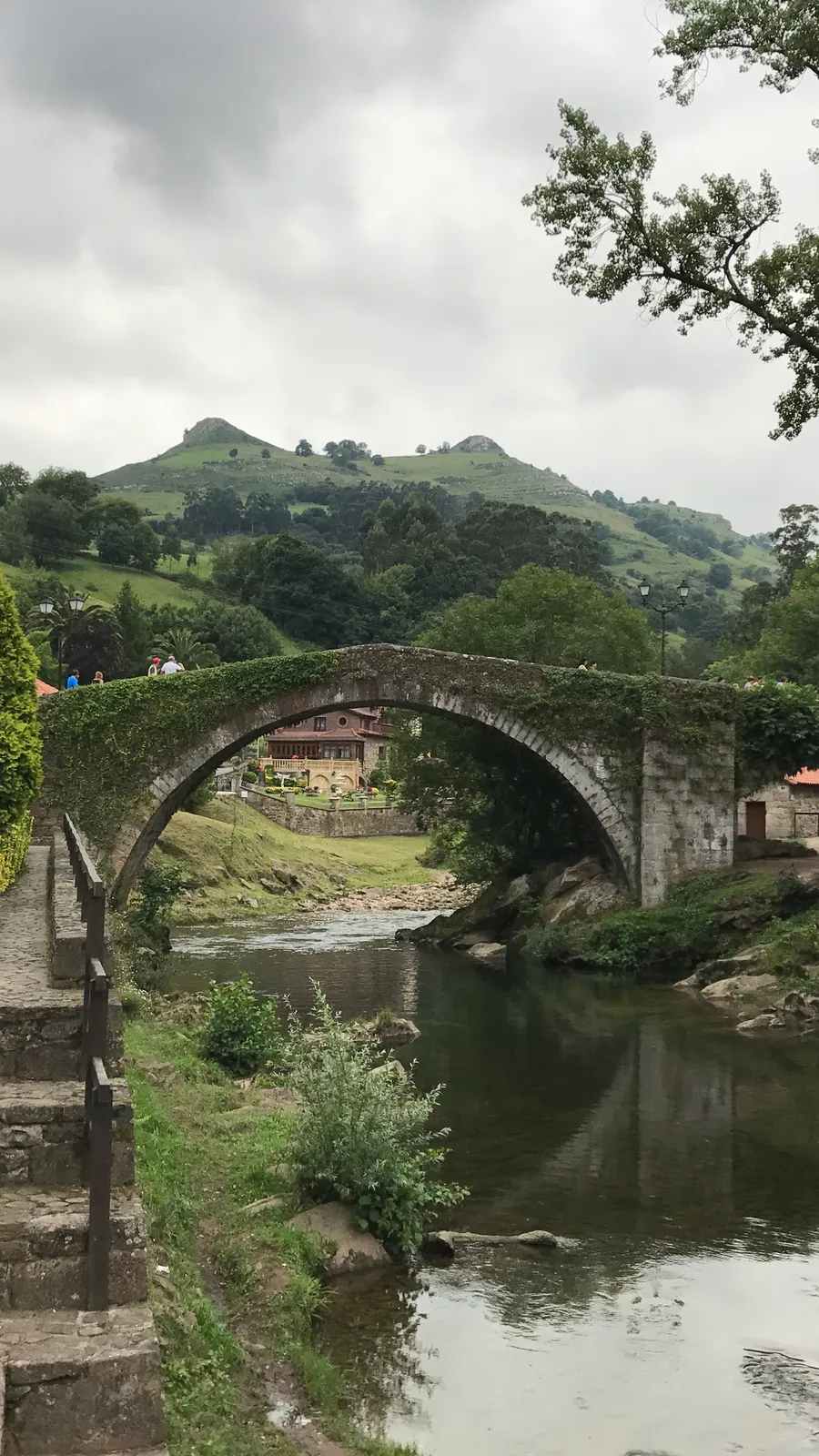
Highlights

  • • Birthplace of sobao pasiego and quesada: Cantabria's iconic pastries
  • • Annual Sobao and Quesada Festival
  • • Pasiego culture: vertical transhumance with stone cabanas
  • • Main square with mountain houses and wooden balconies
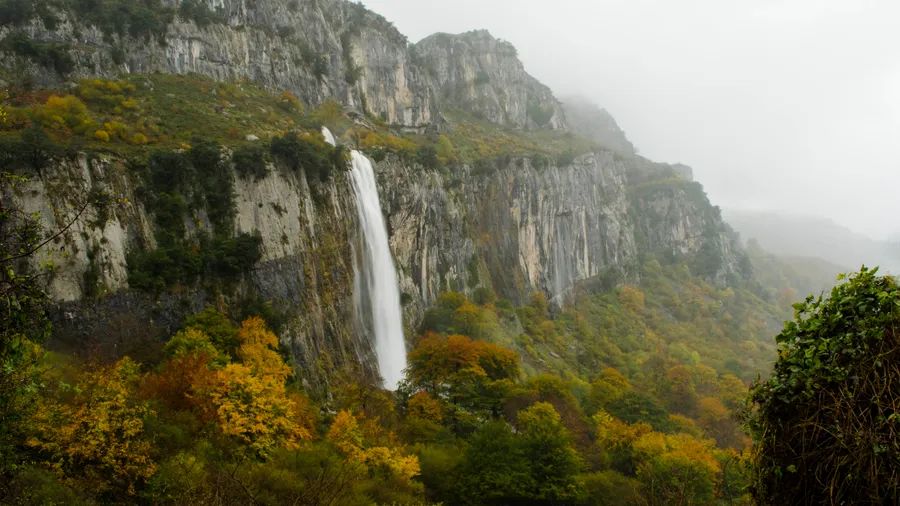
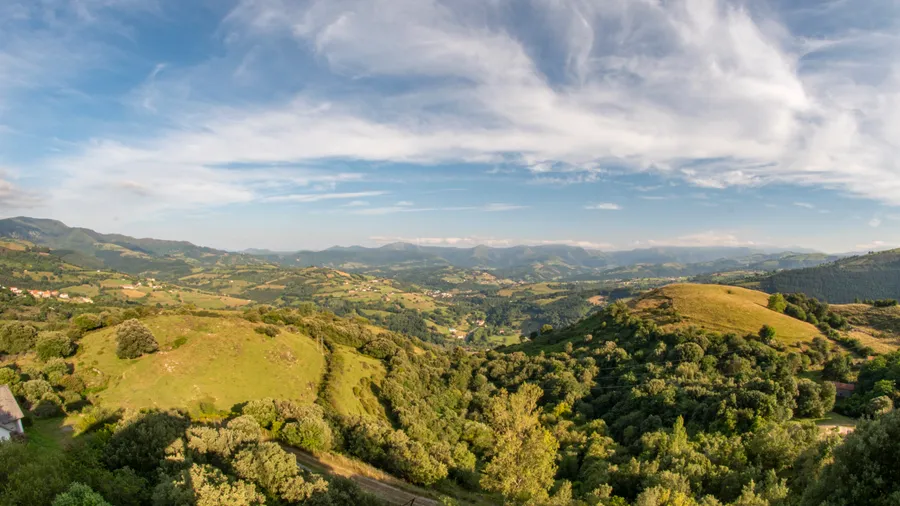
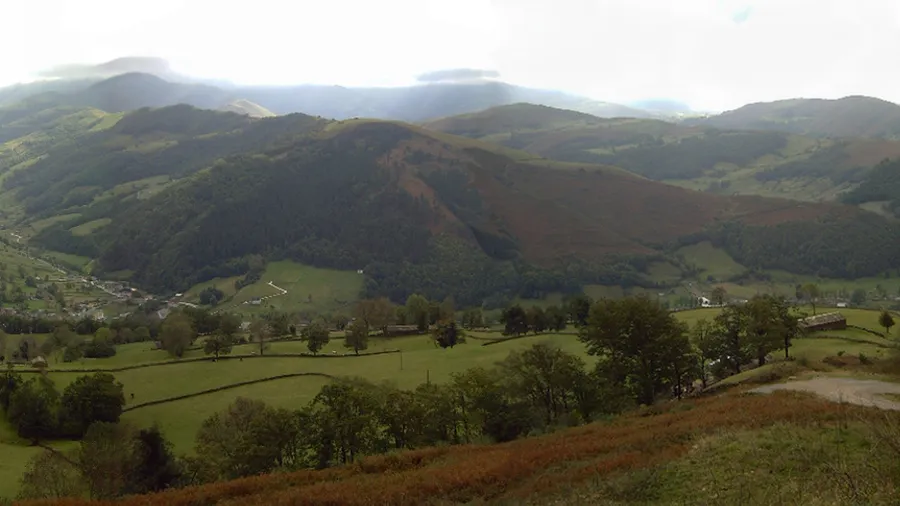
  • • Green misty valleys: the essence of inland Cantabria

Description

Vega de Pas is one of the three historic Pasiego villages (with San Pedro del Romeral and San Roque de Riomiera) and birthplace of the sobao pasiego and quesada pastries, two of Cantabria's most emblematic sweets. Each year, the Sobao and Quesada Festival brings together artisan producers from the entire comarca.

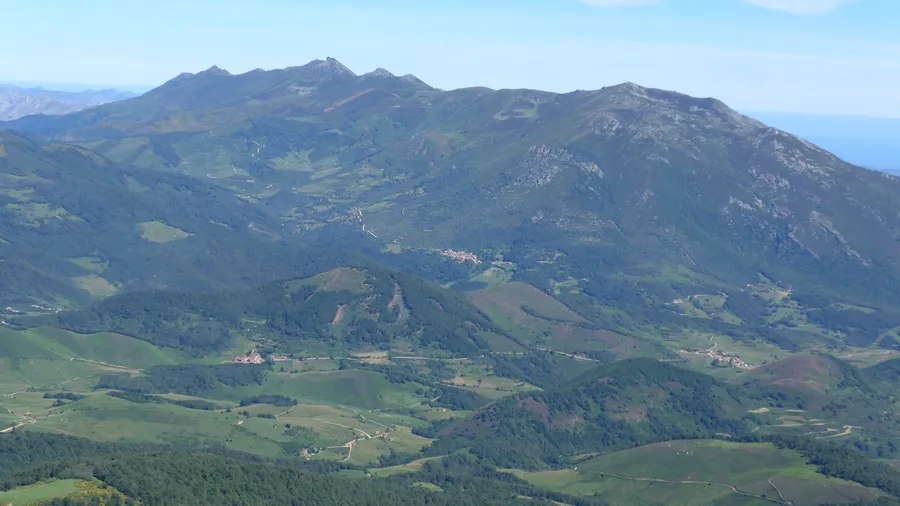
The village embodies Pasiego culture: the "muda" tradition of vertical transhumance, moving cattle between seasonal cabanas (rustic stone-and-slate structures, half dwelling and half stable), creates a unique landscape of green valleys dotted with these buildings.

The main square features notable mountain architecture with stone houses and wooden balconies. The 17th-century parish church and the 19th-century Doctor Madrazo sanatorium complete the heritage. The misty valleys and green peaks are the most authentic essence of inland Cantabria.
Key Information

Visit Duration

2-3 hours

Related Destinations

Guide

Essential information for visiting Vega de Pas

Location
Practical Information
Visit Duration
2-3 hours

Things to do

Activities and experiences near Vega de Pas

20

Frequently Asked Questions

Get answers about Vega de Pas

A butter cake of flour, eggs and sugar baked on a corn leaf. Recipe documented since the 16th century. Buy directly from artisan bakeries in the village.
Generally in spring/summer. Producer market, tastings, competitions and workshops.
Rustic stone-and-slate buildings (half dwelling, half stable) used in seasonal transhumance between mountain pastures. They are the symbol of the Pasiego landscape.