Highlights

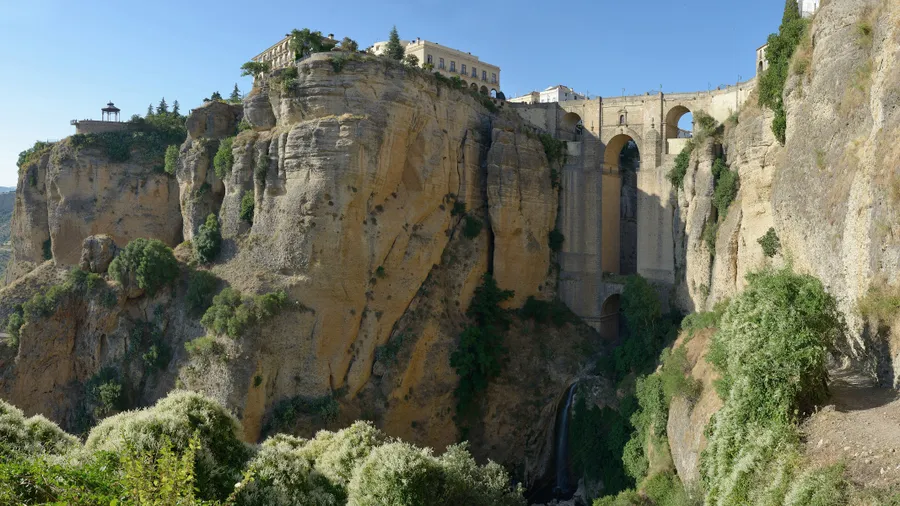
  • • 18th-century Puente Nuevo with panoramic views
  • • Oldest bullring in Spain, built in 1785
  • • Historic center with Roman, Muslim, and Christian architecture
  • • Well-preserved Arab baths
  • • Natural viewpoints over the Tajo de Ronda
  • • Cobbled streets and traditional stately homes

Description

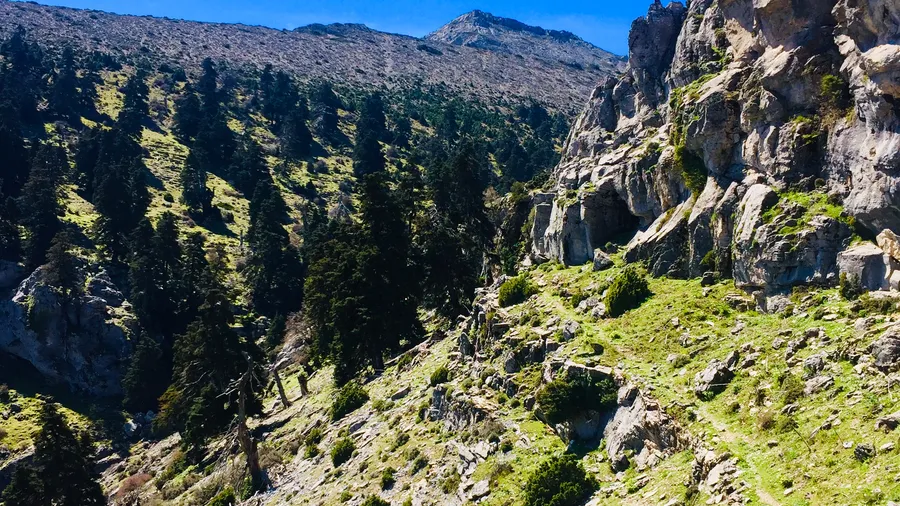
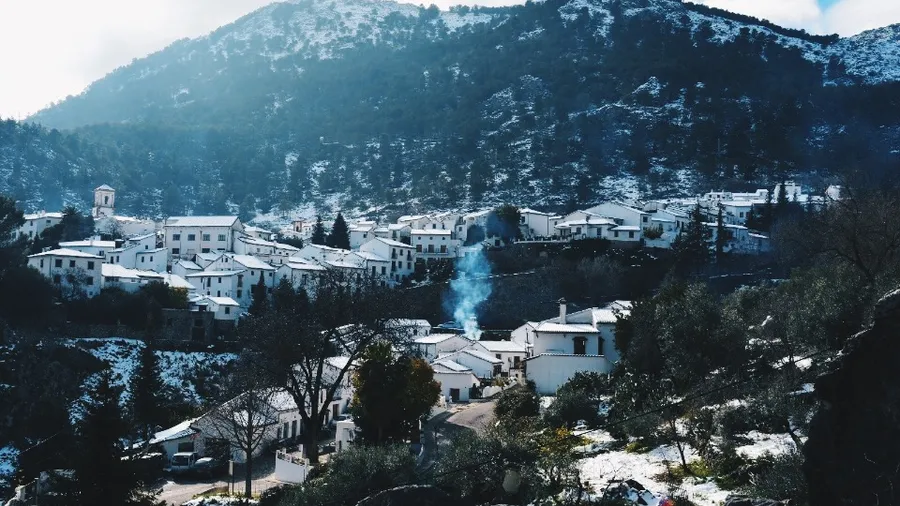
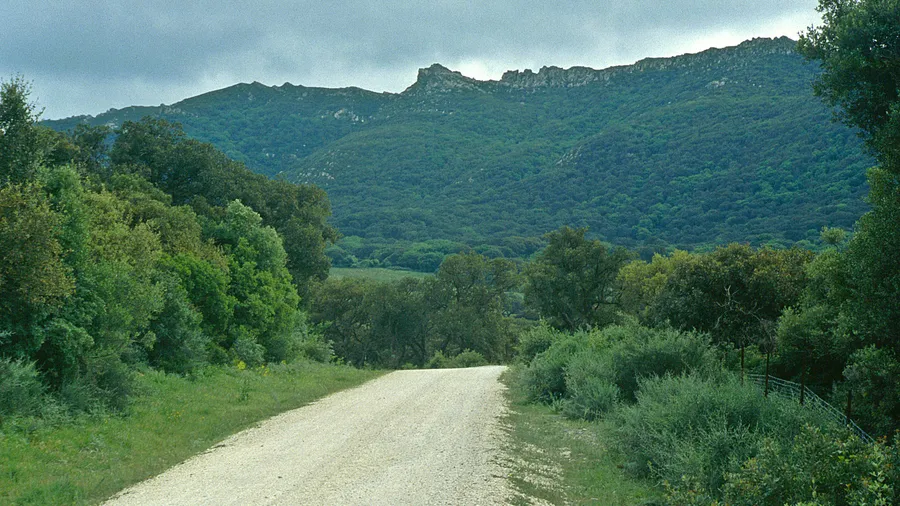
Ronda is a town located in the Málaga mountain range, renowned for its position atop a deep gorge over 100 meters high that splits the city into two parts. This natural landscape creates a striking visual contrast between historic architecture and rugged nature, with views blending the green mountains and open sky.

When visiting Ronda, you'll discover the Puente Nuevo, an 18th-century structure connecting the two sides of the town and offering panoramic views of the Tajo de Ronda gorge. Additionally, Ronda's bullring, built in 1785, is the oldest in Spain and a landmark in bullfighting history. The historic center preserves cobbled streets, stately homes, and monuments such as the Church of Santa María la Mayor and the Arab baths.

Historically, Ronda was a Roman settlement and later an important stronghold during the Muslim era on the Iberian Peninsula. Its strategic position in the mountains facilitated its development as a fortress and commercial center. The architecture reflects this cultural blend, with Roman, Muslim, and Christian influences evident in its buildings and urban layout.

For visiting Ronda, comfortable footwear is recommended to explore its cobbled streets and enjoy its viewpoints. Access to the Puente Nuevo and the bullring is possible via tickets available at the box office or online. The town is accessible to people with reduced mobility in some areas, though the uneven terrain may pose challenges. Ronda is family-friendly and allows pets in outdoor spaces.

Key Information

Visit Duration

3-4 hours

Recommended Seasons

Spring, Autumn

Pricing

Free

Accessibility

Medium

Kid-Friendly Pet-Friendly Booking Required

Related Destinations

Guide

Essential information for visiting Ronda

Location

In this area

Practical Information
Pricing
Free
Visit Duration
3-4 hours
Features & Services
  • Accessibility:Medium
  • Kid-Friendly:Yes
  • Pet-Friendly:Yes
  • Booking:Booking Required
Planning Information

Recommended Seasons

Spring · Autumn

Best Time to Visit

Spring and autumn are the best seasons to visit Ronda, offering mild temperatures and fewer tourists—ideal for exploring the historic center and viewpoints.

Visitor Tips

To make the most of your visit to Ronda, wear comfortable shoes for walking on cobbled streets and slopes. Book bullring tickets in advance during peak season. Enjoy the viewpoints at sunrise or sunset to see the gorge bathed in beautiful light. Check the weather forecast, as winters can be cold in the mountains. If traveling with children, plan stops in open areas where they can move freely.

Historical Facts

Ronda was a Roman settlement and later a Muslim fortress until its conquest in 1485. Its Puente Nuevo, built between 1751 and 1793, replaced earlier bridges and improved communication between the two parts of town divided by the Tajo gorge. The bullring, inaugurated in 1785, is key in Spanish bullfighting history and home to the Royal Cavalry Armory.

Frequently Asked Questions

Get answers about Ronda

Access to the Puente Nuevo can be challenging for people with reduced mobility due to stairs and uneven terrain.
Yes, Ronda's bullring offers guided tours that include its interior and bullfighting museum.
Yes, several restaurants and cafés serving local cuisine are located in the historic center near the Puente Nuevo.
Pets are allowed in outdoor areas but not inside museums or historic buildings.
You can reach Ronda by car or bus from Málaga and nearby cities; traveling by car offers greater flexibility.