Highlights

  • • 26 monumental fountains powered by gravity
  • • Inspired by the gardens of Versailles
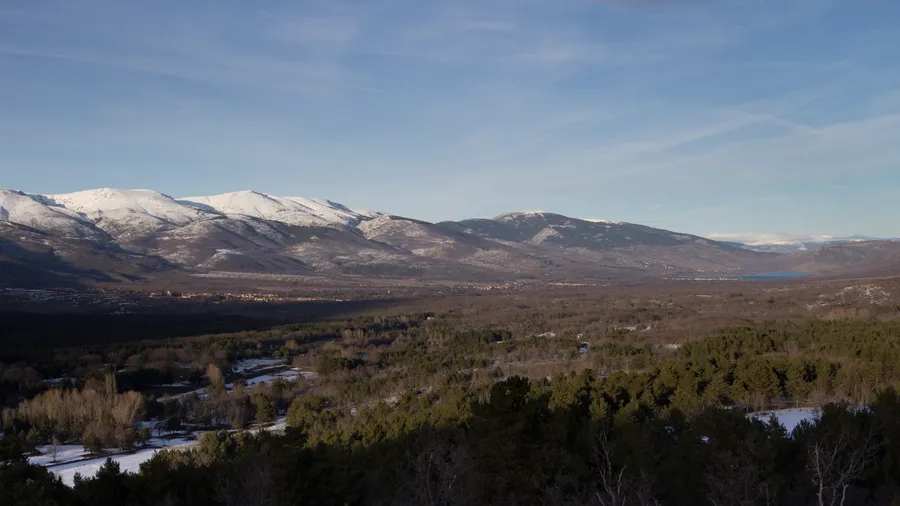
  • • Located in the Sierra de Guadarrama
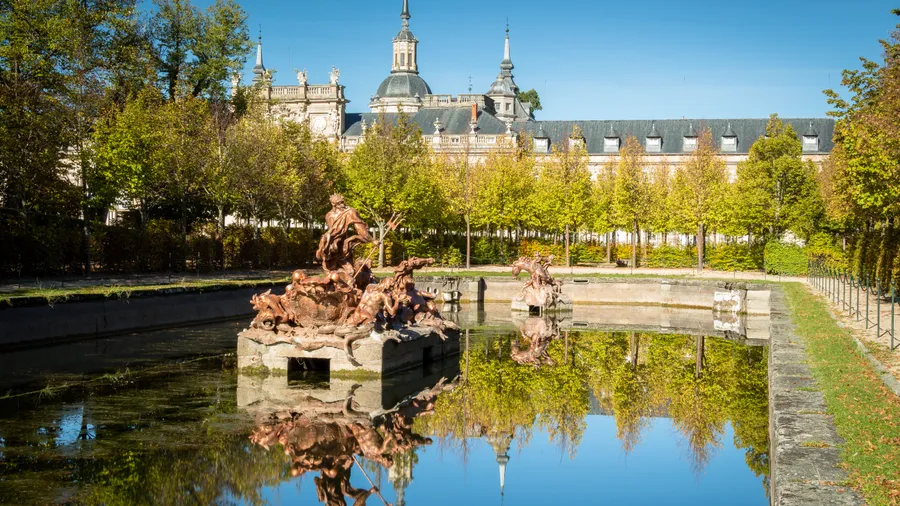
  • • Royal Palace of La Granja as the centerpiece
  • • Classical sculptures and geometric flowerbeds
  • • 18th-century hydraulic system without electric pumps

Description

The Jardines de la Granja de San Ildefonso are a historic garden complex located in the town of San Ildefonso, Segovia province, within the Sierra de Guadarrama Natural Park. Designed in the 18th century, these gardens were conceived as a reflection of the French style, drawing special inspiration from the gardens of Versailles. They spread around the Royal Palace of La Granja, the summer residence of the Spanish kings, offering a journey through a carefully designed landscape featuring geometry and symmetry that harmonizes with the surrounding mountain environment.

Visitors can admire 26 monumental fountains powered by a gravity hydraulic system without electric pumps. Highlights include the Diana Baths Fountain, the Neptune Fountain, and the Frog Fountain. The route also features walks among flowerbeds, clipped hedges, classical sculptures, and centuries-old trees providing shade and coolness. The combination of water, stone, and vegetation creates a serene and refreshing atmosphere, with the constant sound of flowing water as a main feature.

Historically, these gardens were commissioned by Philip V in the 18th century, who aimed to emulate the splendor of Versailles in Spain. The design reflects the influence of French Baroque and the importance of controlled nature as a symbol of power and order. The hydraulic system feeding the fountains showcases advanced engineering of the era, using the terrain's topography to generate water pressure and movement without external energy.

For a practical visit, comfortable footwear is recommended to walk the dirt and stone paths. Entrance to the gardens is free, although access to the palace may require a separate ticket. The gardens are open year-round, but the best time to visit is spring and summer when the fountains operate and vegetation is at its peak. The site is largely accessible for people with reduced mobility. No prior reservation is needed to visit the gardens, making it suitable for families and those who enjoy nature and history.

Key Information

Visit Duration

1-2 hours

Recommended Seasons

Spring, Summer

Pricing

Free

Accessibility

Medium

Kid-Friendly Pet-Friendly No Booking Required

Related Destinations

Guide

Essential information for visiting La Granja de San Ildefonso Gardens

Location
Practical Information
Pricing
Free
Visit Duration
1-2 hours
Features & Services
  • Accessibility:Medium
  • Kid-Friendly:Yes
  • Pet-Friendly:No
  • Booking:No Booking Required
Planning Information

Recommended Seasons

Spring · Summer

Best Time to Visit

The best time to visit is spring and summer, when the fountains are active and the vegetation is at its peak.

Visitor Tips

Visit the gardens in spring or summer to enjoy the fountains at full operation. Wear comfortable shoes and bring water, as the tour is outdoors and can be lengthy. Take the opportunity to explore the Royal Palace of La Granja located within the same grounds. Avoid rainy days for a better experience and photography. Check fountain schedules to catch them in action.

Historical Facts

The gardens were designed in the 18th century by order of Philip V, inspired by the gardens of Versailles. The hydraulic system powering the fountains works by gravity without pumps, utilizing the terrain's topography, representing a significant technical advancement for the time.

Frequently Asked Questions

Get answers about La Granja de San Ildefonso Gardens

The full tour usually takes between 1 and 2 hours, depending on pace and stops.
The fountains mainly operate during spring and summer, especially on weekends and holidays.
Yes, there is parking near the main entrance to the gardens.
Yes, most main paths are accessible, though some areas may be uneven.
Pets are not recommended to preserve the environment and tranquility of the site.