Dénia occupies the northern tip of the Alicante Costa Blanca, beneath the outline of the Montgó, a 753-metre limestone massif designated as a Natural Park. The mountain visually dominates the municipality and provides the setting for hiking and climbing: the Barranc de l'Infern route, one of the most visited in the Valencian Community, descends from the park's heights to the shoreline through a deep gorge with springs and vertical walls. The Montgó's faces host limestone climbing sectors with ro...
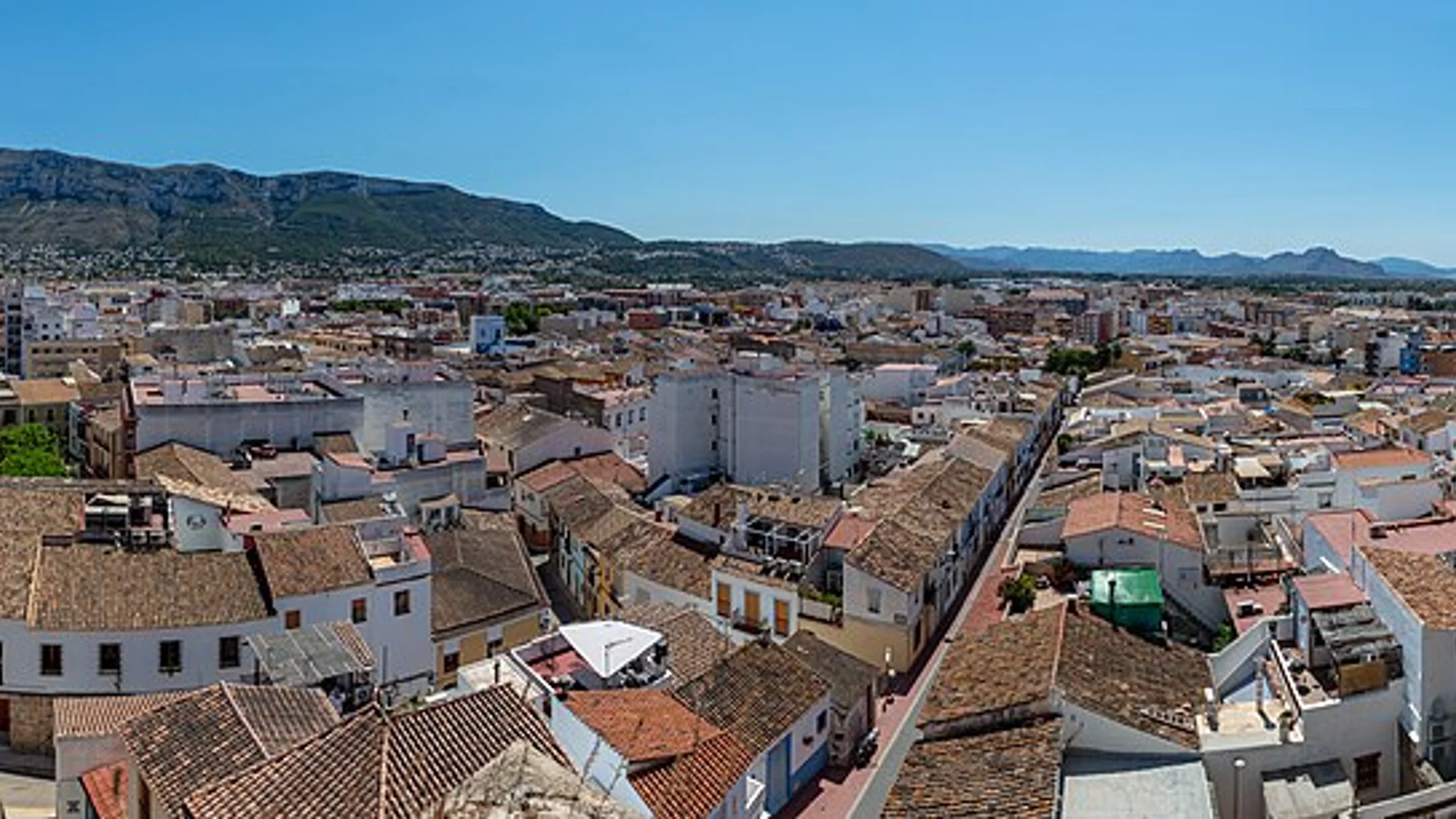
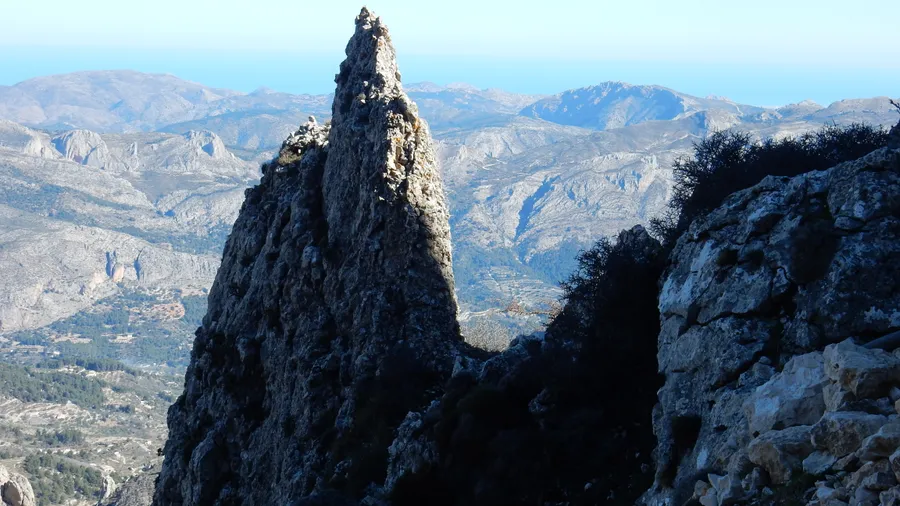
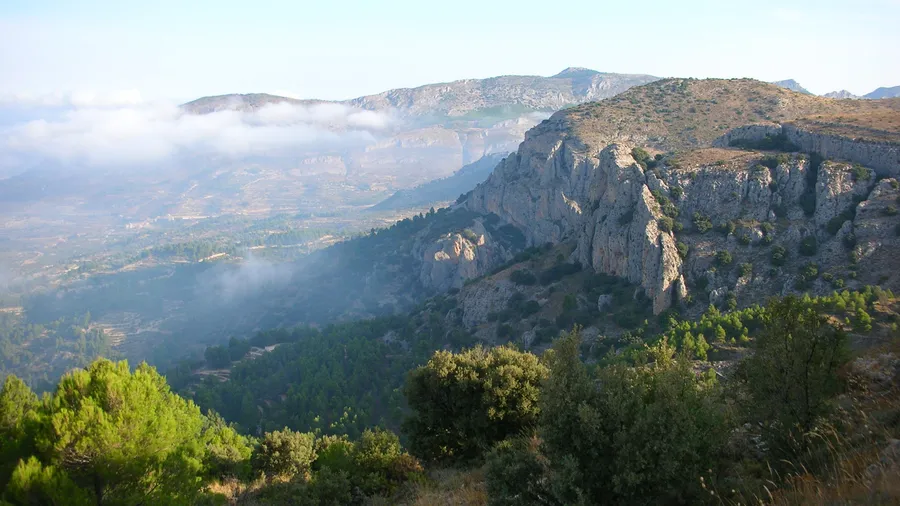
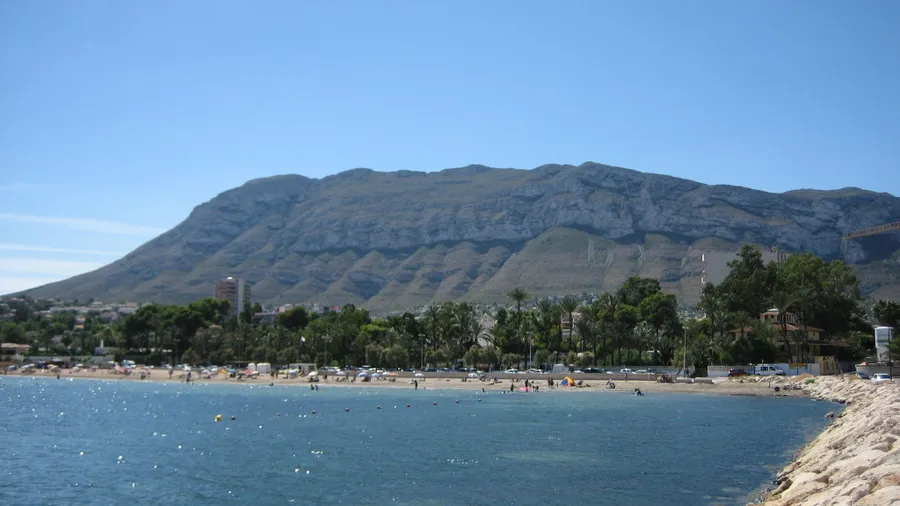
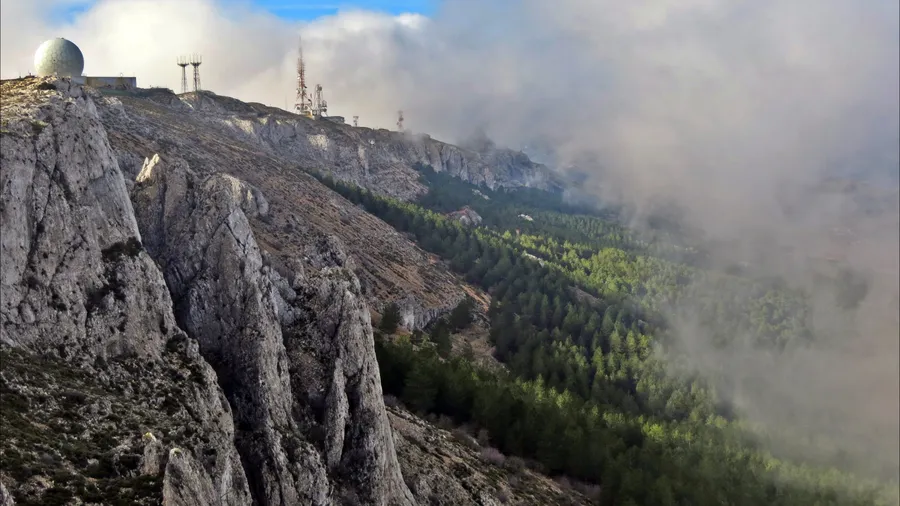
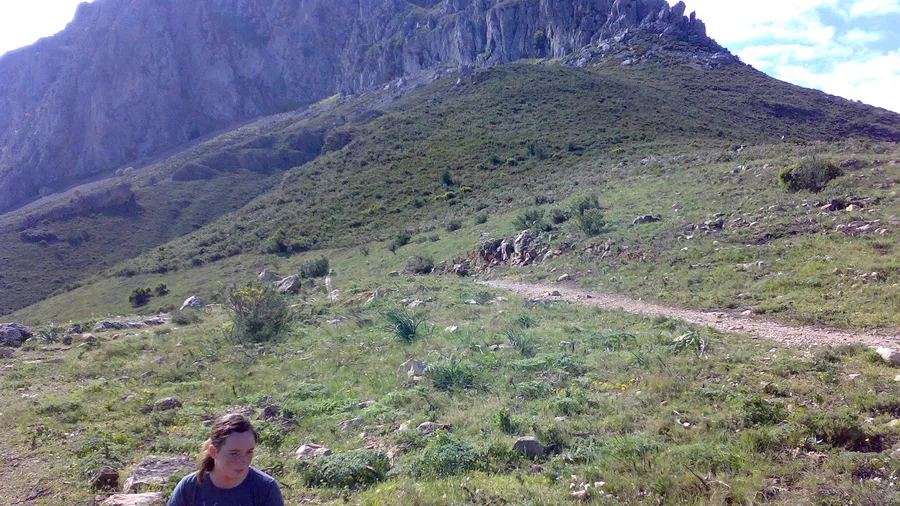
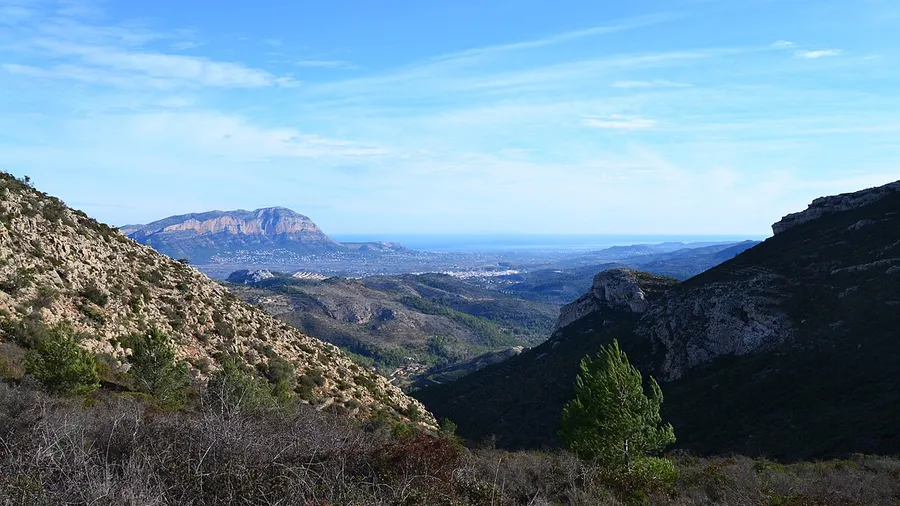
Dénia occupies the northern tip of the Alicante Costa Blanca, beneath the outline of the Montgó, a 753-metre limestone massif designated as a Natural Park. The mountain visually dominates the municipality and provides the setting for hiking and climbing: the Barranc de l'Infern route, one of the most visited in the Valencian Community, descends from the park's heights to the shoreline through a deep gorge with springs and vertical walls. The Montgó's faces host limestone climbing sectors with routes for all levels.
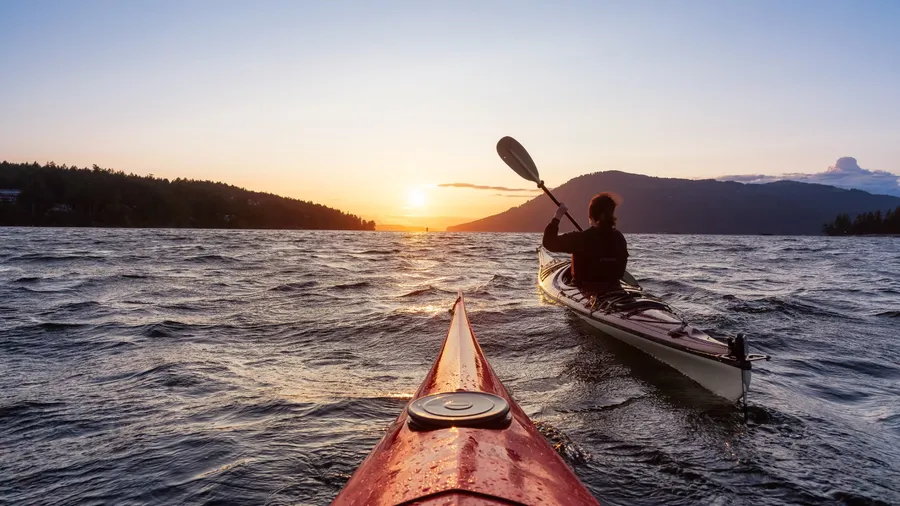
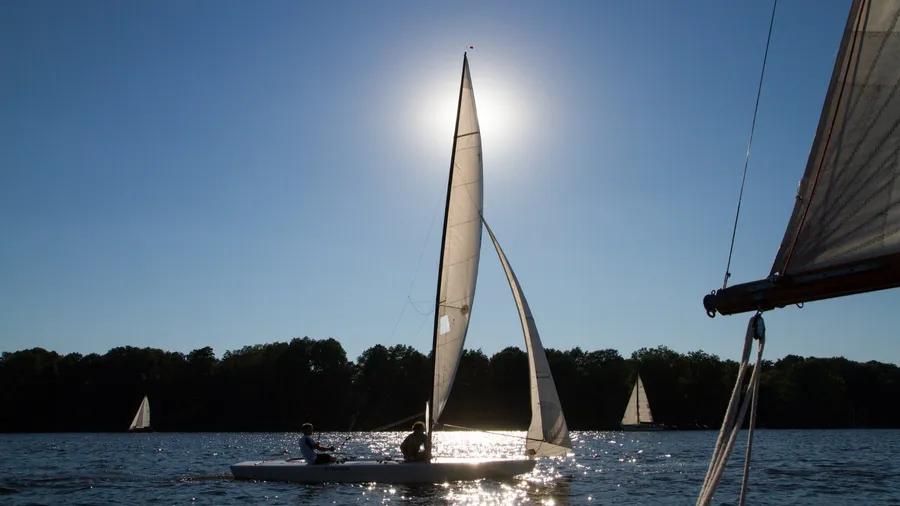
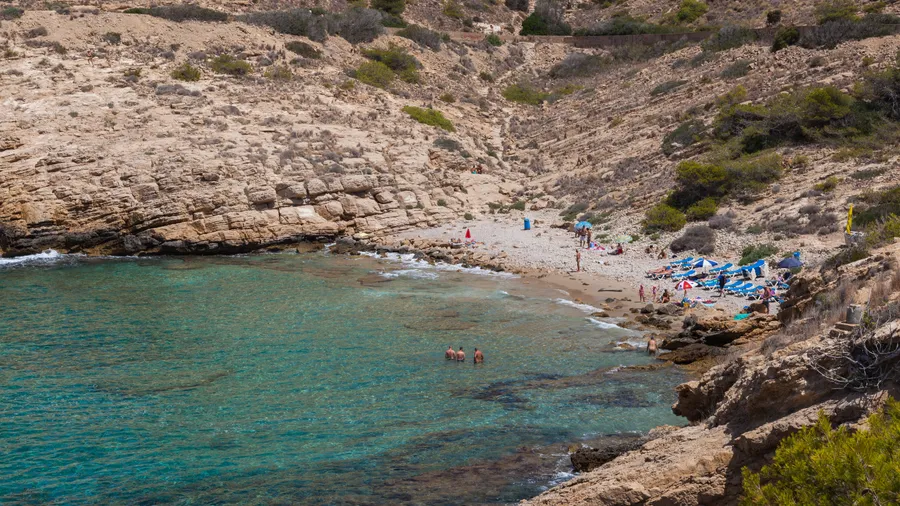
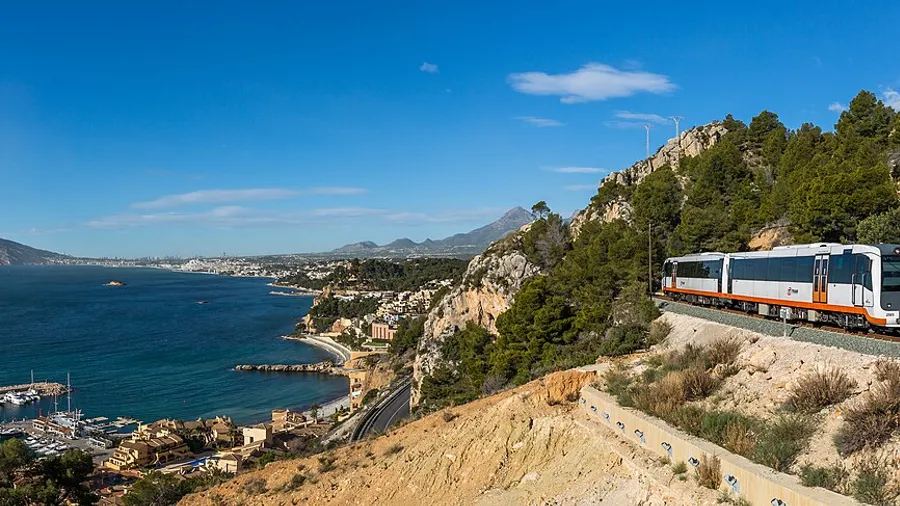
The sea in front of Dénia combines the high coastline of Les Rotes, with rocky coves accessible by kayak or paddleboard, with the protected waters of the Illes Columbretes Maritime-Terrestrial Natural Park, a few hours by boat, where volcanic seabed and marine biodiversity make diving a high-quality experience. Sailing and windsurfing find stable wind conditions in Dénia's port and the Les Marines bay. Sea kayak routes around the Cap de Sant Antoni allow exploration of sea caves and posidonia seagrass meadows.
Highlights
• Barranc de l'Infern hiking route: deep gorge from Montgó down to the sea
• Rock climbing on Montgó Natural Park limestone faces at all levels
• Sea kayaking in Les Rotes coves and Cap de Sant Antoni sea caves
• Diving at Illes Columbretes: volcanic seabed with high marine biodiversity
Best time to visit
May–June and September–October for Montgó hiking and kayaking. Summer for diving and water sports. January–March for climbing in mild temperatures.
Practical tips
The Barranc de l'Infern route requires prior registration and a fee at the natural park. For the Columbretes, very limited capacity: book 4–6 weeks in advance in summer.
How long does the Barranc de l'Infern route near Dénia take?
The full round trip is around 18–20 km and takes 5 to 7 hours depending on pace. The one-way version from the start point to the sea requires arranging transport at the far end. Trekking footwear is essential; some gorge sections have water and slippery surfaces.
Can you dive at Illes Columbretes from Dénia?
Yes. Companies in Dénia and Jávea organise day boat trips to the Columbretes. The marine natural park has an entry quota and limited capacity; booking several weeks in advance is necessary during peak season.
When is the best time for sea kayaking in Dénia?
From May to October when the sea is calm. Summer brings still water and good underwater visibility for snorkelling from the kayak. June and September combine good weather with fewer crowds on the coast.