High Route of the Pyrenees (HRP)
Treks & expeditions
Featured Hiking Trail running

High Route of the Pyrenees (HRP)

The Pyrenean ridge from coast to coast: 800 km of high mountains along the Franco-Spanish divide, plus iconic 3,000-metre summit ascents like Aneto. For mountaineers with experience in trekking and snow.

From 250 € /person

1-55 nights
Very challenging
Huesca

No commitment · We design it with you

§02 — The place

800 km of ridge, 45 days between two seas

You start with your feet wet in the Atlantic of Hendaye and end, weeks later, facing the Mediterranean of Cap de Creus. In between, the entire crest of the Pyrenees: the Ossoue glacier under Vignemale, the lakes of Aigüestortes, the Navarran passes that smell of beechwood, Aragonese valleys to restock, and conversations in French with the caretaker of a refuge that only opens four months a year. It’s not a trek. It *is* the trek. The one Véron devised in '68 and since then only those willing to live it day by day, without shortcuts, cross.
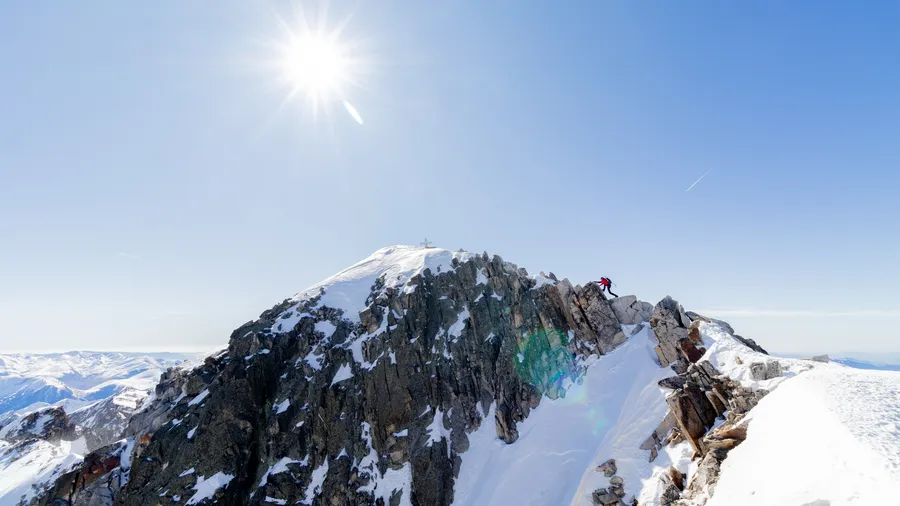
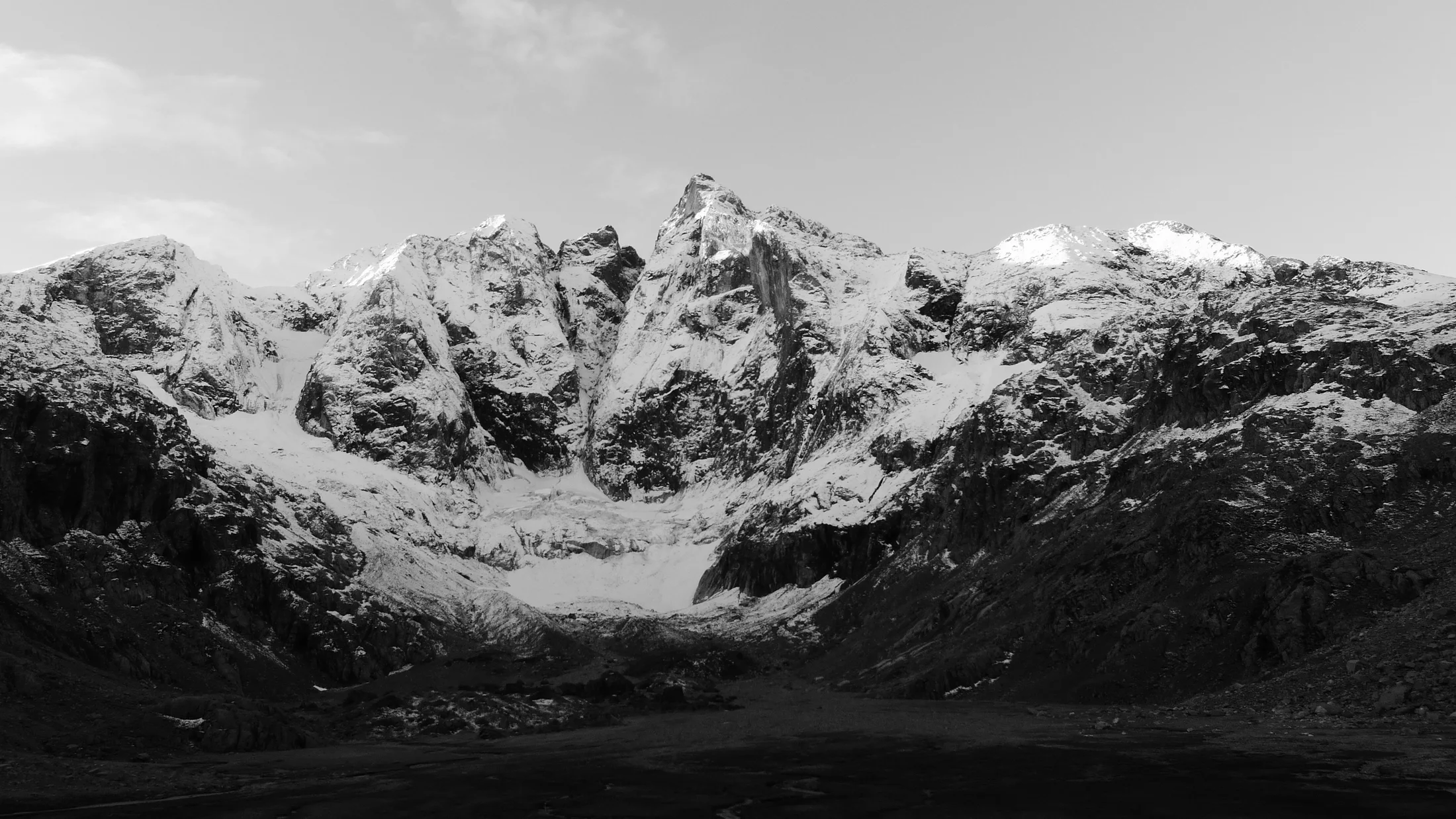
Vignemale at dawn (3,298 m), the highest peak of the HRP
Ossoue Glacier, the last active one in the Pyrenees.
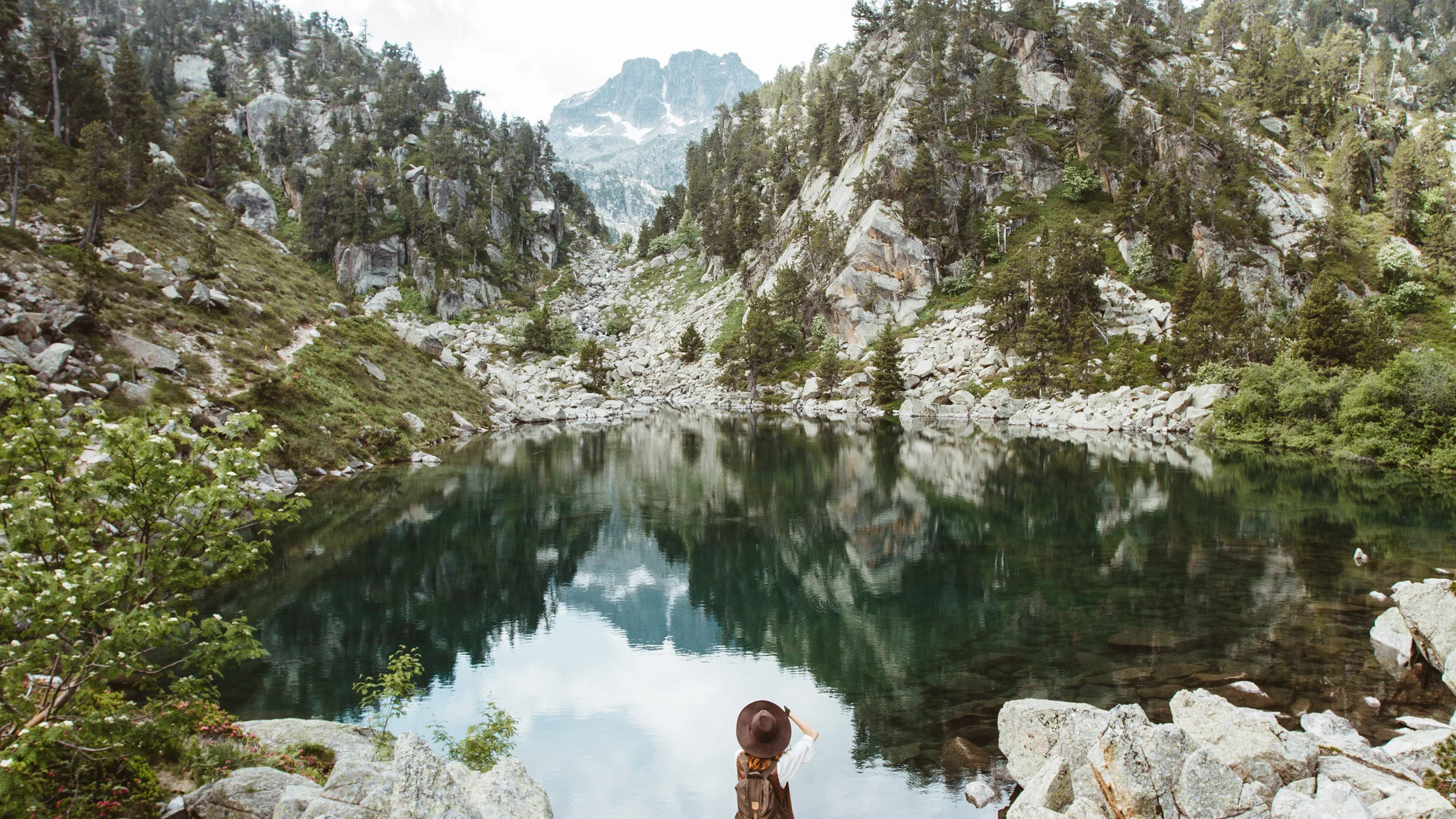
Lakes of Aigüestortes, Catalan national park
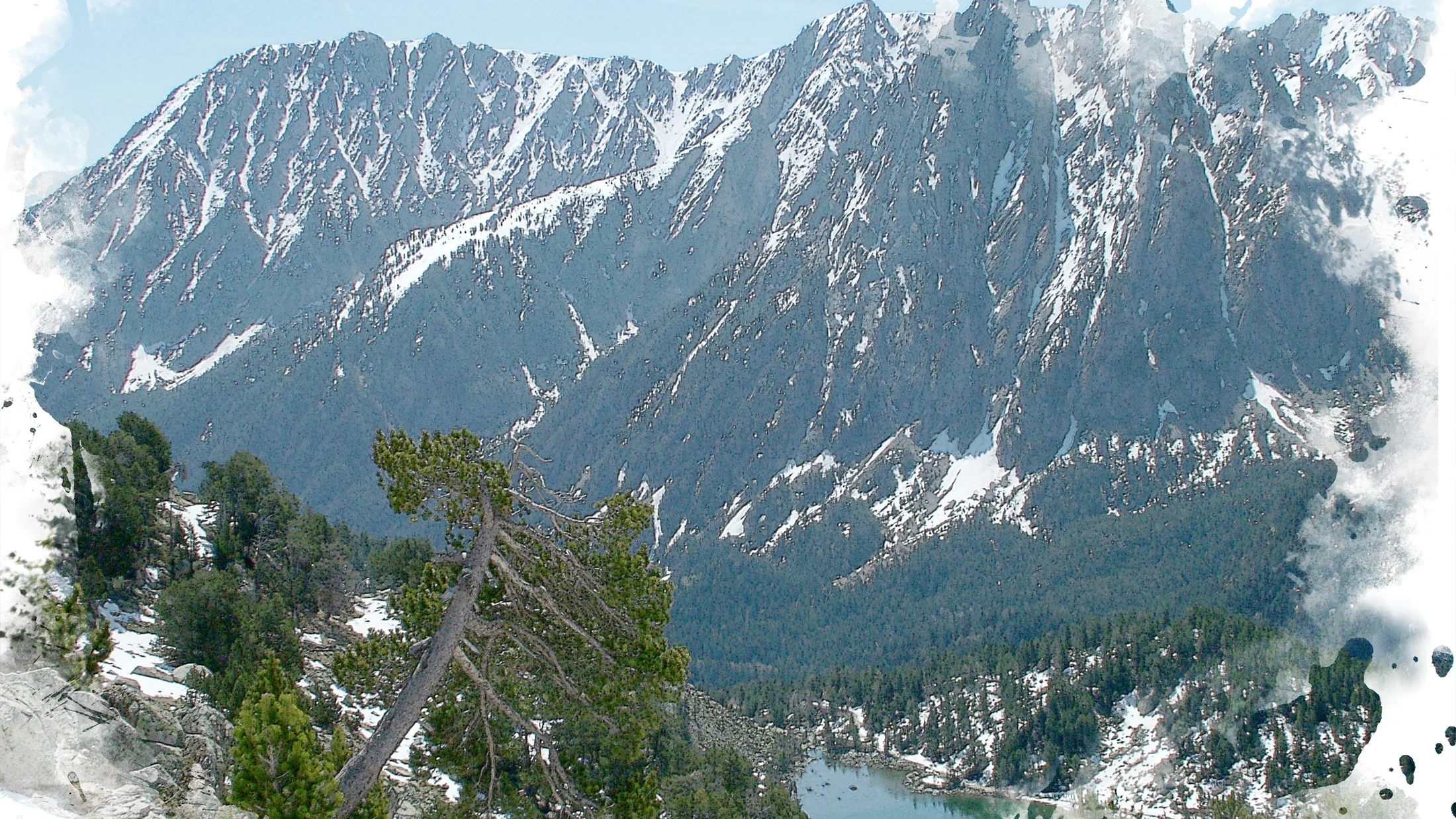
The Enchanted Ones, the two mythical towers of Sant Maurici.
§03 — Why it stands out

Why it stands out

  1. 01

    Atlantic to Mediterranean on foot

    800 km of ridge between Hendaye and Cap de Creus, conceived by Georges Véron in 1968. The longest and most demanding crossing of the Pyrenees.

  2. 02

    Three countries from the highest ridge

    Spain, France and Andorra linked by the watershed, with passage through the giants Vignemale (3.298 m), Monte Perdido, Posets and Aneto.

  3. 03

    The last glacier of the Pyrenees

    The route passes next to the Ossoue glacier, the only still-active glacier in the Pyrenees. It could cease to exist within 5-10 years.

  4. 04

    45-55 consecutive days of charging

    There’s no easy version. The HRP is a real commitment: tough stages, self-navigation, shelters you book yourself, supply valleys every 4-6 days.

§04 — Who it fits

Who it fits

With friends Adventure Disconnection Photography Car-free
Suited for very experienced alpinists and hikers who have years of high-mountain experience – people who have already completed the GR-11 or GR-10, who are comfortable spending weeks in mountain huts, and who can read a map and GPS without hesitation. NOT suited for those who haven’t completed at least a multi-week trek before, those with knee or ankle problems (45 days carrying 12 kg is demanding), or those who cannot navigate independently with a 1:25,000 map and GPX track in areas without coverage. If the idea appeals to you but you’ve never done a long trek before, start with the GR-11 (8-12 nights): it’s the logical stepping stone before the HRP.
No commitment · We design it with you
§05 — What you can live

What the expedition includes

An editorial showcase of what the destination offers. Nothing to book here - we shape it when you write to us.

Gear

Backpack essentials: boots, layers, headlamp, and the basics.

Featured

Light crampons and short ice axe

10-point semi-automatic crampons + 50-60 cm technical ice axe. Essential if you go through the Ossoue glacier or the Aneto-Maladeta section. In dry years they can be kept stored but the weight (~1.5 kg) is a safety guarantee.

Category B/C boots compatible with crampons

Mid-height boot with a rigid sole and semi-automatic crampon attachment. Minimum Category B for the standard HRP; C if you plan on more serious glacier sections. Break in the boots on weekend trips before the HRP — do not wear them brand new.

Logistics

Getting there, getting back, and internal transfers - so you only have to walk.

Featured

Arrival in Hendaye: train from San Sebastián

San Sebastián to Hendaye by Euskotren or French train (~30 min, 4€). Hendaye SNCF has connections to Paris and Madrid via Hendaye-Plage. It is recommended to arrive the day before and stay near Hendaye beach to start with your feet in the Atlantic at sunrise.

Cap de Creus Departure: Bus to Cadaqués + Figueres

Taxi-bus descent from the Cap de Creus lighthouse to Cadaqués (8 km, no regular public transport). From Cadaqués, daily bus to Figueres and connection with AVE high-speed train to Barcelona or Madrid. Book an extra day in Cadaqués to celebrate.

Restock in Aragonese valleys

Every 4-6 days you descend to a populated valley to resupply: Lescun, Gavarnie, Gèdre, Salardú, Espot, Núria. Small supermarkets, bakeries, local cheese shops. Take the opportunity for a hot shower and laundry at rural lodging.

Huts & lodging

Where you sleep each night: staffed huts, rural inns, or valley houses.

Featured

Pombie Refuge (Pic du Midi d'Ossau)

CAF Refuge at 2,032 m below the south face of Pic du Midi d'Ossau, the most photogenic peak in the Pyrenees. 51 beds in communal bunks, fixed pasta + cheese dinner. Book via FFCAM website.

Wallon Refuge (Cauterets)

Historic CAF refuge at 1,866 m in the Cauterets valley, a former 19th-century hotel renovated. 116 beds. Good atmosphere, red wine, sunset over the Vignemale.

Bayssellance Refuge (the highest)

The highest guarded refuge in the Pyrenees (2,651 m), an aluminum capsule on rock next to the Ossoue glacier. 70 beds in narrow bunks, scarce water, intense cold. Reservation required 6 months in advance.

Estany Llong Refuge

FEDME Refuge in Aigüestortes National Park at 2,000 m, next to Llong lake. 49 beds, Catalan atmosphere, dinner with valley products. Beautiful sunset views.

Stages

Day by day: distance, elevation, and where you sleep at the end of each stage.

Featured

Hendaye Stage → Olhette: From the Atlantic to the Beech Forest

First classic day of the HRP. Feet on the Atlantic in Hendaye at dawn and a gradual ascent into French Basque Country among beech forests and meadows. ~20 km, 1,000 m of positive elevation gain, gentle terrain to get used to the load.

Larrau Stage: Navarran steps

Navarran Pyrenean section between Larrau and Pico d'Ori. Beech forests, windy passes, pastoral houses. Still moderate terrain before entering the Aragonese giants. ~22 km, 1.200 m elevation gain.

Vignemale Stage: the roof of the HRP

The queen stage. Ascent to the pass between Petit Vignemale and Vignemale (3,298 m), passing by the Ossoue glacier (the last active glacier in the Pyrenees) and descent to the Bayssellance refuge, the highest in the range. Crampons recommended. ~12 km of technical terrain, 1,500 m elevation gain.

Aigüestortes Stage: Catalan Lakes and Ridges

Star section of the Catalan Pyrenees. Hanging lakes, Crest of the Encantats, meadows with horses. Entrance to Aigüestortes i Estany de Sant Maurici National Park. ~18 km, 900 m elevation gain.

Final Stage Cape Creus: feet in the Mediterranean

After 800 km, the last 18 km descend from the Albera mountains to Cap de Creus, rocky Mediterranean coast. Sunset at the lighthouse, end of the journey. No serious elevation gain but with brutal emotional weight.

Variants

Shorter or longer versions depending on days available and the group's level.

Featured

Variant: Complete GR-11 (Spanish version)

If the HRP seems too much but you want a great Pyrenean crossing, the GR-11 crosses Spain from Atlantic to Mediterranean in 45-50 stages without touching the glacier. Less technically demanding, same time commitment, Spanish terrain all the way.
§06 — The practical side

Expedition practicalities

Best season
Summer
Fitness level
Very challenging
Typical length
1-55 nights
More practical details

Physical level & requirements

Very high. 45-55 consecutive days of walking 6-8 effective hours with a 10-12 kg backpack, at altitudes up to 3,000 m, with daily elevation gains of 800-1,500 m. Requires proven prior experience in high mountains, easy glacial terrain, non-technical ridges and autonomous orientation. This is not for a first long trek — it’s for those who already have several multi-week treks under their belt.

How to get there

Best Time to Go

July and August + the first two weeks of September. In June, residual snow remains at high passes (Vignemale pass, Aneto, Carros de Foc). After September 20th, French mountain huts begin to close and fresh snow can fall at any time.

Essentials

French IGN 1:25,000 maps + Spanish IGN maps + Catalan Editorial Alpina. GPS with offline downloaded tracks. European rescue insurance (FFME / FEDME). Months of prior training, not weeks. Light crampons and ice axe optional depending on the year’s conditions — necessary on the Ossoue glacier if you go that way.

Mountain Huts

Book 3-6 months in advance, especially in August. A mix of French (CAF), Spanish (FAM/FEDME) and Andorran huts. Some only accept reservations by phone. Bring cash: many do not accept cards.

Languages

Spanish, French and Catalan depending on the area. Basic French is very helpful: 60% of the route passes through France.
Recommendations

Do it west→east (Hendaye → Cap de Creus): this is the traditional direction, prevailing weather comes from the Atlantic and the difficulty increases gradually. Include a complete rest day every 7-8 stages (Lescun, Gavarnie, Salardú or Núria are good points). Replenish supplies every 4-6 days in inhabited valleys — there is no supermarket on the ridge. Pass by Pic du Midi d'Ossau and Bréche de Roland as iconic points. Keep a diary: after 30 days the towns start to blur together.
§07 — hub.reservablePackages

hub.reservablePackages

§08 — Questions

Frequently asked questions

Do I need a hired guide?

It’s not mandatory and most people do it independently. If you aren't familiar with glaciers (Ossoue) or don’t have experience on Pyrenean ridges, hire a guide for the 2-3 critical sections instead of the entire route.

When is there snow?

At high mountain passes there may be residual snow until the end of June (Aneto, Vignemale, Carros de Foc). From September 20th new snowfalls may occur. The safe window is from July 1st to September 15th.

Do I need crampons and an ice axe?

Light crampons and a short ice axe are recommended, especially if you go through the Ossoue glacier or hike the Aneto. In dry years they may not be necessary, but going without them limits alternative routes.

Can it be shortened?

Yes – many do sections of 10-15 days (Aragonese section, Catalan section, Navarre section). But you lose the essence of the HRP, which is the continuity from sea to sea. A more affordable alternative: the complete GR-11 (15-20 days).

How do I manage mountain hut reservations?

Book 3-6 months in advance, especially from mid-July to the end of August. French nationals by phone or web FFCAM, Spanish nationals via FEDME. Bring cash for places that don’t accept cards.

We'll shape it around you

Tell us how you travel - dates, group, pace, budget - and we'll design the trip exactly the way you need it.

Tell us about your trip

Send us your preferences and we'll put together a personalised proposal.

Campos obligatorios

¿Cómo prefieres que te contactemos?

Trip preferences (optional)

¿Cuándo te gustaría viajar?