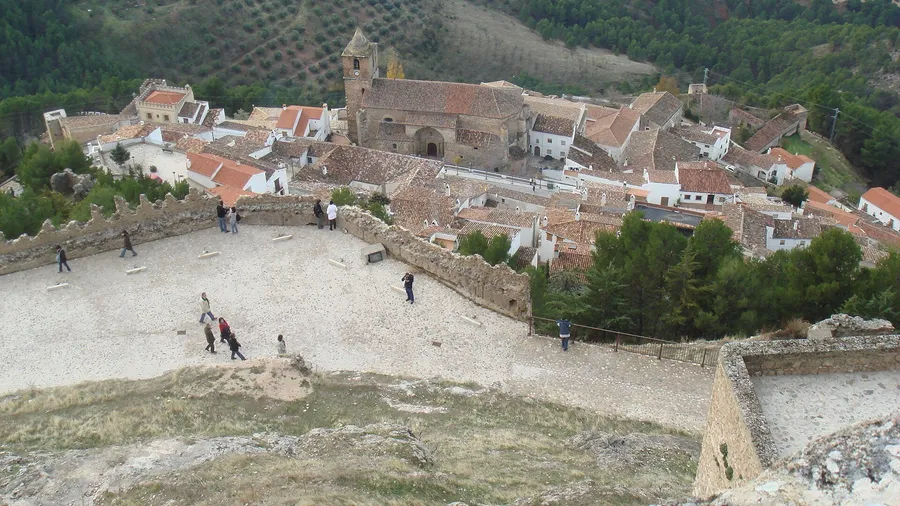
Castle and Arab baths of Segura de la Sierra
10th-century Caliphal fortress rebuilt by the Order of Santiago. The 13th-century Arab baths are among the best preserved in Andalucía. Self-guided, no more than 2 hours.
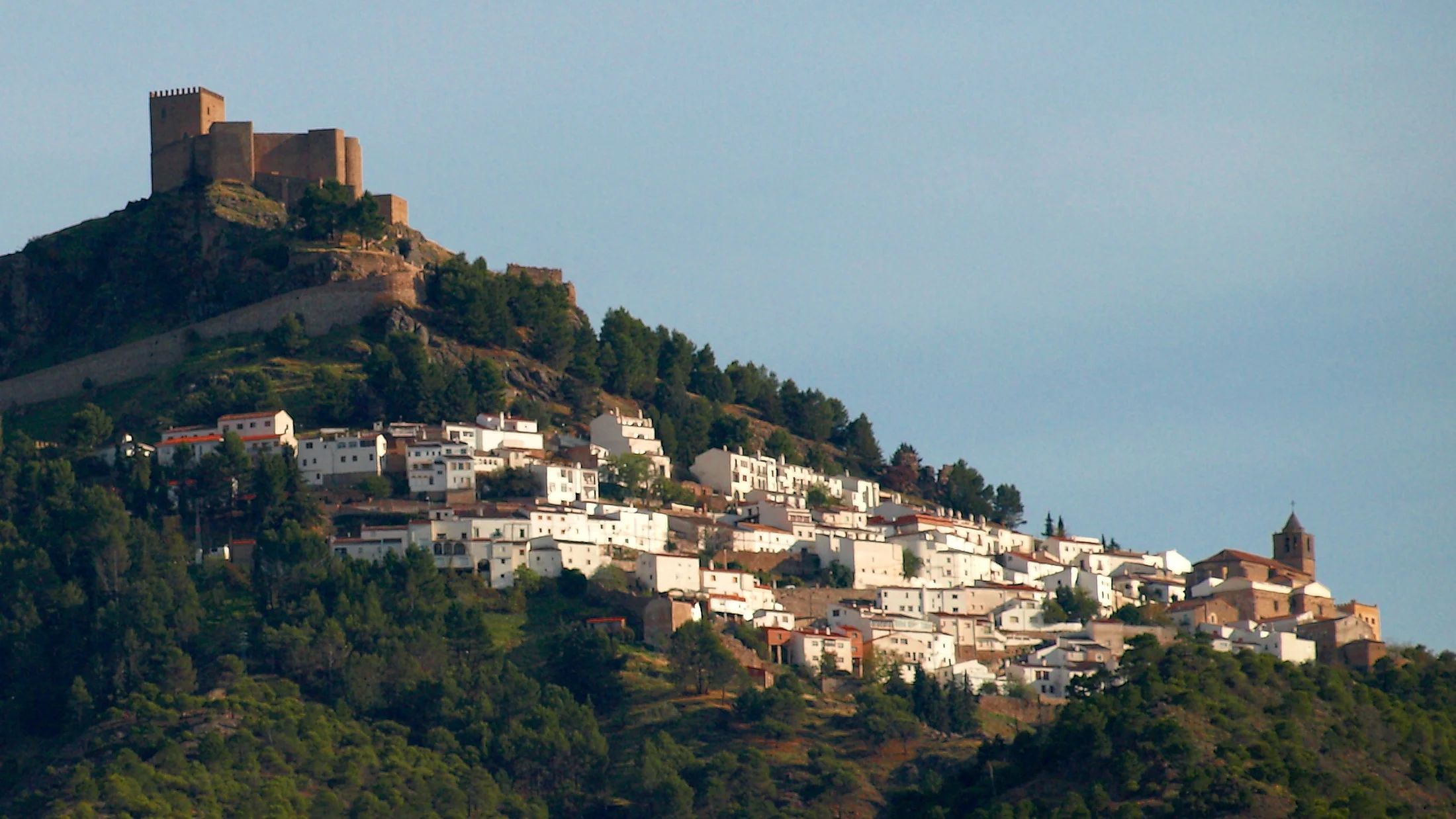
Demanding hiking in the wildest interior of the Sierras de Cazorla, Segura and Las Villas Natural Park. Limestone peaks, white summit villages and real silence.
From 110 € /person
No commitment · We design it with you
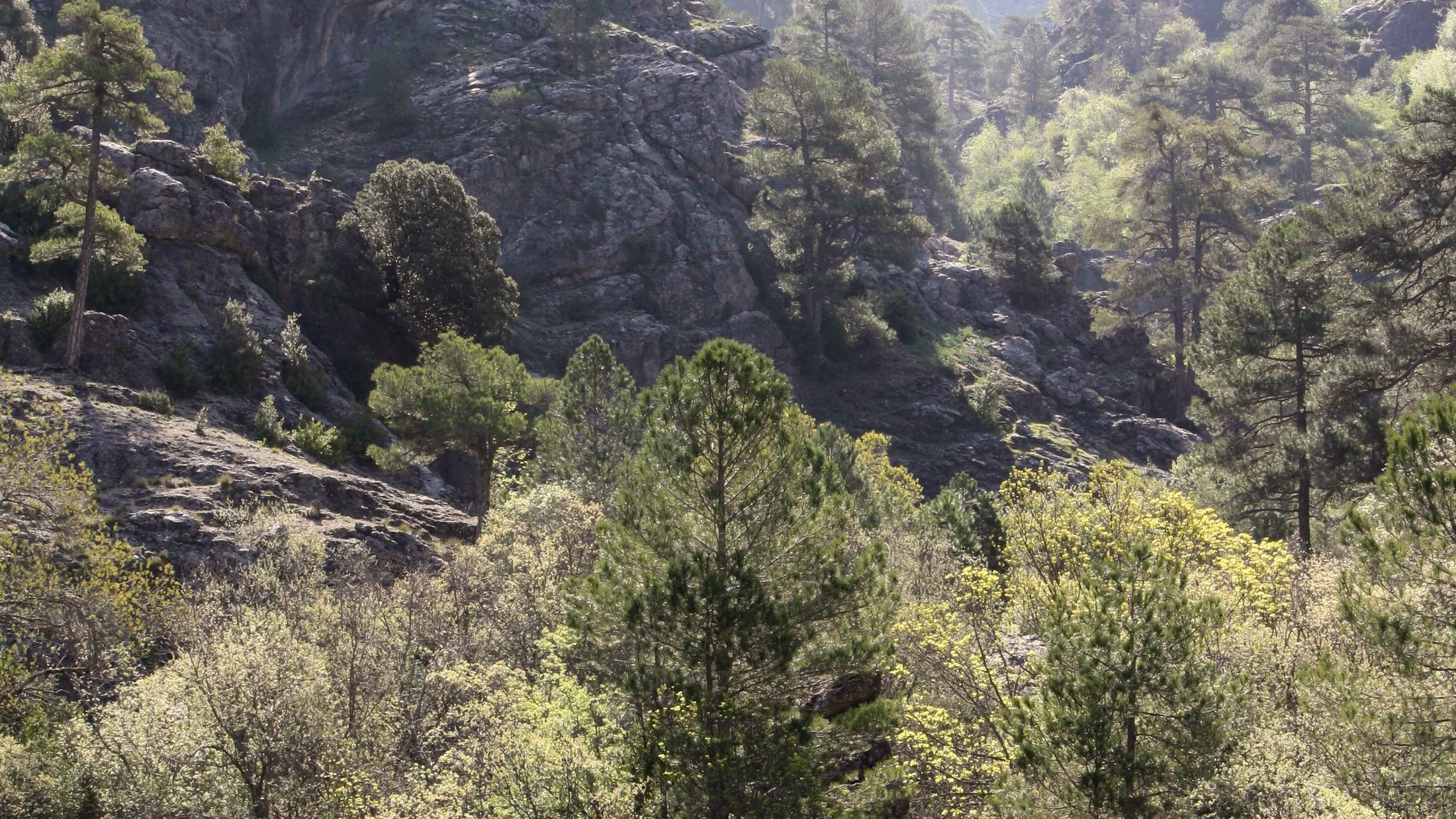
Cazorla, Segura and Las Villas adds up to more than 200,000 hectares of protected land and has been a UNESCO Biosphere Reserve since 1983. And Segura is its least trodden third: the scale you were looking for without the queue you feared.
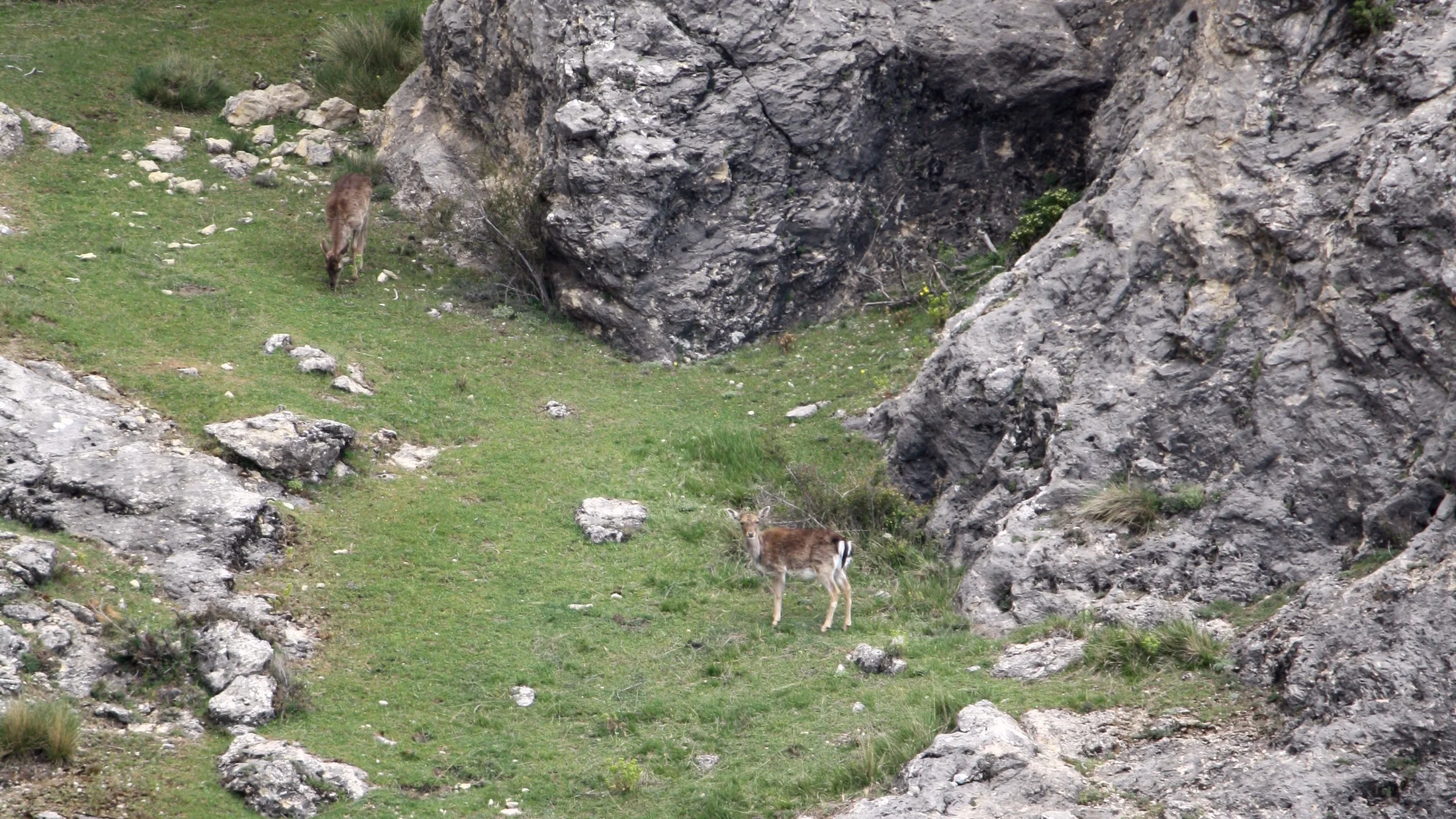
Reintroduced wild goat (sightings at dawn), deer, boar, genet, golden eagle, Spanish imperial eagle and bearded vulture from the reintroduction program. Only the wolf is missing, extinct here at the end of the 20th century. Bring binoculars.
Segura de la Sierra (1,200 m, Caliphate castle and 13th-century Arab baths), Hornos (above the Tranco reservoir) or Santiago-Pontones aren’t scenery: they are small towns where extensive livestock farming and beekeeping still thrive. Conversation included.
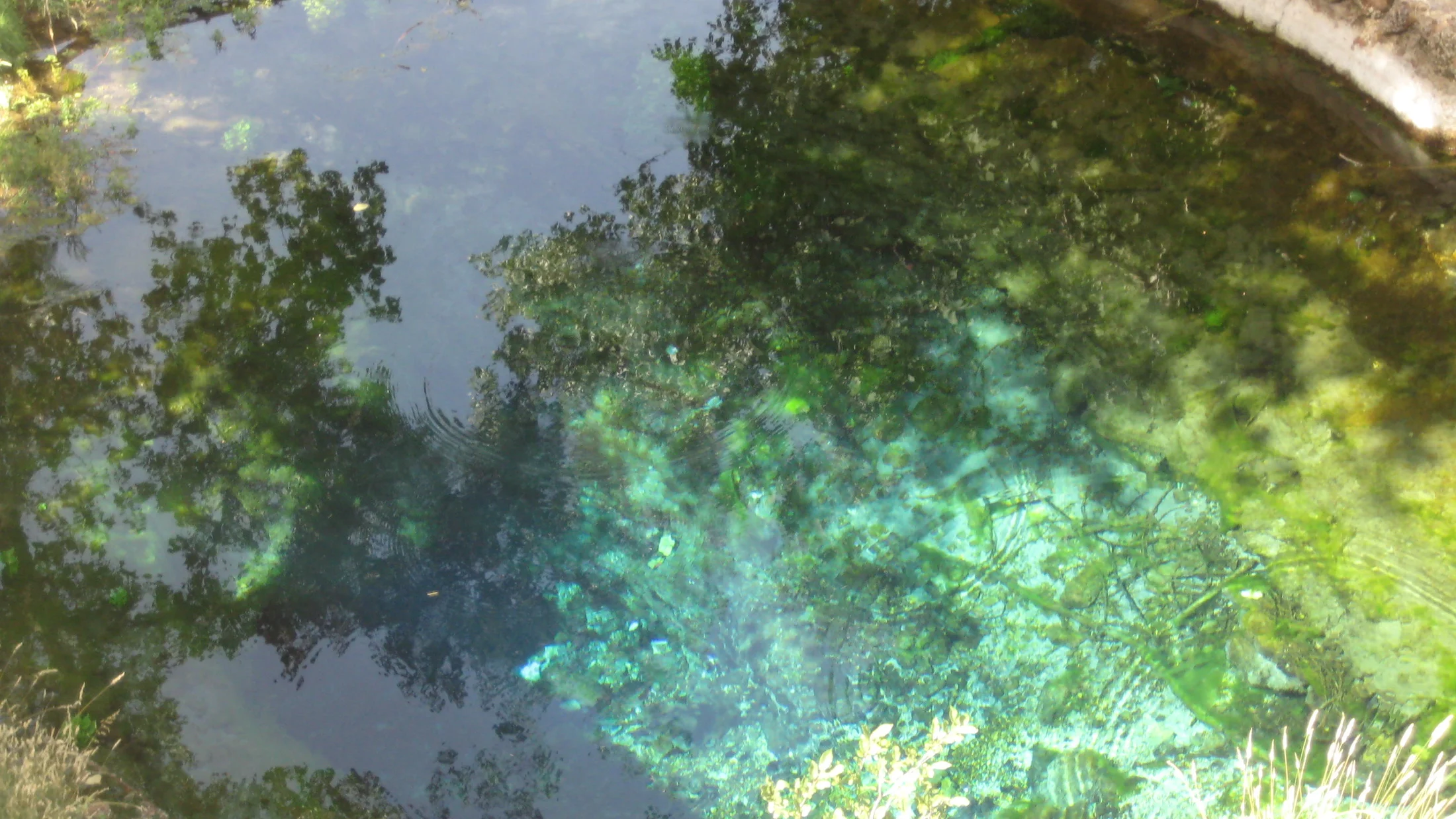
The Segura River is born in this park, in a pool accessible on foot in 40 minutes. The Guadalquivir does the same just a few kilometers to the south. You walk, for a day, over the source of the water that irrigates Murcia, Seville and all of lower Andalusia.
An editorial showcase of what the destination offers. Nothing to book here - we shape it when you write to us.
What makes this place different: heritage, crafts, local history.
Backpack essentials: boots, layers, headlamp, and the basics.
Eating well without the manual - local product, village pace.
Getting there, getting back, and internal transfers - so you only have to walk.
Landscape unfiltered: what you see on foot, without the car.
Day by day: distance, elevation, and where you sleep at the end of each stage.
Best in spring (April-June) and autumn (September-November). Summer: extreme heat at lower elevations, afternoon thunderstorms over the peaks. Winter: snow above 1,400 m and secondary roads impassable.
Granada (2h30) or Murcia-Corvera (2h30) airports. Train to Linares-Baeza plus mandatory car: public transport to Segura de la Sierra and Hornos is very limited. Roads inside the park are narrow with tight bends — drive slowly.
The park requires authorisation for wild camping and for some restricted routes (bearded vulture reserve zone). Sleep in legal accommodation or check with the Torre del Vinagre Visitor Centre.
Mid-cut boots with ankle support (loose terrain and rock), minimum 2 L water (springs are scarce at altitude), a warm layer even in summer, and a headlamp: the valleys go dark fast.
If it's your first time in the area, don't try to cover everything: Segura is a large park with slow access. Pick one base (Segura de la Sierra or Hornos are the two best: small, high up, with views that make you want to walk at dawn) and do day trips from there. Book dinner ahead: there are few restaurants and the good ones fill up, especially at weekends.
Bring binoculars. Bring time to stop. And if you're going in autumn, ask about truffles: the Sierra de Segura produces wild black truffle (Tuber melanosporum) and some restaurants serve it in season (December-March).
Cazorla is the park's more developed face: more lodging, more signed trails, more people. Segura is the opposite: small summit villages, slow access, less infrastructure and much more silence. If Cazorla is the gateway, Segura is the interior.
For short, well-marked itineraries (source of the Segura, Segura de la Sierra old town) no. For long traverses, climbing El Yelmo, or sections of the GR-247, yes — waymarking is uneven and there are zones with no mobile coverage.
Badly. There's a daily bus Jaén-Segura de la Sierra but timetables don't match hiking starts. Own or rental car is effectively mandatory.
Above-average. Expect 6-8 hours of walking with 600-1,000 m of vertical. If unsure, start with an easy day (El Yelmo path from the car park) before attempting the full climb.
No. The wolf went extinct in the area in the late 20th century. You will find Iberian ibex, red deer, wild boar, genet, beech marten, griffon vulture, golden eagle and, with luck and patience, reintroduced bearded vulture.
Scarce. Some springs at mid elevations but almost none above 1,500 m. Carry at least 2 L in summer.
We'll shape it around you
Tell us how you travel - dates, group, pace, budget - and we'll design the trip exactly the way you need it.