Segura de La Sierra Hiking
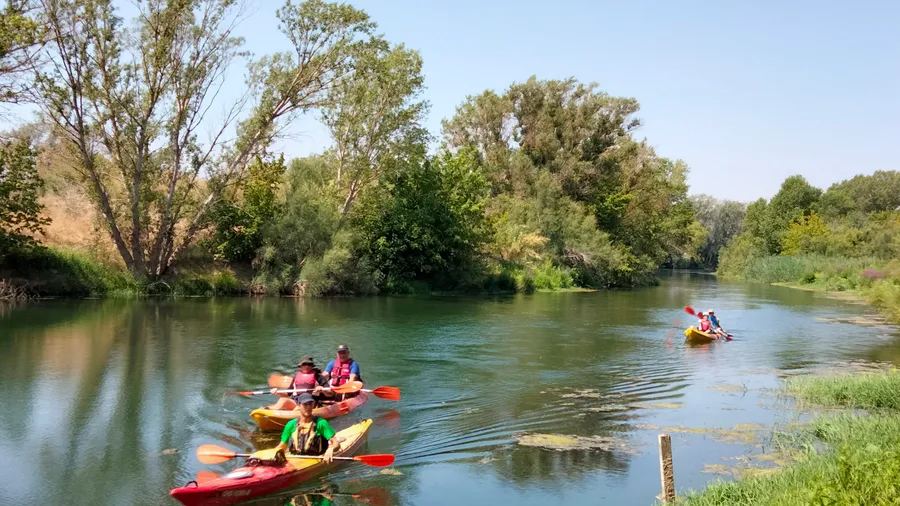
Three days paddling the Ebro's final stretch, from inland Tarragona to the Mediterranean. Self-paced crossing with rental kayak and full logistics included.
From 280 € /person
No commitment · We design it with you
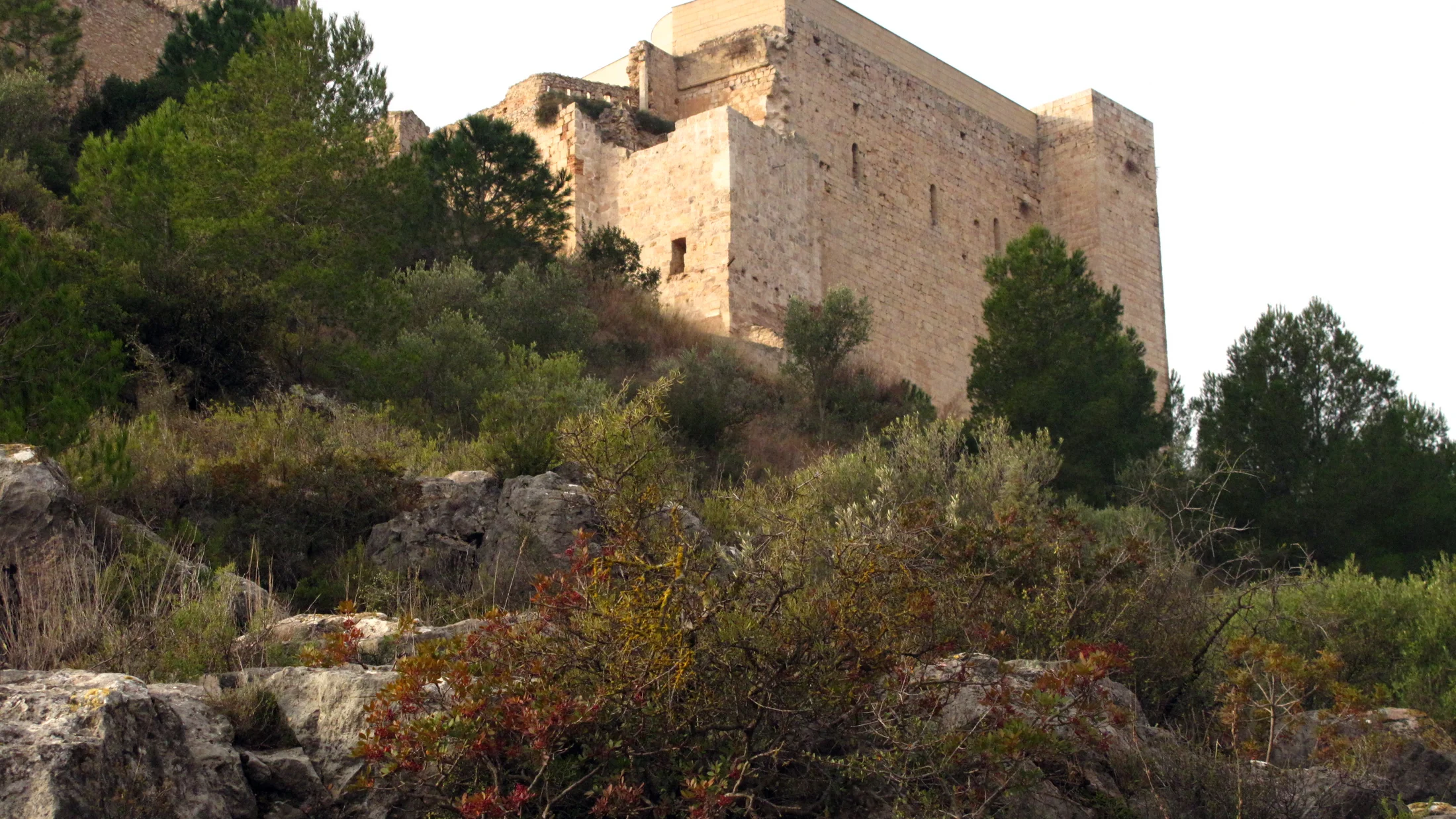
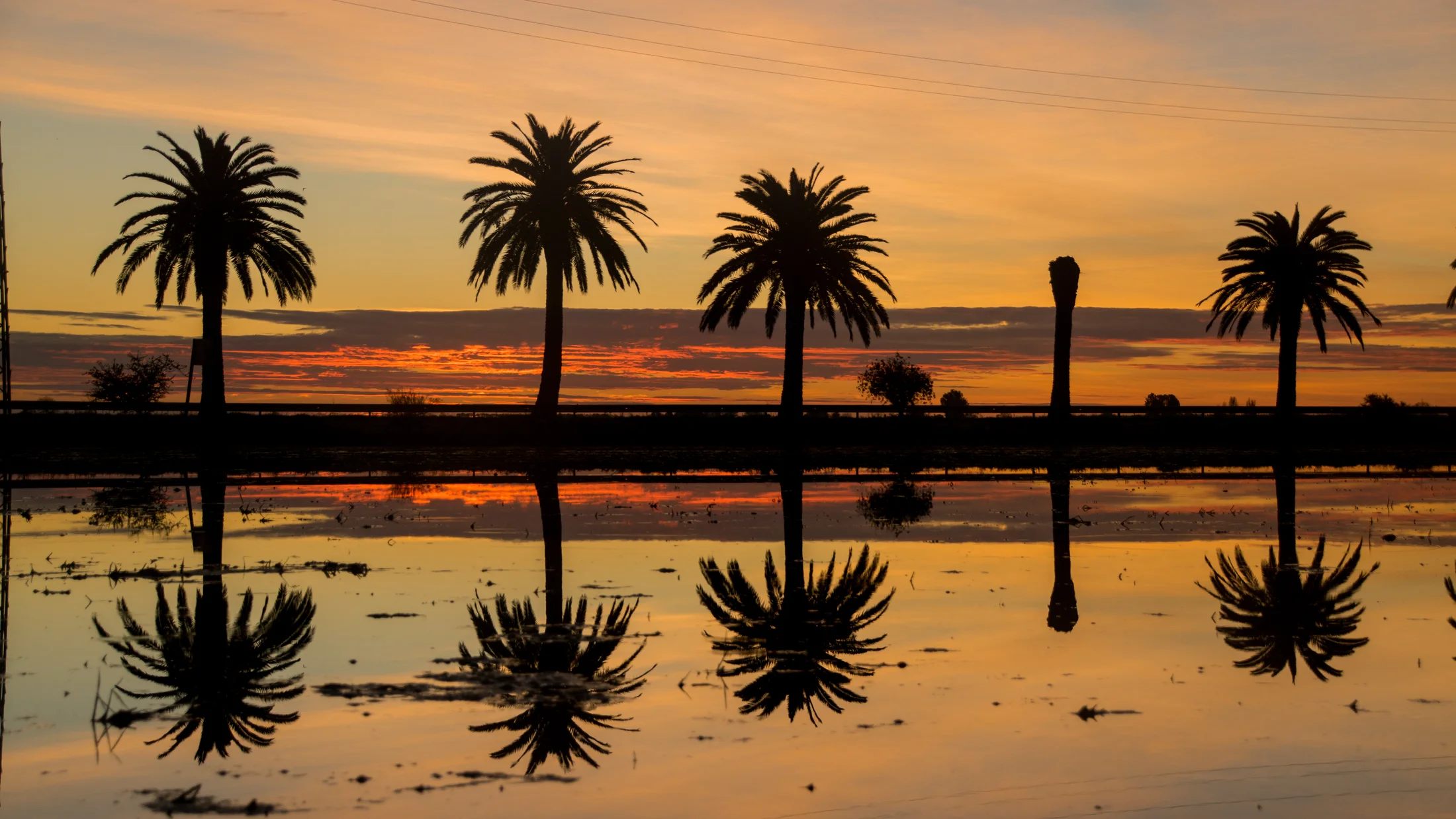
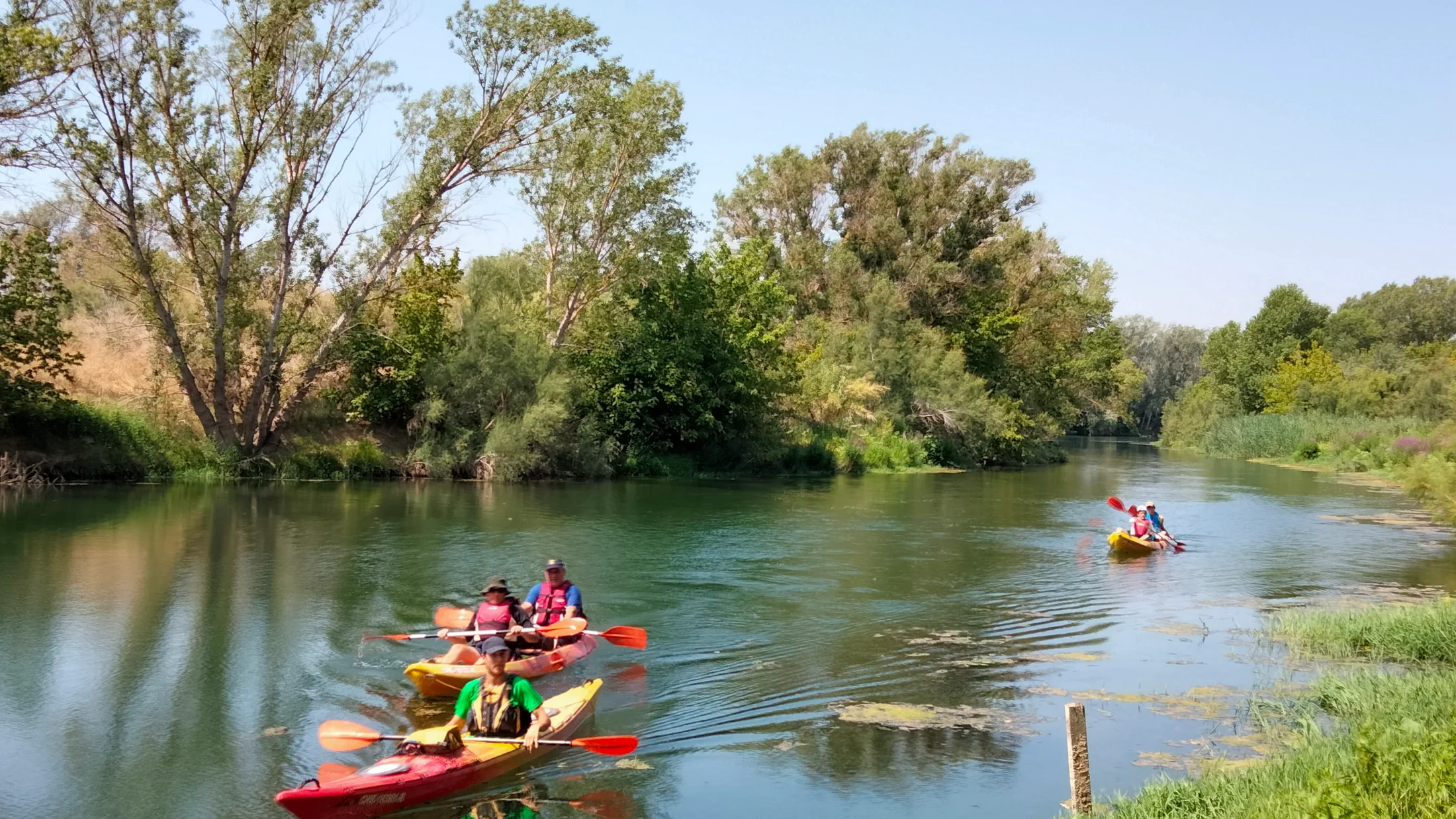
Final stretch of the Ebro River between Ascó and the Delta, in Tarragona. Generous current that helps, meanders among olive groves and orchards, limestone cliffs of Els Ports in the background and entrance to the Delta wetland to finish.
There are local operators based on the river who deliver kayaks, manage one-way transport and pickup, and are available by phone while you paddle. Paddling the entire Ebro —from Fontibre to the Delta— is a personal feat, but there isn’t a commercial product for that version.
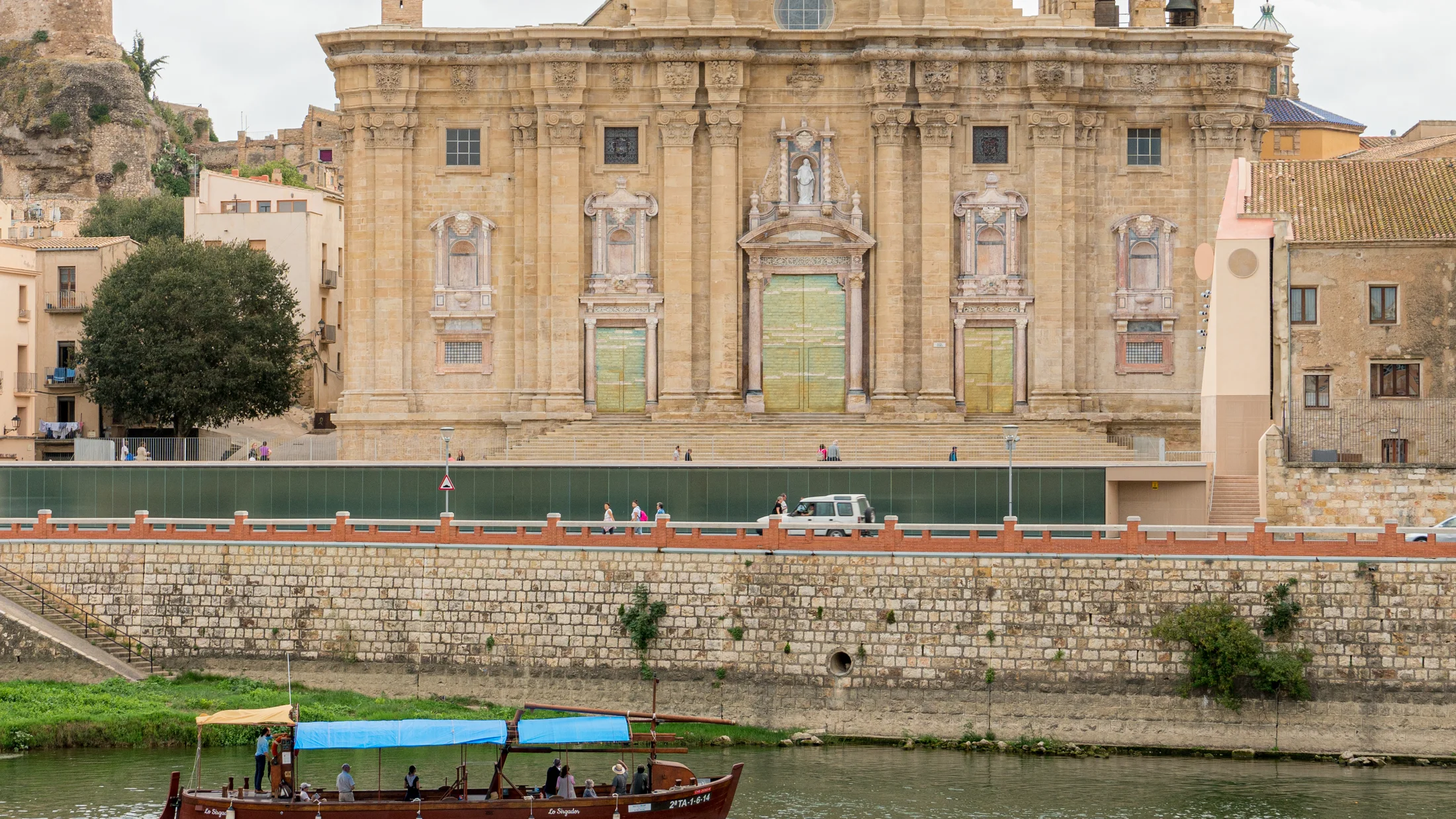
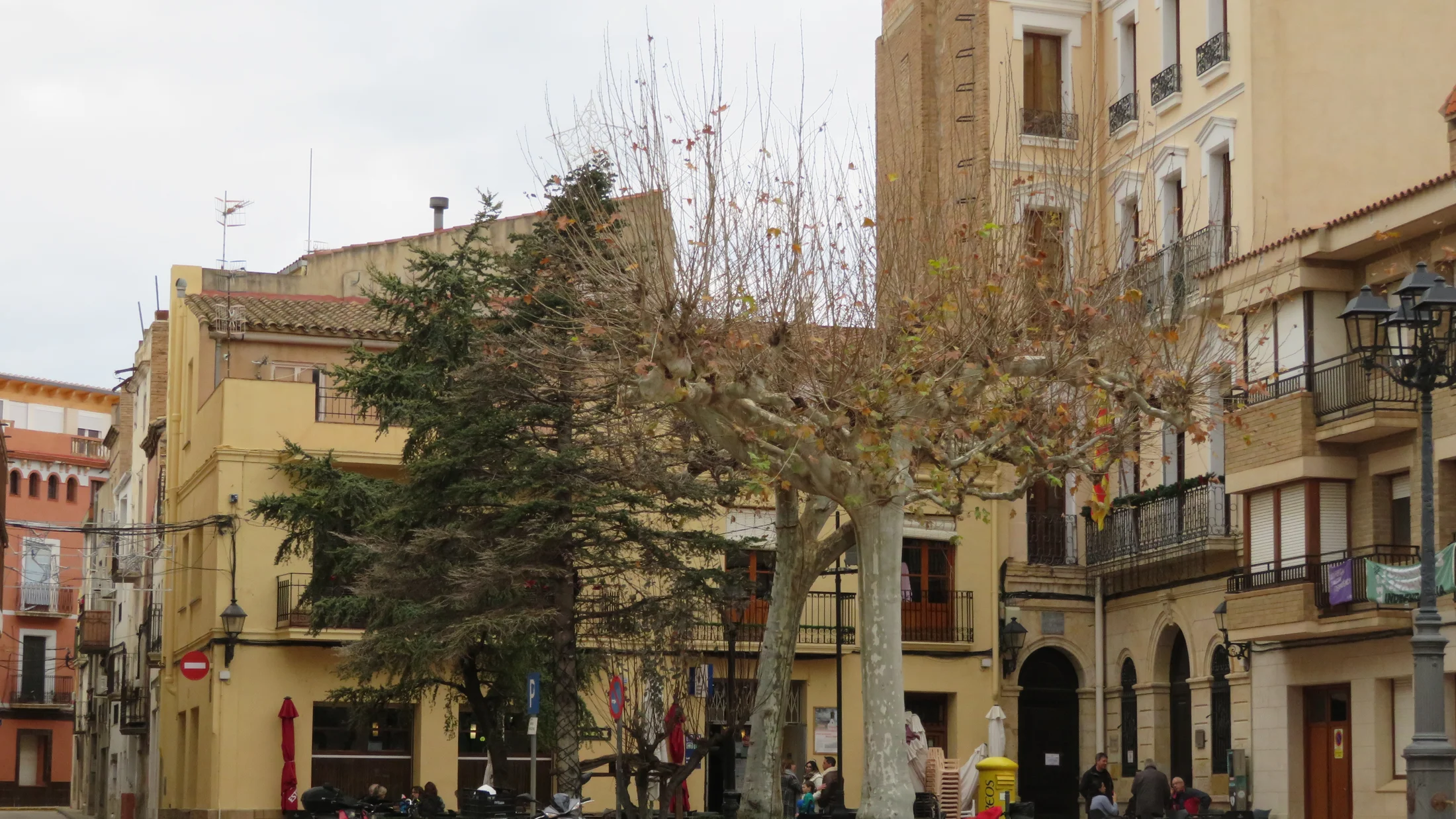
Móra d'Ebre, Miravet, Xerta, Tortosa, Amposta, Deltebre. Gentle descent, you don’t carry food for three days from the start, you stop to eat in any of them and return to the kayak.
To cross the Delta of the Ebro to Riumar, on the sandbar of the Mediterranean. A strange end to a river crossing: the river loses its current, the rice paddies and birds become the landscape, and suddenly the horizon is saltwater.
Self-paced with backup. You paddle at your own rhythm, the local operator drops you at the put-in with all the gear, picks you up three days later at the Delta, and is on the phone for any incident. There is no guide paddling next to you.
Yes, you need the fitness to paddle six to eight hours a day and a willingness to commit to multi-day adventure. You don't need advanced rescue skills, but you do need to handle a kayak on flat water with current. If you've never done a multi-day kayak crossing, we recommend an intro day first.
Spring (May-June) and autumn (September-October). In July and August the valley heat hits hard and afternoon sea breeze fights the paddle, so you have to start early to reach camp before the wind picks up. In winter the water is cold and daylight is short.
Camping in your own tent, on safe riverbanks along the route. On request there are variants with overnight stays in rural houses or hotels in the river villages (Móra, Tortosa, Deltebre); it costs more and reduces the weight you carry in the kayak.
Stage 1: Ascó → Benifallet, 38 km, with rest stops at Móra d'Ebre (15 km) and Miravet (27 km). Stage 2: Benifallet → Tortosa-Illa dels Bous, 30 km, with a stop at Xerta (12 km). Stage 3: Tortosa → Riumar (at the sea), 36 km, with stops at Amposta (10 km) and Deltebre/Sant Jaume d'Enveja (23 km). Total: 104 km.
Kilometres alone are misleading: current speeds you up and wind slows you down. Plan on six to eight hours paddling each day with food breaks and even a shower stop in some villages, no rush to arrive. The operator does not impose an arrival time, but does recommend starting early.
The free stretch of the Ebro (Mequinenza to the sea) is navigable and there are operators offering stage-by-stage descents with rural-house overnights. Picuco does not run those stretches yet; write to us if you want one and we'll see what we can put together.
Tempo model or equivalent: long, fast, with cargo capacity and waterproof compartments. Closed or sit-on-top, single or double seat options. The operator hands you the right one for your group and experience level.
Tent, sleeping bag, mat, change of clothes, hat and sunscreen, footwear that can get wet plus dry shoes for camp, light food for three days and starting water. The kayak, paddle, lifejacket and dry barrels come from the operator.
We'll shape it around you
Tell us how you travel - dates, group, pace, budget - and we'll design the trip exactly the way you need it.
