The essentials of Sierra del Escudo de Cabuérniga

  • • Cueto Gándara (927 m): summit panorama over the Cantabrian Sea and the Saja-Nansa valleys
  • • Centuries-old sessile oak woodland with beech and holly on the sierra's shaded slopes
  • • Ridgeline traverse: 4–5 hours, 700 m elevation gain, moderate difficulty
  • • Bárcena Mayor: village of fewer than 100 residents with 17th-century mountain houses
  • • Monte Aá: 400 ha of mixed woodland by the River Saja, one of the district's best preserved

Description

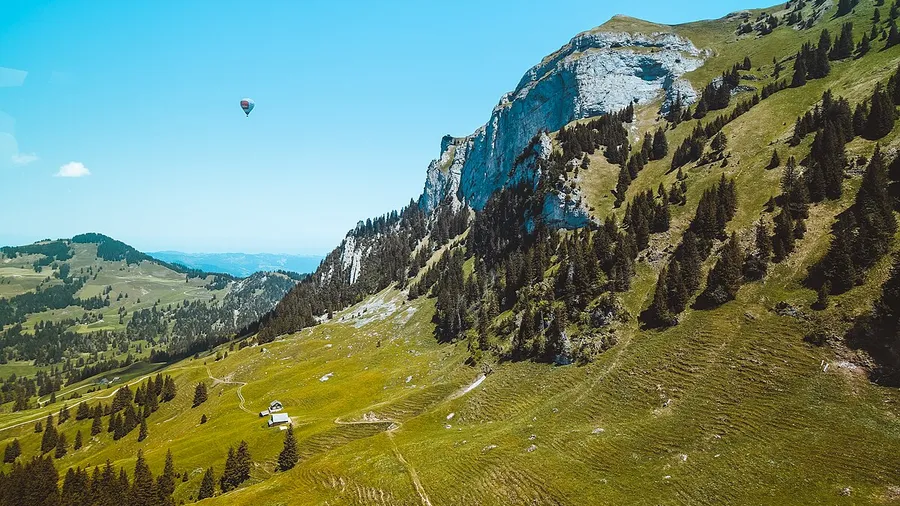
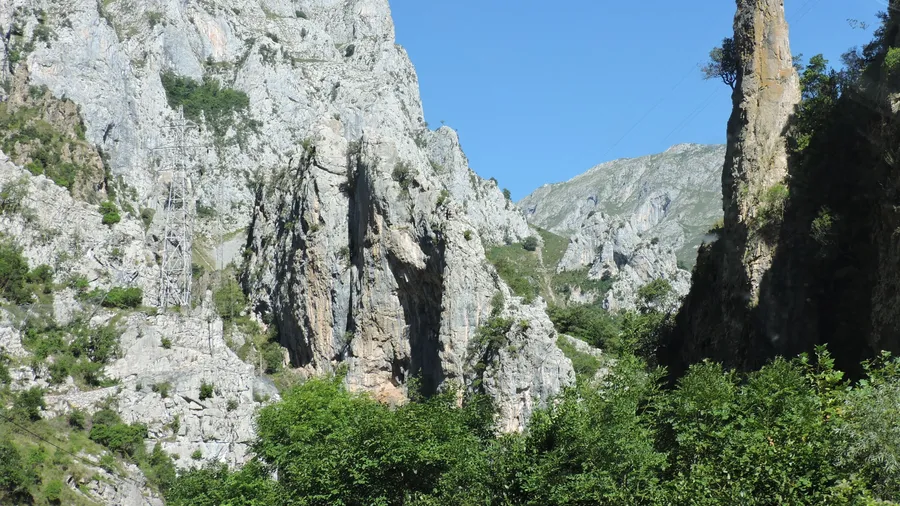
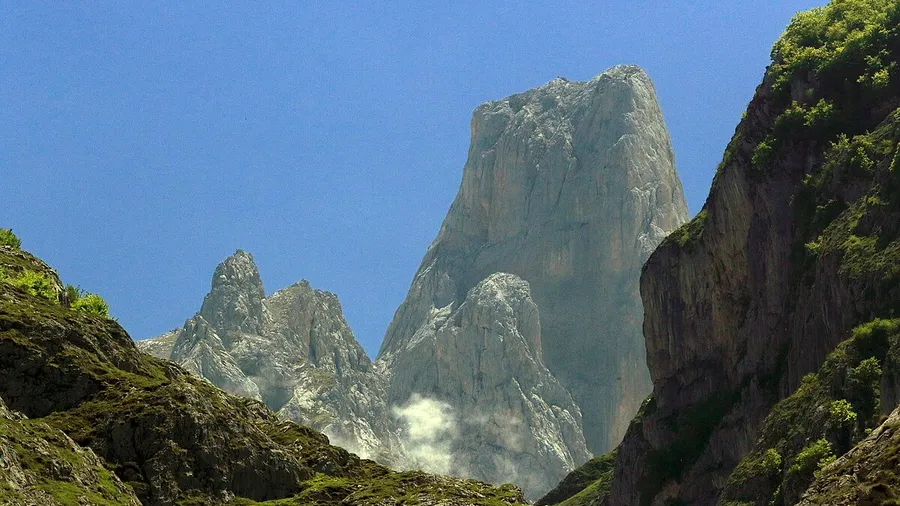
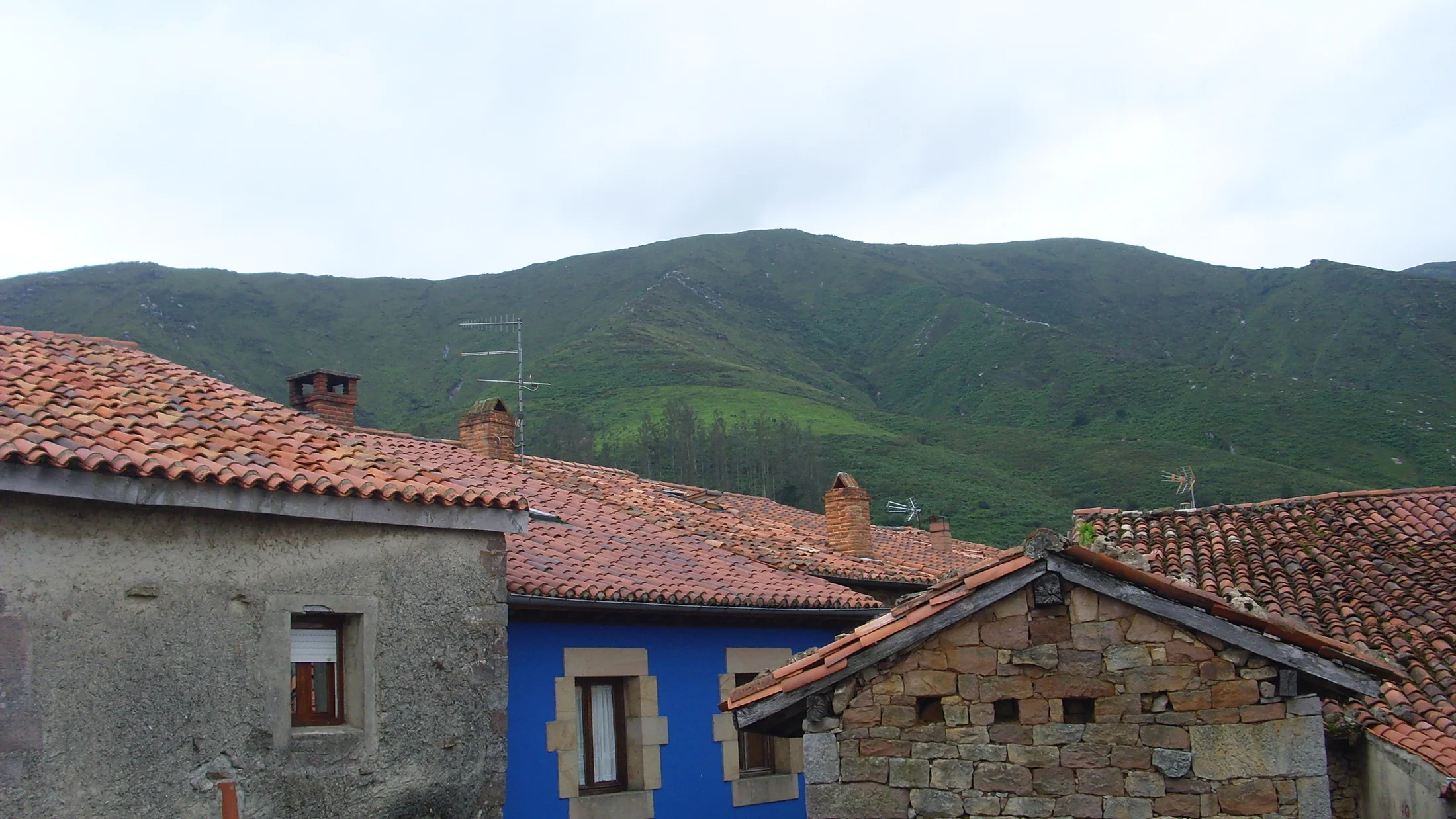
The Sierra del Escudo de Cabuérniga is a mountain barrier separating Cantabria's coastal strip from the inland valleys of Saja and Nansa, tracing an east-west ridgeline with altitudes between 600 and 927 metres. Its highest point, Cueto Gándara (927 m), commands a panorama stretching from the Cantabrian Sea to the north to the wooded valleys to the south. The sierra acts as a natural climate divide: the northern slope receives more rainfall and supports dense Atlantic vegetation, while the southern side — the Cabuérniga and Ruente valleys — gets less direct precipitation and shows greater seasonal temperature variation.

Sessile oak (Quercus petraea) woodland is the dominant plant formation, with centuries-old specimens on the north-facing slopes. Beech (Fagus sylvatica) appears at higher elevations and in shaded aspects, forming mixed stands with holly (Ilex aquifolium) whose red berries persist through winter when the rest of the forest has shed its leaves. On the southern side, the Aá woodland — roughly 400 hectares of mixed forest draining into the River Saja near Ruente — is one of the best-preserved forest patches in the district. The understorey of ferns and bilberries covering the oak-wood floor gives off a damp, earthy scent that deepens after every rain.

For hiking, the ridgeline traverse is the most complete route: a linear walk of about 4–5 hours linking the Collada de Carmona to Cueto Gándara via the Castillo summit (912 m), with roughly 700 metres of accumulated elevation gain and moderate difficulty. The most popular route from the village of Terán climbs to the Ermita de Nuestra Señora de las Lindes on top of the sierra, covering just over 8 kilometres with 350 metres of elevation gain — an accessible trail for walkers of average fitness that rewards with broad views of the Cabuérniga valley.

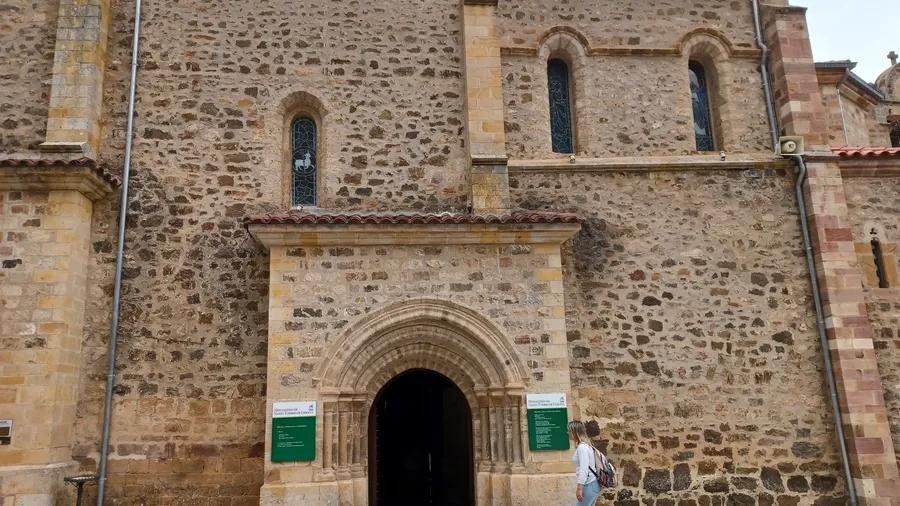
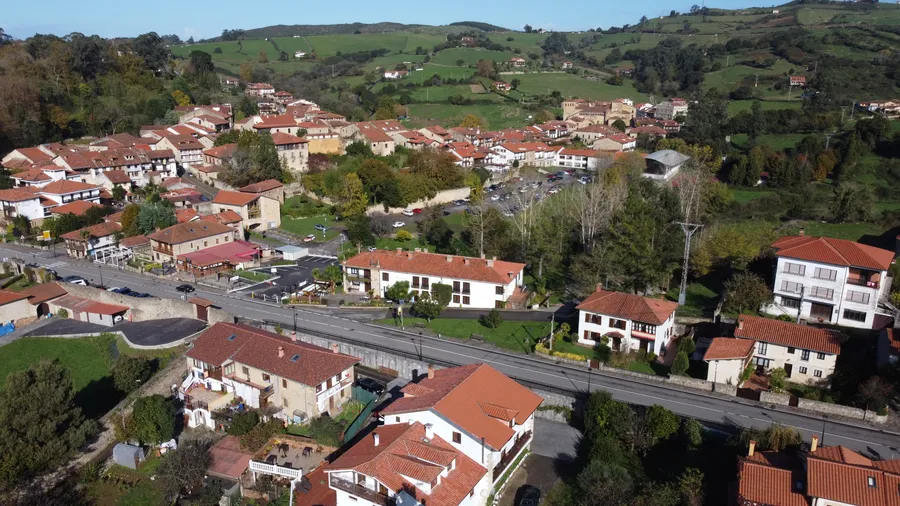
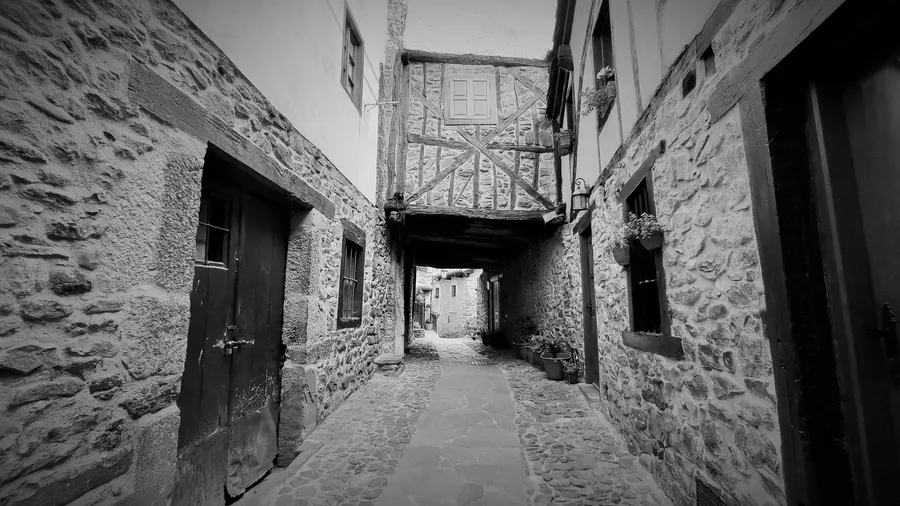
The valleys south of the sierra harbour some of the most representative examples of Cantabrian mountain architecture. Bárcena Mayor, with fewer than 100 registered inhabitants, preserves a cluster of stone-and-timber houses with wooden balconies and heraldic shields that make it one of the most visited villages in the autonomous community. It belongs to the municipality of Los Tojos and is reached by a local road from Cabuérniga that descends to the floor of the Argoza river valley. Local cuisine centres on cocido montañés (mountain stew), game meats and artisan cheeses from the Saja-Nansa district.

The Sierra del Escudo de Cabuérniga holds Site of Community Importance (SCI) status within the Natura 2000 network, recognising its value as forest habitat for Cantabrian fauna: roe deer, wild boar, pine marten and various forest raptors inhabit the woodland. It does not have natural-park designation, but its inclusion in the European network of protected sites provides a conservation framework that limits urban and agricultural development within its boundaries.
Practical information

Everything you need to know for your visit to Sierra del Escudo de Cabuérniga

How to get there
From Santander, take the N-634 towards Cabezón de la Sal (about 50 km, 45 min). From there, follow local roads to Ruente and Bárcena Mayor. Trail access is from the villages of Terán, Carmona and Ruente. A private vehicle is recommended; there is no regular public transport to the trailheads.
Area Information
The sierra spans the municipalities of Ruente, Cabuérniga, Los Tojos and Valdáliga in western Cantabria. Cabezón de la Sal (about 8,000 inhabitants) is the nearest service centre. Bárcena Mayor and Carmona offer dining and small-scale rural accommodation.
Geography
East-west ridge between 600 and 927 m (Cueto Gándara). Separates the coast from the Saja and Nansa valleys. Steep north face; gentler south slope draining into the River Saja. Sandstone and limestone with acidic soils.
Flora & Fauna
Dominant sessile oak (Quercus petraea), beech at higher elevations, holly on shaded slopes and 400 ha of Aá mixed woodland. Fern and bilberry understorey. Roe deer, wild boar, pine marten, goshawk and sparrowhawk. Natura 2000 SCI.

Things to do

Find the best plans and things to do in Sierra del Escudo de Cabuérniga

20

Accommodations

Best accommodation options in Sierra del Escudo de Cabuérniga

Loading accommodation options...

Frequently Asked Questions

Get answers about Sierra del Escudo de Cabuérniga

The full traverse from the Collada de Carmona to Cueto Gándara (927 m) via the Castillo summit (912 m) takes 4 to 5 hours one way, with roughly 700 metres of accumulated elevation gain. It is a linear route requiring transport planning if you don't want to retrace your steps. Difficulty is moderate, suitable for walkers accustomed to mountain hiking.
Bárcena Mayor preserves a cluster of 17th-century stone-and-timber mountain houses with carved balconies and heraldic shields. The village has fewer than 100 residents and holds Historic-Artistic Heritage status. Several restaurants serve cocido montañés and game meats. Parking fills up on high-season weekends; arrive early or visit midweek.
Bárcena Mayor sits on the valley floor of the Argoza river, on the southern side of the sierra. From the village you can access the Aá woodland and nearby forest, but the main summit trails depart from Terán and Carmona on the opposite slope. To combine both experiences, plan at least a full day.
Yes. Carmona, Terán and Bárcena Mayor offer small-scale rural guesthouses and inns. Cabezón de la Sal, about 20 minutes by car, has a wider range of accommodation. There are no mountain refuges on the sierra, so all lodging is in the surrounding valley villages.
Roe deer and wild boar are the most frequent sightings, especially at dawn and dusk in oak-wood clearings. Pine martens are harder to spot due to their crepuscular habits. Among birds, goshawks and sparrowhawks inhabit the dense woodland. In autumn, holly berries attract large flocks of thrushes and blackbirds. The sierra holds SCI status within the Natura 2000 network.