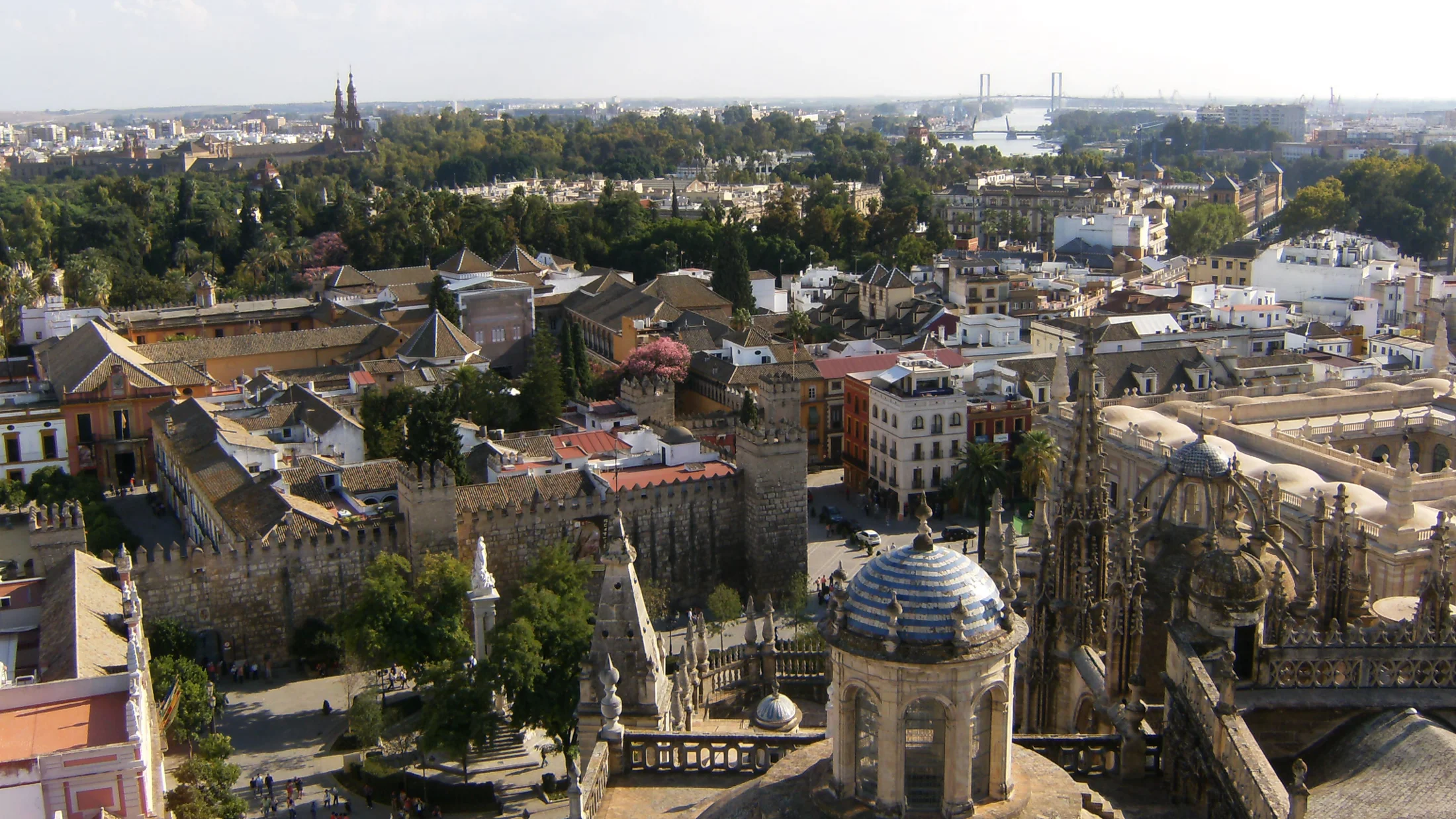
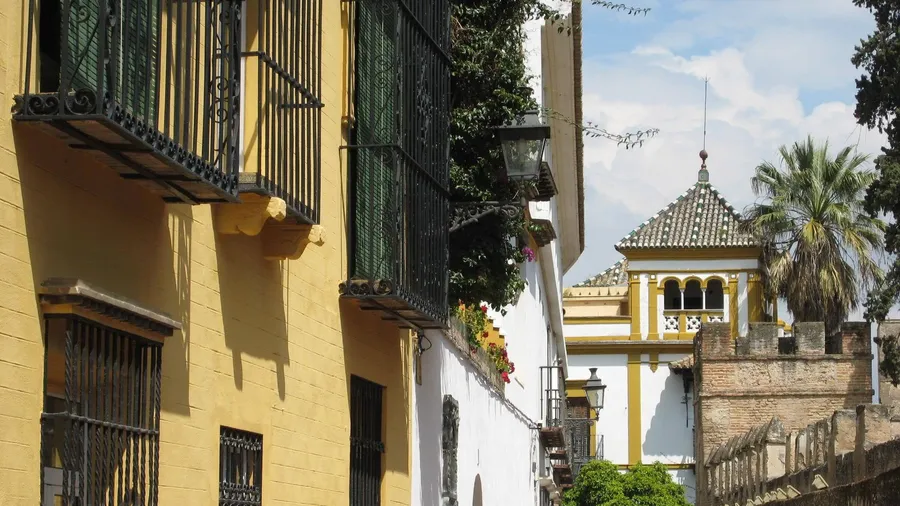
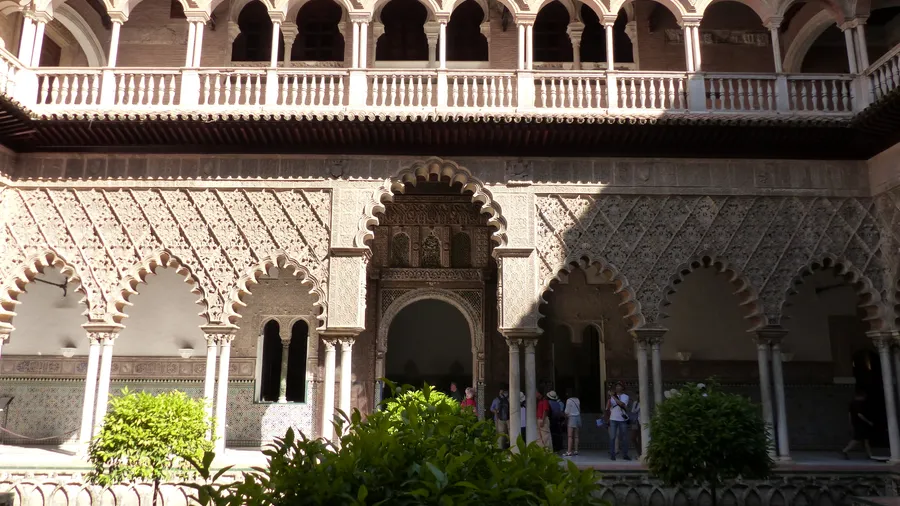
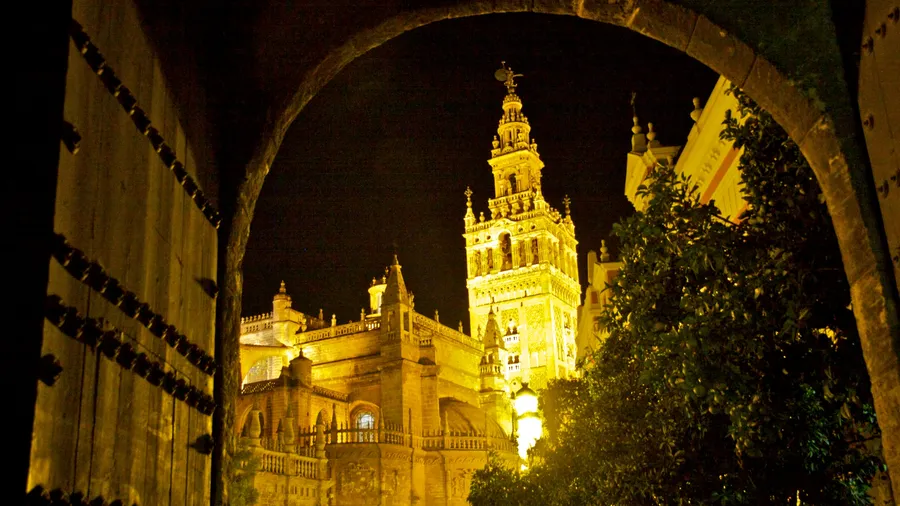
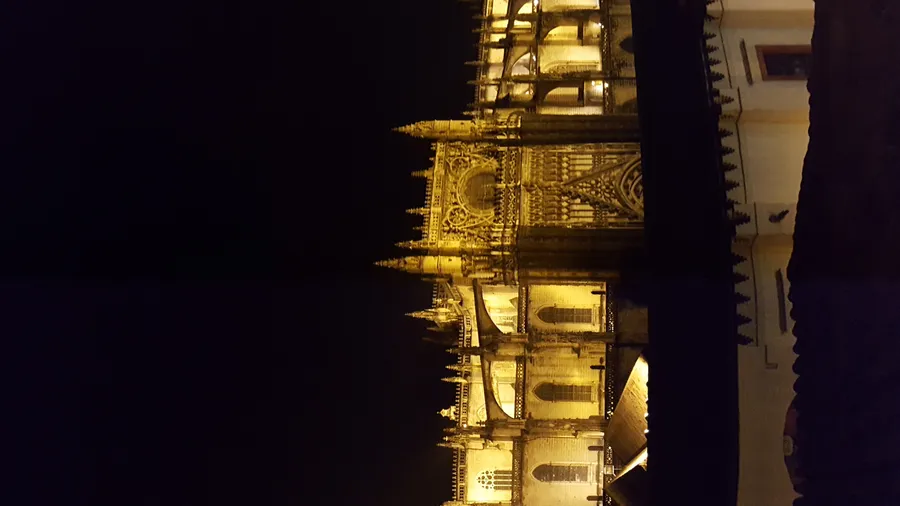
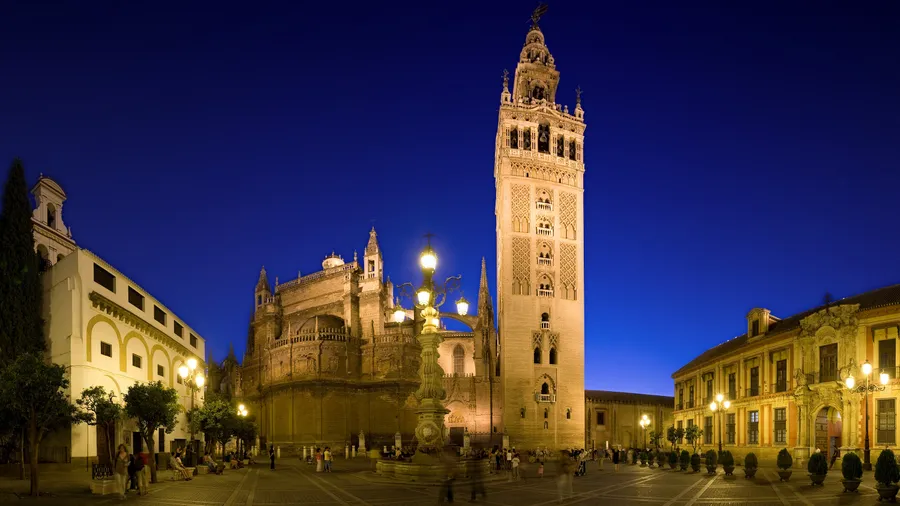
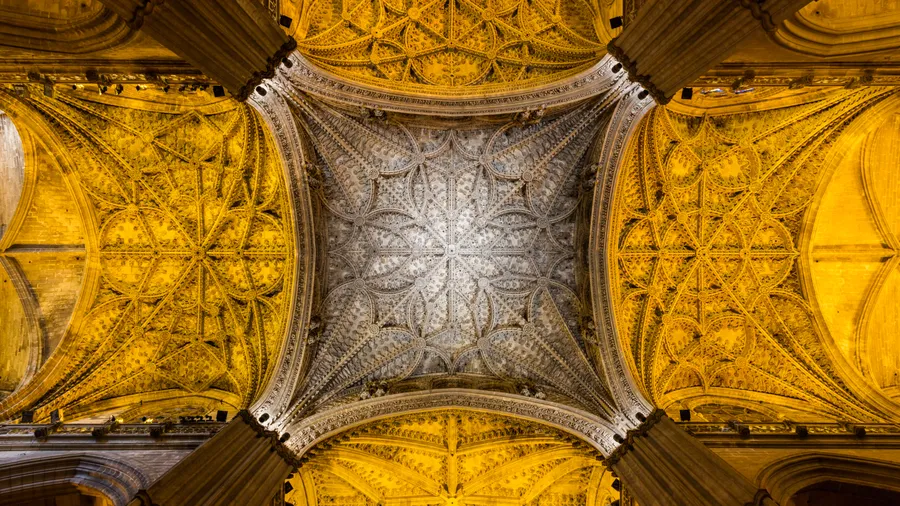
Seville is the capital of Andalusia and is best understood by its neighbourhoods rather than its monuments. In the centre, a few minutes' walk from one another, are the three buildings that UNESCO inscribed in 1987 as the Cathedral, Alcázar and Archivo de Indias: the largest Gothic cathedral in Europe, with the Giralda, a former Almohad minaret, beside it; the Real Alcázar, a palace that is still the residence of the royal family when they visit the city; and the Archivo de Indias, which keeps the documents of the American colonies. Around them spread the Santa Cruz neighbourhood and the old Jewish quarter.
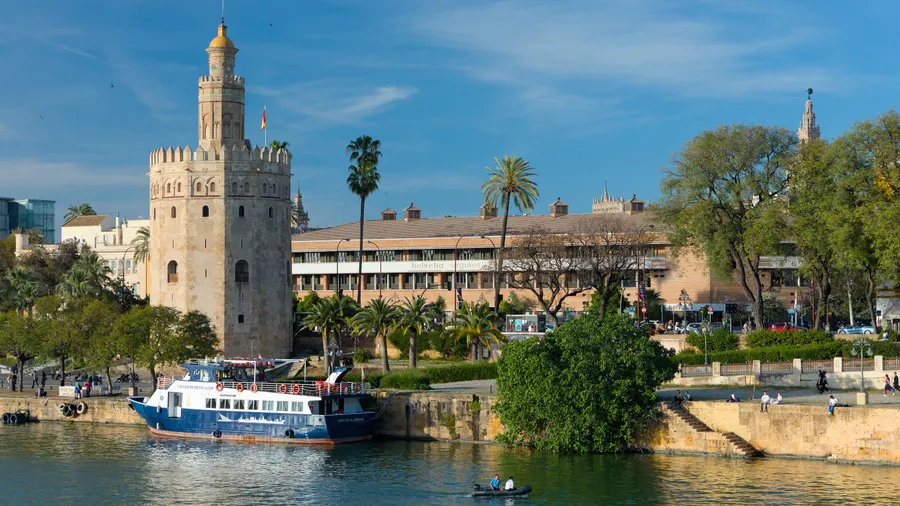
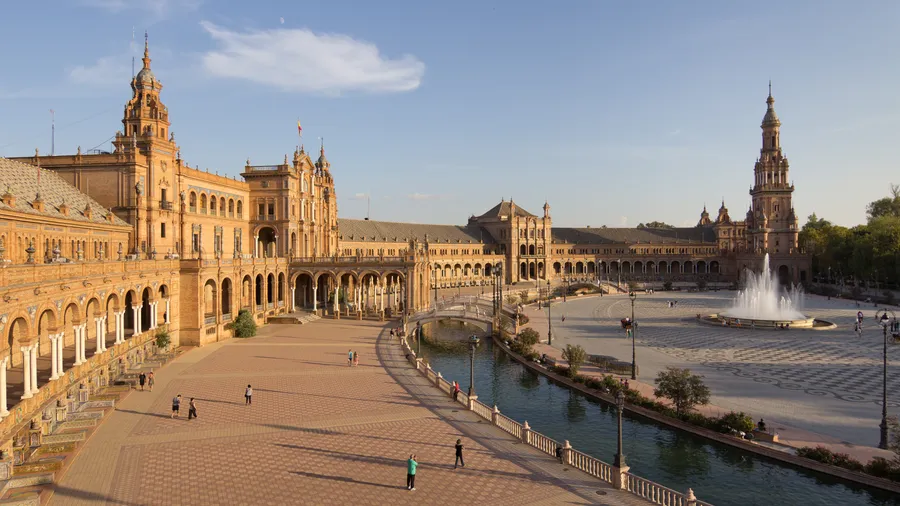
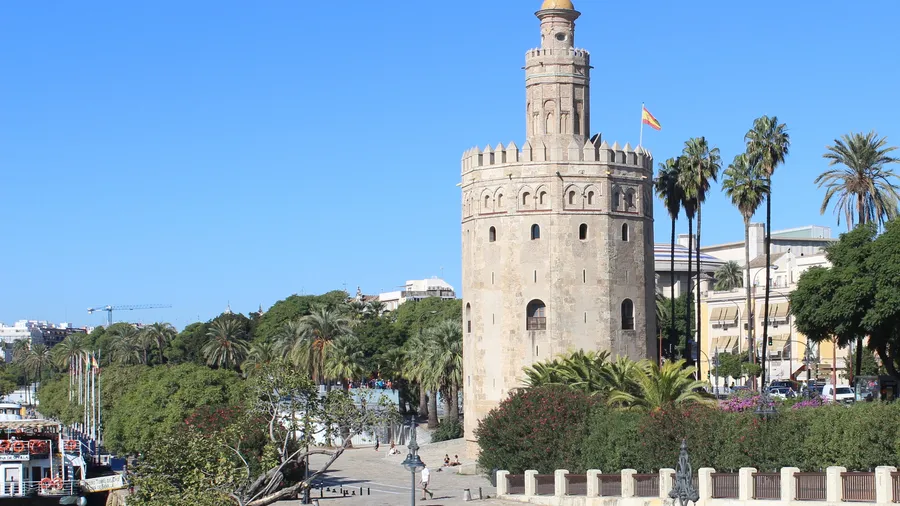
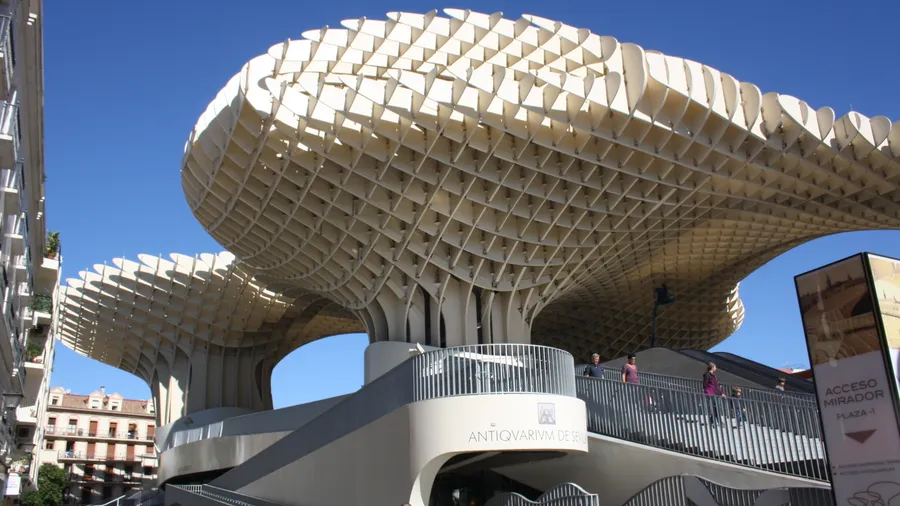
The Guadalquivir marks the other axis. On its bank stands the Torre del Oro, and on the other side is Triana, a neighbourhood with its own market and festival where street life is still that of the locals. South of the centre, the Plaza de España and the Parque de María Luisa are best explored unhurried, and in the plaza de la Encarnación the Setas de Sevilla (Metropol Parasol) offer a 360-degree viewpoint over the rooftops of the old town.
This page is the city guide: when to go, how to get there and how to organise your days. If you're looking for the list of specific plans with filters, it's in the Seville city activities hub, and for the province (Doñana, the sierra, the villages), in the Seville province hub. Outside the city, and therefore not counted as Seville city, are Itálica, in Santiponce, and the countryside and marshland landscapes.
The most important thing for planning is the heat. At the Seville airport observatory, the average of the maximum temperatures in July is 36.0 °C and in August, 35.5 °C (1981-2010 normal values from AEMET). That's why spring and autumn are the comfortable times for walking, and in summer the city comes alive at dawn or at dusk. In spring the two big festivals also arrive: Holy Week (Semana Santa) and the April Fair (Feria de Abril), with calendars set each year by the Ayuntamiento and Turismo de Sevilla.
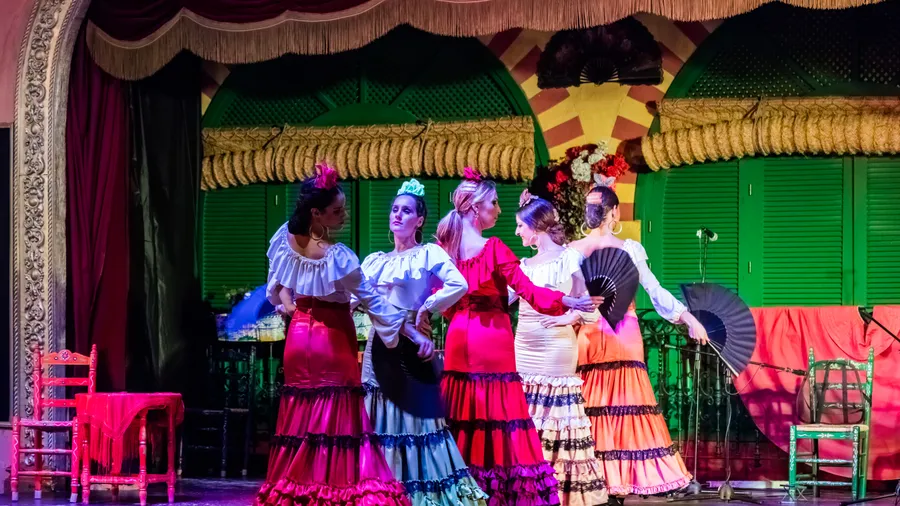
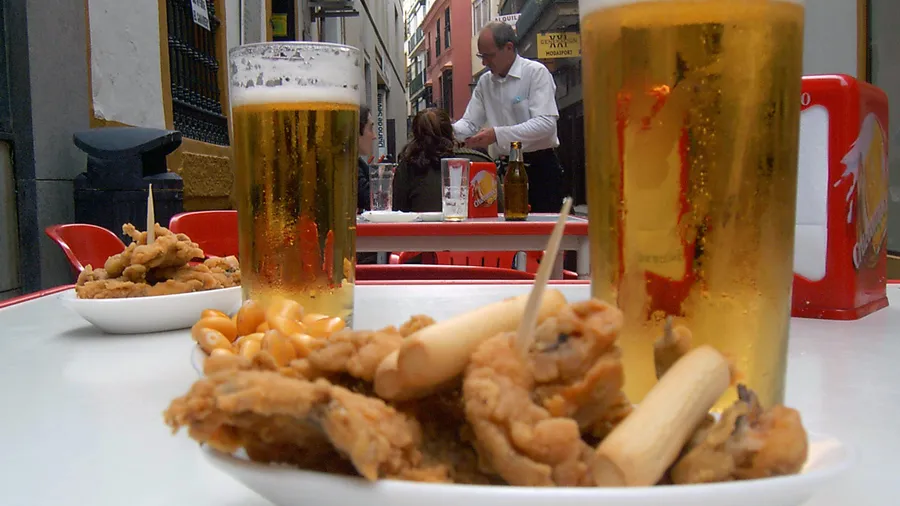
With one day you cover the Cathedral, Giralda and Alcázar triangle, with tickets booked in advance. With two you add Triana, the Plaza de España and a walk along the river. From three days the pace becomes that of the neighbourhood: tapas in the centre and in Triana, flamenco at night and a wander around the Setas. And at night the old town changes completely: it's the best time for a guided legends tour of Santa Cruz or the Jewish quarter.