The essentials of Ría de Vigo

  • • Cíes Islands and Rodas beach within the Atlantic Islands National Park
  • • Mussel platforms and shellfish cooperatives working the estuary beds
  • • Diving on Cíes rocky shallows with sea urchins and conger eels
  • • Albariño wine from O Rosal and Condado do Tea vineyards above the estuary
  • • Sea kayaking from Cangas toward the Atlantic archipelago

Description

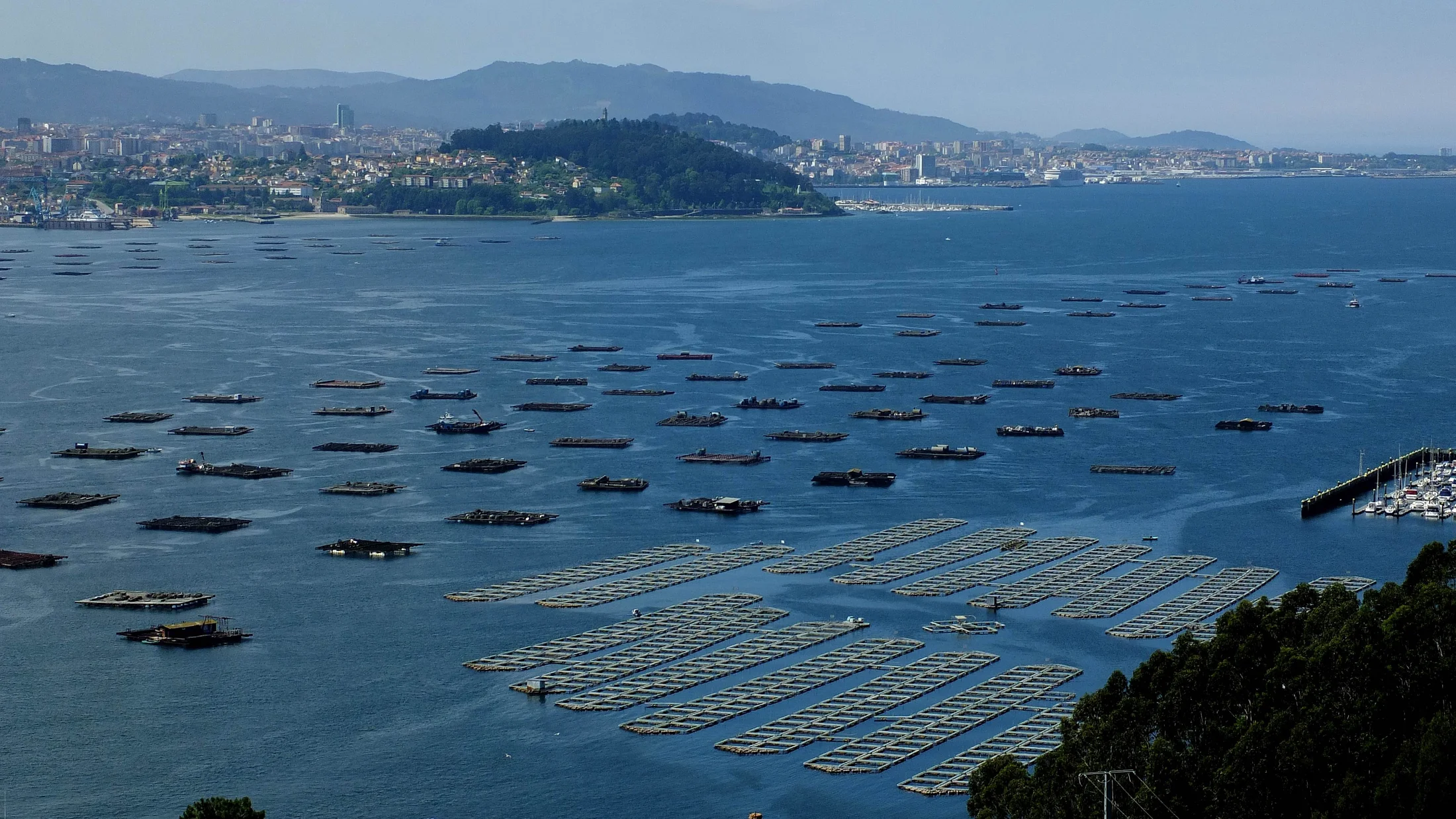
The Ría de Vigo is the southernmost of the Rías Baixas, stretching 33 km with a mouth open to the Atlantic between Cabo Home and Cabo Silleiro. Its post-glacial fjord morphology gives the central channel depths of up to 40 m, which allows large vessels to navigate the same stretch of water where dozens of mussel farming platforms anchor their suspended cultivation lines below the surface. From Vigo's seafront promenade in the afternoon, the silhouette of the bateas against the profile of the Cíes Islands in the background is the image that best captures the estuary's duality: industrial activity at European scale and high-quality nature within the same frame.

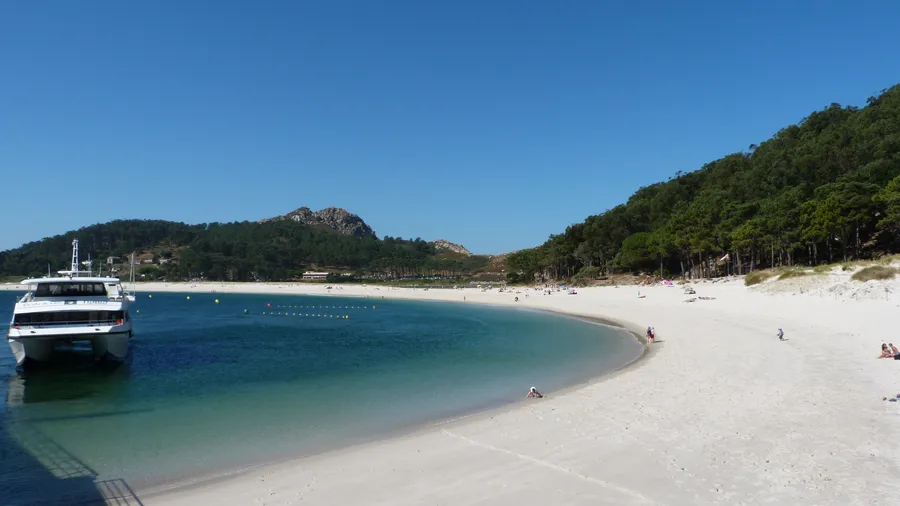
The Cíes Islands form the most visible part of the Parque Nacional de las Islas Atlánticas de Galicia, declared in 2002 to protect the archipelago of Monte Agudo, O Faro and San Martín islands. Access is limited to 2,200 simultaneous visitors daily, and the boat from Vigo harbour takes around 45 minutes. Rodas beach, located on the isthmus connecting the two main islands, has white sand shallows and water that shifts from turquoise to emerald depending on the angle of light. The hiking route to the Monte Agudo island lighthouse (158 m) provides an overhead perspective of the entire Ría de Vigo and, on clear days, the Portuguese coast to the south.

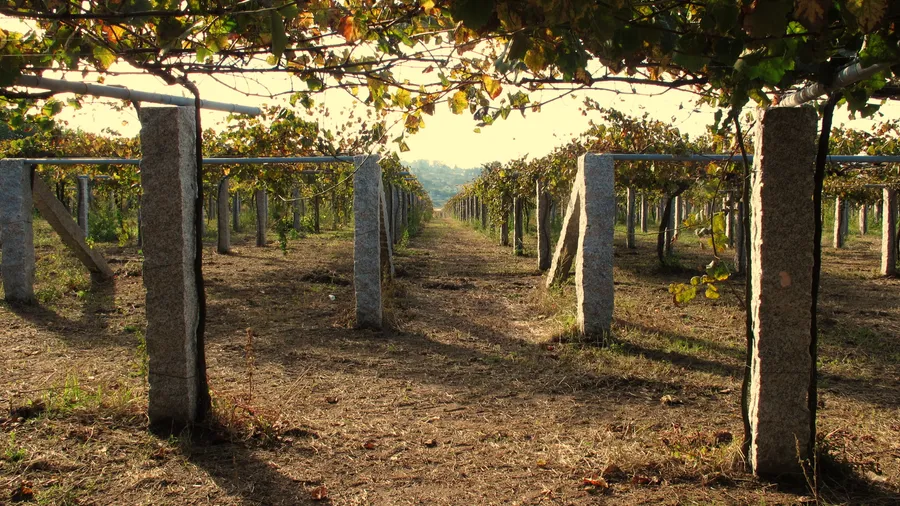
Shellfish harvesting is the estuary's visible economic fabric. Shellfish harvesting cooperatives work regulated shifts on cockle, clam and razor clam beds, particularly in the Arcade and Redondela shallows. The Mercado de la Piedra in Vigo, open from 8 am, is where to buy percebes, spider crab and platform mussels at wholesale prices. Around these raw materials, a food offer ranges from waterfront stalls on Samil beach to the seafood restaurants of the Berbés fishing quarter. Albariño vineyards cultivated on the terraced slopes south of the estuary between O Rosal and Condado do Tea produce the wine that accompanies this cooking as a matter of routine.

Water sport options are varied. Sailing in the estuary's inner bay, sheltered from the heaviest Atlantic winds, is accessible without prior experience through beginner courses at the Vigo and Cangas yacht clubs. Windsurfing and kitesurfing are centred on Patos beach in Nigrán, where north winds generate reliable conditions during summer months. Diving on the rocky shallows surrounding the Cíes Islands reveals seabeds with Atlantic sea urchin (Echinus melo), Paracentrotus lividus, conger eels and occasional manta rays and electric rays. Several dive operators work from Baiona harbour with access to the best archipelago spots.

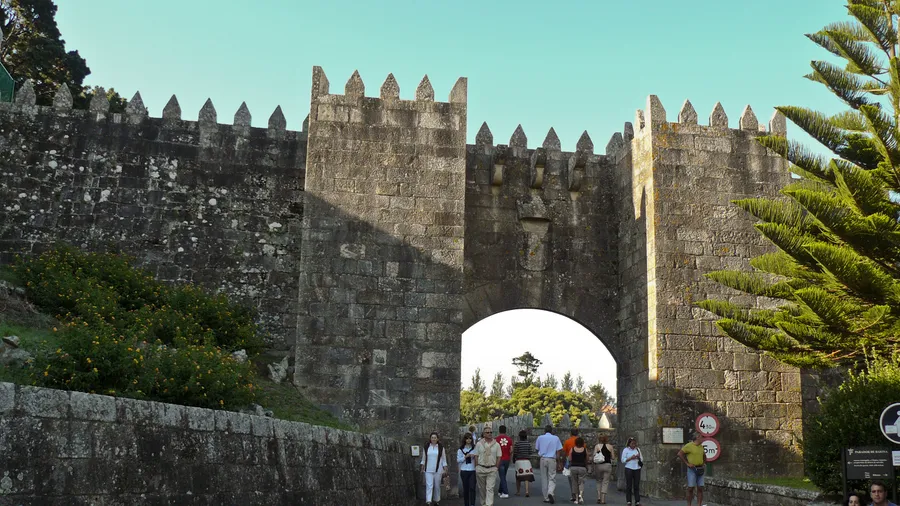
For exploring the estuary at your own pace, sea kayak is the most flexible option. Routes from Moaña or Cangas toward the Cíes cover 15 to 20 km of open water and require stable weather and basic sea kayak experience. For those preferring the more sheltered inner shore, the Ensenada de San Simón — where the ruins of the colonial lazaretto stand — is ideal for short sessions on calm sandy-bottomed water with regular stingray sightings. On the estuary's north shore, the Castro de Santa Tegra hillfort at A Guarda closes the route with 2,000 years of history and direct views over the River Miño mouth.
Practical information

Everything you need to know for your visit to Ría de Vigo

How to get there
Vigo via AP-9 motorway from A Coruña or Porto (Portugal). AVE high-speed train from Madrid in 2h30. Boats to the Cíes from Vigo harbour May to October.
Area Information
Pontevedra province, Galicia. Municipalities: Vigo, Cangas, Moaña, Nigrán, Baiona, Redondela. Galicia's largest urban area with 300,000 inhabitants in Vigo.
Geography
33-km estuary with a 12-km mouth between Cabo Home and Cabo Silleiro. Maximum depth 40 m in the central channel. Cíes Islands 15 km from Vigo.
Flora & Fauna
Marine beds: mussel, cockle, razor clam, Atlantic sea urchin, conger eel and stingray. Birds: yellow-legged gull, great cormorant and herring gull on the Cíes.

Things to do

Find the best plans and things to do in Ría de Vigo

20

Accommodations

Best accommodation options in Ría de Vigo

Loading accommodation options...

Frequently Asked Questions

Get answers about Ría de Vigo

Places for the Cíes are booked online through the Atlantic Islands National Park's official system or authorised ferry operators (Mar de Ons, Naviera Illa de Ons). Booking opens months in advance and summer weekends sell out quickly. Buy your boat ticket at the same time as your park entry. The simultaneous visitor limit is 2,200 people on the islands.
It is technically feasible from Cangas or Moaña, covering around 15–18 km of open water each way. However, the crossing requires favourable conditions (wind below force 3, no fog) and solid sea kayak experience. Park rangers may deny access to kayakers who do not meet safety requirements. Several companies organise guided crossings with real-time weather monitoring.
The Berbés quarter, next to the fishing harbour, concentrates the most traditional seafood restaurants with their own landing-quay supply. The Mercado de la Piedra on Calle Pescadería sells fresh shellfish to take away from 8 am. For percebes (goose barnacles), the quality guarantee is the Rías Baixas label certified by the fishing cooperative; lower-quality imported ones are usually identifiable by a very low price.
Diving at the Cíes is possible from May to October, when the park is open and Baiona dive operators run boat trips. Underwater visibility is best in summer and early autumn (8–15 m). In winter the park closes to the general public, though some divers with a special permit can access with a certified guide. Water temperature ranges from 13 °C in winter to 19 °C in August.
The Real Club Náutico de Vigo and Club Náutico de Cangas offer beginner sailing courses from scratch, with theory classes and on-water sessions during summer weeks. The inner estuary waters, sheltered from stronger winds by Toralla island and the Domaio headland, are ideal for beginners. Intensive one-week courses can lead to the Spanish Recreational Craft Skipper (PER) licence by the end of the week.