The essentials of Ría de Pontevedra

  • • Ons island: Melide beach and Atlantic Islands National Park seabed
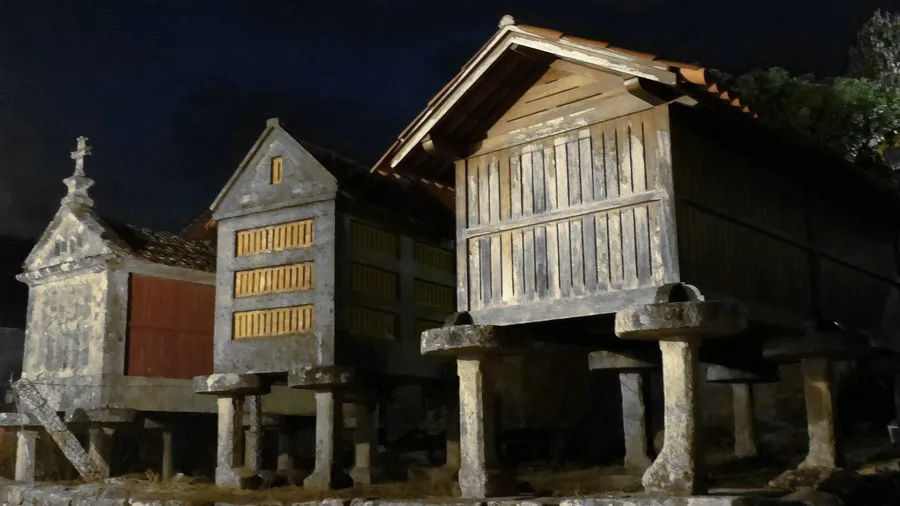
  • • Combarro hórreos, over thirty stone granaries lined up above the sea
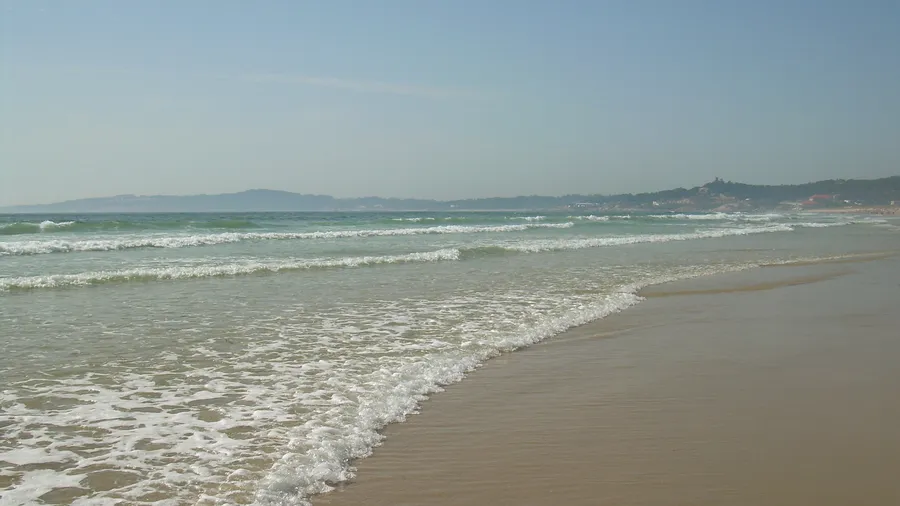
  • • A Lanzada beach, 2 km of surf-exposed sand flanked by protected dunes
  • • Pedestrianised Pontevedra old town with octopus taverns and Salnés albariño
  • • Mussel rafts in the ría's inner waters, Europe's second-largest producer

Description

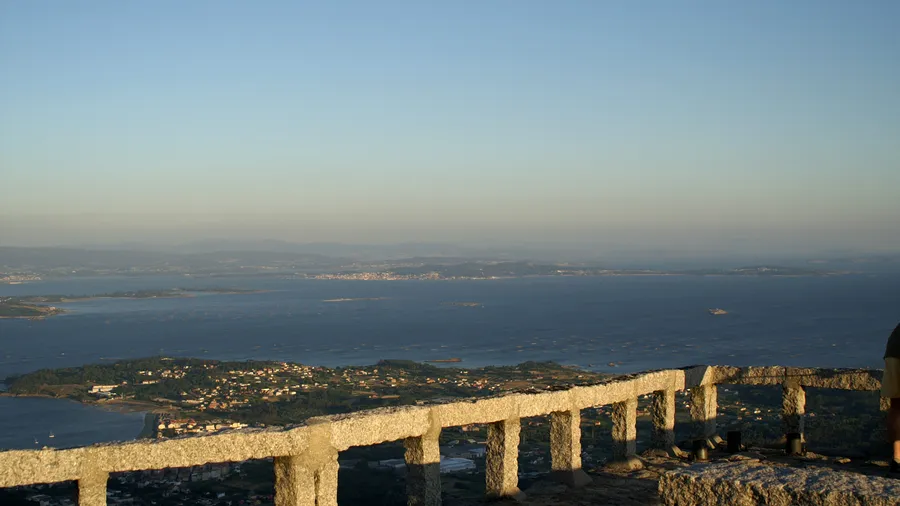
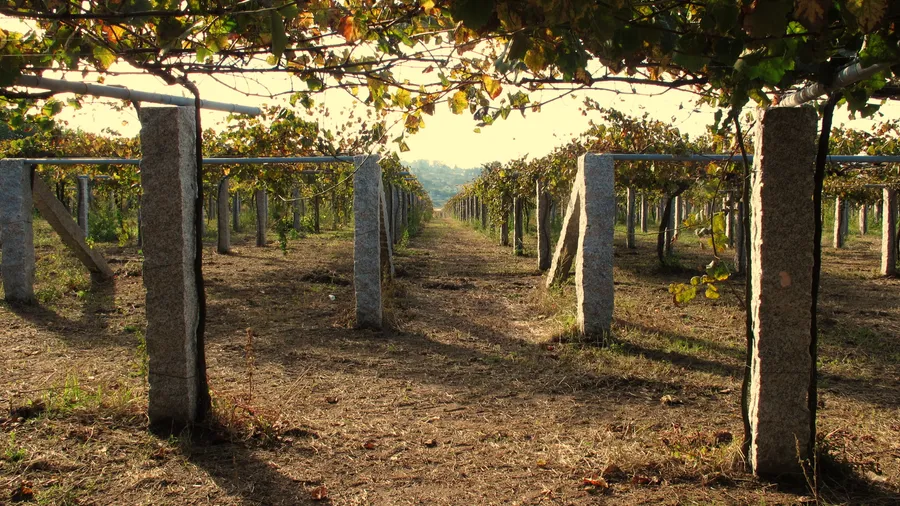
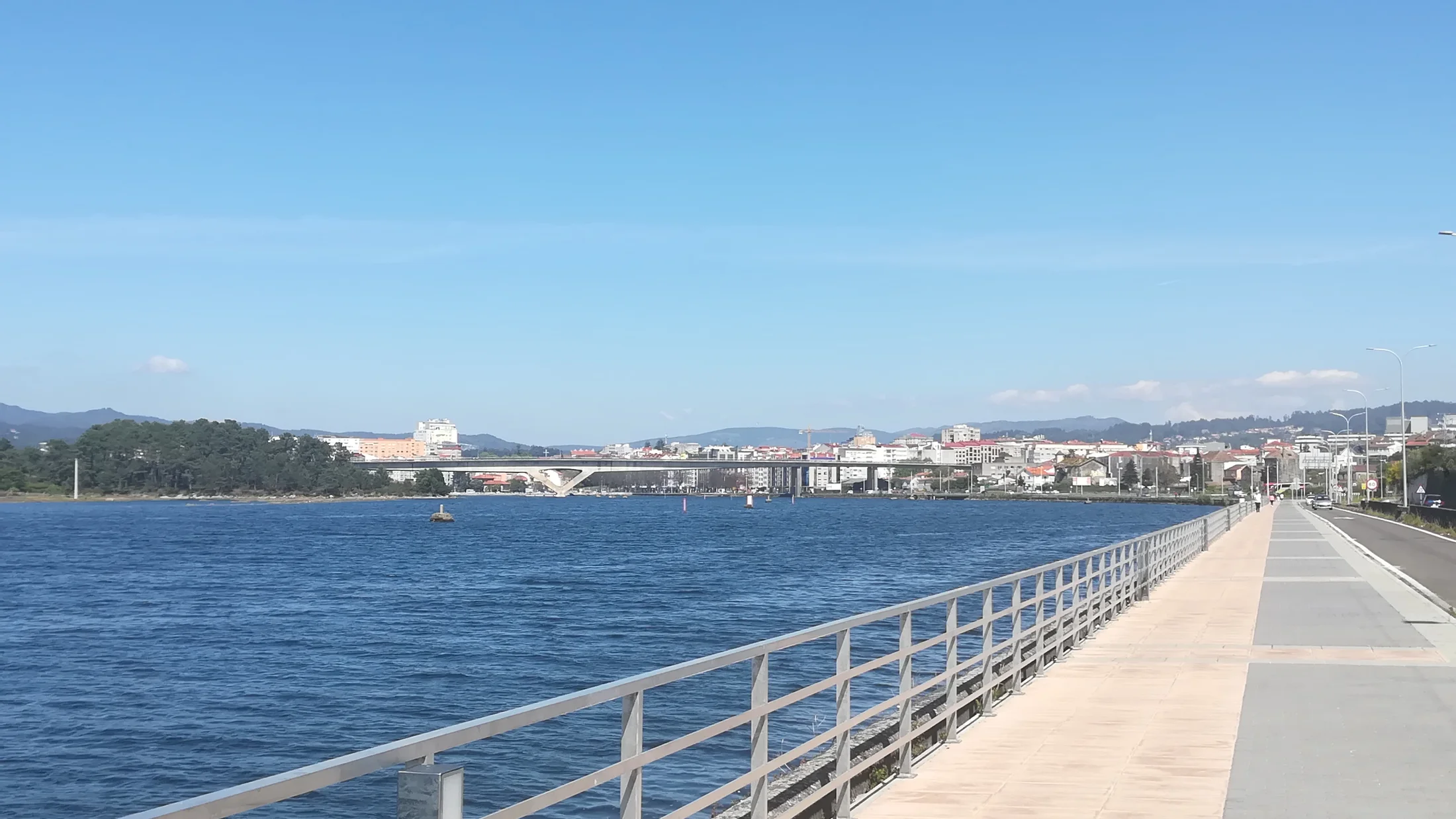
The Ría de Pontevedra stretches roughly 23 kilometres from the mouth of the River Lérez to the headlands of Udra and Cabicastro, where the estuary opens to the Atlantic Ocean. It is the third of the Galician Rías Baixas from north to south, set between the Ría de Arousa and the Ría de Vigo, and its southwest orientation partially shields it from Atlantic storms, producing calmer waters in the inner reaches. Mussel rafts dot the surface in geometric rows that fade into the morning haze, and the smell of salt and seaweed mingles with pine resin drifting from the trees that run down to the shoreline.

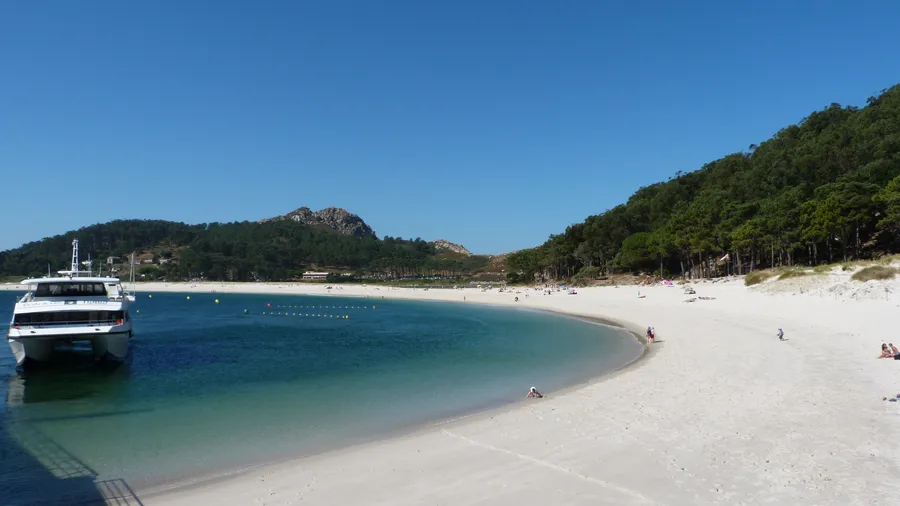
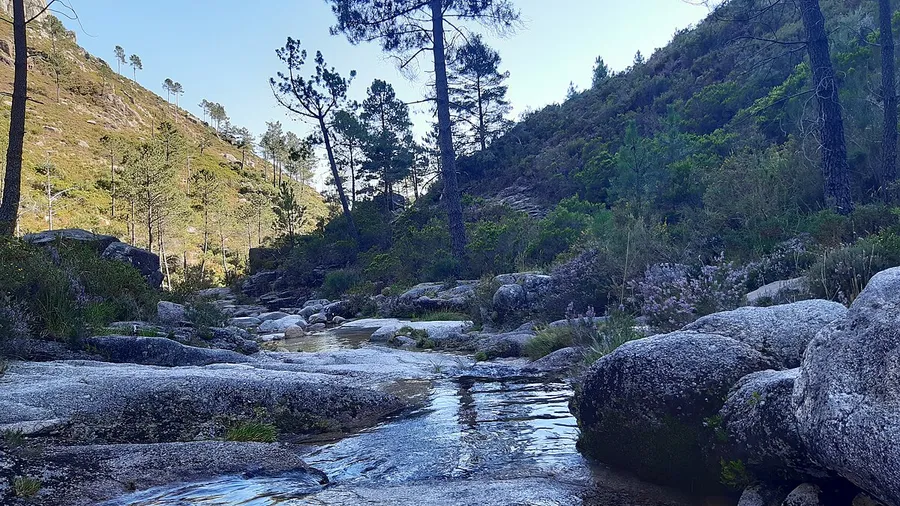
The southern coast between Bueu and Sanxenxo holds some of the longest beaches: A Lanzada, with over 2 kilometres of surf-exposed sand; Silgar, more sheltered and urban beside the town of Sanxenxo; and the coves of Cabo Udra, reached only on foot after a 40-minute coastal path through pine and gorse. On the northern bank, the island of Tambo — military-owned and closed to the public — sits at the centre of the ría, while the island of Ons, at the mouth, belongs to the Atlantic Islands National Park and receives visitors in summer under a daily quota. The white sand of Melide beach on Ons contrasts with a seabed where seagrass meadows alternate with granite rock colonised by goose barnacles.

Pontevedra city, at the head of the ría, has 83,000 inhabitants and has pedestrianised almost its entire old quarter. The squares of A Ferrería, A Leña and Praza da Verdura form a circuit of Romanesque churches and stone arcades where taverns serve pulpo á feira, grilled scallops and Salnés albariño. The Pontevedra Museum, spread across five buildings, houses one of Galicia's most important archaeological collections. Towards the mouth, Marín is home to the Naval Military Academy and an active fishing port, and Combarro preserves a cluster of hórreos above the sea — more than thirty stone granaries lined up facing the water — forming one of the most photographed ethnographic landscapes in Galicia.

The ría's cuisine centres on seafood and nearby market gardens. The fish markets of Bueu and Marín auction octopus, hake, monkfish and shellfish daily, and restaurants in Sanxenxo and O Grove serve seasonal menus that change with fishing bans and catches. Raft-farmed mussels, cultivated in the ría's inner waters since the mid-twentieth century, are eaten steamed, pickled or baked in empanada, and their production makes Galicia Europe's second-largest mussel producer. Food festivals — the Festa do Marisco in O Grove each October, the Festa da Vieira in Sanxenxo — draw thousands of visitors to communal outdoor tables.

Access to the ría is direct from the AP-9 motorway (Vigo-Santiago), with exits at Pontevedra, Marín and Sanxenxo. Vigo-Peinador airport lies 25 kilometres from central Pontevedra. To travel along the coast, the PO-308 road runs along the southern shore linking Bueu, Aldán, Hío and A Lanzada beach on a winding route that offers natural viewpoints over the ría at every bend.
Practical information

Everything you need to know for your visit to Ría de Pontevedra

How to get there
AP-9 motorway (Vigo-Santiago) with exits at Pontevedra, Marín and Sanxenxo. Vigo-Peinador airport is 25 km from central Pontevedra. The PO-308 road runs along the south coast (Bueu, Aldán, Hío, A Lanzada). Ferries to Ons island from Bueu, Sanxenxo and Portonovo in summer (booking required).
Area Information
Wide hotel choice in Sanxenxo and Pontevedra. Rural guesthouses inland (Cotobade, Cerdedo). Marinas in Sanxenxo and Combarro. Pontevedra Museum (5 buildings, free entry). Dive centres in Bueu and Portonovo. Weekly markets in Pontevedra (Saturdays) and O Grove (Wednesdays).
Geography
A 23 km estuary facing southwest between the headlands of Udra and Cabicastro. Granite coastline with white-sand beaches and rocky coves. Islands of Tambo (inner) and Ons (mouth). River Lérez enters at Pontevedra. Coastal altitude, rising to 600 m on inland hills.
Flora & Fauna
Maritime pine and gorse along the coast. Seabed with seagrass meadows and granite rock hosting goose barnacles, mussels and velvet crabs. Seabirds: European shag, yellow-legged gull and Balearic shearwater on Ons. Bottlenose dolphin regularly spotted at the ría mouth.

Things to do

Find the best plans and things to do in Ría de Pontevedra

20

Accommodations

Best accommodation options in Ría de Pontevedra

Loading accommodation options...

Frequently Asked Questions

Get answers about Ría de Pontevedra

In summer (June to September) ferries operate from Bueu, Sanxenxo and Portonovo, with crossings of 30-40 minutes. You need an authorisation from the Xunta de Galicia in addition to the ferry ticket, as daily access is capped to protect the National Park. It is advisable to book both at least a week ahead during July and August.
A Lanzada stands out for its 2 kilometres of sand and consistent swell, suited to surfing and bodyboarding. Silgar in Sanxenxo is more sheltered with urban amenities. The Cabo Udra coves offer seclusion and clean water but require a 40-minute walk along a coastal trail. On Ons island, Melide beach combines white sand with granite seabed and seagrass, in a setting free of any development.
Combarro is known for its cluster of over thirty stone hórreos lined up above the sea, raised granaries that fishermen used to store maize sheltered from damp. A walk along the waterfront lets you see them all in a row with the ría behind. The village also has cobbled streets, stone cruceiros and taverns serving shellfish and albariño. A full visit takes roughly one hour.
Yes. Silgar beach in Sanxenxo has calm water, lifeguards and full services. The inner ría offers wave-free bathing areas on the sandy stretches at Marín and Poio. Pontevedra city, with its pedestrianised centre, is pushchair-friendly. The Festa do Marisco in O Grove and the public fish markets tend to engage children with their visual and sensory appeal.
The cuisine centres on seafood: pulpo á feira, grilled scallops, steamed mussels, goose barnacles and ría shellfish such as velvet crabs, spider crabs and langoustines. Albariño from the Rías Baixas denomination is the local wine. In Pontevedra's old town, taverns serve generous portions at accessible prices. The food festivals in O Grove (October) and Sanxenxo offer seasonal produce in a communal, open-air format.