The essentials of Parque Natural de la Sierra de Baza

  • • Pico de Santa Bárbara at 2,271 m with views across the Granada plateau and Sierra Nevada
  • • Over 2,000 Iberian ibex regularly seen on crags and high-altitude pastures
  • • Mixed pine, holm-oak and Portuguese-oak forests with Euro-Siberian yew and holly relicts
  • • Abandoned farmsteads at Narváez and Benacebada as records of mountain farming life
  • • 13th-century Arab Baths and multicultural heritage in the town of Baza

Description

The Sierra de Baza Natural Park rises as an isolated massif in northeastern Granada province, between the Hoya de Baza and the Guadix depression, reaching 2,271 metres at Pico de Santa Bárbara. Its character as a biogeographic island—separated from surrounding ranges by wide semi-arid basins—has favoured the survival of woodland that contrasts sharply with the steppe landscape encircling the sierra. From the base at about 800 metres to the summits, vegetation changes dramatically across barely 15 kilometres of horizontal distance.

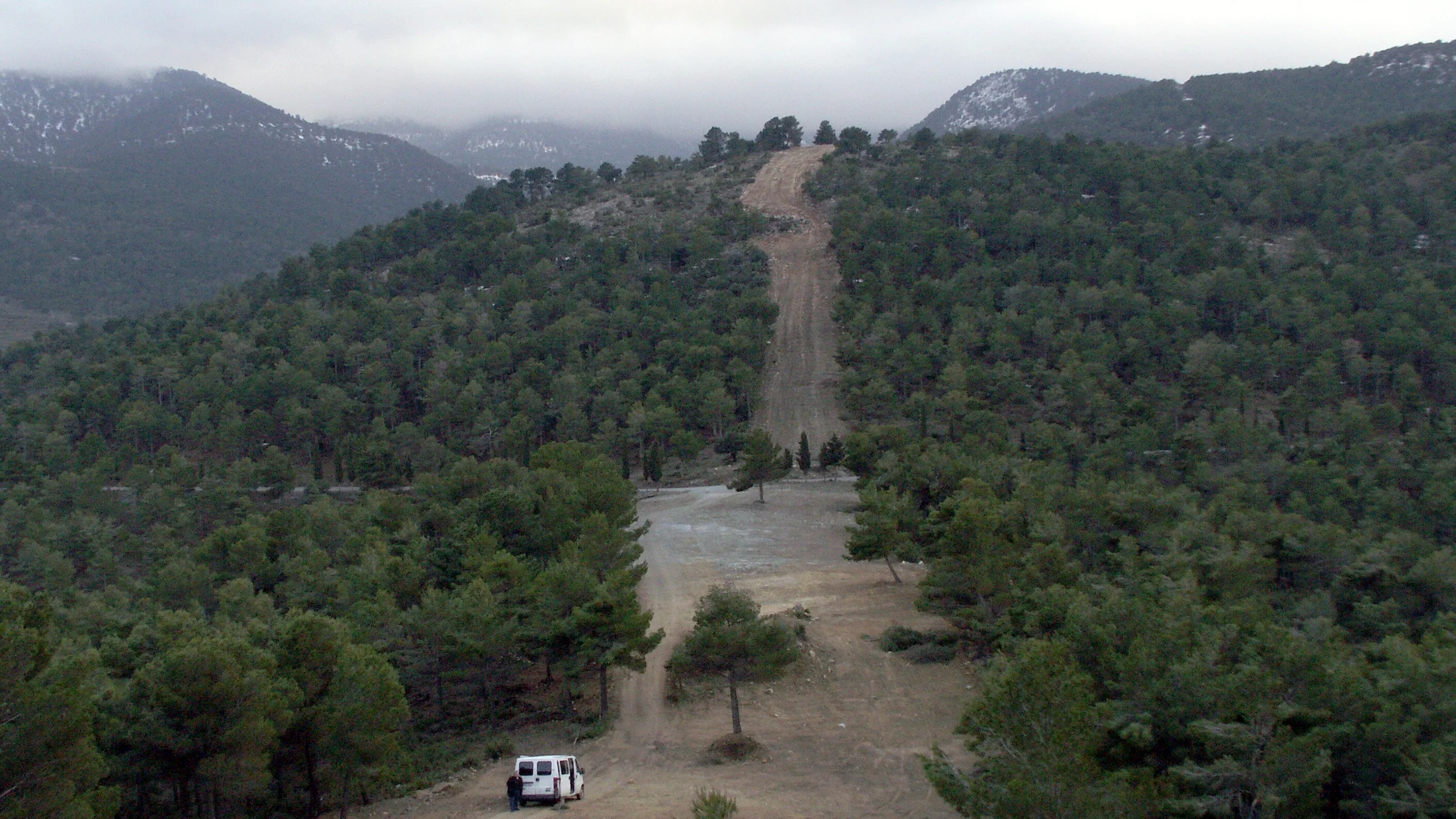
Lower slopes are covered by extensive pine plantations (Pinus halepensis, Pinus pinaster and Pinus nigra) established in the mid-20th century to curb erosion on deforested soils. Over the decades these woods have matured and now harbour a diverse understorey of juniper, savin, rosemary and thyme that scents the dry afternoon air in summer. At mid-elevations, between 1,200 and 1,800 metres, holm oaks (Quercus ilex), Portuguese oaks (Quercus faginea) and Montpellier maples intermingle with pines to form mixed forests of irregular structure where species diversity peaks. The coolest shaded slopes preserve Euro-Siberian relicts: hollies, yews and wild service trees that attest to a wetter climatic past.

Above 1,800 metres the landscape opens into broom scrub, creeping-juniper mats and high-altitude meadows where endemic plants have adapted to extreme conditions: night frosts even in June, persistent winds and solar exposure exceeding 3,000 hours a year. Sierra Nevada violet (Viola crassiuscula) and Alfacar sandwort are among the notable species that reach the Sierra de Baza at the edge of their range. Springs rising on the mid-slopes feed fountains and water sources that have historically determined the siting of farmsteads and mountain hamlets.

The fauna reflects a biogeographic crossroads between the Baetic ranges and the Granada high plateau. The Iberian ibex is the most visible herbivore, with a population exceeding 2,000 that can often be spotted on crags and high-altitude pastures. The golden eagle patrols the park's skies and nests on the cliffs of the Barranco del Relumbre. European wildcat, badger, beech marten and common genet inhabit the mid-mountain mixed forests, while wild boar is abundant in the lower pine woods. The steppe transition zones between the park and the Hoya de Baza support stone curlew, black-bellied sandgrouse and little bustard—birds characteristic of open pseudo-steppe environments.

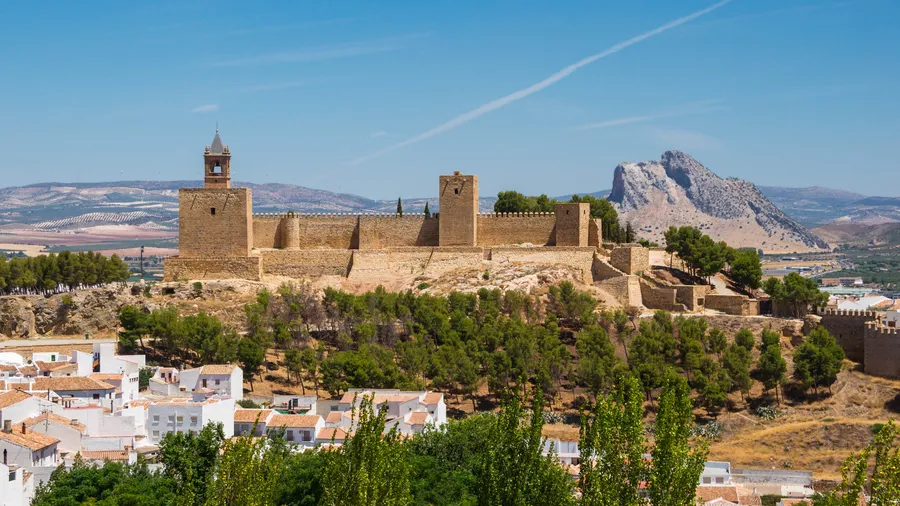
The farmsteads and hamlets within the sierra—Narváez, Benacebada, Floranes—were inhabited until the 1960s and 1970s, when rural depopulation gradually emptied them. Some have since been restored as rural accommodation or interpretation centres, retaining their dry-stone, whitewash and pine-timber architecture. Threshing floors, communal bread ovens and irrigation channels that still cross the slopes record a mountain farming system that endured for centuries. The town of Baza, at the park's foot, preserves 13th-century Arab Baths and the Iglesia Mayor, built over the former mosque, as testimony to the multicultural heritage of the Granada high plateau.
Practical information

Everything you need to know for your visit to Parque Natural de la Sierra de Baza

How to get there
From Granada city (100 km), take the A-92 towards Guadix and turn off on the A-315 to Baza. From Baza, enter the park via the GR-8102 road to Narváez. From Murcia (170 km), follow the A-92N. Parking at the park's picnic areas. No public transport to the sierra interior.
Area Information
Narváez Visitor Centre inside the park. Picnic areas with tables and fountains at several points. Rural accommodation in restored farmsteads. The town of Baza as a service base with hotels, restaurants and shops.
Geography
Isolated massif in the eastern Baetic ranges. Elevations from 800 to 2,271 m (Santa Bárbara). Mesozoic dolomite, limestone and marl substrate. Deep ravines, limestone crests and surrounding steppe basins.
Flora & Fauna
Mature pine plantations, holm oaks, Portuguese oaks, maples, yew and holly relicts. Broom scrub and creeping juniper at summits. Fauna: Iberian ibex (2,000+), golden eagle, wildcat, wild boar, stone curlew, little bustard.

Things to do

Find the best plans and things to do in Parque Natural de la Sierra de Baza

20

Accommodations

Best accommodation options in Parque Natural de la Sierra de Baza

Loading accommodation options...

Frequently Asked Questions

Get answers about Parque Natural de la Sierra de Baza

Yes, the Iberian ibex is relatively easy to spot in the Sierra de Baza, particularly on crags and high-altitude meadows above 1,800 metres. The population exceeds 2,000, making sightings frequent along high-altitude forest tracks. The best times are dawn and dusk, when animals descend to drink at springs. Binoculars are enough for good observations.
Yes, the route to Pico de Santa Bárbara (2,271 m) starts from the Narváez picnic area and covers about 14 kilometres return with approximately 900 metres of cumulative elevation gain. It poses no technical difficulty in summer but requires good fitness and navigation skills, as some stretches are poorly waymarked. In winter there may be snow and ice, requiring crampons and winter-mountaineering experience.
Baza has 13th-century Arab Baths, one of the best-preserved thermal complexes in Andalusia. The Iglesia Mayor, built over the former mosque, features a notable Renaissance portal. The Archaeological Museum displays replicas of the Dama de Baza, a 4th-century BC Iberian sculpture found at the nearby Cerro del Santuario necropolis. The old quarter retains stately houses and squares with a high-plateau market-town atmosphere.
Many park fountains provide drinkable water, especially those at mid and high altitudes fed by natural springs. In summer, however, some lower fountains may dry up or flow may reduce significantly. It is advisable to carry at least 2 litres of water per person on any route and not rely solely on trailside fountains.
The GR-8102 road to Narváez and the main picnic areas are accessible in any car. However, several interior forest tracks are unpaved and some stretches require a high-clearance vehicle. In winter, high-altitude tracks may be closed by snow. Check access conditions at the Narváez Visitor Centre before venturing onto secondary tracks.