The essentials of Parque Natural de Els Ports

  • • Over 1,500 wild ibex (Capra pyrenaica hispanica) with rut displays visible in November and December
  • • Bearded vulture (Gypaetus barbatus) reintroduced since 2007, one of the few breeding sites outside the Pyrenees
  • • Limestone walls up to 300 m on the Caro massif (1,447 m), a Mediterranean big wall climbing destination
  • • Griffon vulture colonies numbering hundreds of birds on cliffs near Arnes and La Pobla
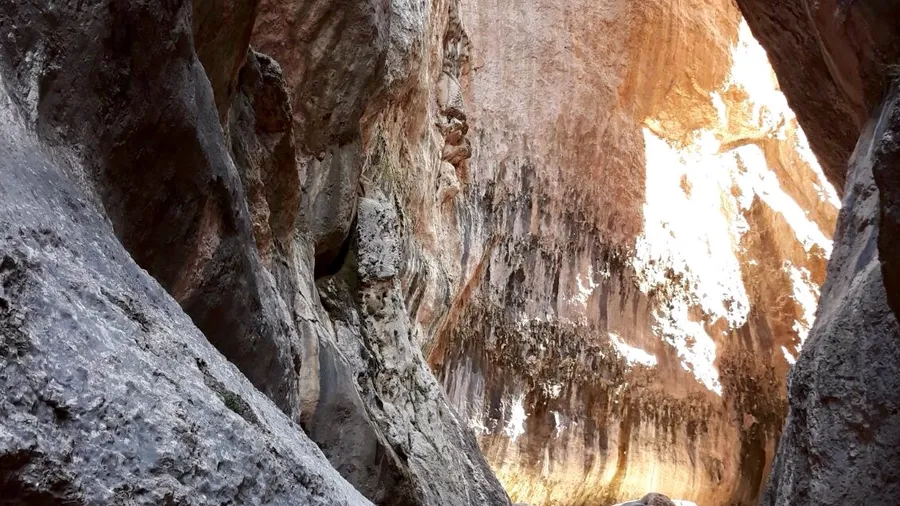
  • • Active karst with potholes, lapiaz and crystal-clear springs at the floor of the Barranc de la Fou

Description

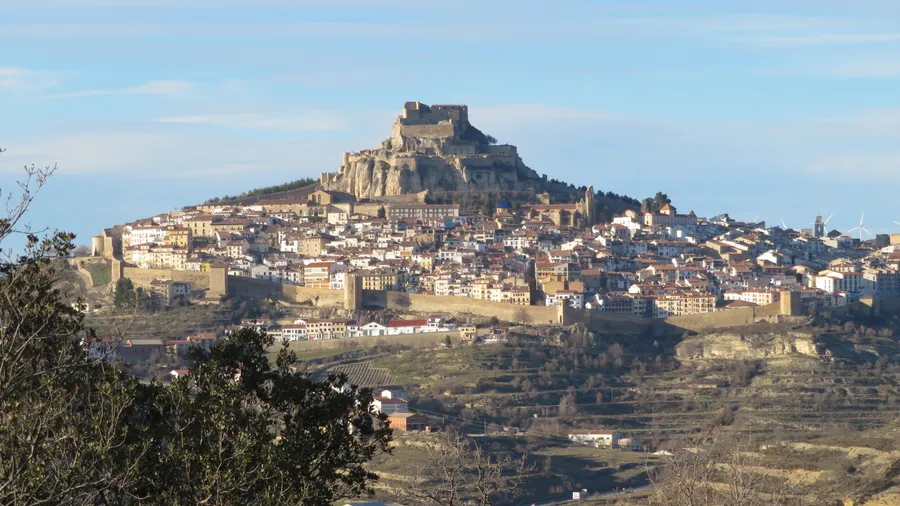
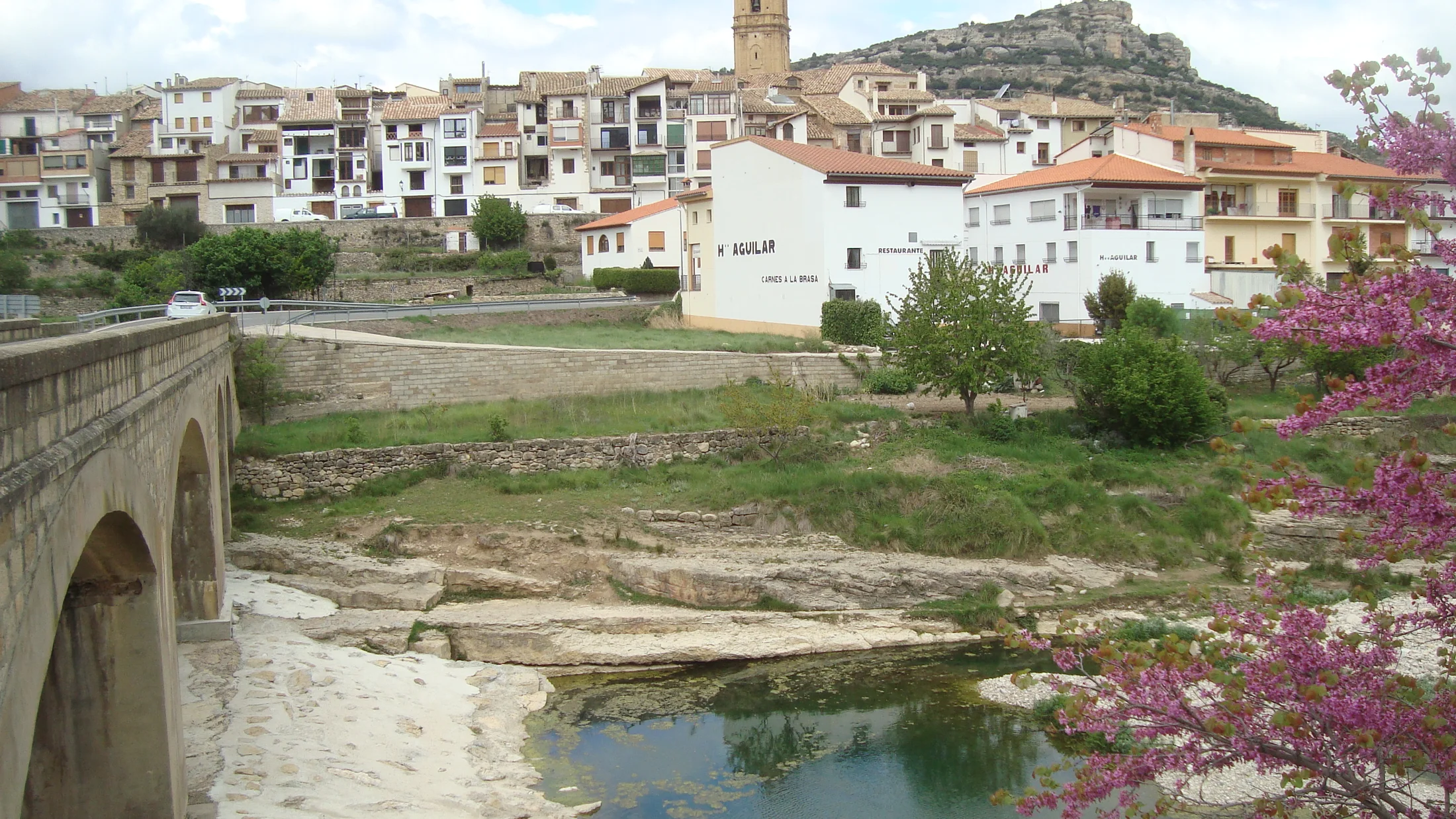
The Parque Natural de Els Ports covers 35,037 hectares at the southern tip of Catalonia, straddling the border between the provinces of Tarragona and Castellón, where the last spurs of the Iberian System drop sharply towards the Mediterranean. The Els Ports massif—historically known as Els Ports de Beseit—is one of the most rugged and least-travelled territories on the Peninsula: its peaks exceed 1,400 metres (Caro reaches 1,447 m) while the drainage gorges descend to 300 metres, producing a relief of limestone crests, vertical walls and narrows that has made this one of the premier destinations for high-mountain Mediterranean climbing and trekking.

The dominant geology is Mesozoic limestone from the Cretaceous and Jurassic, shaped by intense karst processes that have created a network of potholes, caves and surface lapiaz. Water infiltrates rapidly, explaining the scarcity of continuous surface rivers and the presence of springs and resurgences on valley floors. The Algars river, tracing the northeast park boundary, and the Ulldemó in the Catalan sector, are the most representative watercourses. Limestone walls rising more than 300 metres in a single pitch make Els Ports one of southern Europe's major sport climbing and big wall destinations.

The vegetation is Mediterranean mountain in character, with black pine (Pinus nigra) and Aleppo pine (Pinus halepensis) on shaded slopes, and kermes oak (Quercus coccifera), rosemary and cistus scrub on sun-exposed southerly aspects. However, the dampest and deepest ravines hold relict deciduous woodland with Portuguese oak (Quercus faginea), Montpellier maple (Acer monspessulanum) and yew (Taxus baccata). This vegetation mosaic supports one of the strongest Iberian wild goat (Capra pyrenaica hispanica) populations on the Peninsula, estimated at over 1,500 individuals; their rut behaviour in November and December is one of Catalonia's most vivid wildlife spectacles.

Raptors are another outstanding feature of the park. The bearded vulture (Gypaetus barbatus) returned to breed in Els Ports thanks to a reintroduction programme launched in 2007, making it today one of the few territories outside the Pyrenees where this species can be observed. Griffon vulture (Gyps fulvus) colonies number in the hundreds on the limestone cliffs. Bonelli's eagle (Aquila fasciata) and Eleonora's falcon (Falco eleonorae) complete a raptor list that makes the park a priority destination for birdwatching. A network of hides and wildlife trails is well signposted, with bearded vulture observation points managed by the Consorci dels Ports.
Practical information

Everything you need to know for your visit to Parque Natural de Els Ports

How to get there
From Tarragona, take the AP-7 to Tortosa then the T-333 to Roquetes, the main park entrance 80 km away. From Castellón (80 km), take the N-232 to Vinaròs and the CV-12 towards Morella, with northern access via Mas de Barberans. The Mas de la Cova visitor centre is 6 km from Roquetes. No public transport into the park interior; buses to Tortosa from Tarragona and Barcelona.
Area Information
Mas de la Cova visitor centre (Roquetes) with exhibition, shop and guide service. Font Ferrera mountain refuge (1,200 m) with limited capacity. Car parks at the Arnes, La Pobla de Massaluca and Roquetes access points. Three signposted wildlife observation hides in the park.
Geography
Mesozoic limestone massif ranging from 300 to 1,447 m (Caro peak). Intense karst has sculpted sharp crests, blind canyons and extensive lapiaz. The Algars and Ulldemó rivers drain the park towards the Ebro. The southern face drops steeply towards the Castellón Maestrazgo.
Flora & Fauna
Black pine (Pinus nigra), Aleppo pine (Pinus halepensis), Portuguese oak (Quercus faginea) and yew (Taxus baccata) on shaded slopes. Wild ibex (Capra pyrenaica hispanica), bearded vulture (Gypaetus barbatus), griffon vulture (Gyps fulvus), Bonelli's eagle (Aquila fasciata) and Eleonora's falcon (Falco eleonorae).

Things to do

Find the best plans and things to do in Parque Natural de Els Ports

20

Accommodations

Best accommodation options in Parque Natural de Els Ports

Loading accommodation options...

Frequently Asked Questions

Get answers about Parque Natural de Els Ports

Yes. Since the reintroduction programme launched in 2007 by the Consorci dels Ports Life+ project, bearded vultures (Gypaetus barbatus) can be seen regularly in the park, particularly around the limestone cliffs near Arnes and the Caro peak area. The best observation months are January and February, when adults are attending nests in preparation for egg-laying. The Consorci dels Ports runs weekly guided birdwatching excursions from November to March.
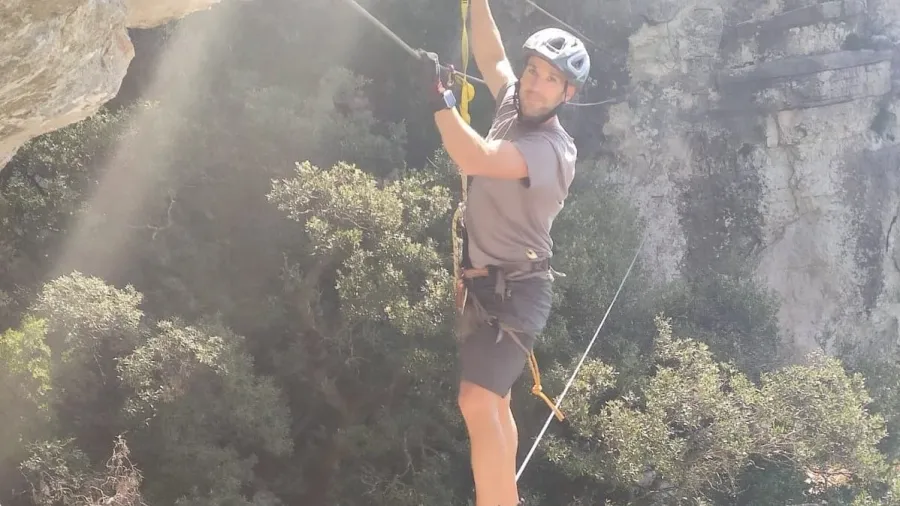
The park offers a wide range of difficulty. Valley-floor paths such as the Barranc de la Fou (4 km, minimal elevation change) are accessible to all. Ridge routes to Caro peak (1,447 m) require good fitness and basic navigation skills, with ascents of 700–900 m from the car parks. The Barranc del Llop via ferrata is rated K2 (intermediate). Sport climbing at Arnes covers every grade from 4b to 8c+.
The wild ibex rut runs from mid-November to late December. The best viewpoints are the natural overlooks above the gorges near Roquetes, the ridgeline saddles on the route to Caro, and the cliffs above the Algars river near Arnes. Arriving at dawn or dusk is recommended, when animals descend to lower elevations. No guide is required for self-guided observation, but the Consorci's guided outings include background on animal behaviour.
The GR-7 E-4 long-distance trail crosses the park north to south over approximately 35 km in 2–3 stages, with overnight options at Font Ferrera refuge (1,200 m) and rural houses in fringe villages such as Arnes, La Pobla de Massaluca or Roquetes. The Ruta dels Ports Medievals is a 4-stage circular route linking historic villages around the park. The 1:25,000 park map is available at the visitor centre.
Dogs are allowed on trails provided they are kept on a lead at all times. They are not permitted in integral reserve zones or at wildlife observation hides. During the ibex rut (November–December) and bearded vulture breeding season (January–April), it is particularly important not to bring dogs near cliff areas to avoid disturbing wildlife.