Getaways and things to do in Garraf

Coast south of Barcelona featuring Sitges, Vilanova i la Geltrú and Castelldefels; pristine coves, kitesurfing, xató salad, and Modernism just 30 minutes from the capital city.

The essentials of Garraf

  • • White coves of the Garraf cape —Vallcarca, Cala Morisca, Roques Planes— accessible only on foot or by kayak
  • • Modernist Sitges: Rusiñol's Cau Ferrat, Palau Maricel and 'indiano' houses along the promenade
  • • Sitges Carnival in February and International Fantastic Film Festival in October
  • • Kitesurfing and paddle surfing on the long beach of Castelldefels, with five kilometers of fine sand
  • • Xató salad and seafood rice dishes in Vilanova i la Geltrú, with DO Penedès wines twenty minutes away

Description

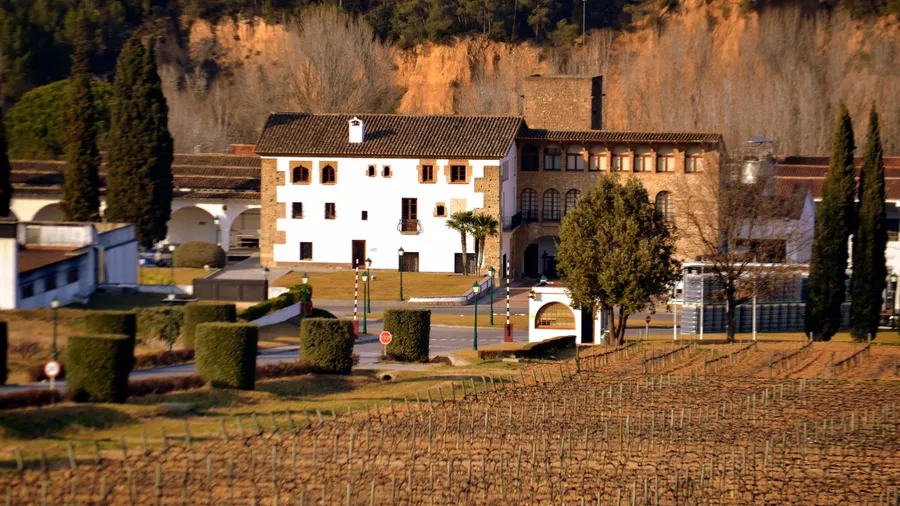
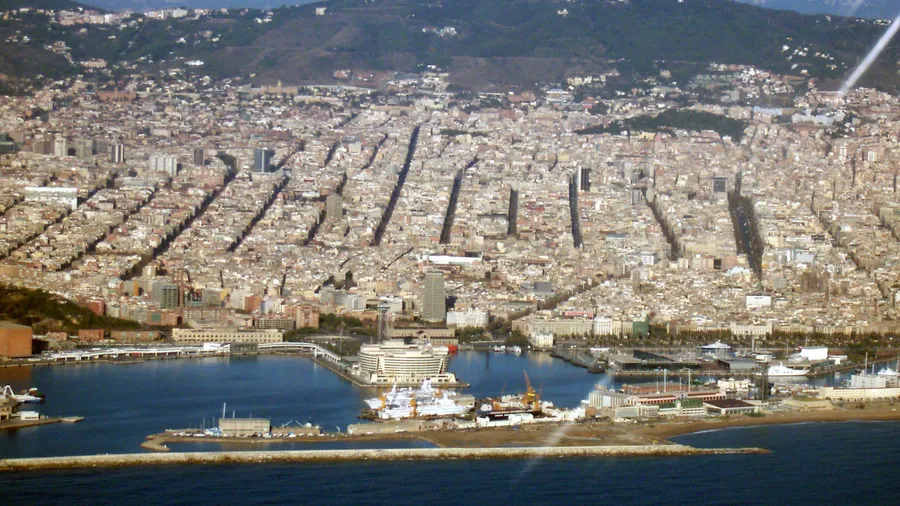
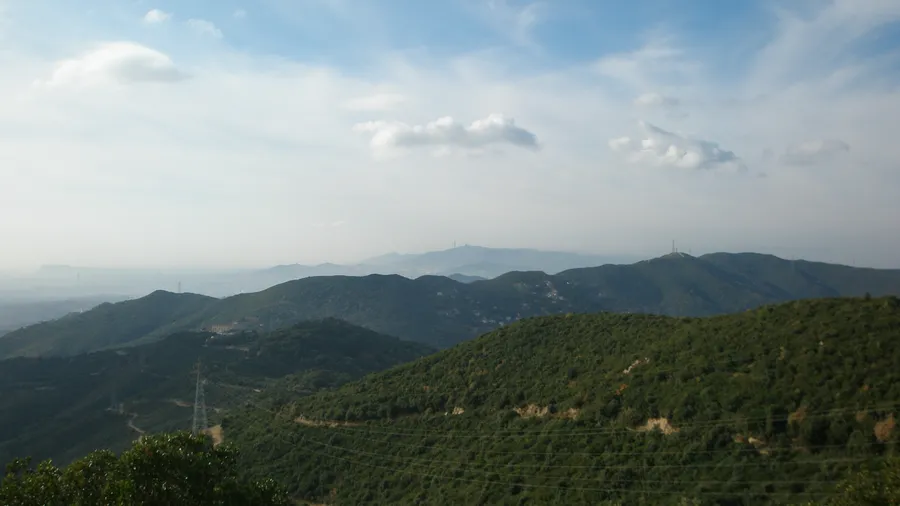
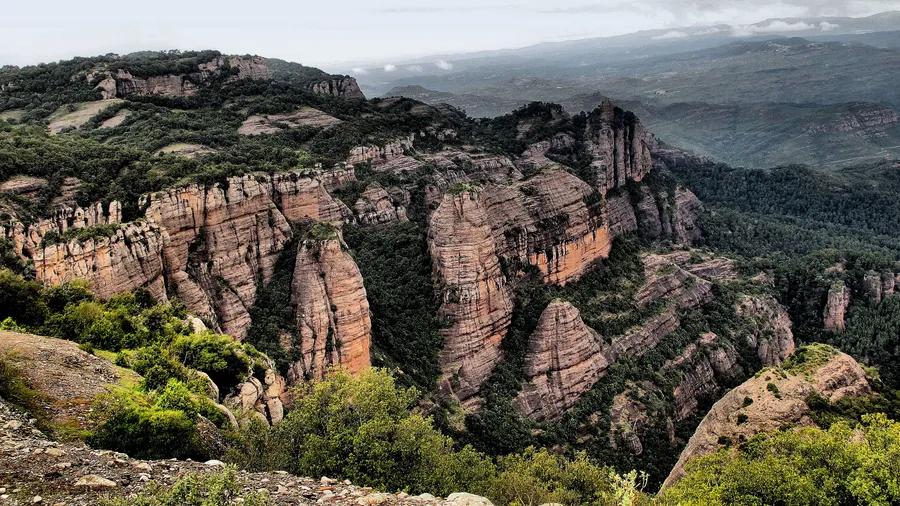
The Garraf is the Mediterranean strip extending between Castelldefels and Cunit, just south of Barcelona, and owes its character to the karst massif that gives its name to the district: a limestone relief that folds the coast, sculpts white cliffs and leaves small coves, sea caves, and a unique profile on the Catalan coastline. The C-32 highway crosses the Garraf cape along one of the most spectacular panoramic stretches in the country, with the mountains on one side and the sea just meters from the asphalt, while the R2 line of Rodalies runs along the same coast from town to town. In Castelldefels, a five-kilometer sandy beach opens up which is the playground for metropolitan kitesurfing and paddle surfing, with Castell Templer presiding over the pine forest. Sitges, the jewel, preserves the Modernist legacy of Santiago Rusiñol —the Cau Ferrat, Palau Maricel— and ignites every February during Carnival and every October at the International Fantastic Film Festival, without losing its white streets of former 'indianos' (returned emigrants). Vilanova i la Geltrú, the district capital, maintains a lively fishing port, the Comparses of Carnival, the Museu del Ferrocarril (Railway Museum), and a tradition of seafood rice dishes and xató —the salad of escarole with almond and hazelnut sauce and salted fish— which sets it in friendly competition with Sitges for authorship of the dish. Between these two centers are hidden the most sought-after coves: Vallcarca, Cala Morisca, Roques Planes and, in the town of Garraf, a row of white houses clinging to the water and the old Modernist wineries of Güell. Inland rises the Parc Natural del Garraf, a mosaic of oak, palm and rosemary where eagles, owls and wild boar survive, and just kilometers away, the Parc del Foix with its pond and castle. The Penedès region, cradle of cava sparkling wine, is twenty minutes north, and the combination of sea, mountains and vineyards makes Garraf a short destination from Barcelona —fifteen minutes from the airport— but with enough character of its own to occupy several days.
Practical information for Garraf

Everything you need to know for your visit to Garraf

How to get there
From Barcelona, the C-32 (Garraf highway) reaches Castelldefels in 20 minutes, Sitges in 30 and Vilanova in 40, with a panoramic stretch between Garraf and Sitges. The N-340 runs parallel along the coast for a slower, more scenic route. The R2 south line of Rodalies connects Barcelona-Sants with Castelldefels, Sitges, Vilanova, Cubelles and Cunit every 15-30 minutes. Barcelona-El Prat airport is 15 minutes from Castelldefels and 30 from Sitges, with direct Mon-bus service.
Area Information
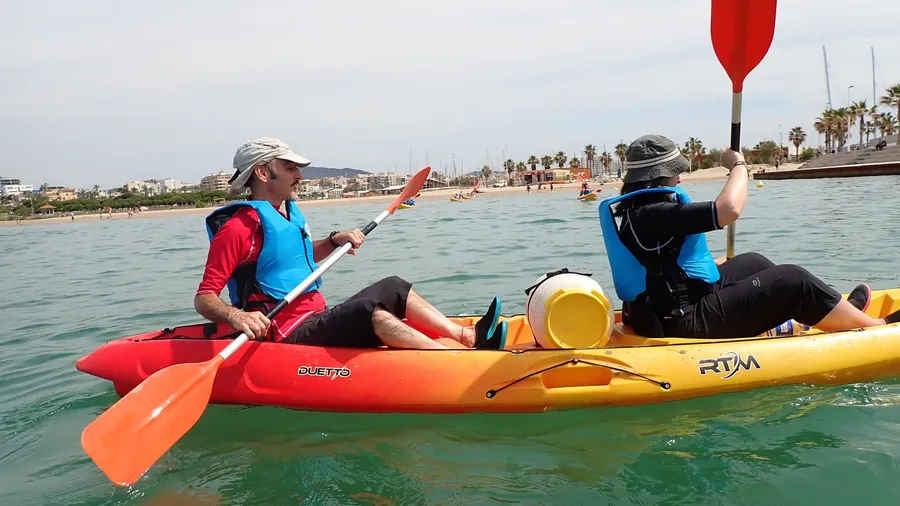
Sitges and Vilanova i la Geltrú concentrate the hotel and restaurant offer, with pedestrian promenades and bike lanes connecting coves. Castelldefels offers kitesurfing, paddle surfing and sailing schools; the Aiguadolç marina (Sitges) and Vilanova marina are the base for boat trips to the coves of Garraf and Cova del Llop Marí. There are diving services in Sitges and Vilanova and mountain biking centers with access to the Parc Natural del Garraf from Begues, Olivella and Olesa de Bonesvalls. Tourist offices in Sitges, Vilanova, Castelldefels and Cubelles. Limited parking in the coves of Garraf cape in summer: it is advisable to arrive early or by Rodalies.
Geography
Limestone karst massif folded against the sea between the Llobregat delta and the mouth of the Foix. Mixed coastline: long sandy beach to the north (Castelldefels-Gavà), cliffs and small coves in the Garraf cape, and open sandy beaches to the south (Cubelles-Cunit). Inland, low-altitude mountains, dry valleys and sinkholes characteristic of karst geomorphology.
Flora & Fauna
Typical Mediterranean vegetation of oak, white pine, palm —the only native European palm—, rosemary, lentisk and thyme. In the terrestrial fauna stand out the eagle, owl, wild boar and Mediterranean tortoise; in the sea, posidonia seagrass, salps, seabream and grouper in the rocky areas. The Parc Natural del Garraf protects more than 12,000 hectares of the massif.

Things to do in Garraf

Find the best plans and things to do in Garraf

28

What to see in Garraf

Discover the must-see sights in Garraf

Accommodations in Garraf

Best accommodation options in Garraf

Map of nearby accommodation

Frequently asked questions about Garraf

Get answers about Garraf

The R2 south line of Rodalies (Renfe) departs from Barcelona-Sants and stops in Castelldefels, Garraf town, Sitges, Vilanova i la Geltrú, Cubelles and Cunit with frequencies of 15-30 minutes throughout the day. The journey to Sitges is about 35 minutes.
Vallcarca, Cala Morisca and Roques Planes in the Garraf cape are the most pristine; access is on foot via short trails from the C-31 or by kayak. The cove of Garraf town and Aiguadolç beach in Sitges combine atmosphere and services.
The long beach of Castelldefels is the premier spot for kitesurfing in the Barcelona metropolitan area, with several schools all year round. For paddle surfing, in addition to Castelldefels, Aiguadolç (Sitges) and Ribes Roges beach in Vilanova are recommended.
Xató —escarole salad with almond, hazelnut and salted fish sauce— is the emblematic dish of Sitges and Vilanova, with its own Xató Route in winter. Also seafood rice dishes, salted fish and, in the neighboring Penedès region, 'calçots' with 'romesco' sauce.
It is celebrated in the days leading up to Ash Wednesday, usually between late February and early March. The main parades —Rua de la Disbauxa and Rua de l'Extermini— are on Sunday and Tuesday of Carnival and bring together tens of thousands of people.