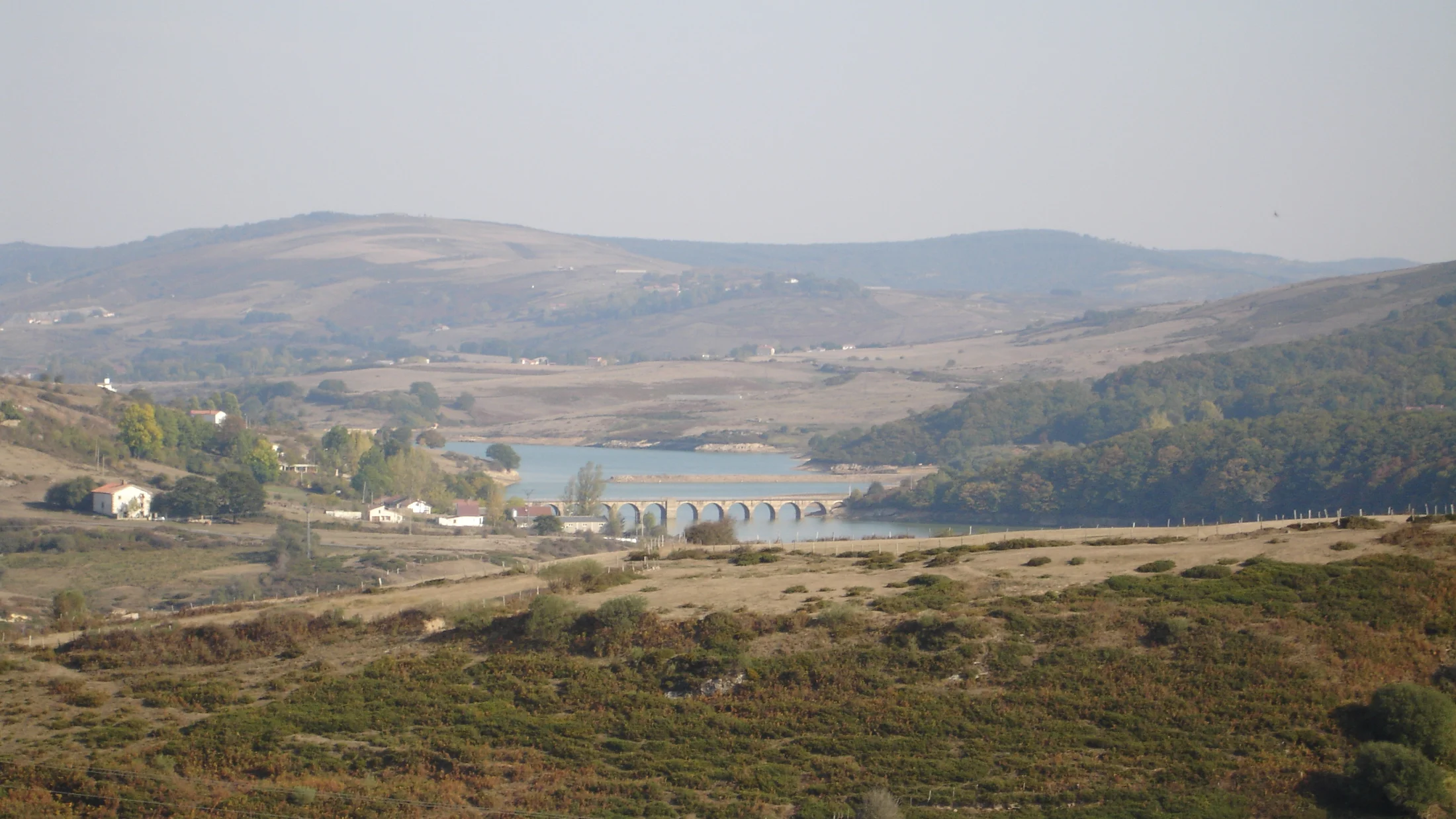
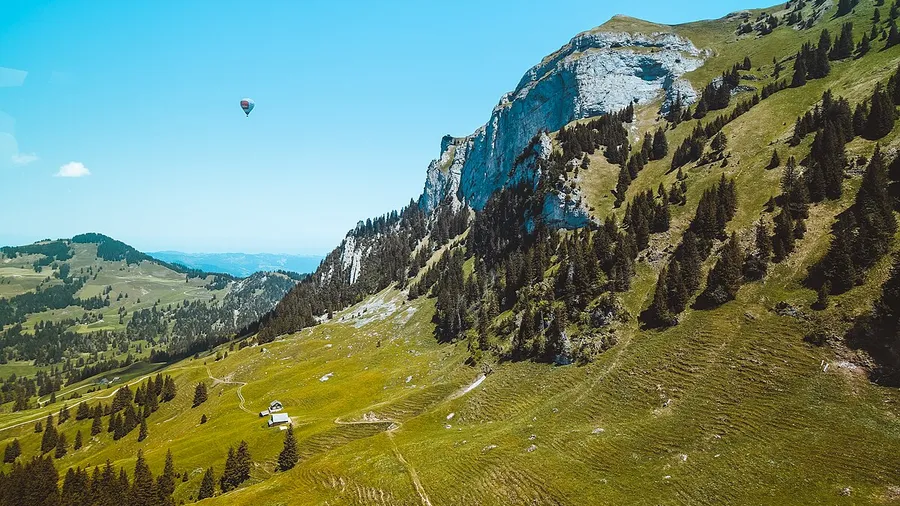
Embalse del Ebro covers 6,253 hectares in southern Cantabria at 838 metres above sea level, making it the largest inland body of water in northern Spain. It was created in 1947 when the Arroyo dam impounded the upper course of the River Ebro near the town of Reinosa. The reservoir stretches 20 km long and holds up to 540 cubic hectometres. Its irregular shoreline, indented with small coves and peninsulas, runs for over 80 km, alternating between grassy beaches, rustic jetties and reedbeds. On summer mornings, before the thermal wind picks up, the water surface mirrors the Cantabrian mountain ridges in shades of green and grey.
The reservoir serves as a watersports base during the warm months. Sailing and windsurfing benefit from reliable thermal winds that blow from midday, gusting at 15–25 knots between June and September. Club Náutico de Campoo, on the southern shore, runs regattas and beginners' courses. Kayaking and stand-up paddleboarding find calmer water in the eastern coves, while pike, carp and black bass fishing draws anglers from across the northern plateau. Swimming is permitted in several areas, though water temperature rarely exceeds 20 °C even in August due to the altitude.
The reservoir's shores form an important corridor for waterbirds. The Observatorio de Aves de Arija, at the southern end, has information panels and a hide overlooking reedbeds where little bitterns, marsh harriers and grey herons nest. In winter, flocks of mallard, teal and tufted duck occupy the open water. SEO/BirdLife has recorded over 160 species around the reservoir. For families, the northern-shore loop — 12 km of flat, signed trail suitable for cycling — links the villages of Orzales, Lanchares and Arroyo with picnic areas and panoramic views of the water.
South of the reservoir, Reinosa (population 12,000) is the service centre for the Campoo district. Its historic quarter preserves 17th- and 18th-century Cantabrian manor houses, and the Tuesday market sells local produce: Campoo cream cheese, heather honey and homemade cured meats. Five kilometres west, the Roman ruins of Julióbriga — the most important city in ancient Cantabria — include an interpretation centre with a reconstructed Roman domus. The ski resort of Alto Campoo, 25 km away, opens from December to April with 28 runs between 1,650 and 2,175 metres, making the reservoir a base for both summer and winter holidays. In the lakeside villages — Arija, La Población, Quintanilla — 12th-century Romanesque churches and limestone hay barns bear witness to the rural Cantabrian architecture that predates the reservoir.