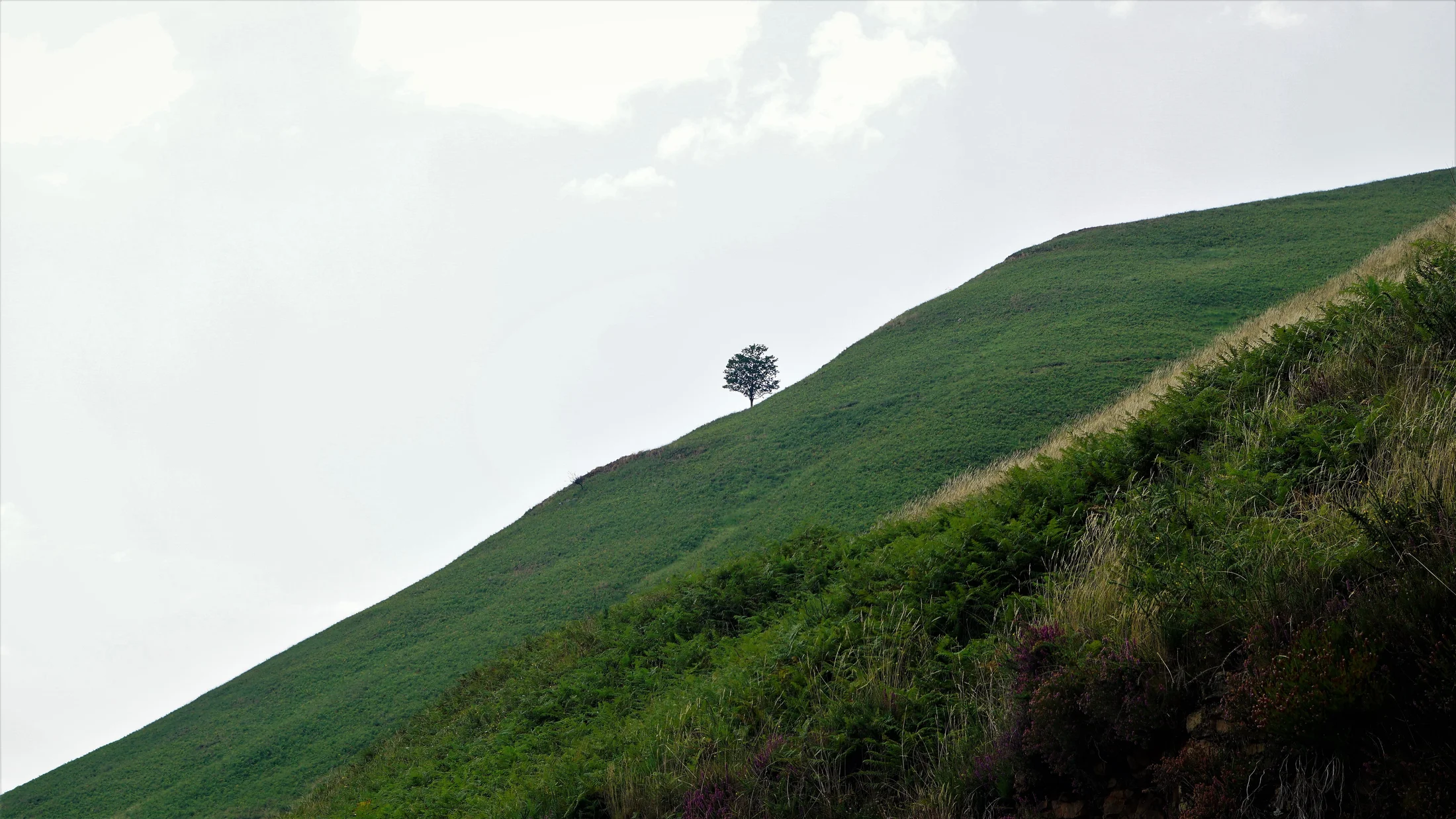
Embalse de Alsa sits at the bottom of the upper Pas valley in the municipality of Vega de Pas, roughly 60 kilometres south of Santander. Built in 1948 on the Pas river to regulate water supply to the Cantabrian capital, the reservoir holds some 22 cubic hectometres in an elongated water body following the valley shape for approximately 2 kilometres. The enclosing slopes rise steeply to 800-1,000 metres, covered in mixed Atlantic woodland where oaks, beeches and hazels intertwine under an almost unbroken canopy of green.
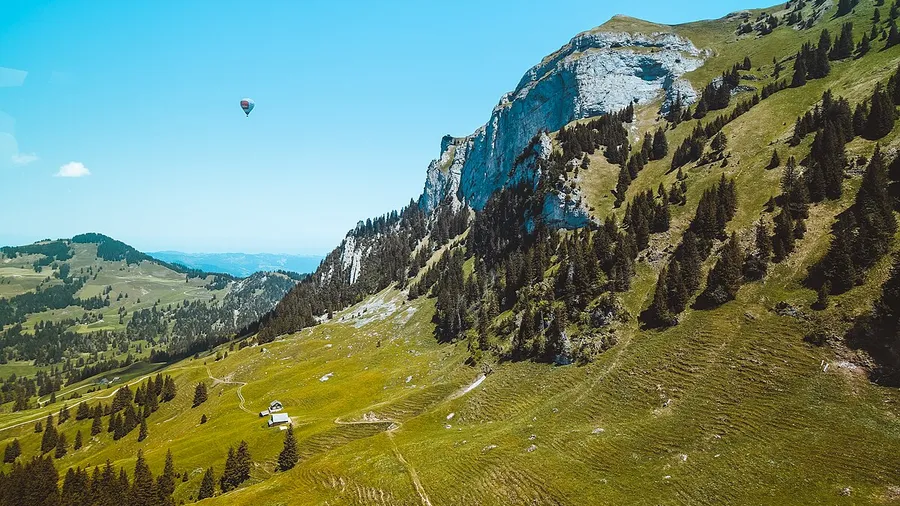
The reservoir's surroundings belong to the Valles Pasiegos, a district that maintained for centuries a system of vertical transhumant herding known as 'muda': Pasiego families moved their cattle and their homes — the cabañas pasiegas — between grazing levels according to the season. These cabins, stone-and-timber structures with gabled roofs, dot the slopes around the reservoir and form one of the most distinctive vernacular architecture ensembles on the Cantabrian coast. Many have been restored as rural accommodation.
Vegetation shifts with altitude and aspect. Along the waterline, alders and willows form the riparian gallery. Shaded north-facing slopes hold beech forests (Fagus sylvatica) with an understorey of holly and blueberry, while sun-facing slopes are dominated by pedunculate oak (Quercus robur) mixed with chestnut and hazel. In spring, the meadows around the Pasiego cabins fill with wild daffodils and orchids of the Dactylorhiza and Ophrys genera.
Wildlife in the valley includes stable populations of roe deer, wild boar and European wildcat in the forests. The reservoir and its tributary streams support native brown trout, and fly fishing is permitted with a Cantabrian government licence between March and August. Egyptian vultures nest on the rocky outcrops above the left bank in spring, and griffon vultures are regularly seen circling above the ridges. Kingfishers frequent the reservoir shores, their electric-blue silhouette skimming across the water surface.
Trails around the reservoir combine forestry tracks with bridle paths linking the Pasiego cabins. The most accessible route follows the northern shore for 4 kilometres with minimal elevation change, suitable for families. From Vega de Pas, the GR-74 climbs towards the Puerto de las Estacas de Trueba (1,166 m), a 12-kilometre mountain walk through beech forests and high meadows with panoramic views over the Pas, Miera and Pisueña valleys.
Vega de Pas is the best-known village of the three Pasiegan valleys (alongside San Pedro del Romeral and San Roque de Riomiera). Its oldest bakery has spent over a century producing sobaos pasiegos — rectangular butter sponge cakes — and quesadas pasiegas — curd-milk tarts. Pasiego cow's milk also feeds a cheese tradition including fresh Pasiego cheese and cream cheese. On Sundays, the Vega de Pas market brings together local producers of honey, cured meats and preserves.
The reservoir has no organised leisure services: no boat hire, no designated beaches, no refreshment stands. It is a space of silence broken only by the occasional lowing of cows in nearby meadows, the drip of water between stream stones and, if you arrive early, the mist lifting off the water like a white curtain that the sun rolls back up the slopes.