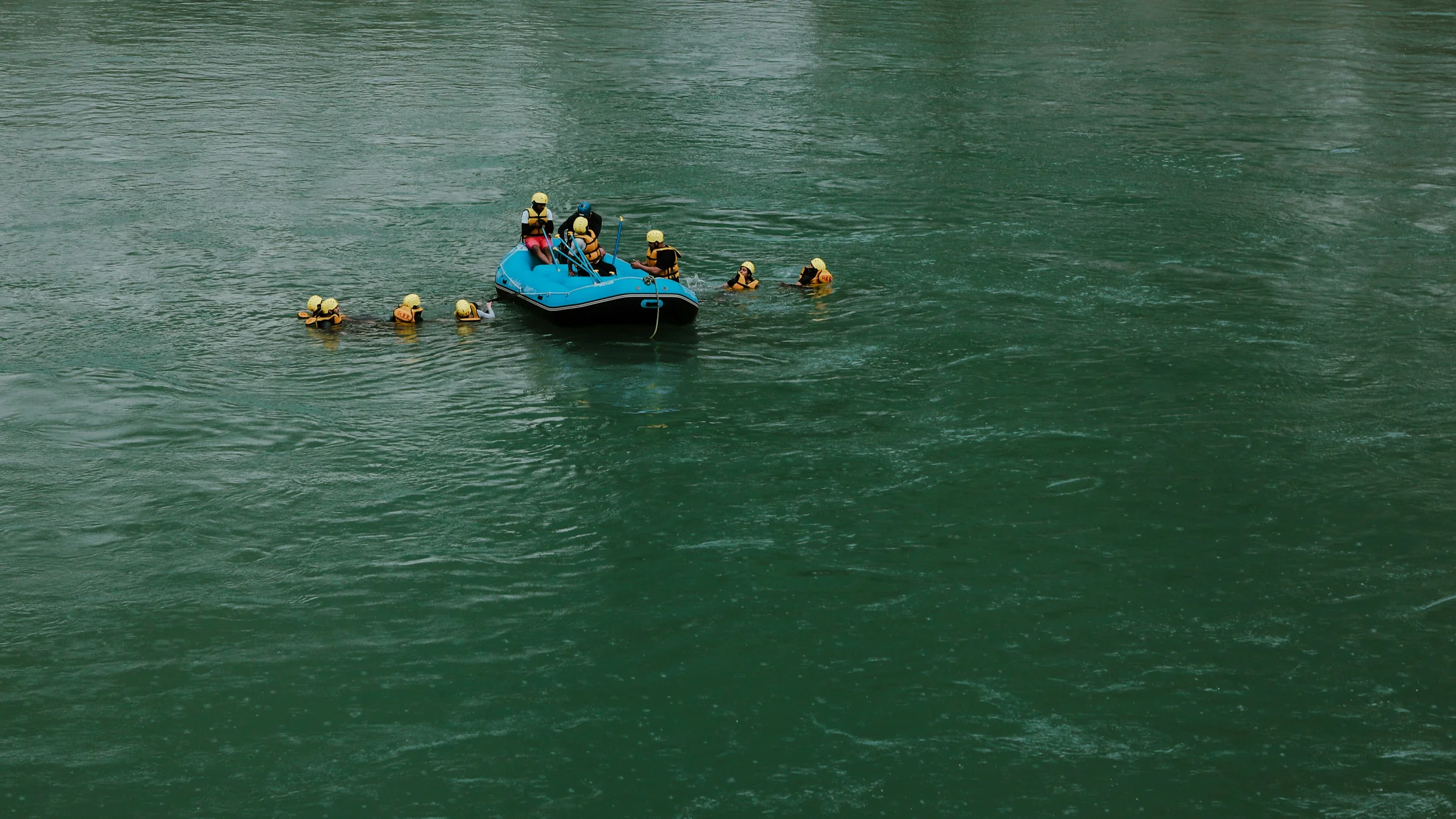
Why Rafting Belongs in Your Summer Plans in Spain
Rafting across Spain: where and why it works
Rafting delivers summer energy without the crowds, and beginner rafting Spain is easier to plan than you think. You’ll find accessible stretches in the Pyrenees, Cantabrian foothills, and across Andalucía, with outfitters running daily trips from spring to early autumn. A steady hiss of cool water against rubber keeps nerves calm and focus sharp.
Spain’s most developed hubs include the Catalan and Aragonese Pyrenees (Noguera Pallaresa, Ésera, Gállego), the Central-Eastern interior (Cabriel), the green north (Deva, Miño), and southern ranges (Genil, Guadalfeo, Guadalquivir in Cazorla, Guadiana Menor). For a first experience, look for Class I–III whitewater on the International Scale of River Difficulty (I–VI), where waves are moderate and obstacles predictable. Trained guides, helmets, and personal flotation devices (PFDs) are standard; reputable operators brief you before launch and keep ratios around 1 guide per 6–8 guests. Sunlight on eddies flashes like polished coins.
What we considered and how to read this list
We chose rivers with beginner-friendly difficulty, guided sections, operators with solid reputations, easy access and parking, family options, and scenic value. Prices generally range 35–65 € p.p. for 1.5–3 hours; confirm current rates with the operator or explore options on Picuco. A faint scent of wet pine and neoprene sets the tone for a safe start.
Each river entry includes: location, the stretch recommended for novices, typical water level (Class I–III), best season, who it suits (families, youth groups, friends), complementary activities, operators’ presence, and price guidance. Use it to match your comfort level and travel plans, then pencil in a date while summer flows are steady.
Picuco te puede ayudar
Does something here catch your eye?
Tell us.
Write to us on WhatsApp or email: we answer questions, find the best options and help you sort out the booking.
10 Rivers That Welcome First-timers
1) Noguera Pallaresa — the Pyrenean classic to learn with confidence
The Noguera Pallaresa in Lleida is Spain’s touchstone for first-timers, with dependable dam-regulated flows and polished logistics. Typical beginner runs between Llavorsí and Rialp offer Class II–III, about 8–14 km and 2–3 hours, with plenty of calm pools between rapids. Cold spray lifts off the boat as the valley widens under spruce and slate.
Summer (June–September) is prime thanks to controlled releases and long daylight, while May–early June bring snowmelt vigor for sporty novices. Multiple specialized outfitters operate daily, supplying PFDs, helmets, neoprene, and shuttle logistics, and they maintain instructor certifications and rescue training. Expect 45–65 € p.p. depending on length and add-ons; confirm current prices with the operator or check Picuco for curated options. Noguera Pallaresa rafting pairs easily with canyoning in nearby tributaries or mellow hiking in Aigüestortes i Estany de Sant Maurici National Park. For new rafters, this river’s mix of lively waves and forgiving recovery zones sets the gold standard in rafting in Spain.
2) Cabriel — a gentle option close to Valencia
Straddling Valencia and Castilla–La Mancha, the Cabriel flows through the Reserva de la Biósfera del Valle del Cabriel, offering clear water and beginner-suited Class I–II with occasional Class II+. Family-friendly descents run 6–10 km over 1.5–2.5 hours, often with limestone gorges and easy eddies for practice stops. Sunlight flickers through tamarisk while fish flash beneath the hull.
Late spring to early autumn works well, with the warmest, calmest experiences from June to September. Certified local operators run daily departures, provide all gear and transport, and frequently offer family rafting Spain formats with age-appropriate briefings. Budget 35–50 € p.p.; confirm current rates with the operator and look for family packs on Picuco. The area invites a full day: swim spots, short hikes to balconies over the canyon, and flatwater kayak sessions. Among Spain’s rivers for rafting, Cabriel stands out for accessibility from the coast and a mellow learning curve.
3) Miño — Galicia’s green charm for an easy first run
Near Ourense and Pontevedra, the Miño offers broad, forgiving channels that welcome cautious beginners. Popular novice stretches near Arbo or Salvaterra do Miño deliver Class I–II with scattered wave trains and sweeping bends that build confidence over 1.5–2 hours. Eucalyptus and river mist lend a cool, herbal scent at launch.
Best season runs May to September, with early summer giving slightly fuller, smoother lines; by late summer, operators may choose shorter sections with reliable depth. Local certified outfitters provide guided rafts, safety talks, and family-friendly departures, frequently bundling vineyard visits or riverbank picnics. Plan on 35–50 € p.p.; verify current prices with the operator or see curated choices on Picuco. After the descent, explore Rías Baixas beaches or the thermal baths in Ourense. For beginner rafting Spain, the Miño’s wide margins and spacious eddies remove pressure and let teamwork click.
4) Guadalfeo — Alpujarra scenery with a gentle kick
In Granada’s Alpujarra, the upper Guadalfeo offers beginner stretches framed by terraced hillsides and Sierra Nevada views. Expect Class I–II with short II+ waves on routes of 6–10 km taking 1.5–2.5 hours, ideal for new rafters who want excitement without chaos. Worn granite warms the morning air as meltwater cools your knuckles.
Go late spring through early summer for friendliest levels; in high heat, bring sun protection and ask about thicker neoprene, as Sierra melt keeps the water brisk. Reputable local providers run guided sections and family trips, supply gear, and handle shuttles. Prices usually land around 40–55 € p.p.; confirm with the operator and compare seasonal specials on Picuco. Off the water, wander whitewashed villages, sample local cheeses, or add a short canyoning taste in tributary gullies. Within rafting in Spain, Guadalfeo blends Andalusian landscapes with steady, beginner-proof lines.
5) Genil — accessible descents in inland Andalucía
Flowing from Sierra Nevada through Córdoba and Málaga provinces, the Genil provides easy-to-reach novice runs with broad channels and predictable current. Typical beginner sections deliver Class I–II over 7–12 km for 2–3 hours, offering clean read-and-run water and plenty of eddies for practice. Warm air carries the scent of river willow and sun-baked earth.
Late spring to September is most reliable; in midsummer, plan morning outings for cooler temps and steadier flows. Certified operators run family and group departures, provide full gear, and keep ratios tight for first-timer comfort. Expect 40–55 € p.p.; verify with the operator and browse Picuco for seasonal bundles. Logistics are straightforward: paved access, on-site parking, and return shuttles back to your car. If you’re testing the waters before a Pyrenees trip, Genil’s laid-back rhythm and easy approach make it a smart first chapter.
6) Gállego — Aragon’s playbook for safe thrills
North of Huesca, the Río Gállego offers staged sections that scale from placid to peppy, letting beginners sample Class II–III without overcommitting. Novice runs typically span 8–12 km in 2–3 hours, with wide channels and rescue-friendly pools that keep stress low. The rumble of a downstream rapid sounds like distant wind through poplars.
Flow patterns vary by season; spring brings fuller water, while summer commonly features scheduled releases that sustain clean lines for guided trips. Local specialists operate daily, offer family departures, and can combine rafting with via ferrata or canyoning for multi-activity weekends. Prices usually fall between 45–60 € p.p.; confirm current rates with the operator or consult Picuco for curated picks. For rafting para principiantes, Gállego’s structured progression and practiced guide teams translate to confident first runs in the Aragonese Pyrenees.
7) Ésera — a Pyrenean setting with forgiving stretches
In the Benasque area (Huesca), the Ésera flows past beech and fir slopes with beginner-suited Class I–II segments and occasional II+ waves. Standard outings cover 7–10 km in about 2 hours, offering clean approaches to features and long rests for teamwork drills. The raft bobs like a leaf beneath gray limestone walls.
May to September is prime, with early summer bringing smoother lines and late summer offering warmer air and family-friendly sessions. Certified operators supply gear, bilingual briefings, and flexible timetables, often pairing rafting with easy hikes or lake paddles around Eriste. Budget 45–60 € p.p.; check current pricing with the operator and explore options on Picuco. For rafting beginners rivers Spain, Ésera stands out for its balanced tempo and cinematic Pyrenean backdrop.
8) Deva — Cantabrian waters with friendly channels
The Deva, shared with the Cares catchment near Picos de Europa, delivers approachable Class I–II sections suited to families and cautious starters. Expect 6–10 km and 1.5–2.5 hours, with broad meanders and stable eddies that ease first-move jitters. The cool breath of the north drifts over beech forests and stone villages.
Late spring through summer typically works best; flows can fluctuate, so operators pick stretches that match conditions on the day and set conservative limits for new paddlers. Experienced local teams run guided trips, supply full equipment, and manage shuttles, with family departures common in school holidays. Plan for 40–55 € p.p.; confirm with the operator and see Picuco for availability windows. Between runs, detour to Picos viewpoints or swim holes where the Deva slows. As an entry point to rafting in Spain, the Deva balances green scenery with gentle confidence-building waves.
9) Guadalquivir (sierras de Cazorla) — an easy southern start
Upper Guadalquivir stretches inside the Sierras de Cazorla, Segura y Las Villas Natural Park bring Class I–II current and wide turns for an unhurried first descent. Typical outings cover 6–10 km in 1.5–2.5 hours, with calm pools that invite splash games and simple paddle practice. Dragonflies skim the surface like quick blue stitches.
May to September is most reliable for beginners; in warm spells, schedule early or late sessions and pack sun sleeves and water. Local certified operators offer family rafting Spain formats, all gear, and calm, bilingual safety talks. Expect 35–50 € p.p.; verify prices with the operator and check Picuco for family bundles. Off-river, add short hikes to river viewpoints, picnic by shaded pools, or visit nearby villages for olive-oil tastings. Among the best rivers for rafting Spain for novices, Cazorla’s Guadalquivir pairs protected nature with easy logistics.
10) Guadiana Menor — a southern pick with mellow character
Flowing through Jaén and Granada provinces, the Guadiana Menor features beginner-ready Class I–II with open channels and forgiving gradients. Standard first-timer runs span 6–9 km for about 1.5–2 hours, emphasizing teamwork and paddle timing over big hits. Warm air lifts the scent of rosemary as water beads on your knuckles.
Late spring to early autumn is the usual window, with summer offering stable outings curated around optimal hours for comfort. Reputable local operators provide full equipment, shuttles, and family slots, often pairing rafting with flatwater kayaking or short canyoning tasters. Prices commonly range 35–50 € p.p.; confirm details with the operator and browse Picuco to compare dates. For rafting para principiantes, the Guadiana Menor’s calm cadence makes a friendly first impression, especially for families and mixed-ability groups.
Quick-reference Cards by River
Here’s a fast, side-by-side look at where each option shines; confirm current prices and exact stretches with operators or via Picuco. A glance over this grid should feel like tracing smooth ripples across a calm pool.
| River | Location | Beginner stretch (example) | Typical price (p.p.) | Best time | Ideal for | Also do |
|---|---|---|---|---|---|---|
| Noguera Pallaresa | Lleida (Catalonia) | Llavorsí–Rialp, Class II–III, 8–14 km |
45–65 € | Jun–Sep | Friends, teens, sporty families | Canyoning, Aigüestortes hikes |
| Cabriel | Valencia/Cuenca | Valle del Cabriel, Class I–II, 6–10 km |
35–50 € | May–Sep | Families, first-timers | Swim spots, short hikes |
| Miño | Pontevedra/Ourense | Arbo area, Class I–II, ~8 km |
35–50 € | May–Sep | Families, mixed groups | Vineyards, thermal baths |
| Guadalfeo | Granada (Alpujarra) | Upper reaches, Class I–II, 6–10 km |
40–55 € | May–Jul | New rafters, couples | Village walks, canyoning tasters |
| Genil | Córdoba/Málaga | Mid-basin, Class I–II, 7–12 km |
40–55 € | May–Sep | Groups, schools | Olive routes, river picnics |
| Gállego | Huesca (Aragón) | Lower training lines, Class II–III, 8–12 km |
45–60 € | May–Sep | Teens, friends | Via ferrata, canyoning |
| Ésera | Huesca (Benasque) | Valley runs, Class I–II, 7–10 km |
45–60 € | May–Sep | Families, cautious starters | Lake paddles, easy hikes |
| Deva | Cantabria/Asturias | Lower Deva sections, Class I–II, 6–10 km |
40–55 € | May–Aug | Families, first-timers | Picos viewpoints, swims |
| Guadalquivir (Cazorla) | Jaén | Park stretches, Class I–II, 6–10 km |
35–50 € | May–Sep | Families, schools | Short trails, wildlife |
| Guadiana Menor | Jaén/Granada | Calm reaches, Class I–II, 6–9 km |
35–50 € | May–Sep | Families, mixed groups | Kayak flats, village visits |
Interactive Map of These 10 Rivers
Use the interactive map embedded in this article to spot put-ins, take-outs, parking, and the nearest towns. Toggle layers to see best months, typical Class levels, nearby accommodations, and points of interest like picnic areas or short trailheads. A blue thread of icons mirrors the rivers’ quiet, steady pull downstream.
- Zoom to your region to compare travel times and access roads.
- Click river pins for recommended beginner stretches and season notes.
- Switch layers to preview lodging clusters and family-friendly stops.
Save favorite pins for later and sketch a weekend loop that pairs a morning descent with an easy afternoon hike or swim.
Choosing Stretches and Operators with Confidence
Start with the International Scale of River Difficulty: Class I (moving water, small waves), Class II (straightforward rapids, wide channels), Class III (moderate, irregular waves, clear maneuvering); beginners should stick to Class I–III with certified guides. Think of these classes as speed limits that keep the day predictable. The low rumble of distant water is your steady metronome.
Before booking, ask:
- Guide qualifications and first-aid/rescue training
- Ratio per raft (aim for 1 guide per 6–8 guests on beginner trips)
- What gear is included (PFD, helmet, neoprene, jacket, footwear)
- Total time vs. time on river, and shuttle logistics
- Safety briefing format and swim practice plan
Check that operators hold liability insurance and clarify cancellation or weather-flow policies; reputable teams will reschedule or refund when conditions miss safety thresholds. For logistics, confirm parking at take-out or base, and how they shuttle you between put-in and finish. Families and schools should ask about minimum ages, child-sized PFDs/helmets, and milder lines with extra stop points.
If you’re booking for mixed-ability groups, pick broader channels with easy eddies (Cabriel, Miño, Cazorla’s Guadalquivir) and morning starts to avoid heat. For a step-up feel that’s still beginner-safe, try Gállego or Noguera Pallaresa on restrained Class II–III. When in doubt, describe your group honestly; experienced coordinators will right-size the river and the pace.
First-time Tips and the Gear That Matters
Preparation is simple: light cardio in the week prior and shoulder mobility help more than strength alone. Slide into the boat like you would a trail—alert, hydrated, and ready to listen. The neoprene’s cool hug reminds you the river is alive but welcoming.
Pack and wear:
- Swimwear base + provided neoprene long john and jacket (seasonal thickness)
- Closed-toe water shoes or old trainers with grip (no flip-flops)
- Sunscreen (reef-safe if possible), lip balm, and a cap under your helmet
- Quick-dry long-sleeve in peak sun; thermal layer in spring shoulder season
- Retainer leash for prescription glasses (avoid sunglasses you can’t afford to lose)
On the raft:
- Learn the guide’s signals (forward, back, stop, hold on) before launch
- Sit firm on the outer tube, tuck feet under thwarts, and paddle in sync
- If you fall in, float on your back, toes up, face downstream, and await throw bag or guide call
Families: confirm minimum ages and ask for shorter, warmer-day slots with extra rest stops. Not everyone must raft; alternatives include a short riverbank walk, a picnic at the take-out, a flatwater kayak hour, or a supervised swim in a designated calm area.
Frequently Asked Questions
What is the minimum age to join a beginner trip?
Most operators accept children from 6–8 years on Class I–II sections, subject to height/fit for PFDs and conditions on the day. Ask for a family-specific departure with extra stops.
How fit do I need to be?
You should be able to sit upright, paddle lightly for short bursts, and follow instructions. If you can manage a brisk 30-minute walk, you’re ready for a beginner descent.
Is it safe and insured?
Certified operators provide PFDs, helmets, trained guides, and liability insurance. They will brief you on self-rescue basics and cancel if flows or weather exceed safe limits.
What happens if the weather is bad or the river is too low/high?
Reputable teams reschedule, offer an alternative section, or refund according to their policy. Confirm this when booking and keep your phone on the day of the trip.
How are prices set and what’s included?
Prices (typically 35–65 € p.p.) reflect section length, gear, guide ratios, and shuttles. Inclusions usually cover PFD, helmet, neoprene layers, and transport; confirm exact details with your operator.
Do I need to book in advance?
Yes, especially on summer weekends. Reserve at least 1–2 weeks ahead so you can secure the right section and family-friendly time slot.
Book your experience — discover outdoor activities in Spain with Picuco-verified providers.
Conclusion
Spain’s beginner-friendly rivers make a safe, joyful launch into whitewater, from the polished runs of Noguera Pallaresa to the gentle Cabriel and the green Miño. Choose a Class I–III stretch that matches your group, ask the right safety questions, and keep the day unhurried. The steady hush of current beneath the hull is the only nudge you need.
Compare river profiles above, consult the interactive map, and contact operators to confirm conditions and prices. When you’re ready, pick your weekend and make the river your summer story.