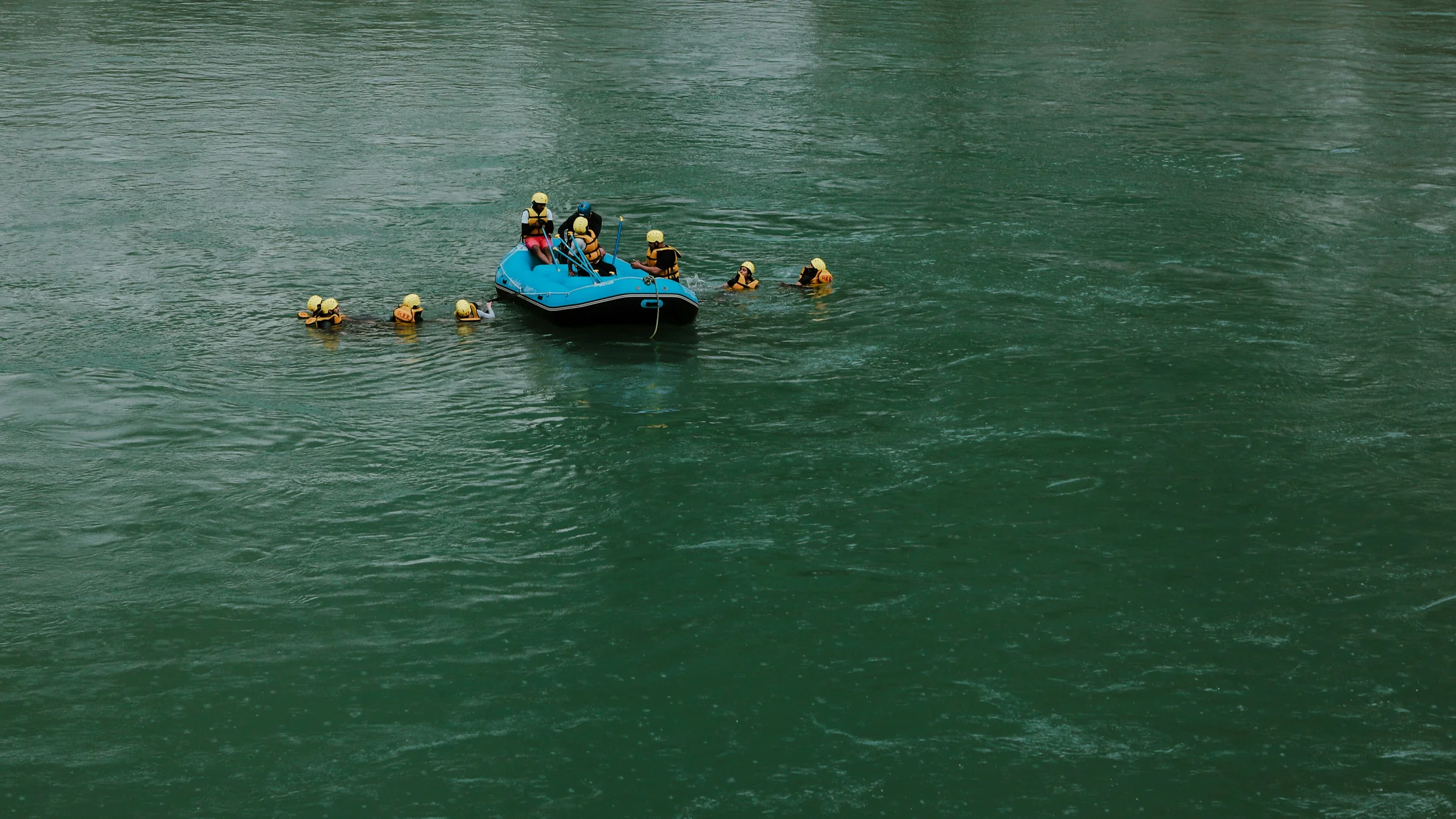
Why Rafting Makes a Standout Bachelor or Hen Party
Shared adrenaline cements friendships in a way few plans can. For many groups, bachelor party rafting Spain hits the sweet spot between a proper send‑off and real adventure, and it swaps city noise for river roar. Picture cool spray on your face as the raft punches a wave and laughter bounces off canyon walls. You’ll find that rafting works because it blends teamwork, simple logistics, and flexible difficulty, so mixed groups can join safely.
Active adventures are winning over group send-offs
Across Spain, active tourism has grown fast for send‑offs, with rafting high on the list because everyone participates, not only the sporty ones. Operators split rivers into graded “sections,” so you can match the stretch to your ability; picking the right section is the key safety decision for any despedida rafting. Guides brief you on paddling and signals, and certified outfits provide helmets, buoyancy aids, and wetsuits; the guide steers, you power the boat. Expect a half‑day on the water, shuttle transfers, hot showers, and a drink back at base—plus options like photos or video. For a true rafting despedida de soltero, choose a river with venues nearby for dinner and a relaxed after‑party.
What you’ll take away and how to use it
In this article you’ll get clear selection criteria (difficulty, access, season, group size, budget, extras), seven detailed river picks with locations, indicative prices, and complementary plans, a suggested interactive map, a quick comparison, practical tips, and FAQs. Use the comparison and map to shortlist by proximity and preferred intensity, then match your group’s size and budget. Skim the seven options, flag two that fit your timing and vibe, and check availability with verified operators—weekends in peak season fill early. The right stretch and season make the difference between gentle fun and full‑on thrills.
Picuco te puede ayudar
Does something here catch your eye?
Tell us.
Write to us on WhatsApp or email: we answer questions, find the best options and help you sort out the booking.
How to Plan Your Rafting Send-off: Dates, Safety, Budget
Pick a date window first, then choose the river to match likely flows and your group’s confidence. Think of spring snowmelt (May–June) in the Pyrenees for bigger waves, or late spring to early autumn for gentler rivers in central and Mediterranean Spain. Imagine warm sun on the put‑in beach, lifejackets clinking as guides tighten straps. Decide early whether you prefer a Saturday morning descent (more energy, free afternoon) or an afternoon slot (warmer, easier after a late Friday).
Reserve 4–8 weeks ahead for groups of 8–20; big weekends in June and September book out first. Ask about raft capacity—most boats take 6–8 paddlers plus a guide; larger parties split across several rafts and regroup at eddies. Keep your crew sizes divisible by 7–8 if possible, or plan for one smaller “VIP raft” for the bride or groom. Share names and shoe sizes with the operator a week in advance to speed up check‑in.
Build a per‑person budget so everyone buys in early:
- Activity: 35–70 € p.p. depending on river, section, and season (confirm with the operator or check Picuco for options)
- Transport: carpool fuel/tolls or minibus share (10–35 € p.p. depending on distance)
- Accommodation: rural houses/hostels/hotels (25–60 € p.p./night)
- Food and extras: group dinner, drinks, photos/video (15–40 € p.p.)
For safety, ask about:
- Certified guides (national whitewater qualifications or IRF) and guide‑to‑guest ratios (common ratios are 1–8)
- Included gear: buoyancy aid, helmet, wetsuit, neoprene socks/boots, paddles; some include windbreakers in colder months
- Insurance: civil liability and accident coverage, plus medical support protocols
- Water level policies: if flows are too high or low, they may switch section, reschedule, or refund according to terms
Pack right:
- Swimsuit, towel, and dry change of clothes; in cooler months, a thermal base layer under the wetsuit
- Secure eyewear strap; no rings or loose jewelry
- Closed‑toe shoes if not provided; avoid flip‑flops for river time
Prepare lightly: a bit of cardio and core stability helps; at minimum, avoid heavy drinking the night before and eat a normal breakfast. Communicate clearly with the company: share group size and range of abilities, any non‑swimmers, and whether costumes are planned (some allow fun accessories; most prohibit loose items on the raft). Finally, use a simple pre‑departure checklist:
- Confirm date, time, meeting point, and parking.
- Share a packing list and sobriety policy with the group.
- Arrange drivers or a shuttle; designate a sober contact.
- Reconfirm weather/flow outlook 48–24 hours ahead.
- Bring signed waivers and IDs if required.
7 Rivers to Experience as a Group
The following seven options mix classic Pyrenean whitewater with scenic central and Atlantic rivers, balancing intensity, access, and weekend possibilities. Feel the river’s pulse under the raft floor as guides call “Forward!” in unison.
1.Noguera Pallaresa (sort/rialp): The Pyrenean classic for full-throttle send-offs
The Noguera Pallaresa rafting scene around Sort and Rialp is Spain’s benchmark: spring snowmelt pumps class III–IV waves, with steady, splashy lines through names like “La Vívora.” In this classic section between Llavorsí and Sort, guides sequence rapids so mixed groups feel both safe and electrified. Hear the valley echo as your raft slices a bright tongue of current.
- Location: Pallars Sobirà, Lleida (Sort/Rialp basecamps)
- Recommended section: Llavorsí–Sort (full section) or Llavorsí–Rialp (shorter)
- Difficulty: Moderate to high (III–IV in peak flows; II–III in late summer)
- Indicative price: 45–70 € p.p. (confirm with operator or via Picuco)
- Best season: May–July for big water; August–September for friendlier levels
- Ideal for: Stag/hen groups craving adrenaline; sporty mixed crews
- Access: ~3–3.5 h from Barcelona by car; regional train to La Pobla + transfer possible
- Stay and play: Hostels and rural hotels in Sort/Rialp; canyoning and bridge jumping available; lively bars in Sort for the after‑party
Operators here run daily in season, with strong safety culture and swiftwater rescue‑trained guides. For a despedida rafting tone it right: book the moderate “classic” run in early summer for punchy fun, or opt for late‑summer levels if you have first‑timers. If splitting a large group, request synchronized launch times so you share eddies and photos, and consider a Sunday morning easy float for recovery.
2.Río Cabriel (valencia/cuenca): Water and wild canyons within easy reach of Levante
The Cabriel tumbles through the Hoces del Cabriel Natural Park, wearing pale limestone into blue pools and beginner‑friendly waves; from Valencia or Madrid, it’s one of the best ríos para rafting en España for accessibility and scenery. The river serves up class II–III fun, perfect for rafting para grupos with mixed confidence levels. The canyon smells of thyme and pine as the breeze dries your wetsuit at the take‑out.
- Location: Border of Valencia/Cuenca provinces (Venta del Moro, Villargordo del Cabriel)
- Recommended sections: Tamayo–Villargordo or “Hoya de los Cálices” stretches (operator‑dependent)
- Difficulty: Easy to moderate (II–III), good for first‑timers
- Indicative price: 35–55 € p.p. (confirm locally or via Picuco)
- Best season: April–October, with spring flows offering a livelier push
- Ideal for: Large groups, mixed fitness, nature‑focused weekends
- Access: ~1.5 h from Valencia; ~2–2.5 h from Madrid (a practical “rafting near Madrid” choice)
- Stay and play: Rural houses and campings near Venta del Moro; wine tastings in Utiel‑Requena; gravel cycling on quiet vineyard lanes
Why it works for send‑offs: easy logistics, scenic stops for group pics, and small towns with local fiestas and simple taverns. Book dinner in Requena to combine robust reds and embutidos with a laid‑back night. For balance, plan a Saturday afternoon descent and a Sunday morning e‑bike spin through vineyards, returning to Valencia for late lunch by the sea.
3.Río Miño (galicia): Green charm and fewer crowds for relaxed celebrations
The Miño’s Galician stretches combine leafy banks, granite boulders, and calmer pools, offering class II–III sections that are welcoming without feeling tame. It’s ideal for rafting para grupos that want conversation between rapids and time to notice kingfishers. Mist lifts off the river at dawn like steam from a kettle.
- Location: Southern Galicia (Arbo, Salvaterra do Miño, or near Ourense depending on flows)
- Recommended sections: Seasonal II–III runs near Arbo/Frieira (operator‑set for water levels)
- Difficulty: Easy to moderate (II–III), flow‑dependent
- Indicative price: 35–50 € p.p.
- Best season: Late spring to early autumn; avoid heavy winter spates when levels spike
- Ideal for: Groups seeking nature, good food, and fewer crowds; multi‑age parties
- Access: ~45–60 min from Vigo; ~1–1.5 h from Santiago de Compostela
- Stay and play: Casas rurales amid vineyards; seafood feasts and Albariño tastings; add a coastal walk in the Rías Baixas
Logistics favor a weekend that blends water time and gastronomy: arrive Friday to a country house, raft Saturday late morning, then a long lunch of pulpo á feira and empanada. On Sunday, wander the coast near A Guarda or Baiona before heading back. Since Miño flows vary, let the operator pick the section to match your crew and the day’s level; their safety call ensures fun without surprises.
4.Alto Ebro (cantabria): A northern option with easy access and mixed‑level fun
The Alto Ebro’s upper valleys offer friendly rapids through open meadows and poplar groves, with class II–III waves that keep paddles busy without intimidating newcomers. It’s a practical choice if your group is split between Bilbao and Santander. Swallows stitch the sky as your raft bounces a riffle and slides into a sunny pool.
- Location: Cantabria (upper Ebro valley; bases vary around Reinosa/Valderredible)
- Recommended sections: Operator‑selected II–III stretches in the upper valley
- Difficulty: Easy to moderate (II–III), suitable for first‑timers and mixed fitness
- Indicative price: 35–55 € p.p.
- Best season: Spring to early summer, with dam‑release or rain‑fed flows; some late‑summer runs on mellow water
- Ideal for: Mixed groups, northern meet‑ups, add‑on to a Cantabrian surf trip
- Access: ~1–1.5 h from Santander; ~1.5–2 h from Bilbao
- Stay and play: Rural inns in Valderredible; hiking in Saja‑Besaya or Alto Ebro canyons; surf Somo/Loredo beaches within ~1–1.5 h
For big parties, ask about staggered start windows and a mid‑section regroup spot for photos. Given variable flows, reputable companies check the Confederación Hidrográfica del Ebro data and adjust accordingly; if levels drop midsummer, they may switch to a scenic float with splash games. Combine a Saturday descent with a seafood dinner on the coast and gentle Sunday surf for a well‑rounded north‑country send‑off.
5.Río Tormes (ávila/salamanca): Adventure and heritage in one easy weekend
Fed by Sierra de Gredos snowmelt, the Tormes can offer playful class II–III stretches in spring, with scenic meanders later in the season as flows mellow. It shines when you want to pair river time with monuments and cuisine in Ávila or Salamanca. Bells drift over stone bridges as you peel off a wetsuit in afternoon sun.
- Location: Ávila/Salamanca provinces (sections near El Barco de Ávila or operator‑selected)
- Recommended sections: Seasonal II–III spring runs; summer scenic floats as levels drop
- Difficulty: Easy to moderate (II–III in spring), beginner‑friendly later
- Indicative price: 35–50 € p.p.
- Best season: March–June for reliable flows; check current levels with your operator
- Ideal for: Groups mixing culture and activity; “rafting near Madrid” with a heritage twist
- Access: ~2–2.5 h from Madrid; ~1–1.5 h from Ávila; ~1.5 h from Salamanca
- Stay and play: Rural stays near Gredos; steak and torreznos in Ávila, tapas in Salamanca, stargazing in dark‑sky villages
Plan a two‑city arc: Friday night in Ávila’s walled old town, Saturday morning raft on the Tormes, then continue to Salamanca for golden‑stone squares and a celebratory dinner. Coordinate with the rafting company on transport between put‑ins/take‑outs and lodging; many provide shuttles and can suggest dinner venues that welcome large groups. Because flows change quickly, they will propose the safest stretch on the day.
6.Río Gállego (huesca): Technical rapids and a full Pyrenean experience
Below the Mallos de Riglos, the Gállego knits a series of class III–IV drops with eddies under ochre cliffs, making it a magnet for confident groups. If you crave extra spice, higher spring flows deliver precision moves and big grins; by late summer, levels settle into friendly III. Wind brushes the rock towers as your raft carves a tongue and threads a chute.
- Location: Huesca province (bases near Murillo de Gállego)
- Recommended sections: Classic Murillo runs (III–IV in spring; II–III late summer)
- Difficulty: Moderate to high in spring, moderate later; operators can split by ability
- Indicative price: 45–65 € p.p.
- Best season: April–June for technical, juicier lines; July–September for smoother rides
- Ideal for: Stag/hen groups seeking adrenaline and scenery; teams with some paddling confidence
- Access: ~45–60 min from Huesca; ~1 h 15 min from Zaragoza; ~3–3.5 h from Barcelona
- Stay and play: Hostels and bungalows in Murillo; via ferrata, climbing, and hiking beneath the Mallos; roast lamb and Somontano wines
Tell the outfitter your group’s spread of comfort levels and ask about running two difficulty tiers at overlapping times; many set family‑friendly II–III and sportier III–IV trips in parallel. The International Scale of River Difficulty (I–V) guides these ratings—II is straightforward with small waves; III is more dynamic; IV is powerful and technical. If you want a signature photo, time your descent for golden light on the cliffs.
7.Río Mijares (castellón): A Mediterranean option close to the coast
Near Montanejos, the Mijares offers emerald pools, limestone walls, and class II–III rapids that pair perfectly with a beach weekend. Thermal springs, mellow canyon sections, and easy logistics make it a crowd‑pleaser. The scent of rosemary mingles with warm rock as you drift between splashy bends.
- Location: Castellón province (Montanejos area)
- Recommended sections: Operator‑selected II–III canyon runs around Montanejos
- Difficulty: Easy to moderate (II–III), suitable for first‑timers
- Indicative price: 40–55 € p.p.
- Best season: April–October; spring brings livelier flows, summer is warm and social
- Ideal for: Groups wanting water fun plus Mediterranean nights
- Access: ~1 h from Castellón de la Plana; ~1 h 15 min from Valencia; ~3.5–4 h from Madrid (not the closest if you’re hunting “rafting near Madrid,” but great for seaside plans)
- Stay and play: Hotels and rural houses in Montanejos; beach time in Oropesa/Benicàssim; thermal pool dips and cliff‑top viewpoints
For a smooth weekend, book a Saturday morning descent, late lunch in Montanejos, and drive to the coast for a beach sunset and music. On Sunday, recover with a spring soak and easy hike. To avoid crowding, confirm start times in advance and request back‑to‑back rafts so your whole party can high‑five at regroup eddies, even if split across boats.
Map of Locations: See Distances and Seasons at a Glance
An interactive map makes planning faster by turning names into distances, travel times, and season windows. With a quick glance you can see which rivers sit within 2–3 hours of your city, what sections operators run, and when levels typically peak. Imagine zooming out to a patchwork of blue threads—Pyrenees to Cantabria to the Mediterranean—and then dropping pins for your weekend. It’s especially helpful when aligning mixed hometowns: perhaps half the group in Valencia, others in Madrid or Barcelona.
Useful layers to include:
- Difficulty by section (color‑coded: II, III, IV)
- Typical season window (month bands, with notes like “big water May–June”)
- Travel time from Madrid, Barcelona, Valencia, Bilbao, and Seville
- Accommodation clusters (rural stays, hostels, hotels)
- Operator meeting points and put‑ins/take‑outs (approximate, as companies vary)
- Extras nearby (canyoning spots, via ferratas, surf beaches, vineyards)
Filter by proximity (e.g., under 2 hours), by intensity (II–III for mixed groups; III–IV for adrenaline), or by month (e.g., June weekend). Once you shortlist two rivers, click through to Picuco’s activity pages to verify current availability and gear included. If you’re balancing heritage and water time, use the layer for “cities within 60–90 minutes” to pair Tormes with Ávila or Salamanca, or Cabriel with Requena’s wineries. A map transforms the question “Where should we go?” into a clear, shared plan in minutes.
Quick Comparison: Difficulty, Access, and Where to Stay
Use this matrix to match river vibe, logistics, and night plans at a glance. The difficulty scale follows the International Scale of River Difficulty (I–V).
| River (Base) | Difficulty (typical) | Access (approx. from major cities) | Lodging & nightlife |
|---|---|---|---|
| Noguera Pallaresa (Sort/Rialp) | III–IV spring; II–III late summer | Barcelona 3–3.5 h; Lleida 2 h | Hostels/hotels in Sort; bars and rafting vibe |
| Cabriel (Venta del Moro/Villargordo) | II–III | Valencia 1.5 h; Madrid 2–2.5 h | Rural houses; Utiel‑Requena wineries; village fiestas |
| Miño (Arbo/Ourense area) | II–III | Vigo 45–60 min; Santiago 1–1.5 h | Casas rurales in vineyards; seafood feasts; quiet nights |
| Alto Ebro (Cantabria) | II–III | Santander 1–1.5 h; Bilbao 1.5–2 h | Rural inns; combine with coast for nightlife |
| Tormes (Gredos/Ávila‑Salamanca) | II–III spring; I–II summer floats | Madrid 2–2.5 h; Ávila 1–1.5 h | Rural lodges; heritage dinners in Ávila/Salamanca |
| Gállego (Murillo de Gállego) | III–IV spring; II–III summer | Zaragoza 1 h 15 min; Huesca 45–60 min | Hostels/bungalows; mountain bars; adventure hub |
| Mijares (Montanejos) | II–III | Valencia 1 h 15 min; Castellón 1 h | Hotels/rural houses; coast nightlife 1 h away |
Quick picks by group profile:
- First‑timers, big smiles, easy access: Cabriel, Alto Ebro, Mijares
- Mixed abilities, scenic weekend, foodie focus: Miño, Tormes
- Adrenaline seekers, confident swimmers: Noguera Pallaresa (spring), Gállego (spring)
- Best paired with beach time: Mijares (coast), Alto Ebro (Cantabrian coast)
- Best paired with heritage cities: Tormes (Ávila/Salamanca), Noguera Pallaresa (Sort museums, Pyrenean villages)
Tips to decide fast:
- Fix the month first; cross out rivers where that window underdelivers.
- Set a travel‑time cap (e.g., ≤2.5 h); shortlist within that radius.
- Match difficulty to the least confident paddler; it’s more fun when everyone’s in.
- Choose a base with dinner options that welcome large groups.
Choosing the Right Outfitter for a Send-off
A good operator turns a fun river into a seamless day: look for certified guides, clear safety briefings, solid gear, and flexible logistics. Wetsuits should be clean, helmets fit properly, and guides should show calm authority in moving water. The river’s cool breath on the put‑in eddy should feel exciting, not uncertain.
What to check and ask:
- Certification and experience: national guiding qualifications in whitewater or IRF certifications; first aid and swiftwater rescue training
- Ratios and boats: typical 1–8 guide‑to‑guest ratio; safety kayaker added on higher sections or levels
- Insurance: civil liability and accident coverage included; ask for policy confirmation
- Gear included: buoyancy aid, helmet, wetsuit, neoprene boots/socks; windbreaker for colder months; optional gloves in shoulder seasons
- Transfers: shuttle to/from river sections; parking at base
- Weather/water policy: how they manage high/low flows, storms, and last‑minute changes; options to move to a calmer section or reschedule
- Extras for send‑offs: photo/video packages, group discounts (often from 8–10 people), flexible payment (deposit + balance), cake or toast back at base
- House rules: costumes allowed? no loose items, no glass; sobriety required pre‑trip
Negotiating as a group:
- Ask for a group rate and one free spot for every 10–12 paying participants.
- Bundle extras (photos + BBQ + second activity) for better value.
- Request coordinated start times for multiple rafts to keep the party together.
- If you need transport, seek a package that includes a minibus pickup from lodging.
Adapting to your crew:
- Non‑swimmers can join easier sections (II–III) with extra reassurance in the briefing.
- Split by ability if needed; meet at mid‑river regroup points and the take‑out.
- Warm‑up with a short “intro run” for the least confident, then step up if smiles are wide.
Frequently Asked Questions
What is the minimum age to join a rafting trip?
Typically 12–14 years old for class II–III sections, but it varies by river, season, and operator. For stag/hen groups with minors, confirm the specific section and guardian requirements.
How fit do we need to be?
You should be able to paddle steadily and swim comfortably with a buoyancy aid. Normal fitness is enough for II–III; for III–IV spring runs, confident swimmers with decent cardio enjoy it more.
How much does it cost per person and what’s included?
Most half‑day trips cost 35–70 € p.p. including guide, gear (wetsuit, buoyancy aid, helmet, neoprene boots), shuttle, and insurance. Photos, BBQs, or second activities are usually extras.
What is the cancellation and bad‑weather policy?
Policies vary. Commonly, if flows are unsafe or storms threaten, operators switch to a safer section, reschedule, or refund per terms. Read the contract and ask for the “high/low water” clause.
What equipment is mandatory?
Helmet, buoyancy aid, and a suitable wetsuit are standard. Operators supply these; you bring a swimsuit, towel, and dry clothes. In colder months, add a thermal layer under the wetsuit.
What if someone can’t swim?
Non‑swimmers can join calmer sections with strict adherence to guide instructions. Tell the operator in advance so they can choose the right stretch and seating position.
What should we wear and bring?
Wear a swimsuit under the wetsuit, bring a towel, dry clothes, and secure eyewear straps. Leave jewelry and valuables behind. In sun, apply reef‑safe sunscreen before suiting up.
How big can our group be?
Very large. Operators commonly run multiple rafts; optimum raft size is 6–8 paddlers plus guide. For 20+ people, request staggered launches and a group photo stop mid‑river.
Book your experience — discover verified active adventures across Spain with Picuco‑approved providers.
Conclusion
Rafting works for send‑offs because it blends teamwork, clear safety frameworks, and a sense of wild joy you can’t fake. Across these seven rivers—from Pyrenean classics like Noguera Pallaresa and Gállego to accessible gems like Cabriel, Miño, Tormes, Alto Ebro, and Mijares—you can dial the day to your crew’s comfort and the season. Think of paddles rising in a shared cheer as the raft slides into calm water after your final rapid.
Choose your month and travel radius, match difficulty to the least experienced paddler, and anchor the weekend with a base that welcomes big tables for dinner. Use the comparison to shortlist two rivers, check dates with verified operators, and confirm gear, insurance, and photo options. If you’re balancing adrenaline with culture or coast, pair Tormes with Ávila/Salamanca, or Mijares with a Mediterranean night. When you’re ready, compare current options and availability on Picuco, coordinate your group chat, and lock the date. Then all that’s left is the countdown to the first splash and a send‑off everyone will talk about for years.