Jewish Quarter and Synagogue of Córdoba
Highlights
- • Synagogue of 1314-1315 with a prayer hall of about 40 m²
- • Free admission, Tuesday to Sunday 9:00 to 15:00
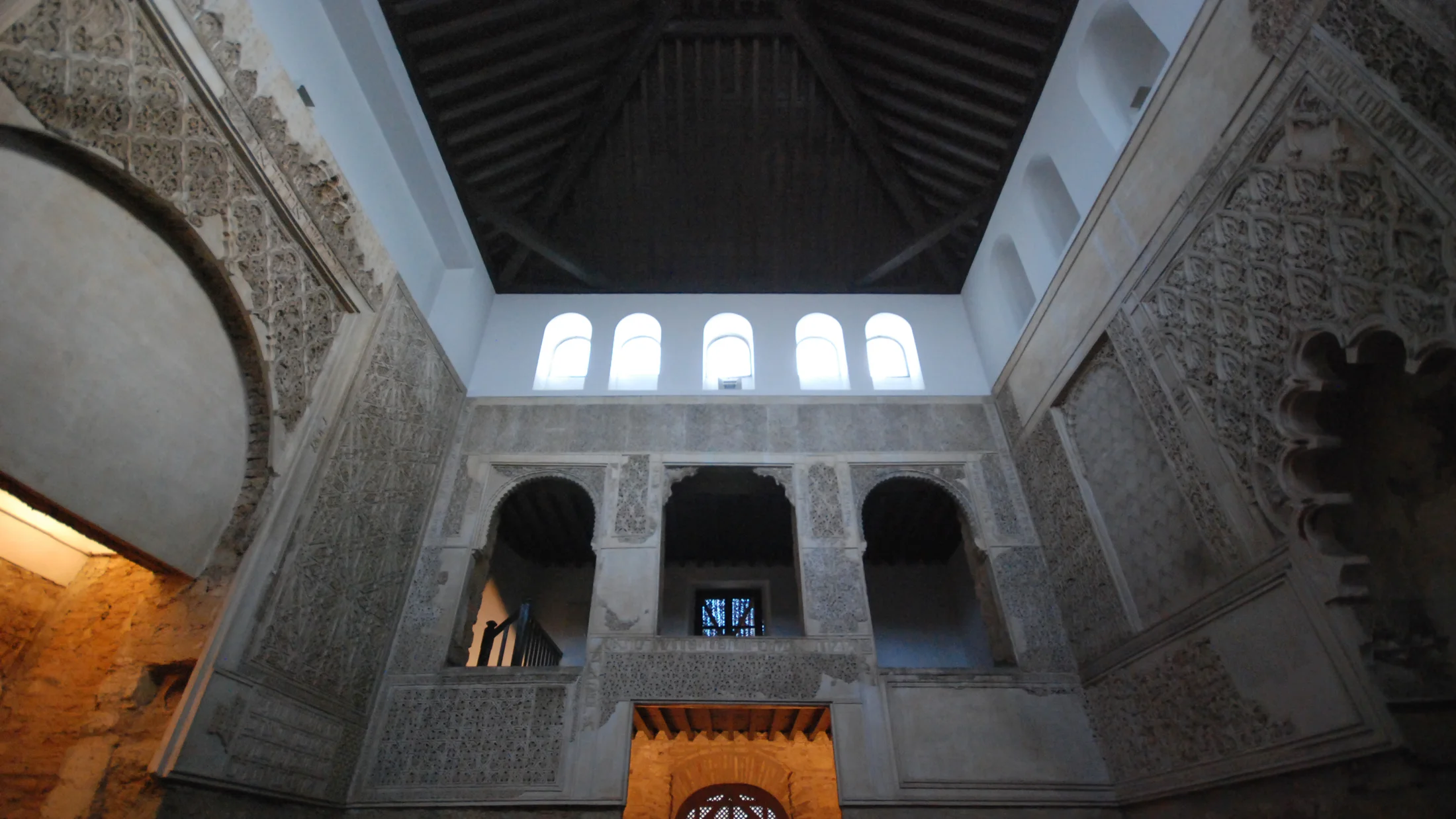
- • Stucco with geometric patterns, plant motifs and Hebrew psalms
- • A few steps from the Mosque-Cathedral
- • 2 h 30 guided tour of the Mosque and Jewish Quarter
Description
Key Information
Visit Duration
30 minutes for the Synagogue; 2 h 30 with a guided tour
Pricing
Free
Kid-Friendly No Booking Required
Guide
Essential information for visiting Jewish Quarter and Synagogue of Córdoba
Location
How to get there
Practical Information
- Pricing
- Free
- Opening Hours
- Synagogue: Tuesday to Sunday 9:00 to 15:00, including public holidays when it opens. Closed Mondays, except public holidays or the eve of a public holiday.
- Visit Duration
- 30 minutes for the Synagogue; 2 h 30 with a guided tour
- Website
- juntadeandalucia.es
Features & Services
- Kid-Friendly: Yes
- Booking: No Booking Required
Planning Information
Best Time to Visit
In the morning, before the Synagogue closes at 15:00.
Visitor Tips
The Synagogue closes at 15:00 and on Mondays, so go in the morning. Groups of more than 6 people must book in advance through the ARES portal.
Historical Facts
The Synagogue was built between 1314 and 1315, served as a temple until the expulsion of 1492, was later a hospital, the chapel of San Crispín and an infant school, and was declared a National Monument at the end of the 19th century.
Frequently Asked Questions
Get answers about Jewish Quarter and Synagogue of Córdoba
Is there an admission charge for the Synagogue of Córdoba?
No, admission is free according to the Junta de Andalucía. Groups of more than 6 people need to book in advance (checked on 19 November 2026).
What are the opening hours of the Synagogue of Córdoba?
Tuesday to Sunday 9:00 to 15:00, including public holidays when it opens. It closes on Mondays, except public holidays or the eve of a public holiday.
How long does it take to see the Jewish Quarter?
With the Synagogue and a walk, between 1 and 2 hours. The guided tour combining the Mosque and the Jewish Quarter lasts about 2 h 30.
Where is the Synagogue?
On Calle Judíos, in the Jewish Quarter, a few minutes' walk from the Mosque-Cathedral.
What makes the Synagogue of Córdoba special?
It is the only Jewish religious building that survives in Córdoba: a prayer hall of about 40 m², from 1314-1315, covered in stucco with geometric patterns, plant motifs and Hebrew psalms.