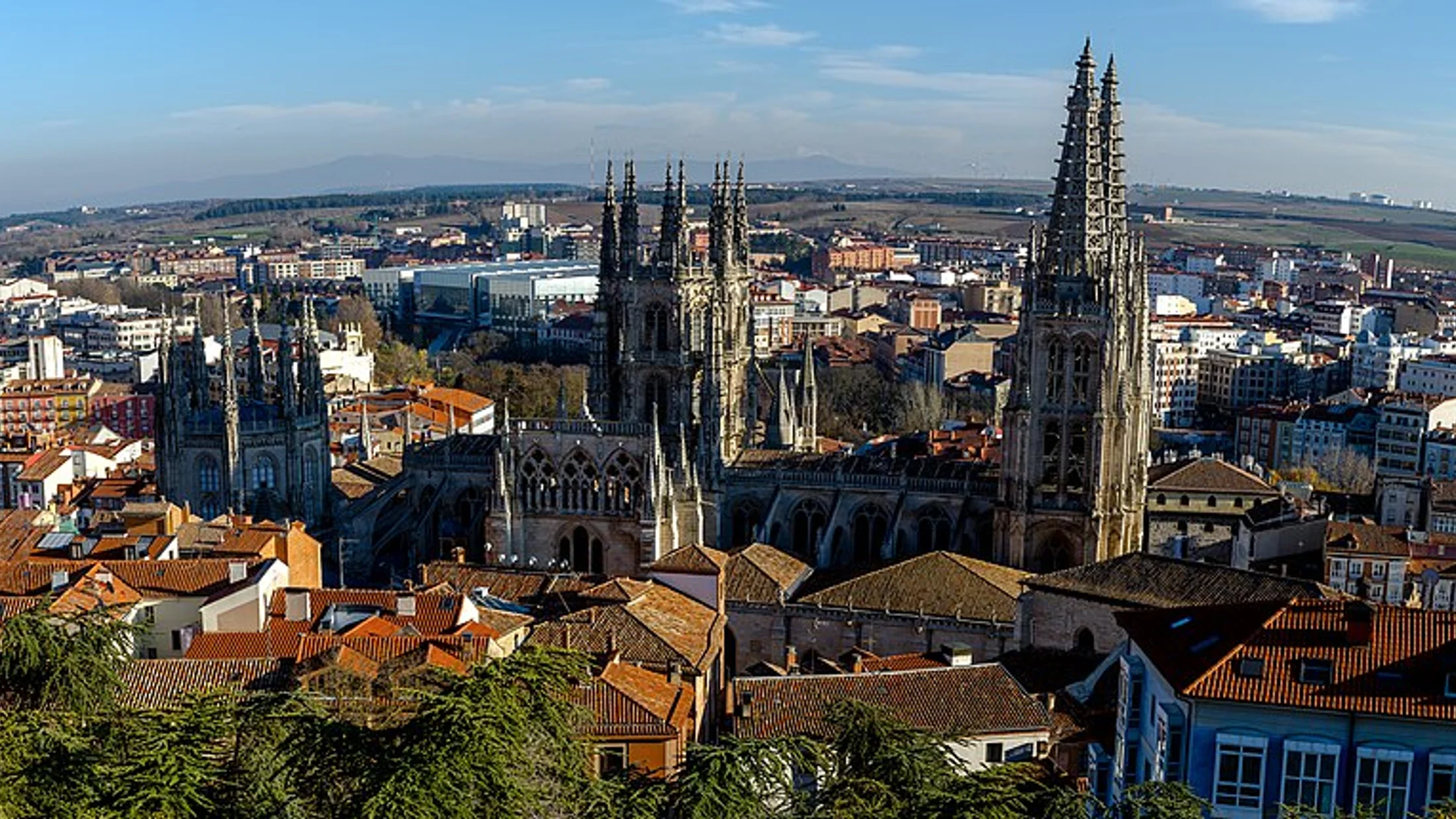
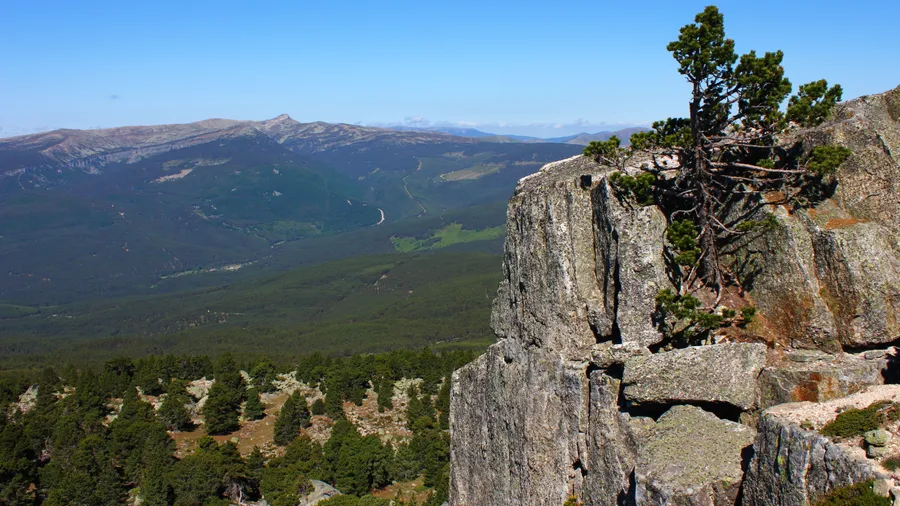
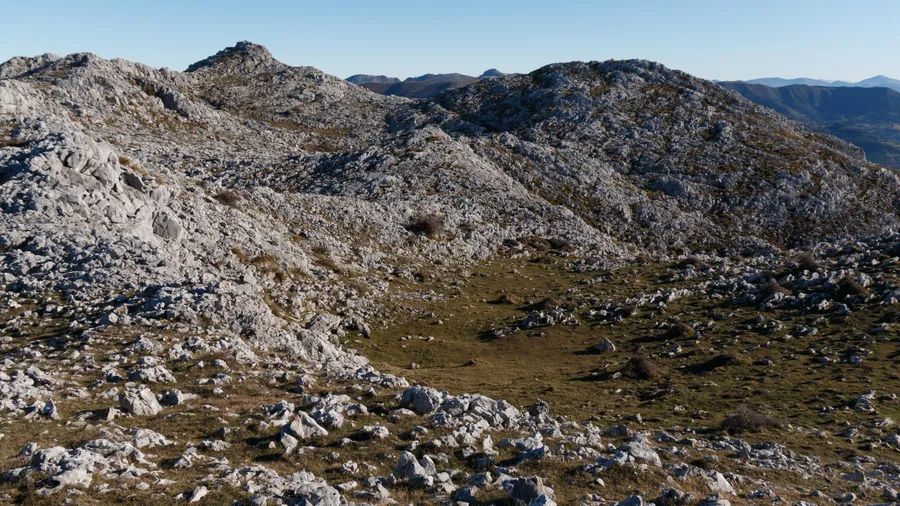
Burgos sits on the northern meseta and is one of the key staging points on the French Way of St James, which has generated a well-signed long-distance trail network with established services. The city also serves as the gateway to Sierra de la Demanda, about 70 km to the southeast, where the pine forests of the upper Arlanzón and the beech woodland of the Tirón and Najerilla valleys offer hiking between 1,000 and 2,000 m, with mountain huts and shelters. Mountain biking through the pinewoods and...
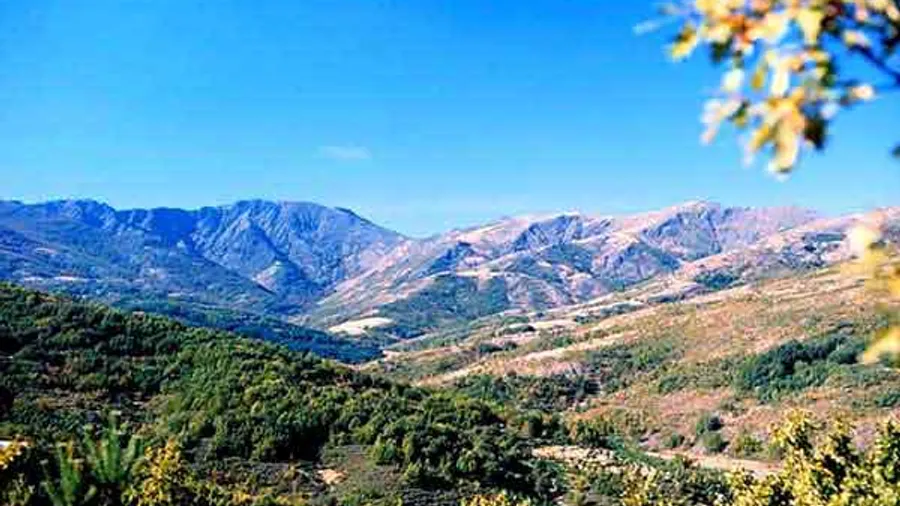
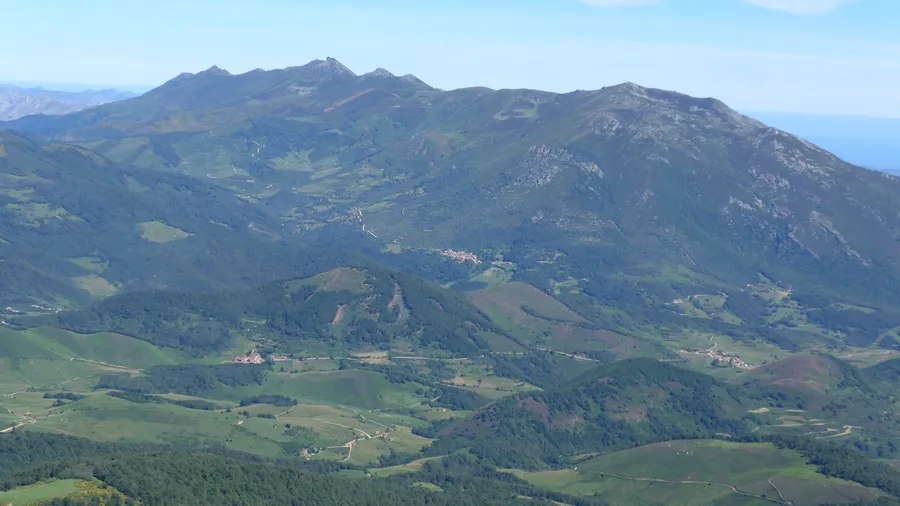
Burgos sits on the northern meseta and is one of the key staging points on the French Way of St James, which has generated a well-signed long-distance trail network with established services. The city also serves as the gateway to Sierra de la Demanda, about 70 km to the southeast, where the pine forests of the upper Arlanzón and the beech woodland of the Tirón and Najerilla valleys offer hiking between 1,000 and 2,000 m, with mountain huts and shelters. Mountain biking through the pinewoods and forest tracks around Arlanzón is one of the most popular cycling options near the capital.
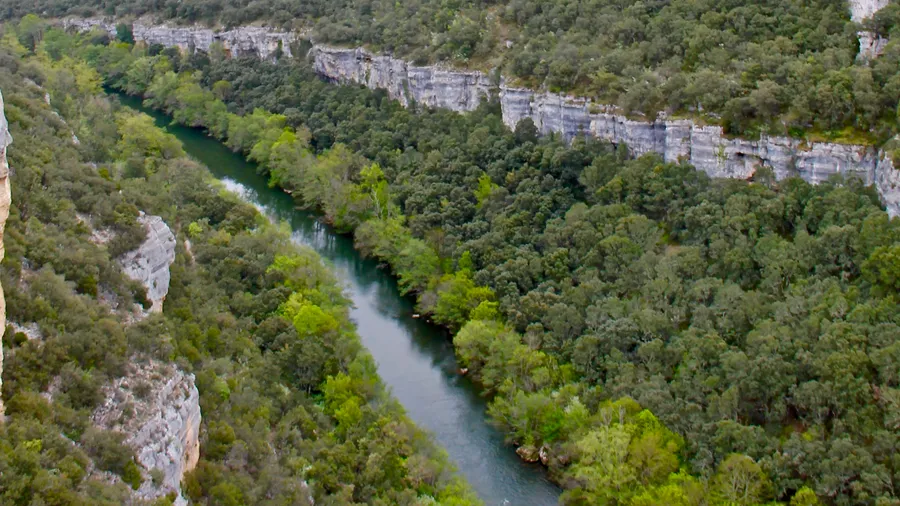
To the north of the province, the Ojo Guareña karst system is one of the most extensive cave complexes in Spain, with guided visits to spectacular cavities. The Ebro river, which rises in the province, provides kayaking and canoeing stretches at several points downstream from Reinosa. Horse-riding routes along historic droveways and cattle paths across the Castilian meseta allow you to explore an open cereal landscape with views towards the prehistoric sites of Atapuerca.
Highlights
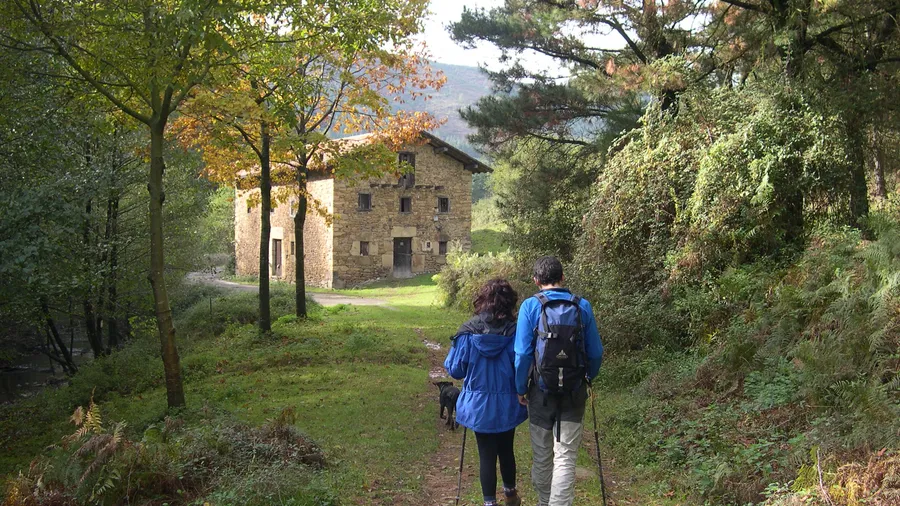
• Hiking the French Way of St James, with well-signed historic stages through the city
• Caving at Ojo Guareña, one of Spain's most extensive karst systems
• Mountain biking through pinewoods and forest tracks around Arlanzón and Sierra de la Demanda
• Horse riding along royal drove roads with views towards the Atapuerca prehistoric sites
Best time to visit
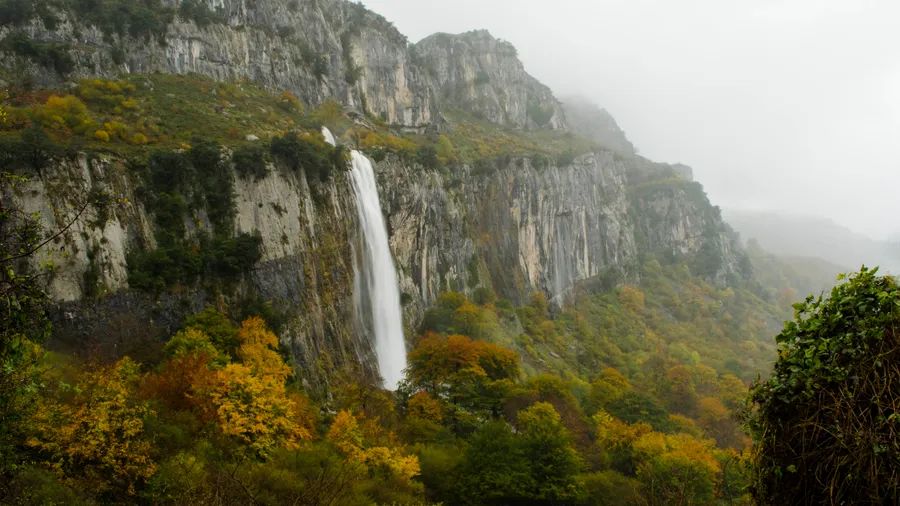
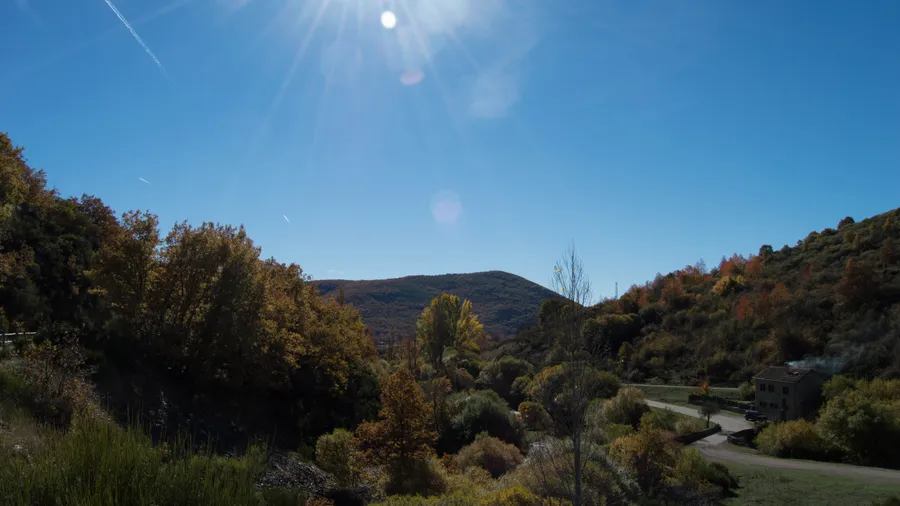
Autumn is the best combination: the Way of St James with fewer pilgrims, the Demanda beech forests in full colour and cool temperatures for hiking.
Practical tips
Burgos has cold, windy winters; if you walk the Camino de Santiago in October or November, bring enough warm clothing for the exposed meseta stages.
How many Way of St James stages pass through Burgos?
The French Way enters Burgos on the stage from Belorado and exits towards Hornillos del Camino. The city falls on stage 12 of the full route from Saint-Jean-Pied-de-Port. The Northern Way and the Vía de la Plata offer alternative routes for those looking for different paths.
Do you need experience to visit the Ojo Guareña caves?
Guided visits to the accessible sections of Ojo Guareña require no prior experience. The more technical caving routes are for groups with equipment and experience. The outer area with chapels and information panels is open to everyone.
When is the best time to hike in Sierra de la Demanda?
Summer and autumn are the best seasons: in summer the weather is stable and the beech forests are in full leaf; in autumn the woodland colours are a draw in themselves. In winter snow above 1,500 m can make some access roads difficult.