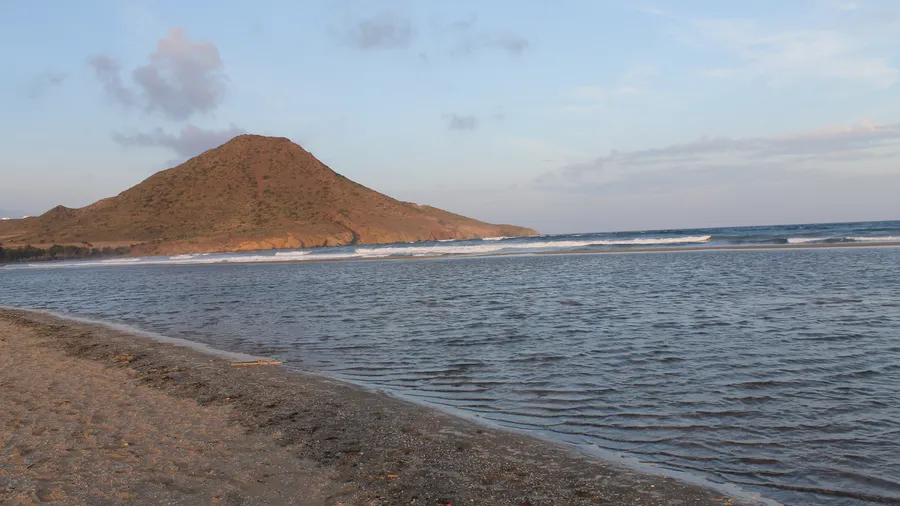
Almería has the driest climate in continental Europe, with less than 200 mm of annual rainfall on the coastal strip. This translates to more than 320 sunny days a year and diving conditions where visibility can reach 30 metres during calm months. Cabo de Gata-Níjar Natural Park concentrates 12 recognised dive sites between Cabo de Gata and Carboneras: sandy seabeds, volcanic rock and posidonia with groupers, octopuses and occasional loggerhead turtles. The park is a protected area with no motorb...
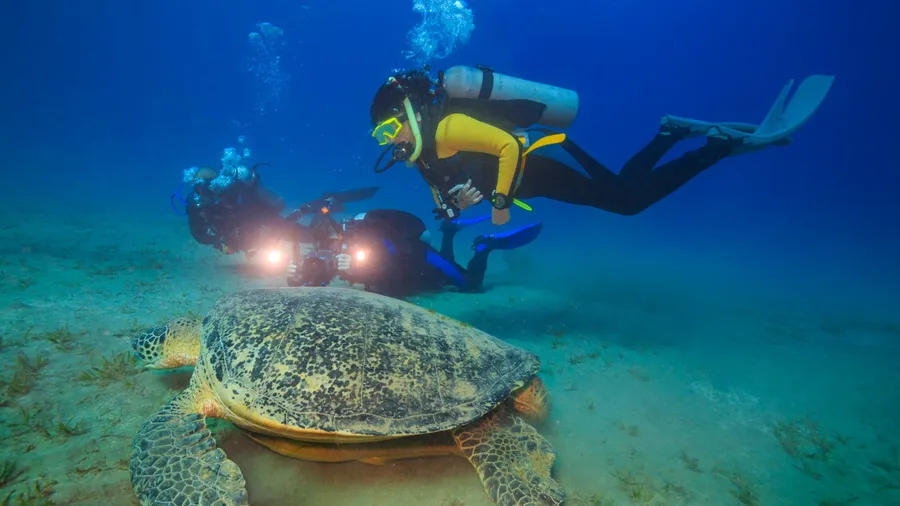
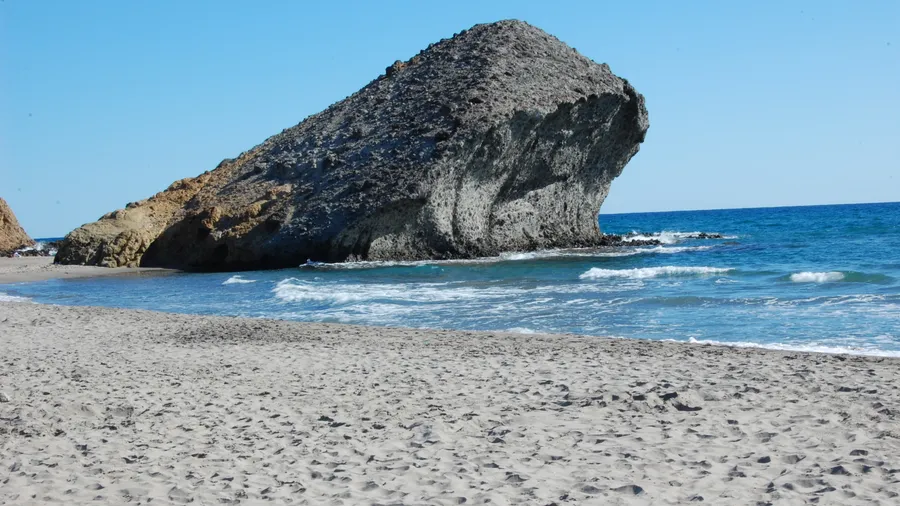
Almería has the driest climate in continental Europe, with less than 200 mm of annual rainfall on the coastal strip. This translates to more than 320 sunny days a year and diving conditions where visibility can reach 30 metres during calm months. Cabo de Gata-Níjar Natural Park concentrates 12 recognised dive sites between Cabo de Gata and Carboneras: sandy seabeds, volcanic rock and posidonia with groupers, octopuses and occasional loggerhead turtles. The park is a protected area with no motorboats in the swimming zone, which preserves the underwater fauna.
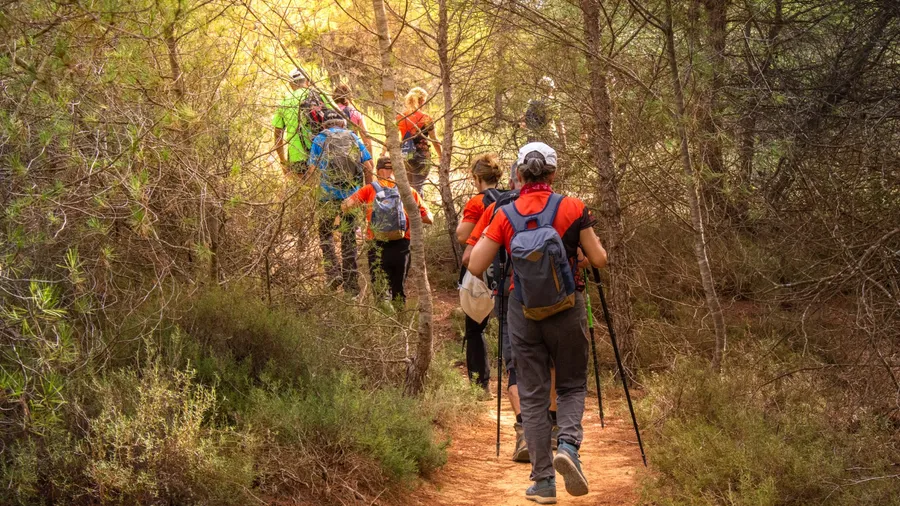
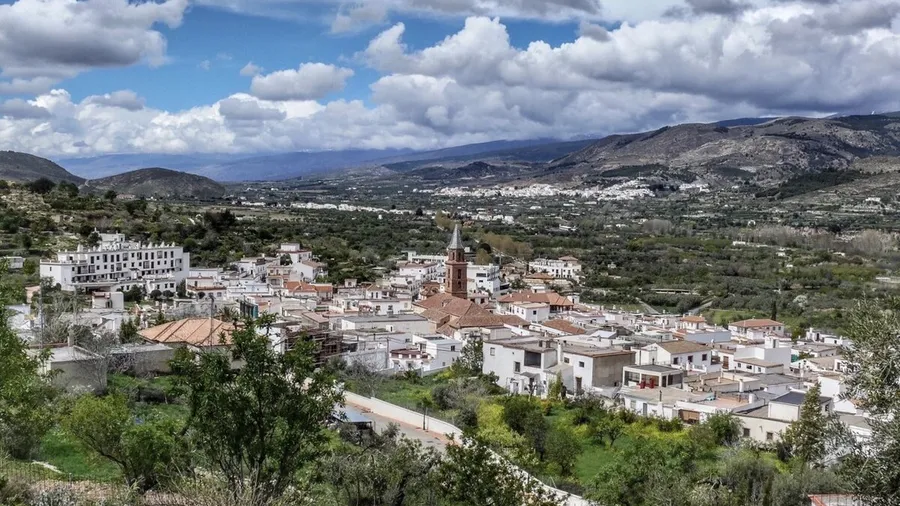
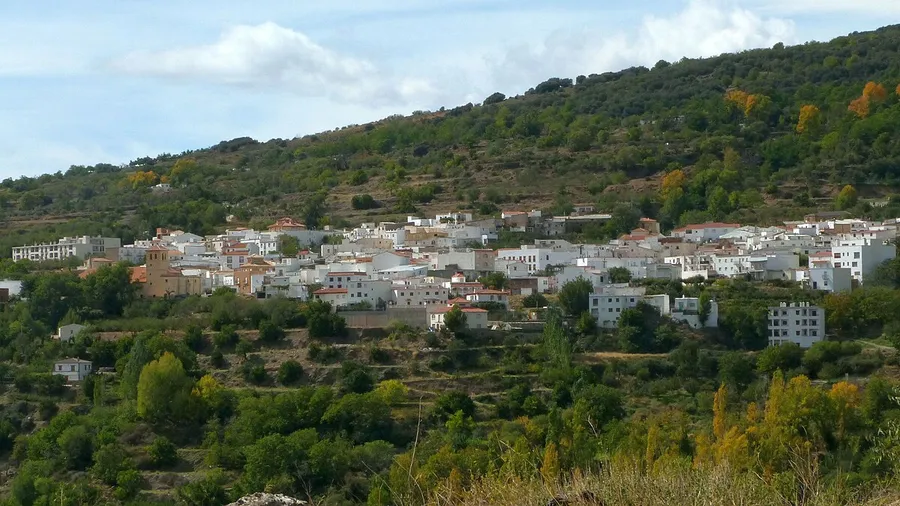
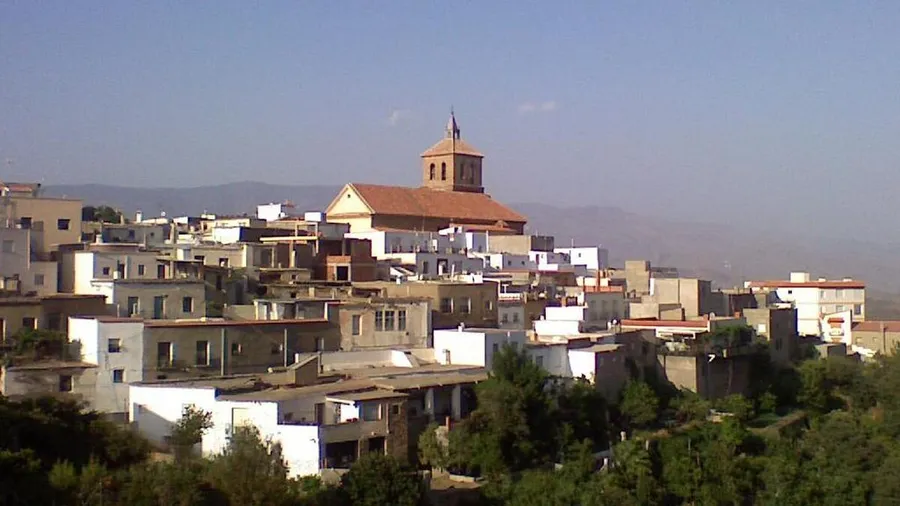
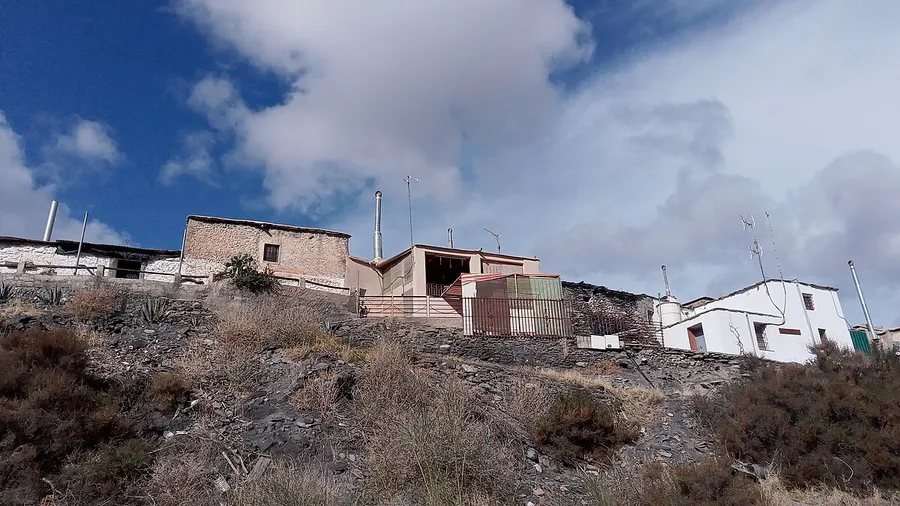
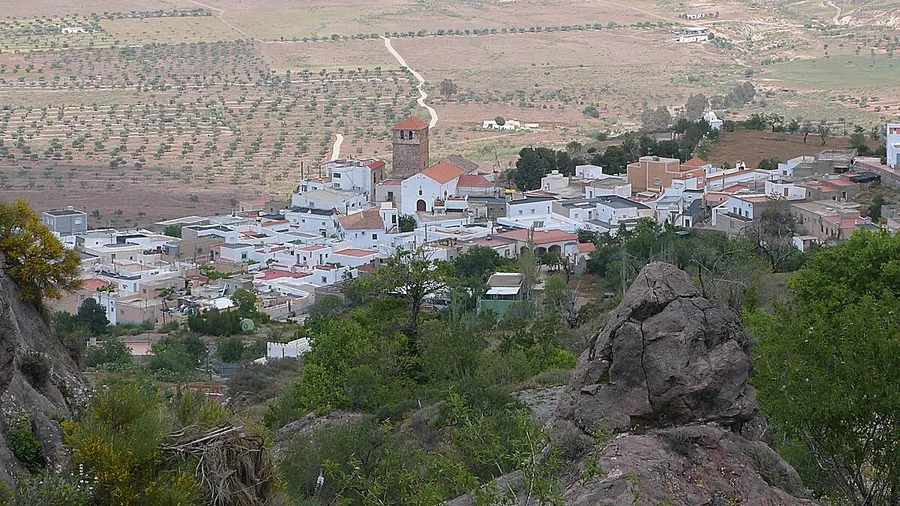
The Almería Alpujarras, on the southern slopes of Sierra Nevada, have a trail network that forms part of the GR7 (European E4 route). The white villages walk — from Berchules to Laujar de Andarax, about 60 km — climbs and descends through chestnut and almond groves with accumulated elevation gains of 1,000 to 1,500 m per stage. The approaches from the Almería side are less well-known than those from Granada, which means less crowded trails. For kitesurfing, Roquetas de Mar and Mojacar have reliable levante wind conditions in summer.
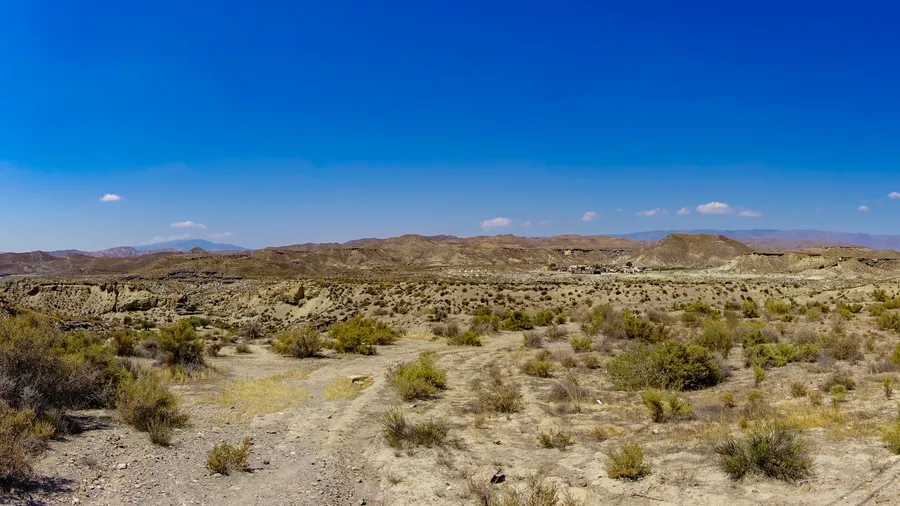
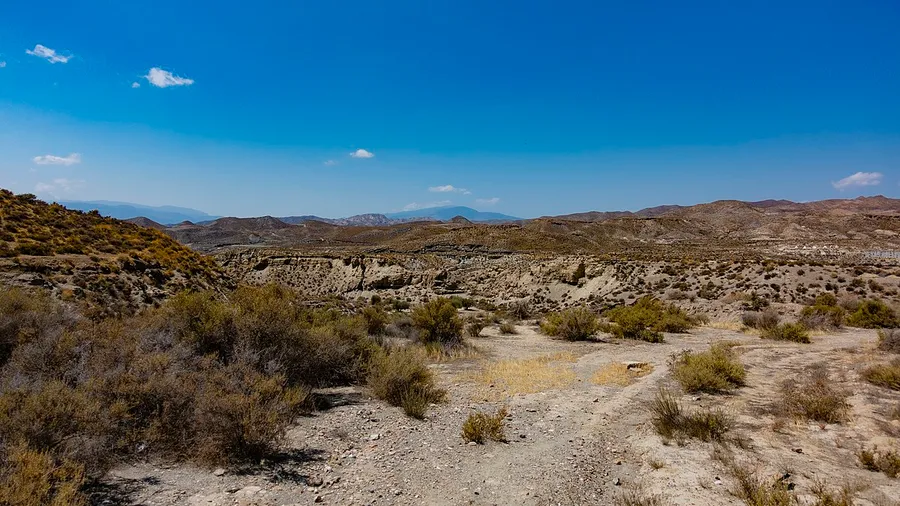
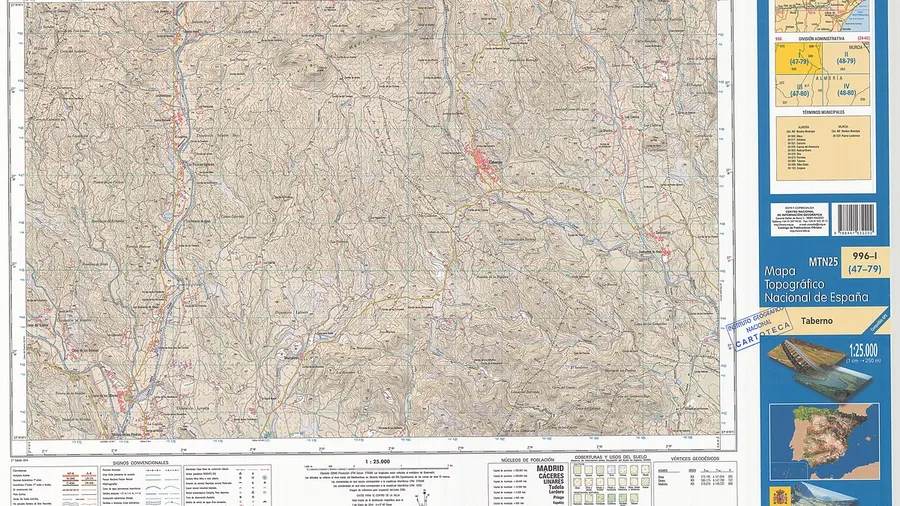
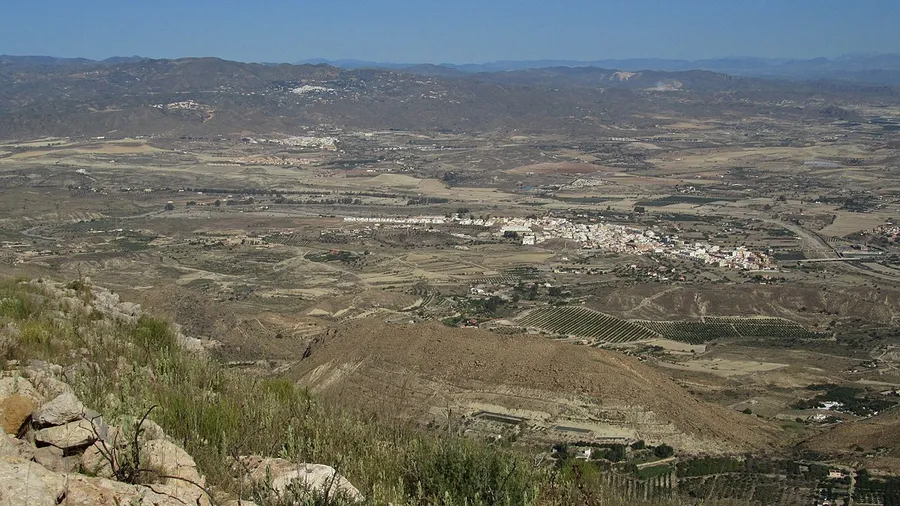
The Sierra Nevada on its Almería flank reaches up to Veleta (3,398 m) and has the lowest-altitude access for high-mountain activities in southern Iberia. Tabernas, the only true desert in Europe, is explored by jeep, on horseback or by bike along tracks through ochre badlands and historic spaghetti western film sets. The combination of sea, mountain and desert within a 100 km radius makes Almería one of the provinces with the greatest diversity of outdoor environments.
Highlights
• Diving at Cabo de Gata-Níjar, 12 sites with up to 30 m visibility
• Hiking the GR7 through the Almería Alpujarras (village to village)
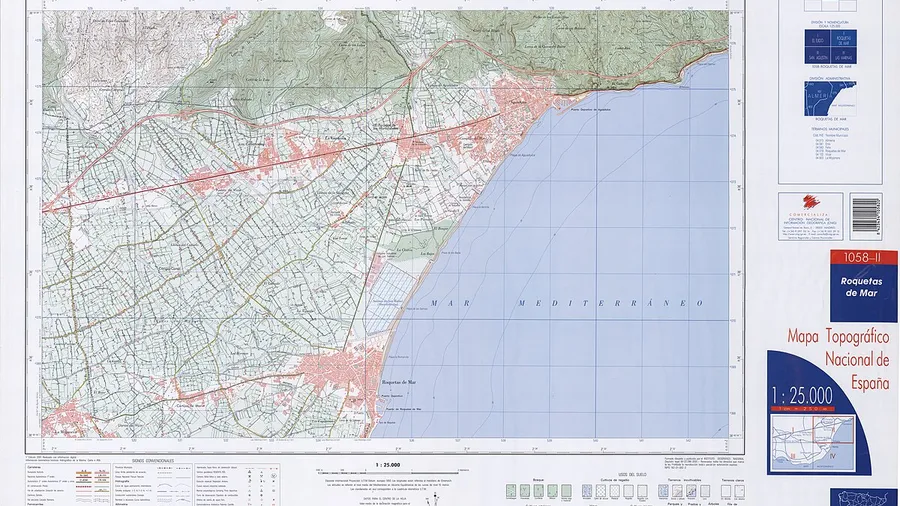
• Kitesurfing with levante wind at Roquetas de Mar and Mojacar in summer
• High-mountain routes to Veleta (3,398 m) from the Almería side
• Jeep and horseback routes through the Tabernas desert
Best time to visit
Spring (March–May) for hiking in the Alpujarras, with mild temperatures and almond blossoms in March. Summer for kitesurfing and coastal diving. High mountain on Sierra Nevada is accessible July to September. In winter you can dive at Cabo de Gata with a 7 mm wetsuit.
Practical tips
Cabo de Gata Natural Park restricts vehicles from some beaches; shuttle services run from Rodalquilar in summer. For the Alpujarras route, rural accommodation books up months ahead over Easter and in August. Almería airport has direct flights from several European cities from March to October.
Do you need a diving licence to dive at Cabo de Gata?
Dive centres in the park offer introductory dives (no licence needed) and guided dives for certified divers. The most popular are the centres at La Isleta del Moro and Agua Amarga. For the deeper sites (20–30 m), Open Water level or equivalent is required.
How do you hike through the Almería Alpujarras?
The white villages route from Berchules to Laujar can be done in 4–5 days with rural accommodation in each village. Companies organise luggage transfers between stages. The GR7 is signposted, but downloading the track in advance is recommended.
When is the best time for kitesurfing at Roquetas and Mojacar?
Levante blows most regularly from July to September, with winds of 15 to 25 knots. Mojacar has slightly more technical conditions (more swell) than the Roquetas lagoon. Both areas have schools with rental equipment.
Can you visit the Tabernas desert without a guide?
The Tabernas desert tracks are freely accessible, but unsignposted. Mountain bike routes through the badlands are the most common self-guided option. To identify the film locations (Leone, Eastwood), guided jeep tours provide more context.




 0
0 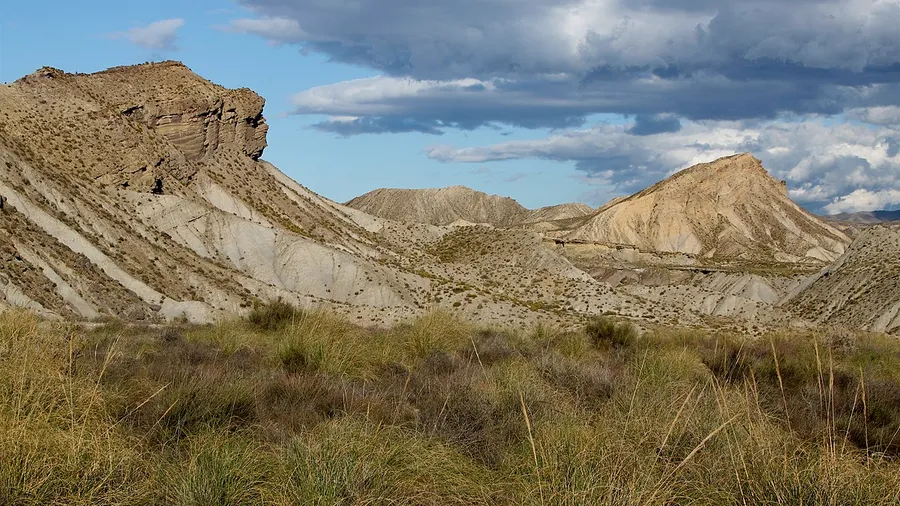 0
0  0
0