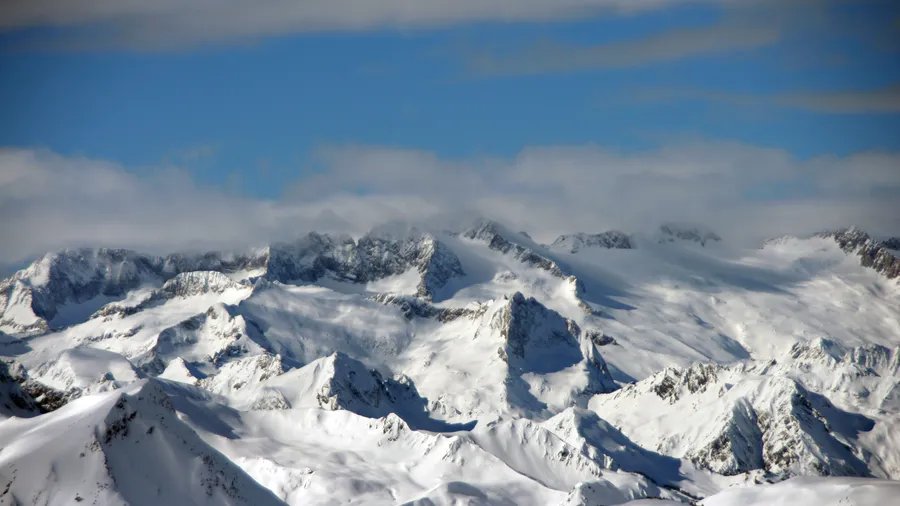
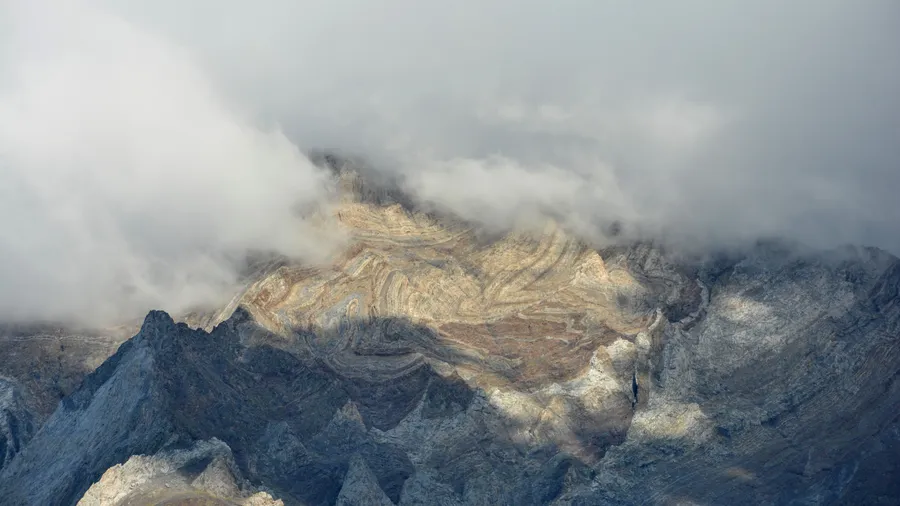
The Valle de Arán — Val d'Aran in Aranese — is a 620 km² Pyrenean valley in the far northwest of Catalonia, completely surrounded by peaks above 3,000 metres and drained by the Garonne river towards the Atlantic. It is the only comarca in Spain whose rivers flow to the Atlantic Ocean rather than the Mediterranean or Cantabrian Sea, and that hydrological detail reflects its climatic and cultural singularity. The Valle de Arán faces France: the Atlantic precipitation that travels up the Garonne valley from Bordeaux reaches here with greater intensity than anywhere else in the Spanish Pyrenees, and that extra humidity feeds the fir and beech forests covering the slopes between 1,000 and 2,200 metres. The capital, Vielha (1,015 m), is the service centre of a valley with 10,000 permanent residents and a tourism infrastructure that has grown around the Baqueira-Beret ski resort.
Baqueira-Beret is Spain's largest alpine ski resort by skiable area: 155 km of marked pistes across three sectors (Baqueira, Beret and Bonaigua) between 1,500 and 2,510 metres altitude. Average snowfall in the upper sector exceeds 5 metres per year thanks to north-facing exposure and Atlantic weather systems, ensuring long seasons from December through late April. Beyond the marked pistes, the Valle de Arán is the leading starting point for ski touring in the Catalan Pyrenees: routes to Tuc dera Harriera (2,862 m), Montardo d'Arties (2,833 m) and the Colomèrs lakes traverse are established classics spanning different technical levels for both freeriding and endurance touring.
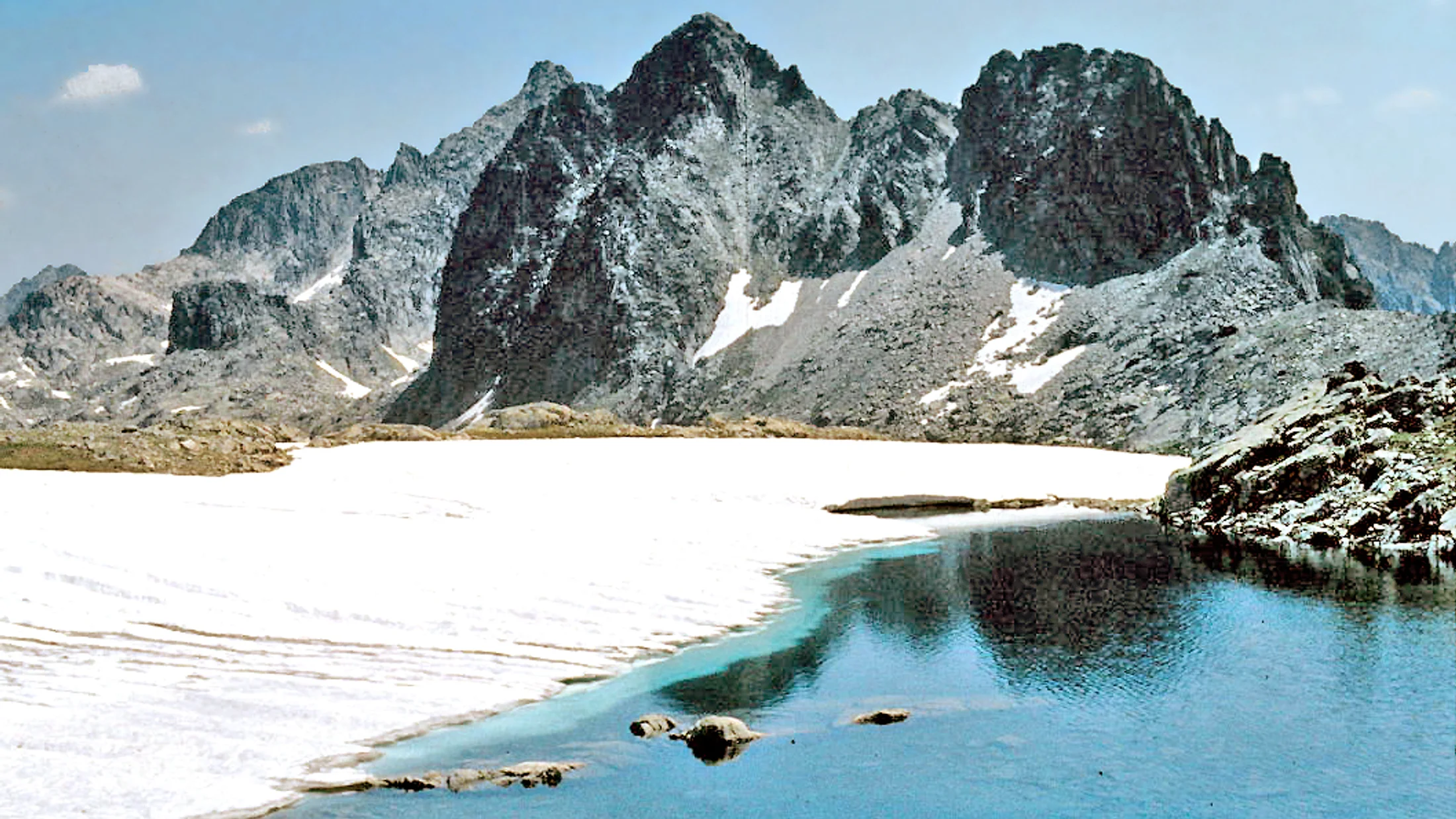
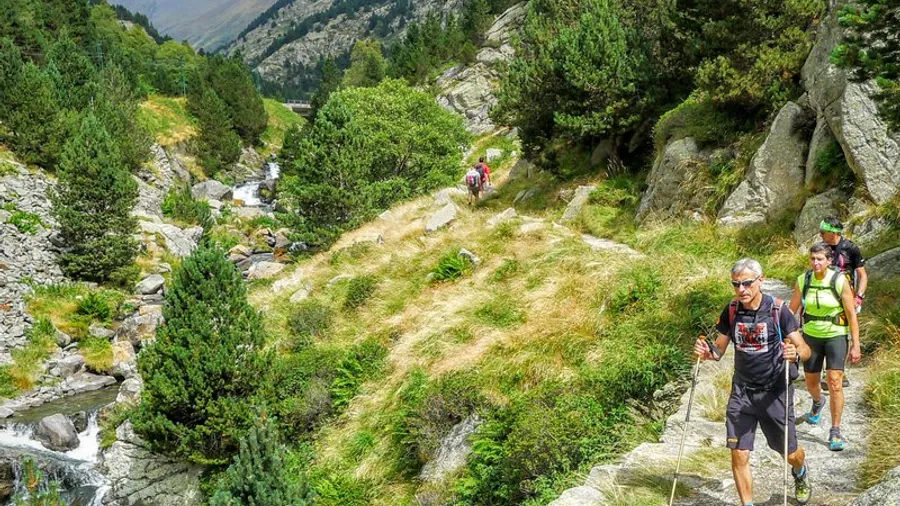
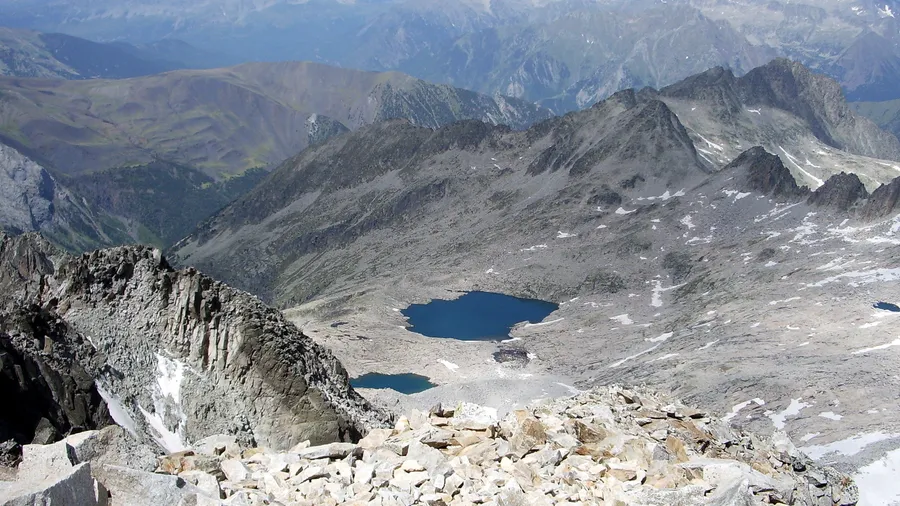
In the snow-free months the landscape transforms completely. The silver fir (Abies alba) slopes buried in snow from November to May open in June into high-mountain meadows with gentians, arnicas and rhododendrons. The Parc Nacional d'Aigüestortes i Estany de Sant Maurici, whose northern sector borders the Valle de Arán, is accessible from Arties and Tredòs via single or multi-day hiking routes. The Colomèrs area within the National Park holds more than 20 glacial lakes spread across a plateau between 2,000 and 2,600 metres; summer access is on foot or by 4x4 taxi from the village of Salardu. The Refugi de Colomèrs (CAF) at 2,135 m allows an overnight stay before continuing towards the National Park. The gorges of Barranc de Joeu, Unhola and Varradòs offer canyoning descents in cold water with cascades up to 30 metres high.
Aranese is the native language of the Valle de Arán, a variety of Gascon — a branch of Occitan — with official status alongside Catalan and Spanish. That distinct linguistic identity is visible in place names, signage and architectural heritage. The 12th-century Romanesque churches scattered across the valley's villages — Sant Miquèu de Vielha, Santa Maria de Bossòst, Sant Joan de Casarilh — have stone apses and bell towers that dialogue with the mountain landscape in a way few ski resort destinations can replicate. Local produce markets in Vielha and Aranese cuisine — mountain pork, seasonal fungi and Garonne river fish — set this valley apart from Pyrenean destinations focused exclusively on winter sports.