The essentials of Vall de Boí

  • • Nine 11th–12th century UNESCO Romanesque churches: Sant Climent, Santa Maria de Taüll and more
  • • Direct access to Aigüestortes National Park through the Taüll and Caldes valley heads
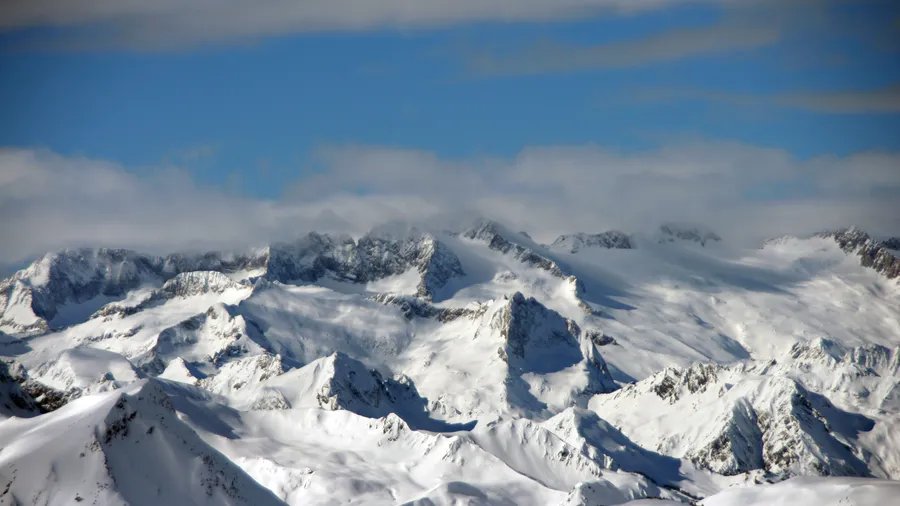
  • • Summits above 3,000 m: Comaloforno, Besiberri Nord and Montardo d'Aran
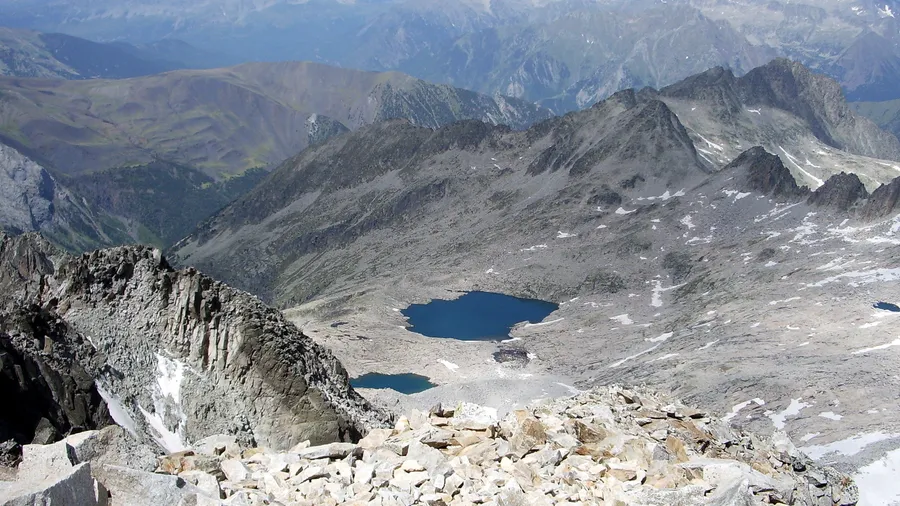
  • • Glacial lakes from 2,000 to 2,700 m: Llebreta, Negre, Tort and Long
  • • Caldes de Boí thermal pools with sulphurous water up to 56 °C at 1,470 m altitude

Description

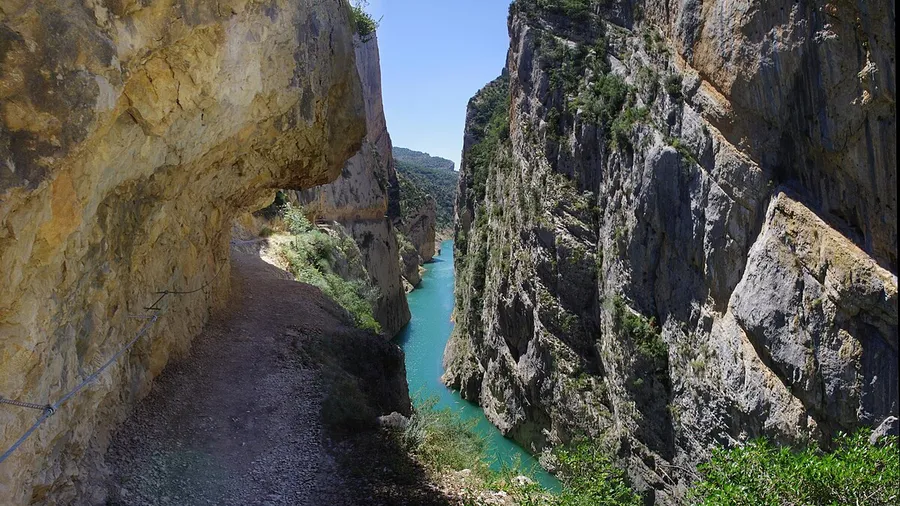
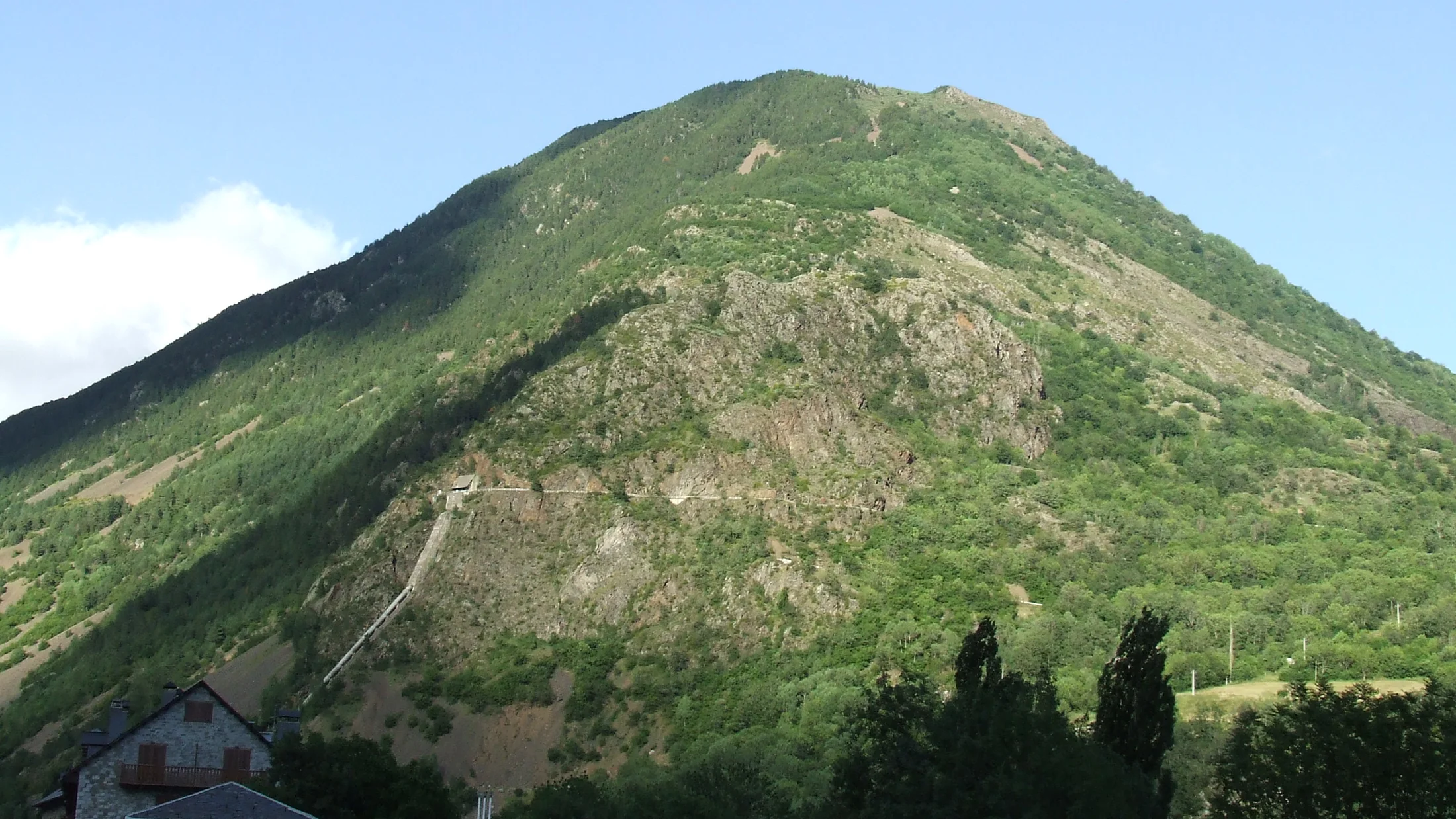
The Vall de Boí opens between the Ribagorça and Alta Ribagorça massifs in the far northwest of Lleida province, where the Noguera de Tor river drains southward from the highest elevations of the Catalan Pyrenees. The valley is about 25 kilometres long, ascending from 1,100 metres at Barruera to over 3,000 metres at Pic de Comaloforno, at the boundary with the Aigüestortes i Estany de Sant Maurici National Park. The chill of summer nights, when dense cold air descends the side valleys into the main floor carrying pine resin on the breeze, is one of the sharpest contrasts with the heat of the Lleida plain just two hours away by road.

The valley's cultural core is nine Romanesque churches declared UNESCO World Heritage in 2000 as part of the Catalan Pre-Romanesque Art ensemble. Built between the 11th and 12th centuries to serve populations of no more than 200 people, these churches represent an architectural concentration unparalleled in Europe: Sant Climent de Taüll, with its six-storey bell tower and apse frescoes now displayed at the MNAC in Barcelona; Santa Maria de Taüll with a Byzantine-style Virgin in Majesty; Sant Joan de Boí, the only one with a porticoed porch; Sant Feliu de Barruera with three aligned apses; and five further chapels in Erill la Vall, Coll, Cardet, Durro and Boí. The Centre del Romànic de la Vall de Boí in Erill la Vall offers digital reproductions of the original paintings and essential historical context before visiting the churches.

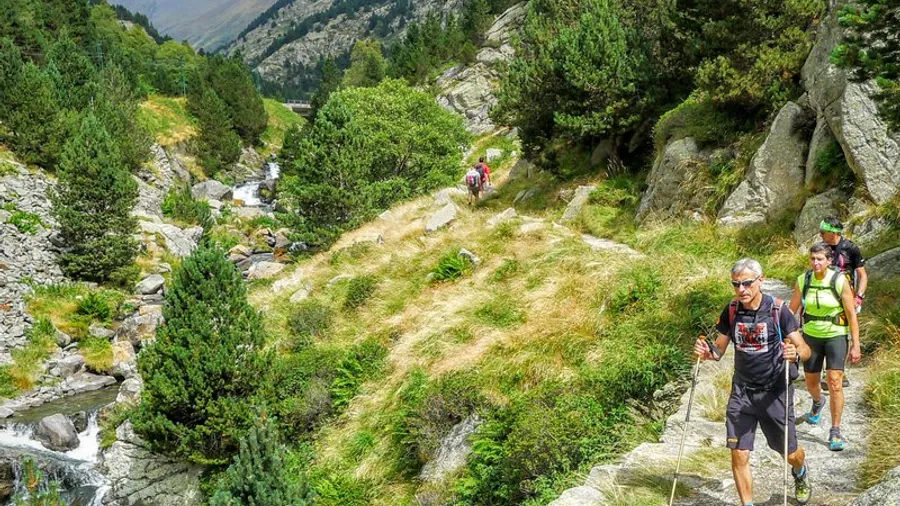
Outdoor activity in the valley relies on the trail network penetrating the National Park through the side valleys of Taüll, Aigüestortes and Caldes. The GR-11 trans-Pyrenean route passes through the valley floor and gives access to the glacial lakes of Llebreta, Negre, Tort and Long between 2,000 and 2,700 metres. The summits of Comaloforno (3,033 m), Montardo (2,830 m) and Besiberri Nord (3,015 m) are the most popular mountaineering objectives, accessed from the Ventosa i Calvell hut (2,220 m) or the Colomina hut (2,395 m). The thermal pools of Caldes de Boí at 1,470 metres offer sulphurous water at up to 56 °C year-round, with spa facilities at the historic hotel.

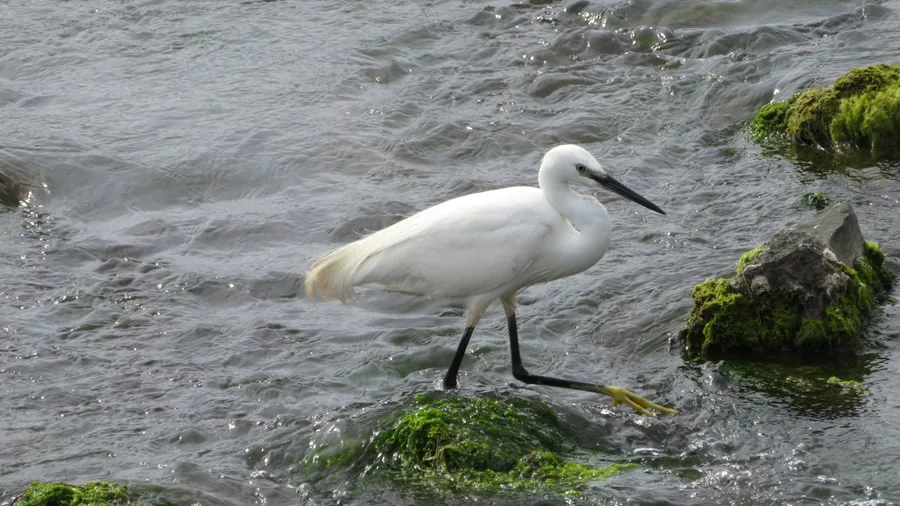
Vegetation alternates between subalpine black pine (Pinus uncinata) forest and supraforest grassland with fescue and gentian. Silver fir (Abies alba) descends to 1,400 metres on north-facing valley heads. Wildlife includes lammergeier, three-toed woodpecker (Picoides tridactylus) in the high-altitude pine stands, Pyrenean capercaillie (Tetrao urogallus aquitanicus) in the densest fir forests, Pyrenean chamois (Rupicapra pyrenaica) and alpine marmot (Marmota marmota), introduced in the 1970s and now abundant in the summit meadows between 2,000 and 2,500 metres.
Practical information

Everything you need to know for your visit to Vall de Boí

How to get there
From Barcelona (320 km, 3.5 h): A-2, N-230 through the Vielha Tunnel to El Pont de Suert, then L-500 to Boí. From Lleida (160 km, 2 h): N-230 towards Pont de Suert. No train; Alsa buses connect Barcelona and Lleida to El Pont de Suert (1–2 daily).
Area Information
Main villages: Boí, Taüll and Barruera. Romanesque Centre in Erill la Vall. Boí Taüll ski resort (2,020–2,751 m). Two CAC mountain huts: Ventosa i Calvell (2,220 m) and Colomina (2,395 m). Tourist office in Barruera.
Geography
A 25-km longitudinal valley in the Catalan Pyrenees (Lleida). Noguera de Tor river from 1,100 m (Barruera) to 3,033 m (Comaloforno). Glacial side valleys of Taüll, Aigüestortes and Caldes with tarns above 2,000 m.
Flora & Fauna
Subalpine black pine and silver fir; supraforest grassland with fescue and gentian. Wildlife: lammergeier, Pyrenean capercaillie, three-toed woodpecker, Pyrenean chamois, alpine marmot and native brown trout in the Noguera de Tor.

Things to do

Find the best plans and things to do in Vall de Boí

20

Accommodations

Best accommodation options in Vall de Boí

Loading accommodation options...

Frequently Asked Questions

Get answers about Vall de Boí

There are nine churches forming the UNESCO World Heritage ensemble. The most visited are Sant Climent de Taüll and Santa Maria de Taüll, in the same village: both date from the 12th century and contain (or originally contained, in Sant Climent's case) frescoes of outstanding quality. The Centre del Romànic de la Vall de Boí in Erill la Vall projects digital reproductions of the original paintings now in the MNAC Barcelona, so you can see the complete ensemble without travelling to the capital. A combined ticket for all nine churches is available at the Romanesque Centre.
In summer (July–August), private vehicles are restricted from the National Park entrances. To reach the Aigüestortes sector, 4WD taxis depart from Boí and drive up to the Llebreta lake car park (30 min, approx. €6/person). For the Caldes sector, taxis leave from Caldes de Boí. Outside the high season, private vehicles may drive to the designated car parks.
Comaloforno is a full Pyrenean mountain summit requiring high-mountain experience, map and compass navigation, and full equipment (crampons and ice axe from May to July depending on the year). The normal route starts at the Ventosa i Calvell hut (2,220 m) and climbs the Comaloforno snowfield to the summit: about 4 hours each way with 800 m of gain. No technical climbing or via ferrata, but the terrain is rocky and exposed. Checking the weather forecast the day before is essential.
The Caldes de Boí thermal facilities open from late June to early October. They offer indoor and outdoor pools with sulphurous water at 26–56 °C, jacuzzis and spa treatment services. Outdoor pool access is cheaper than full circuit packages; check prices and book on the hotel website, especially in August when occupancy is at its peak.
The valley offers a wide range: hotels in Taüll and Barruera, rural houses and apartments in Boí, Erill la Vall and Coll, and a campsite in Taüll by the river. In July and August demand exceeds available supply: book at least two to three weeks in advance. Mountain huts inside the National Park (Ventosa i Calvell and Colomina) require prior reservation through the Generalitat's Xarxa de Refugis portal.