The essentials of Ordesa and Monte Perdido National Park
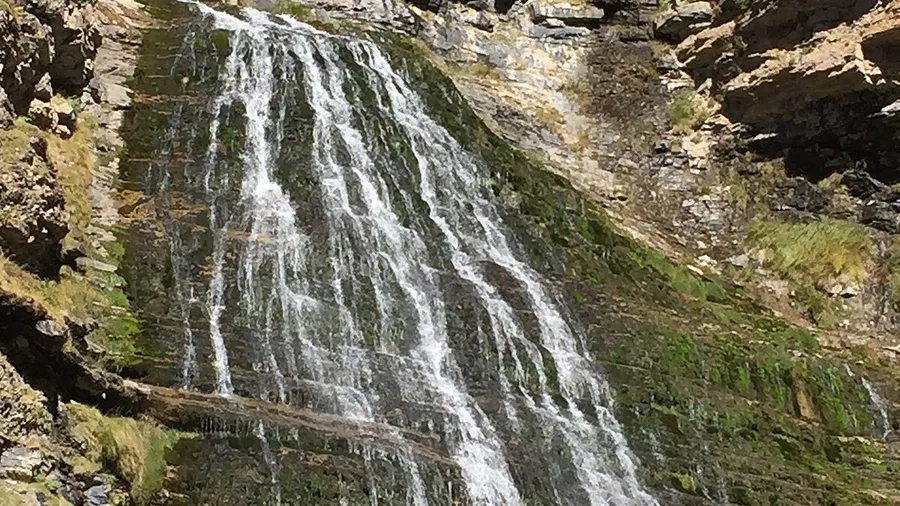
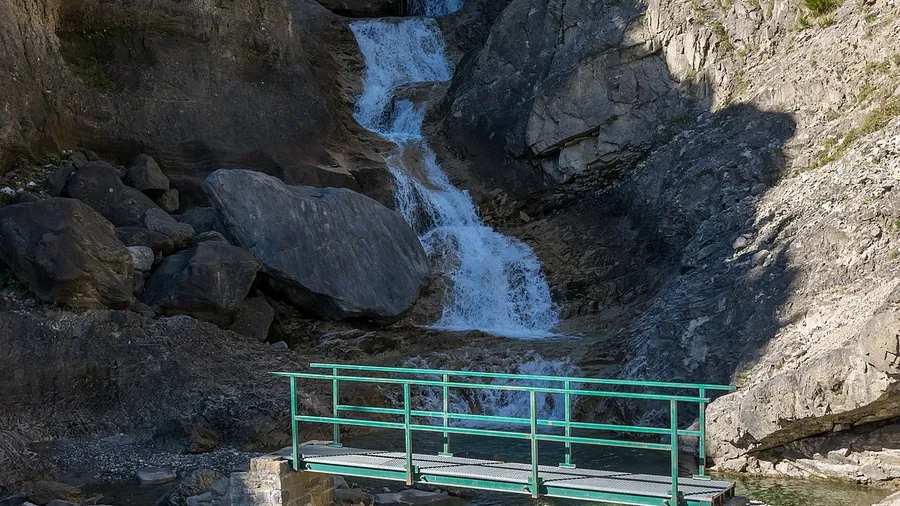
  • • Ordesa Valley and Cola de Caballo waterfall
  • • Añisclo Canyon: 1,000 m walls
  • • Monte Perdido (3,355 m): highest limestone peak in Europe
  • • UNESCO World Heritage Site since 1997
  • • Bearded vultures, chamois and marmots
  • • Escuaín Gorges and Pineta Valley

Description

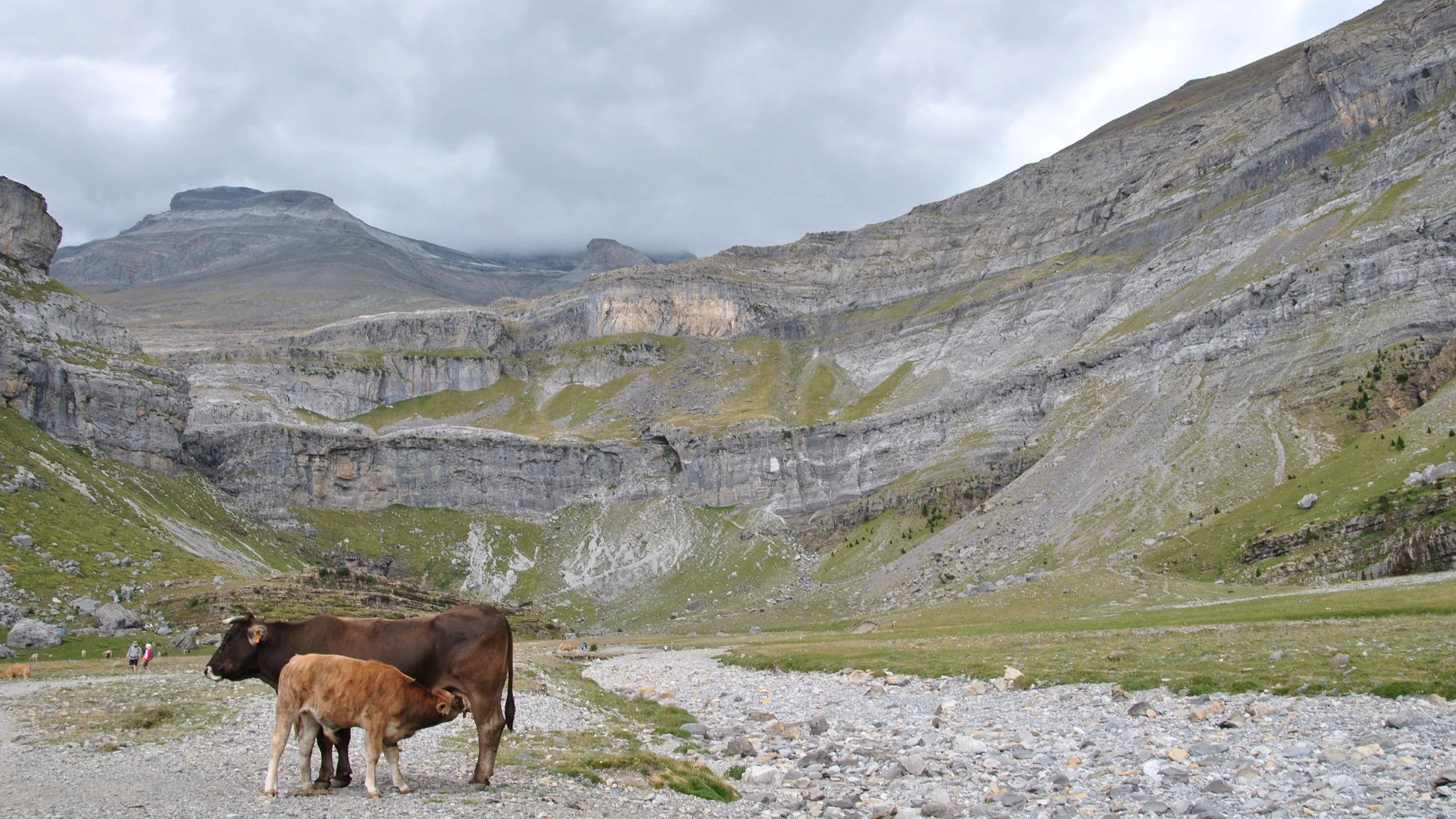
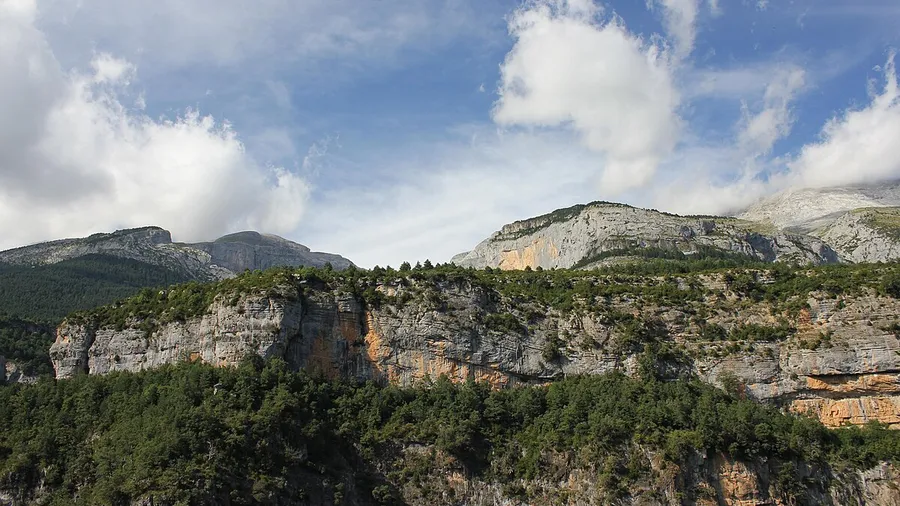
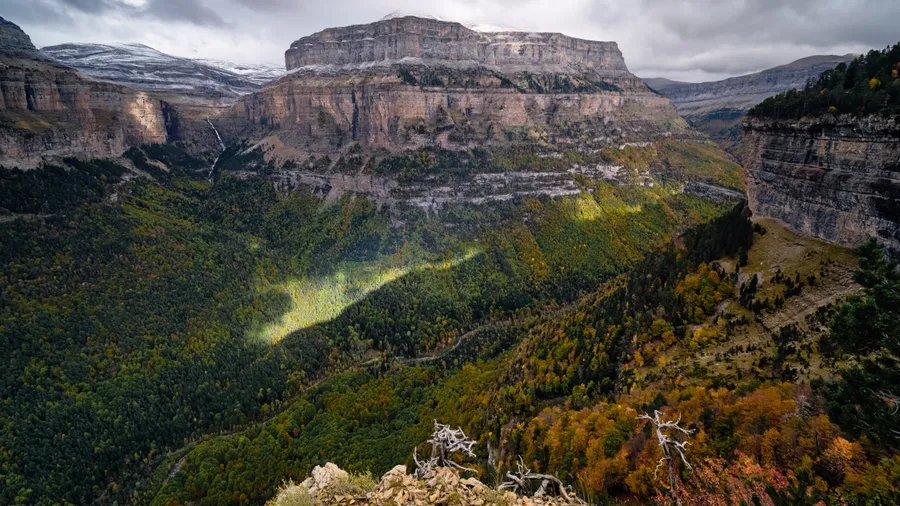
Ordesa and Monte Perdido National Park is the crown jewel of the Aragonese Pyrenees and one of the most spectacular natural spaces in Europe. Declared a National Park in 1918 (Spain's second) and a UNESCO World Heritage Site in 1997, it protects 15,608 hectares of high-mountain Pyrenean landscape.
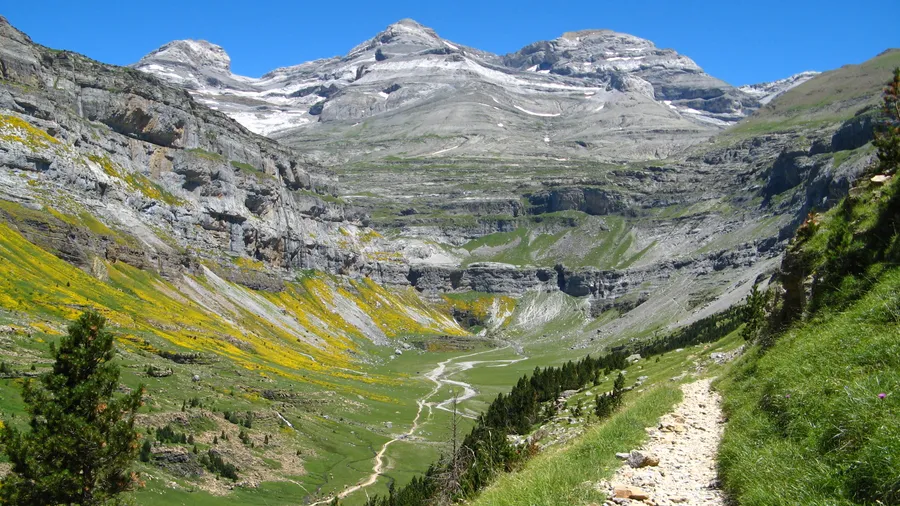
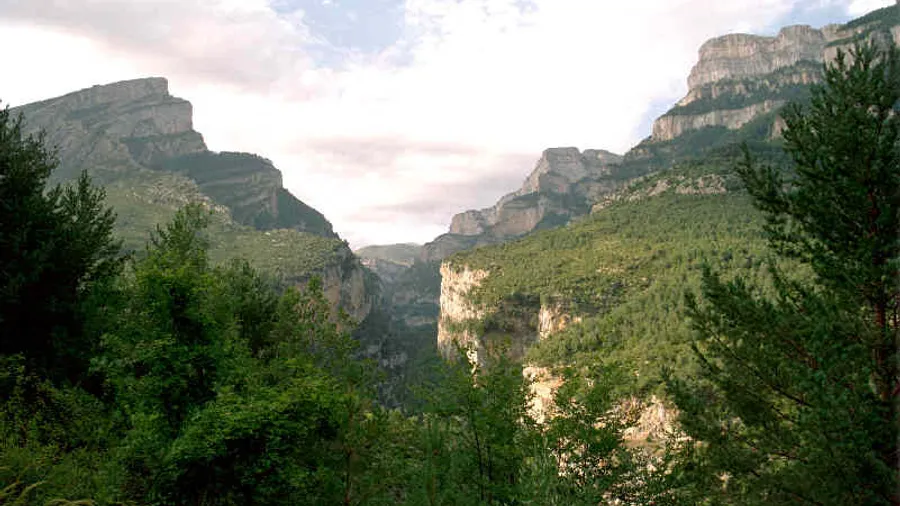
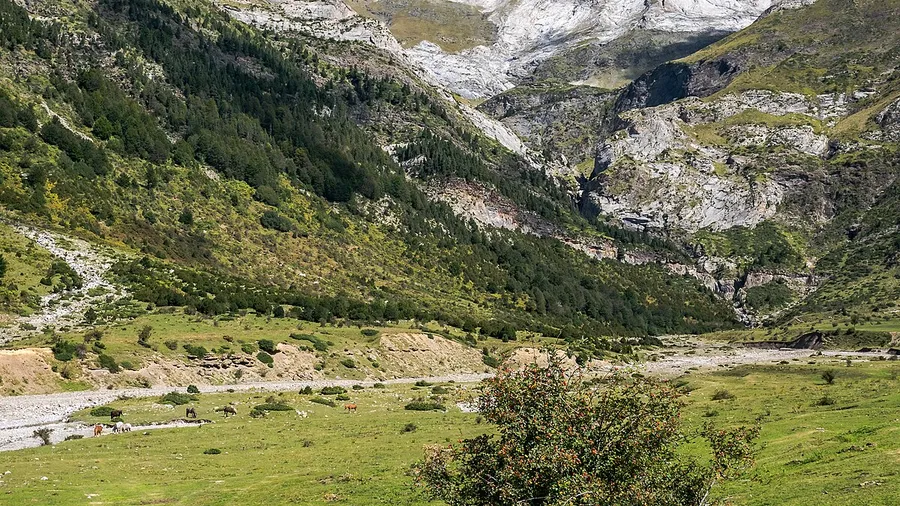
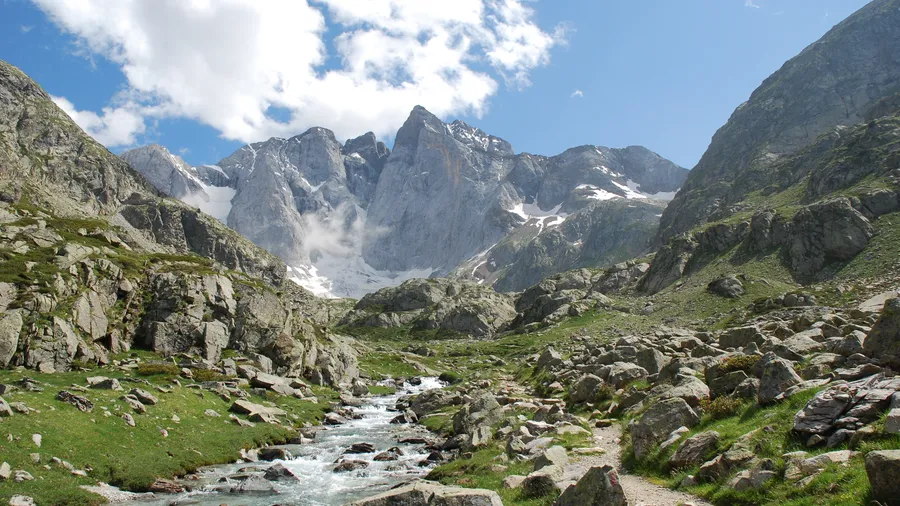
Four great valleys structure the park: the Ordesa Valley (the most visited, with the Cola de Caballo waterfall at its head), the Añisclo Canyon (the deepest, with 1,000 m walls), the Escuaín Gorges (the wildest) and the Pineta Valley (the most glacial, with the Pineta cirque). Monte Perdido (3,355 m) presides over the ensemble as the highest limestone peak in Europe.

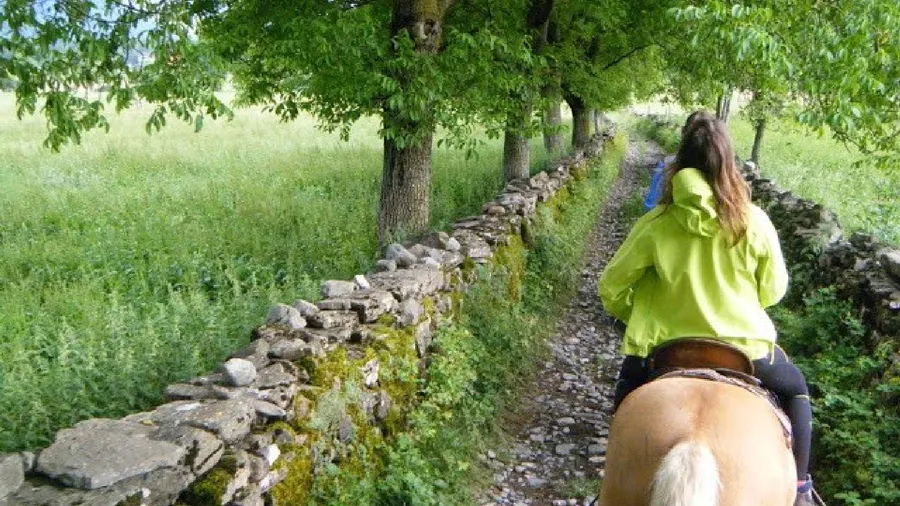
Hiking routes range from family walks along the Ordesa valley floor (Pradera de Ordesa to Cola de Caballo, 3-4 h one way) to high-mountain traverses like the Brèche de Roland or the Monte Perdido ascent. Wildlife includes bearded vultures, chamois, marmots and golden eagles.

The main access is via Torla-Ordesa. In summer (Easter to October) car access is restricted — a shuttle bus runs from Torla. Aínsa and Bielsa are the other park gateways.

Practical information for Ordesa and Monte Perdido National Park
Everything you need to know for your visit to Ordesa and Monte Perdido National Park

How to get there
From Zaragoza: A-23 to Huesca, then N-260 to Torla (2h 30min). From Barcelona: A-2 to Lleida, N-230 to Aínsa (4h). Bus from Sabiñánigo to Torla in summer. No direct train.
Area Information
15,608 hectares of national park plus 19,679 ha buffer zone, in the Sobrarbe district (Huesca). Altitude: from 700 m (Añisclo canyon floor) to 3,355 m (Monte Perdido). Four main valleys: Ordesa, Añisclo, Escuaín and Pineta. Municipalities: Torla-Ordesa, Fanlo, Puértolas, Tella-Sin, Bielsa. Borders the Cirque de Gavarnie (Pyrenees National Park, France) to the north.
Geography
The park covers the Monte Perdido limestone massif in the central Pyrenees, shared with France (Cirque de Gavarnie). Four glacial valleys (Ordesa, Añisclo, Escuaín, Pineta) descend from the summit of Monte Perdido (3,355 m). Karst geology with canyons, caves and springs.
Flora & Fauna
Ordesa is home to the Pyrenees' most iconic wildlife. The bearded vulture, an endangered species, soars over the valleys alongside golden eagles, griffon vultures and Egyptian vultures. At higher altitudes live chamois (Pyrenean izard), marmots and stoats. Beech, fir and black pine forests cover the valleys up to 1,800 m, giving way to alpine meadows with edelweiss, gentians and orchids. The park protects over 1,500 plant species and 170 vertebrates.

Things to do in Ordesa and Monte Perdido National Park

Find the best plans and things to do in Ordesa and Monte Perdido National Park

15

What to see in Ordesa and Monte Perdido National Park

Discover the must-see sights in Ordesa and Monte Perdido National Park

Accommodations in Ordesa and Monte Perdido National Park

Best accommodation options in Ordesa and Monte Perdido National Park

Frequently asked questions about Ordesa and Monte Perdido National Park

Get answers about Ordesa and Monte Perdido National Park
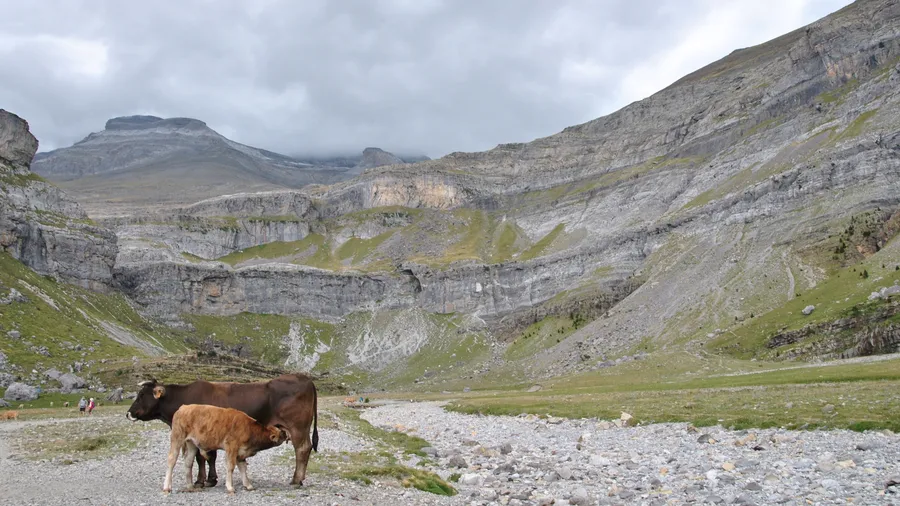
Main access via Torla-Ordesa. In summer (Easter to October) cars cannot drive up to the valley — shuttle bus from Torla (€3 return). Other entrances: Añisclo (Escalona), Escuaín (Revilla), Pineta (Bielsa).
Pradera de Ordesa → Cola de Caballo is the classic: 17 km return, 4-5 hours, moderate difficulty. Spectacular scenery throughout with waterfalls and viewpoints.
June to October. July-August most crowded. September-October ideal (fewer people, autumn colours). Winter routes at altitude have snow — only with experience and equipment.
No accommodation inside the park. Base towns are Torla-Ordesa (Ordesa Valley), Aínsa (Añisclo/Escuaín) and Bielsa (Pineta). Mountain refuges at altitude: Góriz (booking required).
No. Park access is free. Only the summer shuttle bus costs €3.