The essentials of Mondragó Natural Park

  • • S'Amarador and Mondragó coves with oceanic posidonia seabeds
  • • Coastal wetlands, among the few in Mallorca, with migratory birds
  • • PR-Me 39 route through Aleppo pine forest and Mediterranean scrubland
  • • Snorkelling with 10-15 m visibility over underwater meadows
  • • Bird migration passage between Africa and Europe in spring and autumn

Description

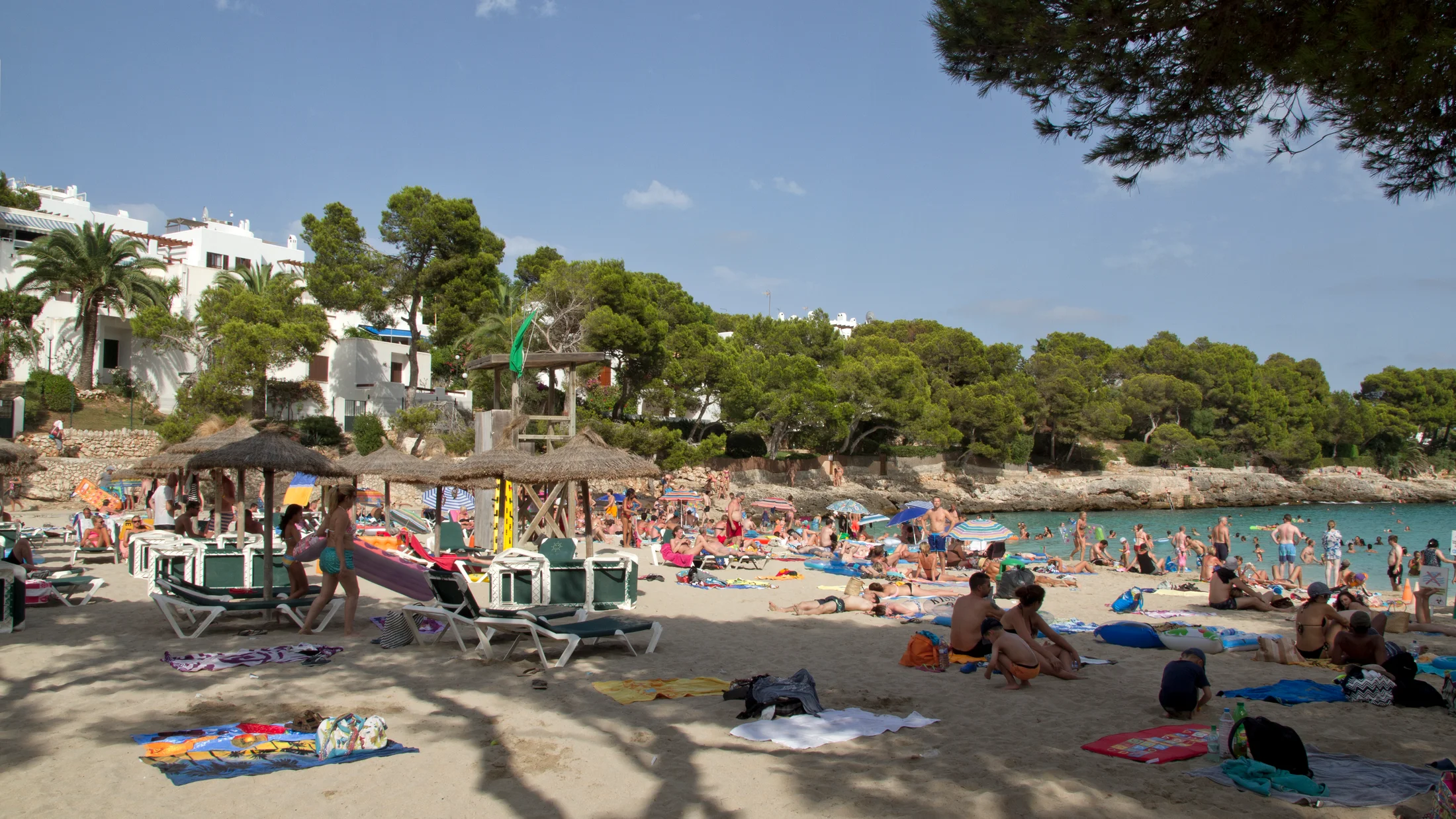
Mondragó Natural Park covers around 765 hectares in the municipality of Santanyí, in southeastern Mallorca, and is one of the most representative protected natural spaces on the Balearic coast. Declared a natural park in 1992, it encompasses two main coves — S'Amarador and Cala Mondragó — surrounded by Aleppo pine forests (Pinus halepensis), mastic scrubland and fine-sand dunes that the wind shapes steadily toward the Mediterranean shore. The protected area includes the coastline, forested interior and freshwater ponds, giving the park an unusual diversity of habitats for a coastal space of this size.

Walking the park's trails means discovering the transition between ecosystems. In just a few kilometres, route PR-Me 39 links the Sa Font de n'Alis car park with the coves, crossing a low-growing forest where the scent of rosemary and cistus cuts the afternoon air. The path descends gently between Eocene limestone outcrops covered in grey lichen, and on the more open stretches the views reach the marine horizon. Secondary trails allow exploration of the heathland and cistus scrub, where red-legged partridge (Alectoris rufa) often takes flight just a few metres ahead. The routes have minimal elevation gain, making the park accessible to families with young children and visitors without prior hiking experience.

The freshwater ponds beside S'Amarador are among the rare coastal wetlands of Mallorca and support a notable bird community. Grey heron (Ardea cinerea), mallard (Anas platyrhynchos) and gadwall (Anas strepera) are regular residents; during the autumn migration, marsh harrier (Circus aeruginosus) and, in favourable years, black-crowned night heron (Nycticorax nycticorax) also appear. Dawn at the pond's edge, with the croaking of frogs and the slow circling of the heron above the reeds, offers a birdwatching experience rarely found along the Spanish Mediterranean coast. Inclusion in the Natura 2000 network as both a SAC and SPA recognises the ecological importance of these wetlands.

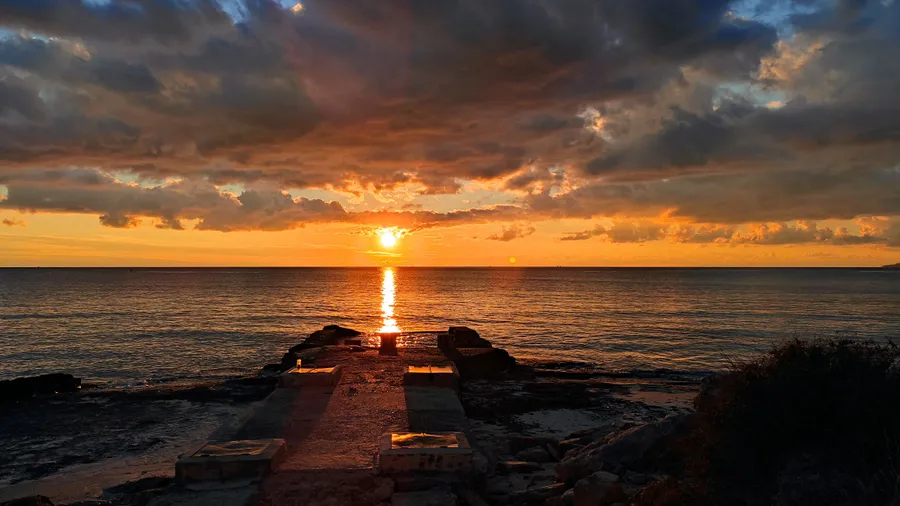
The park's coastal profile alternates Eocene limestone cliffs with small beaches of white calcareous sand. The water above posidonia meadows (Posidonia oceanica) shifts between shades of turquoise depending on the time of day: emerald green at noon, deep indigo at sunset. Posidonia, endemic to the Mediterranean, serves as a nursery for juvenile fish and oxygenates the water; its banks of dead matte — reaching up to one metre in some areas of the park — signal the health of the marine ecosystem. The seabed in front of the coves supports snorkelling and introductory diving with typical visibility of 10 to 15 metres, where salema (Sarpa salpa), Mediterranean barracuda (Sphyraena viridensis) and multiple mollusc and echinoderm species are common sightings.
Practical information

Everything you need to know for your visit to Mondragó Natural Park

How to get there
From Palma, take the Ma-19 motorway towards Llucmajor then the Ma-5300 towards Santanyí. From there, follow signs to Cala Mondragó. No direct public transport; a seasonal bus service runs from Santanyí in summer.
Area Information
The nearest town is Cala d'Or, about 4 km away. Santanyí (8 km) offers full services and access to the Ses Salines salt flats. The park is part of the Natura 2000 network and managed by the Govern de les Illes Balears.
Geography
The park covers 765 ha in Santanyí with gentle terrain: Eocene limestone hills not exceeding 50 m. The coastline alternates between low cliffs and white calcareous sand beaches. The freshwater ponds beside S'Amarador form the most significant coastal wetland in southeastern Mallorca.
Flora & Fauna
Vegetation dominated by Aleppo pine (Pinus halepensis), mastic, buckthorn and cistus. Wetlands shelter grey heron, mallard and marsh harrier during migration. Offshore, posidonia meadows (Posidonia oceanica) host salema, Mediterranean barracuda and multiple mollusc species.

Things to do

Find the best plans and things to do in Mondragó Natural Park

20

Accommodations

Best accommodation options in Mondragó Natural Park

Loading accommodation options...

Frequently Asked Questions

Get answers about Mondragó Natural Park

No. Access to Mondragó Natural Park is completely free year-round. The car park at Sa Font de n'Alis is also free, though in July and August spaces fill quickly: arriving before 9:30 is recommended to find parking without difficulty.
The main route is PR-Me 39, a marked trail connecting the Sa Font de n'Alis car park with the coves of S'Amarador and Mondragó through pine forest and Mediterranean scrubland. The full round trip covers around 5 km with minimal elevation gain and is suitable for all levels, including families with young children.
Yes. S'Amarador and Mondragó coves have posidonia seagrass beds and typical visibility of 10 to 15 metres, ideal for snorkelling from the shore. For scuba diving, motorised vessel access is restricted within the park; checking with dive centres in Cala d'Or for available options is recommended.
The best periods for birdwatching are April and May during the pre-nuptial migration, and September and October during the post-nuptial passage. At the freshwater ponds beside S'Amarador it is possible to spot grey heron, mallard and marsh harrier. Dawn offers the highest activity window.
No. Camping is expressly prohibited within Mondragó Natural Park. Lighting fires, driving motorised vehicles outside designated areas and anchoring motorised boats in the coves are also prohibited. The nearest accommodation is in Cala d'Or and Santanyí, ranging from apartments to beachside hotels.