Introduction
Orienteering Spain blends outdoor adventure with sharp thinking, and it rewards curiosity at every turn. You navigate to checkpoints using a special map and compass, choosing your path through forests, villages, and hills. The rustle of pines or the echo of footsteps on cobblestones becomes your soundtrack for a morning.
This guide focuses on what matters: what orienteering is, how to begin, and the top 10 orienteering races in Spain to try. We selected events using clear criteria: national relevance, diversity of terrains (forest, open Mediterranean, mountain, and urban sprint), presence or tradition in the FEDO orienteering calendar, beginner-friendly access, and solid logistics. You will find concise profiles for each race with location, typical dates, how to enter, estimated costs, levels, practical tips, and why each one deserves a spot.
Each section serves a purpose. You start with definitions and benefits, then move to a practical beginner pathway, followed by the numbered Top 10 race fichas. We add an interactive map description to help plan routes and lodging, plus a concise season-and-calendar brief, clear selection tips, and fast FAQs. According to the International Orienteering Federation (orienteering.sport), standard formats include sprint, middle, long, and relays, with winning times that guide course design.
Use this article as your planning companion: pick a race that fits your level, check the FEDO calendar (fedo.org) for dates, and reach out to local clubs when in doubt. If you want a hands-on start, urban sprint orienteering offers lower barriers and a quick taste of map and compass navigation. The air smells of wet soil after rain, and your next decision is also your next discovery.
Picuco te puede ayudar
Does something here catch your eye?
Tell us.
Write to us on WhatsApp or email: we answer questions, find the best options and help you sort out the booking.
What Orienteering Is and Why It Hooks You
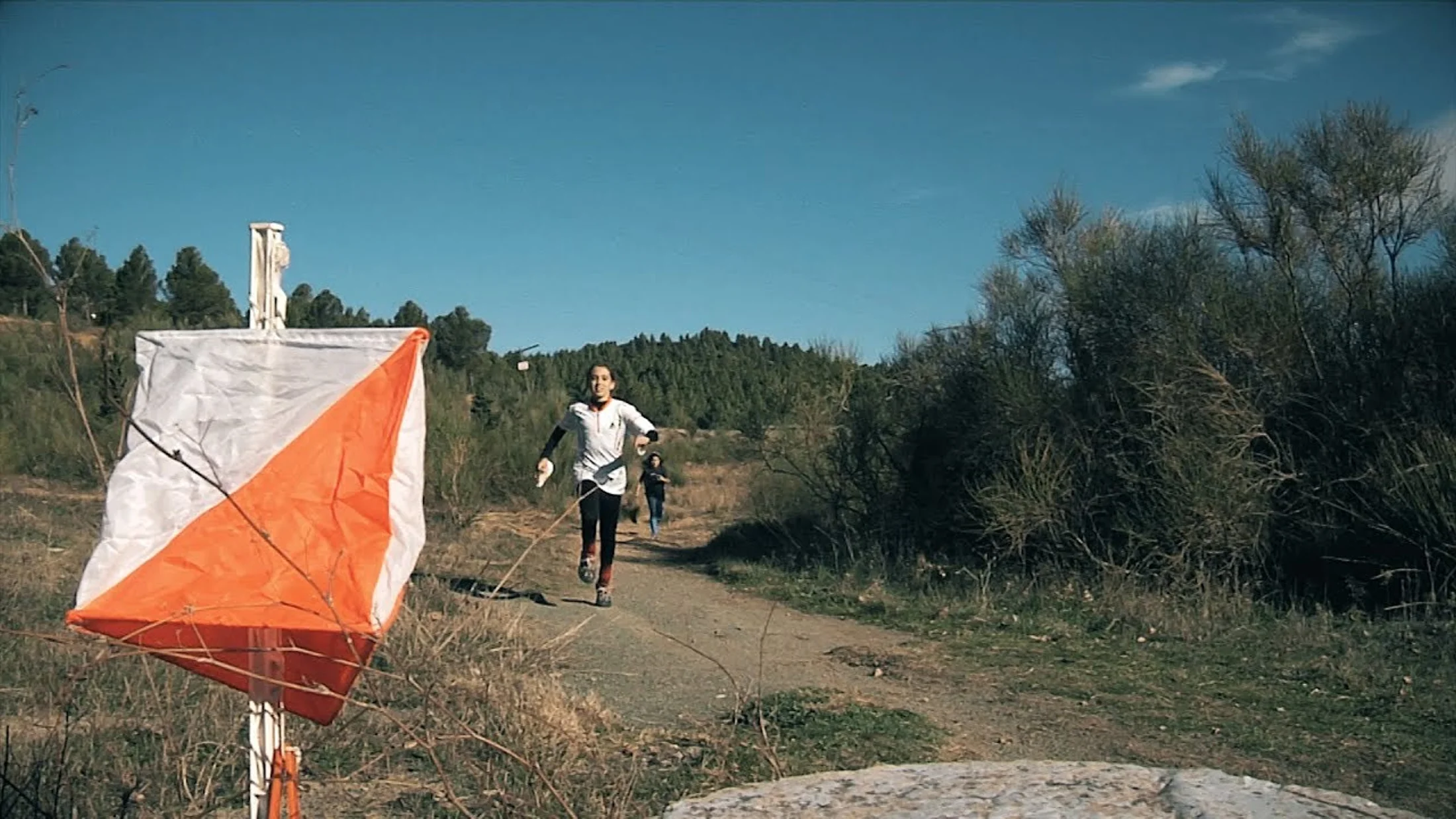
Orienteering is a sport where you navigate from point to point using a detailed map and a compass. You choose your route between control points (marked by orange-and-white flags called controls or balizas) and record each visit, often with an electronic chip. The thrill arrives when your route choice pays off with fewer climbs or cleaner lines through terrain.
Formats vary by distance and setting. Sprint is fast and urban, with winning times around 12–15 minutes; middle emphasizes technical navigation in 30–35 minutes; long tests endurance over 60–90 minutes; relays are team-based with multiple legs. You find events in forest, mountains, and towns, and many offer recreational categories for all ages alongside competitive classes. The map scale is usually 1
,000–1,000 for sprint and 1:10,000–1:15,000 for forest, with symbols standardized by the IOF.In Spain, the Federación Española de Orientación (FEDO) coordinates national calendars and rankings with regional federations. Clubs host most events, provide safety measures, and teach basic technique at training days. Benefits go beyond fitness: you train decision-making under pressure, terrain reading, and pace control, which means keeping track of speed and distance to avoid overshooting a checkpoint.
Expect a welcoming scene that values both competition and community. Volunteers hang controls at dawn, local councils open facilities, and forests and dehesas invite mindful movement. Picture a fingertip brushing cool map paper while a breeze carries resin and thyme.
How to Start: Clubs, Technique, and Essential Gear
The easiest entry path is through local clubs. Search “orienteering clubs Spain” to find groups near your city, check their training schedule, and ask for a beginner session. Clubs usually lend compasses, explain map symbols, and run short training loops; you learn by doing, without pressure.
Focus on three building blocks. First, map reading: keep the map oriented with the terrain, use clear features like paths and ridges, and simplify complex areas into leg-by-leg plans. Second, pace management: practice counting paces on flat and uphill so you know roughly how far you have traveled. Third, route planning: compare options quickly—long but simple vs. short but rough—and commit.
Bring basic gear: trail-running shoes with grip, breathable layers, a baseplate compass, and a stopwatch or sports watch. Many Spanish events use electronic punching like SportIdent; you can rent a chip at registration. Urban sprint orienteering is perfect for your first tries because navigation is legible, distances are short, and terrain is friendly.
To enter your first race:
- Check the FEDO orienteering calendar (fedo.org) or your regional federation for upcoming events.
- Choose a beginner or open category; these have simpler legs and shorter distances.
- Register online before the deadline; expect 8–20 € for open adult entries, sometimes less for juniors or members.
- Read the event bulletin for parking, start windows, and map scale.
Start early, warm up lightly, and finish with a smile. Think of fresh morning air over a quiet track as you take your first bearing.
Top Orienteering Races in Spain: Practical Profiles
Campeonato de España de Orientación: the national benchmark
- Location: Rotates across Spain (forest, urban sprint, and mixed terrains)
- Modality: Long, middle, sprint, and often relays; full weekend program
- Typical dates: Spring or autumn; confirm in the FEDO calendar (fedo.org)
- How to enter: Online via organizers listed in the FEDO calendar
- Price range: Approx. 15–30 € per stage for seniors; juniors often discounted
- Level: From beginner open classes to elite; strong fields across categories
- Logistics: Book lodging early near the competition center; study bulletins
This is Spain’s annual reference in orienteering, drawing deep fields and polished organization. You typically get multiple stages: a fast urban sprint, a technical middle, a physical long, and team relays, with times and course planning aligned to IOF norms. Expect top mapping, precise control placement, and clear arena services.
Check dates early in the FEDO orienteering calendar, as entries fill quickly and travel plans can save costs. Arrive a day ahead to collect bibs and rental chips, test footwear on local terrain, and review embargoed areas rules, which are zones closed for training pre-event. Think of crisp morning light over a taped finish chute as the arena hums to a speaker’s countdown.
It ranks here because it showcases the breadth of orienteering Spain in one weekend. Compared with local races, the competition level is higher, but open classes remain welcoming. Families find kids’ activities, while seasoned runners relish national-class route choice battles.
Sprint Ciudad de Barcelona: fast urban navigation for all
- Location: Barcelona city neighborhoods (varies by edition)
- Modality: Urban sprint orienteering on pedestrian streets, parks, and plazas
- Typical dates: Often spring or autumn afternoons; check local calendars
- How to enter: Online sign-up via club or regional federation site
- Price range: Around 8–15 €; chip rental available
- Level: Ideal for first-timers; also technical enough for experienced sprinters
- Logistics: Metro-friendly access; arrive early to warm up and read bulletin
Urban sprint orienteering is the cleanest start for newcomers: clear features, short legs, and instant feedback on route choice. Courses in Barcelona play with stairways, courtyards, and park networks, demanding quick map contact and precise control flow. Expect winning times near 12–15 minutes.
Run light, keep the map oriented, and glance two legs ahead to avoid dead ends. Late afternoon light on stone facades sets a warm tone as footsteps echo in narrow streets. You can find similar city sprints across Spain by checking regional calendars and searching “urban sprint orienteering” plus your city.
This event stands out for accessibility and public transport convenience. Compared with forest races, surfaces are firm and navigation is rapid-fire. Beginners can try open categories, and juniors enjoy short circuits with plenty of marshal presence.
Trofeo Costa Brava (girona): coast-to-forest variety
- Location: Girona province (venues vary, often near coastal hills and inland pines)
- Modality: Mixed terrain—coastal shrublands, pine forest, and rocky spurs
- Typical dates: Spring or autumn, to avoid peak heat
- How to enter: Organizer link via regional calendars or FEDO listings when applicable
- Price range: Approximately 12–25 € per stage; discounts for youth
- Level: Suits intermediate runners; open categories available
- Logistics: Fly to Girona or Barcelona; coastal lodging fills early on weekends
Costa Brava terrain rewards versatile runners: sandy tracks, thorny scrub, contour-rich spurs, and pine pockets that demand fine compass work. Expect maps with intricate rocky detail and route choices that trade speed on paths against cross-country cuts. Middle and long stages usually feature solid elevation changes.
Pack grippy shoes and protect shins if you plan to cut through low brush. A sea breeze carrying salt drifts over sun-warmed rock as you pause to thumb the next leg. The race earns its spot for variety and planning depth, which differs from pure forest classics.
Clubs in Girona and Catalonia support the event and offer training days. Compared with mountain races, the altitude is modest, but technical detail can spike time losses for sloppy bearings. Beginners should pick shorter courses and rely on handrails—linear features like paths and walls.
O-pyrenees (pyrenees): high-mountain challenge
- Location: Spanish Pyrenees (venues vary along the range)
- Modality: Mountain orienteering with significant climb and rough ground
- Typical dates: Summer or shoulder seasons, weather permitting
- How to enter: Via event site or calendar when listed; sometimes part of international circuits
- Price range: Roughly 15–30 € per stage; relay or multi-day passes offered
- Level: Advanced navigators and fit intermediates; open options may exist
- Logistics: Check altitude, weather, and mandatory gear; plan mountain lodging early
Mountain orienteering demands fitness, safety awareness, and clean navigation on open slopes. Expect heather, scree, alpine meadows, and fast-changing weather; visibility can switch fast from clear to mist. Maps favor contours and subtle reentrants, and long legs amplify route-choice penalties.
Bring layers, a whistle, a light waterproof, and extra calories; organizers may enforce gear checks. The smell of alpine grass mixes with cool air as wind clicks your compass housing. When listed on the FEDO calendar, coordination with local clubs enhances safety protocols and rescue readiness.
O-Pyrenees stands out for big landscapes and decisive legs that separate runners by minutes, not seconds. Compared with urban sprint orienteering, it is slower, more physical, and mentally steadying. Choose it if you want elevation, endurance, and mountain craft.
Trofeo Sierra de Gredos (ávila): forest detail with serious climb
- Location: Sierra de Gredos, Ávila province
- Modality: Forest and mountain foothill terrain with granite and pines
- Typical dates: Spring or early autumn
- How to enter: Through organizer pages announced via regional/FEDO listings
- Price range: About 12–25 € per stage; rental chips available
- Level: Best for intermediate to advanced; beginner open classes usually offered
- Logistics: Car access from Madrid (~2 hours); cooler mornings at altitude
Gredos delivers contour reading and granite boulder fields with muscular climbs. Pine forest alternates with open clearings and rocky ribs that require disciplined compass bearings. Middle distances here feel technical; long courses add sustained ascent and longer route choices.
Arrive early to adjust to elevation, and hydrate more than usual if it’s sunny. Morning light smells of resin and damp moss in shaded gullies. This race makes the list for its classic Iberian granite navigation and honest elevation gain, excellent for sharpening skills ahead of national meets.
Compared with coastal events, footing is rockier and physical demand higher. Use attack points—large features near the control—to break legs into reliable chunks. Families can plan a weekend around mountain villages that support events with warm, home-style food.
Orienteering in Mallorca: island stages for sunny days
- Location: Mallorca, Balearic Islands (venues vary: pines, coast, karst)
- Modality: Mixed—coastal tracks, pine woods, and rocky limestone features
- Typical dates: Spring and early summer; some night or evening stages possible
- How to enter: Organizer links via regional federation calendars; multi-day festivals common
- Price range: Typically 12–25 € per stage; multi-stage passes discounted
- Level: All levels; tourists welcome; sprint stages often included
- Logistics: Plan flights and rental cars early; combine with beach or hiking days
Mallorca’s terrain shifts fast: runnable pines give way to jagged limestone and sunlit coves. Maps highlight rock detail and subtle vegetation boundaries; coastal wind and heat can affect pacing. Many editions mix sprint, middle, and long, perfect for learning across settings in a single trip.
Run light, carry water if warm, and consider gaiters for rocky vegetation. Warm breeze smells faintly of thyme as surf hushes beyond low cliffs. The island’s appeal lies in pairing orienteering races in Spain with a relaxing getaway—ideal for families and mixed-level groups.
Compared with mountain events, climb is moderate but footing can be sharp. Local clubs often share training sessions before race weekends. Check accommodation near competition centers to cut transfer time.
Copa de España de Orientación: the points-driven circuit
- Location: Multiple venues nationwide by season
- Modality: Series of races (sprint, middle, long); cumulative ranking
- Typical dates: Spread across the year; see FEDO calendar (fedo.org)
- How to enter: Each stage has its own registration; some offer weekend passes
- Price range: Commonly 12–30 € per stage; membership can reduce fees
- Level: From open categories to elite; great for regular competitors
- Logistics: Track points, plan travel clusters, and manage recovery between stages
The national cup rewards consistency. You score points at each designated event, with standings across age and skill categories. Venues rotate to showcase Spain’s terrain diversity, from Cantabrian beech to Mediterranean oak and urban old towns.
Set a season plan, book lodging early near competition centers, and align training cycles with key weekends. The soft clatter of controls on a SI station punctuates focused silence at the start triangle. This circuit earns its place because it lets you build experience steadily and measure progress.
Compared with a single festival, the Copa balances logistics over months. It suits runners who like routine challenges and structured goals. Newcomers can still cherry-pick local stages to limit travel while enjoying the circuit’s energy.
Navaleno O-classic (soria): pine forest mastery
- Location: Navaleno, Soria (Castile and León)
- Modality: Classic pine forest with intricate contours and marshes
- Typical dates: Often spring or autumn
- How to enter: Via organizer announcements and regional/FEDO listing when applicable
- Price range: Around 12–25 € per stage
- Level: Intermediate to advanced navigation; open classes for learning
- Logistics: Car access; cool mornings; local accommodations in forest towns
Navaleno’s pine complexes are a Spanish orienteering staple. You face long legs through seemingly uniform forest, where only careful contours, vegetation boundaries, and marsh edges distinguish route choices. The map rewards thumbed concentration and exit direction discipline.
Wear shoes with strong grip for needle-covered slopes, and keep relocation skills sharp—stop, reorient, and simplify if lost. A resin-scented breeze and the crunch of dry needles accompany your strides. This classic is valued for teaching true map contact and patience.
Compared with urban sprint, decisions are fewer but heavier, and small drift errors cost minutes. Local clubs cultivate the terrain with careful mapping and fair courses. If you can run cleanly here, you are ready for national-class forest stages.
Trofeo de Primavera de Madrid: close, friendly, and varied
- Location: Sierra and peri-urban forests near Madrid
- Modality: Forest and parkland; sometimes urban sprints within the series
- Typical dates: Spring weekends
- How to enter: Regional federation listings; simple online forms
- Price range: Usually 8–18 € per stage; junior rates available
- Level: Ideal for beginners, families, and progressing intermediates
- Logistics: Short drives from the city; parking and public transport options vary
This popular series brings orienteering close to the capital with beginner-friendly categories and lively arenas. You can try short forest courses, parkland sprints, and sometimes relay formats across different weekends, building skills step by step.
Arrive early to pick up your map and chip, and keep runs short at first to finish strong. Pine shade cools the start lanes as the city’s hum fades into birdsong. Trofeo de Primavera stands out for accessibility, community coaching, and steady seasonal structure.
Compared with destination events, costs and travel are modest. Search “how to start orienteering” alongside “Madrid” to find introductory sessions by local clubs. Families appreciate clear signage, volunteers, and picnic-friendly venues.
Orienteering in Badajoz (extremadura): open Mediterranean navigation
- Location: Badajoz province, Extremadura
- Modality: Open dehesa and Mediterranean scrub with scattered trees and walls
- Typical dates: Cooler months (autumn to spring) to avoid extreme heat
- How to enter: Regional calendars and organizer pages; check FEDO listings
- Price range: About 10–20 € per stage
- Level: All levels; navigation emphasizes contour and reference alignment
- Logistics: Hydration planning; sun protection; choose early start blocks
Open terrain changes the game: fewer trees, more visibility, and legs that hinge on subtle contours and stone walls. Pace can be high, but compass discipline and attack-point selection remain critical to avoid drifting off-line. The format suits runners who like to think fast while running fast.
Wear sun protection and consider a soft flask for longer legs. Dry grass whispers in the breeze as you sight a distant control kite across rolling pasture. This pick highlights a side of orienteering Spain often overshadowed by forests—clean lines, high running speed, and honest navigation.
Compared with mountain events, footing is smoother but heat can punish the unprepared. Beginners benefit from clear features, while advanced runners leverage speed without sacrificing accuracy.
Map of Race Locations
We include an interactive map concept to help you plan trips across the Top 10 races. Each marker shows the race name, typical venue area, sign-up source (FEDO calendar or organizer), and filters for terrain (forest, mountain, urban) and season. Add lodging layers, distance-from-city toggles, and parking icons to compare logistics quickly.
Use it to cluster weekends, pair events with nearby nature parks, and save gas and time. A subtle color palette keeps visibility high in sunlight. Save or download the map to your phone so you can check directions offline.
Best Season and Calendar: When to Sign Up
Timing matters for performance and comfort. Urban sprint orienteering shines in spring and autumn when temperatures are mild and light is generous. Forest races peak in spring and late autumn for cooler air and stable footing, while mountain events work best in summer or shoulder seasons when snow clears and storms are more predictable.
Check the FEDO orienteering calendar (fedo.org) and your regional federation pages for dates, bulletins, and any last-minute changes. Entry windows can close 1–2 weeks before race day; championship stages often sell out earlier. Book accommodation as soon as you pick an event, especially near mountain villages and coasts. Keep a simple checklist: registration deadline, chip rental, parking plan, and warm clothing for the arena.
How to Choose the Right Race for You
Consider these practical filters:
- Technical level: beginner/open vs. intermediate/elite
- Distance and climb: sprint (short, fast) vs. middle/long (more elevation and decisions)
- Terrain type: forest, open Mediterranean, mountain, urban sprint
- Logistics: travel time, public transport, parking, and nearby lodging
- Budget: entry fees, transport, and hotel costs
- Atmosphere: family-friendly festival vs. intense competitive focus
Beginners should seek urban sprints or events with specific initiation courses and on-site coaching. Advanced runners can target forest maps with contour detail or mountain venues with sustained climb. Choosing races hosted by local clubs adds a bonus: better local knowledge, robust volunteer teams, and community warmth.
Frequently Asked Questions
How do I start orienteering with zero experience?
Join a local club training, try an urban sprint or an open beginner class, and rent a chip on-site. You will learn map basics in one session and build from there.
Do I need a license to race?
For local open categories, you often do not need a license. For national ranking categories, many events require a FEDO license or day insurance—check the bulletin.
What is the Fedo orienteering calendar?
It is the national schedule maintained by the Federación Española de Orientación (fedo.org) with dates, venues, and organizer links for races across Spain.
How do I read the map and compass?
Keep the map oriented with north, use a baseplate compass to align and take bearings, and simplify each leg into clear features like paths, ridges, or walls.
Where can I find orienteering clubs in Spain?
Search “orienteering clubs Spain” and check your regional federation list. Clubs publish training days, beginner sessions, and rental options for compasses and chips.
What is the difference between sprint and forest events?
Sprints are short, urban, and fast with a 1
,000–1,000 map; forest events are longer with 1:10,000–1:15,000 maps and more contour navigation and route choice.Is mountain orienteering safe?
Yes, with preparation. Carry mandatory gear, monitor weather, and know relocation steps. Organizers and clubs coordinate safety and rescue plans.
What equipment is essential?
Trail shoes, breathable clothing, a baseplate compass, a watch, and an electronic chip (often rented). Add layers and water for hot or mountain races.
Book your experience — discover active tourism activities in Spain with Picuco-verified providers.
Conclusion
Orienteering blends map and compass navigation with the landscapes that shape Spain’s rural life. You now know the formats, how to start safely, and which 10 races offer variety, access, and community. Choose a beginner-friendly sprint or a mountain challenge, confirm dates in the FEDO calendar, and save our locations map for planning.
Start local, build confidence, and then travel for terrain you want to master. Share this guide with friends, and tell us where your route choice took you next.