Into The Atlantic Forest Few People Know
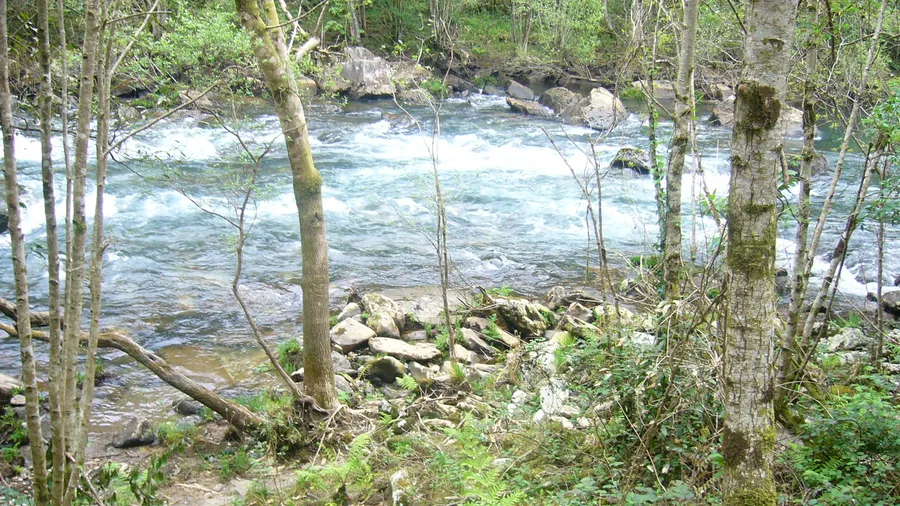
Beneath a green cathedral of oaks and laurels, Fragas do Eume breathes cool and damp like a living museum. You are in one of the best-preserved Atlantic forests in Galicia, a steep river gorge where the Eume carves through rock and time. This protected landscape in A Coruña province feels intimate yet vast, and it rewards both slow walkers and curious paddlers. A hush follows the river: a silver sound between moss-dark trunks.
This article gives you a clear, practical path into Fragas do Eume. You will find why it’s worth visiting, essential logistics (where, when, rules), how to arrive, where to stay, and detailed routes for Eume kayak outings and hiking Fragas do Eume. We include safety tips that matter in a wet, shaded gorge and a focused FAQ to solve common doubts. The Monastery of Caaveiro, founded over a thousand years ago on a rocky spur, adds a human heartbeat to the forest’s pulse. Stone smells of rain above the water.
Expect concrete data and plain explanations so you can plan confidently. We reference official sources such as Xunta de Galicia (Parque Natural Fragas do Eume) and MeteoGalicia for weather norms. We guide you to reasonable itineraries whether you travel as a couple, with children, or in a small group seeking an authentic Atlantic forest Galicia experience. Touch a fern and it dusts your fingertips with cool.
Picuco te puede ayudar
Does something here catch your eye?
Tell us.
Write to us on WhatsApp or email: we answer questions, find the best options and help you sort out the booking.
Escríbenos
Why This Atlantic Forest Rewards Curious Travelers
You come to Fragas do Eume for a forest that still feels wild, shaped by shade and water more than by people. Designated a Natural Park in 1997, it protects approximately 9,000 hectares of Atlantic woodland dominated by pedunculate oak, alder, laurel, holly, and hazel. The gorge’s humidity fosters thick mosses, lichens, and ferns—botanical signs of clean, stable air. The river whispers over cobbles like a steady metronome under leaves.
Biodiversity here is not a slogan; it’s measurable. The park shelters notable fauna: otter along river margins, roe deer in quiet clearings, and raptors including buzzard and goshawk overhead. In shaded ravines you may spot fire salamanders after rain, and along calm margins kingfishers flash electric blue. A damp breeze carries a mineral scent from the cliff face.
Unlike many Spanish forests with Mediterranean pines, this is a true Atlantic system, with evergreen laurel elements and ocean-fed moisture. In practice, that means walking under a closed canopy for long stretches and paddling through near-still air even on breezy days outside the gorge. Trails and water both feel cushioned by green. Dripping ivy draws lines down bark.
Culturally, the valley tells stories of monasteries that anchored communities through centuries. Caaveiro—likely founded in the 10th century—stands above the water as a watchful stone presence, restored for visits and views. Traditional usos do monte (common use of forest resources) and small-scale forestry shaped the edges you see today, and local people still care for trails and access. Footfalls on the monastery steps thrum like a soft drum.
The experiences are varied and complementary:
- Eume kayak: calm, enclosed sections ideal for beginners, and longer upstream stretches for a half-day challenge.
- Hiking Fragas do Eume: riverside paths, switchbacks to viewpoints, and mixed circular routes that touch the forest’s humid heart.
- Caaveiro Monastery: an approachable cultural landmark mid-gorge, reachable on foot and visible from the river.
- Bird and plant life: easy-to-spot species even for casual naturalists.
Conservation here is serious and visible: marked paths to reduce erosion, seasonal traffic controls to cut disturbance, and strict rules on fire and camping. This forest is different because it remained continuous, not a patchwork—fraga means a humid, native woodland in Galician, as opposed to plantations. You read it in the floor underfoot: a thick mattress of leaf litter and fern. The air tastes faintly of bay leaf on damp mornings.
Practically, this makes a superb 1–2 day escape: paddle the river one day, walk to Caaveiro and a viewpoint the next. You can start mild and grow your ambition—family-friendly riverside stretches, or a full-day combination with shuttle support. In the gorge, your voice disappears into green like a pebble into water.
Essentials: Location, Best Time And Permits
Get your bearings before you lace boots or clip a PFD; Fragas do Eume is compact but steep, and logistics matter. Think in three layers: where it is and how to enter, when to go given Atlantic weather, and the rules that protect the gorge. Water smells of stone everywhere you pause.
Where is Fragas do Eume?
Fragas do Eume lies in the province of A Coruña (Galicia), centered between Pontedeume and As Pontes de García Rodríguez, and spanning municipalities such as Monfero, A Capela, Cabanas, and Pontedeume. The protected core hugs the Eume River canyon, with dense slopes and limited valley flats. The forest folds like a green accordion around the river.
Key distances:
- A Coruña to Pontedeume: 40 km (≈35–40 min via AP‑9)
- Ferrol to Pontedeume: 20 km (≈20–25 min via AP‑9/N‑651)
- Santiago de Compostela to Pontedeume: 95 km (≈1 h 10 min via AP‑9)
Practical entry zones often used by visitors:
- Pontedeume/Ombre (downstream gateway with parking and riverside access)
- A Capela/Porto do Eume (mid-gorge access, near routes toward Caaveiro)
- Monfero (upper approaches and visitor information area)
For navigation, center your planning around the gorge’s midpoint near Caaveiro, roughly at 43.43°N, 8.06°W (approximate). The broader context is Atlantic forest Galicia, bridged by granite and water rather than by roads. On overcast days, the canopy glows a darker green.
Tip: Keep a paper map or offline map tiles; mobile coverage dips in the canyon.
Best time and weather: when to go
This is an all-year forest with shifting moods; choose your season to match your plans. Spring (March–May) brings lush greens, more stable flows, and frequent showers. Summer (June–August) is drier and warmer but shaded trails often feel fresh. Autumn (September–November) layers gold into the canopy and cool nights clear the air. Winter (December–February) is wet, with short days and slippery ground. Leaves drip steadily after a passing squall.
- Kayak river Eume: Best from late spring to early autumn for calm water and mild air; mornings usually have lighter winds in the gorge. Expect water that can stay cool even in July, so dress accordingly.
- Hiking: Good year-round, with prime months April–June and September–October when temperatures favor longer efforts.
Typical conditions to expect (check MeteoGalicia for detail):
- Annual rainfall: often 1,200–1,600 mm, most in autumn–winter
- Summer highs: 22–26°C at low elevations; under canopy feels cooler
- Winter highs: 10–14°C with damp shade and slick surfaces
Useful packing by season:
- Spring/Autumn: light waterproof, grippy footwear, dry layers in a small pack
- Summer: sun protection for open areas, quick-dry clothing for kayaking
- Winter: robust rain shell, warm mid-layer, trekking poles for slimy rock
In early morning, mist floats like breath over the river.
Permits, hours and basic rules
Access to the park’s trails is generally free and open all year, but seasonal traffic control may limit private vehicles in peak periods (e.g., Easter week, some summer weekends). When this happens, look for signed park-and-ride or shuttle arrangements near main entrances. A quiet bus can be kinder to the gorge than dozens of cars.
Key rules and norms (confirm with the Xunta de Galicia — Parque Natural Fragas do Eume):
- Navigation: Non-motorized boats (kayaks, canoes, SUP) may be allowed on defined river sections; motorized craft are prohibited. In some periods, navigation zones or timings can be adjusted to protect wildlife or manage reservoir operations — always confirm locally.
- Camping and fires: Wild camping and fires are prohibited. Use official accommodations; gas stoves are not advised except in permitted areas due to fire risk.
- Pets: Keep dogs on leash; avoid sensitive areas during nesting seasons. Always collect waste.
- Fishing: Requires a Galician fishing license and, in many zones, a specific permit (coto or tramo controlado). Respect no-fishing stretches and seasonal closures.
- Drones: Drone use typically requires prior authorization from both the park and aviation authorities due to disturbance risks.
- Leave gates, barriers, and fences as you found them; they often protect livestock or restoration plots.
Visitor information is available through the Xunta de Galicia official channels and local visitor points in Monfero and A Capela. Park staff maintain footbridges and signage you will rely on: acknowledge with care by sticking to marked paths. The hush of the gorge is part of its protection.
Getting There And Where To Sleep Near The Forest
Reaching Fragas do Eume is straightforward if you plan the last kilometers well; trails start at narrow valley bottoms where parking is finite. Combine car or rail with short transfers and you will step into the gorge with less stress. Tires crackle over wet leaves near the river’s edge.
1.Options by car: itineraries and parking
If you drive, the AP‑9 motorway is your spine. From A Coruña or Ferrol, exit toward Pontedeume/Cabanas and continue on local roads (N‑651 or AC‑144) to reach the Fragas del Eume access points. From Santiago, follow AP‑9 north and exit at Pontedeume. Expect the last 5–12 km on narrow, winding comarcales with pull-outs; drive slowly and yield in tight bends. The road smells faintly of resin and damp soil.
Recommended entry and parking areas within the Fragas del Eume approaches:
- Pontedeume — Ombre: riverside parking areas used for low-gorge walks and some Eume kayak launch points.
- A Capela — Porto do Eume: access to trails toward Caaveiro and mid-gorge viewpoints; parking can fill on sunny weekends.
- Monfero side: quieter access to upper forest tracks and cultural visits in the municipality.
Approximate drive times:
- A Coruña → Pontedeume: 35–40 min
- Ferrol → Pontedeume: 20–25 min
- Santiago → Pontedeume: 70–80 min
In peak times, follow seasonal signage; private vehicles may be stopped before the gorge and redirected to designated parking with shuttles.
2.Train and public transport: possibilities and recommendations
You can visit without a car by using regional trains and buses. Renfe services connect A Coruña, Ferrol, and intermediate towns with stations at Pontedeume and Cabanas. From station to trailhead, plan a 20–60 minute walk or a short taxi ride depending on your chosen route. Steel wheels hum beside the estuary’s flat water.
Regional buses between A Coruña, Ferrol, Pontedeume, and As Pontes also run daily; check operators’ timetables and coordinate arrivals with your hiking start or Eume kayak booking. For schedules, consult renfe.com and official bus operator sites in Galicia (Arriva, Monbus) and confirm the final stop location versus your access point.
Public transport tips:
- Aim for early arrivals to beat peak trail traffic.
- If paddling, book a time slot that allows you to return for an afternoon train, leaving buffer for transitions and showers.
- Ask your accommodation about local taxi contacts; many hosts keep updated numbers.
3.Local transport and services: transfers, taxis and Park & ride
Inside the valley, distances are short but steep, and roads are narrow. In peak periods, shuttle services may operate from designated car parks to trailheads closer to Caaveiro; use them to reduce stress and impact. Microbuses edge along the canyon like careful beetles.
Local taxi services operate in Pontedeume, Cabanas, Monfero, and A Capela. If you plan a point-to-point kayak or a one-way hike, arrange a pickup window and agree on meeting coordinates where coverage is reliable (e.g., village square or signed parking). For families, a pre-booked transfer can turn a long return march into an easy ride.
If you leave a car at one end and paddle or hike downstream, carry a spare key and notify your accommodation of your plan. Many Eume kayak operators offer shuttles for participants—ask in advance during reservation. In summer and Easter, book transfers at least 48 hours ahead.
4.Recommended stays: casas rurales and campings
You will find a good spread of casas rurales, small hostales, and campings around Pontedeume, Cabanas, Monfero, and A Capela. Choose by proximity to the river if you plan early-morning paddles, or by quiet hamlet settings if you crave silence. Night air smells of wet leaves after sundown.
Selection criteria to guide you:
- Casas rurales: Look for hosts committed to sustainability (energy use, waste sorting), good drying space for wet gear, and breakfast times that suit early departures.
- Hostales/pensions: Simple, central, and near bus/train for car-free travelers.
- Campings: Pick shaded pitches, check quiet hours, and confirm river access rules; bring a robust groundsheet due to humidity.
Useful bases:
- Pontedeume/Cabanas: best for car-free arrivals, varied dining, and easy access to low-gorge routes.
- Monfero/A Capela: quieter, closer to Caaveiro approaches, and good for dawn starts.
Ask your host for updated park advisories, taxi numbers, and current shuttle arrangements.
Kayak Routes: Itineraries, Levels And Operators
The Eume offers serene paddling inside the gorge, with slow currents and reflections broken by trout rises. Expect calm stretches punctuated by gentle narrows, not whitewater. A dipped blade lifts beads of green water into sunlight.
Recommended kayak itineraries on the Eume River
Choose among short and long options for kayak Fragas do Eume outings, bearing in mind wind, water temperature, and your party’s stamina.
- Short, beginner-friendly loop (2–3 hours): Launch near the lower gorge (Pontedeume/Ombre access) and paddle upstream into the canyon as far as conditions and your booking allow, then return with a mild downstream assist. Landscape: alder and oak galleries, rock walls with dripping moss, occasional kingfisher. Effort: low to moderate; good for families with stable sit-on-top kayaks.
- Half-day canyon out-and-back (3.5–4.5 hours): Start at a mid-gorge access (A Capela/Porto do Eume area) and paddle upstream to the vicinity of the Caaveiro footbridge, then return. Landscape: closer walls, thicker canopy, sense of enclosure; monastery visible on high. Effort: moderate; suitable for reasonably fit paddlers with some experience.
- One-way combined day (4–6 hours total): Coordinate a shuttle to launch higher and take out lower (or vice versa), so you paddle one-way and hike a short connecting trail. For example, morning paddle upstream to a midpoint, pull out at a signed access, then hike 60–90 minutes to a parking/shuttle. Effort: moderate to sustained; ideal for small groups.
In all cases, confirm the exact put-in/take-out locations and allowed sections with your operator or the park; water levels and conservation measures can change seasonally. In tight bends, the gorge smells of cold iron and fern.
Levels, safety and essential gear for kayaking
Assess difficulty by three factors: water movement (currents, back-eddies), wind (especially gusts funneled by the gorge), and your crew’s comfort re-entering a kayak after a capsize. Flatwater here is forgiving, but cold shock and slippery banks are real. A palm on river stones feels like glass coated with moss.
Essential gear checklist:
- Personal flotation device (PFD) for every paddler, worn and correctly fitted
- Paddle and spare shared among group; leash optional in low-flow waters
- Wetsuit or insulating top outside high summer; neoprene footwear for grip
- Dry bag with phone in waterproof case, warm layer, and small first aid kit
- Sun cap, sunglasses with retainer, biodegradable sunscreen
- Whistle for signaling; headlamp if there’s any chance of dusk return
Safety practices:
- Group size: at least two boats; three is better for redundancy
- Weather: check MeteoGalicia wind and rain forecast; cancel if heavy rain or strong gusts are forecast
- Water: avoid strainers (fallen trees) and low branches that can trap a paddler; give them a wide berth
- Communication: share a float plan with a non-participant (route, timing, contacts)
- Environment: land only at durable, signed access points; avoid trampling riverbank vegetation
If unsure, go with a guide; instruction plus local knowledge keeps your focus on the forest.
Operators and rentals: how to choose a reliable company
Several licensed operators run kayak río Eume activities in the protected section and its approaches. Select with safety and stewardship in mind.
What to look for:
- Licenses and insurance: the company should operate with park authorization and carry liability insurance; guides should be certified and first-aid trained
- Equipment: recent PFDs, stable kayaks for beginners, properly sized paddles, and dry bags included
- Briefing: route overview, hazards, self-rescue basics, and environmental guidelines before launch
- Logistics: clear meet points, shuttle options, and contingency plans for weather
- Language: bilingual guides if your group needs it; small group ratios (e.g., 1 to 1 on calm water)
Booking tips:
- Reserve peak-season slots 1–2 weeks ahead; shoulder season often needs 48–72 hours
- Ask about water temperature, wind exposure, and minimum age/height for children
- Clarify cancellation terms and rebooking policies due to weather
Expect prices to vary by duration and services included; check updated options on Picuco or confirm on the operator’s website. The best outfitters help you match ambition to conditions so your Eume kayak day runs smooth. The river’s surface closes behind your bow like silk.
Walking Routes And Key Viewpoints
On foot, the forest reveals details a paddle might glide past: bracket fungi, laurel scent, the cool pocket where a side-stream enters. Paths alternate between river-flat and stair-like climbs to windows over the gorge. Leaves whisper when a breeze fingers the upper canopy.
Monastery of Caaveiro: history, visiting and tips
Caaveiro Monastery sits on a rocky outcrop above the Eume, with origins generally traced to the 10th century and later Benedictine occupation. Its position made it a spiritual and territorial landmark, and its restoration allows visitors to sense the valley’s long human thread. Stone absorbs the day’s chill and returns it as shade.
How to visit:
- Main approaches leave from the A Capela/Porto do Eume side and from low-gorge paths above Pontedeume; expect well-marked trails with moderate climbs
- Typical visiting hours vary by season; check the Concello or park’s information points for up-to-date opening times and any guided visit schedules
- Inside, respect the site: low voices, no litter, and no climbing beyond signed areas
Best times: Early morning or late afternoon for softer light on stone and fewer visitors. Pair the visit with a short riverside stretch to see the monastery from below or with a viewpoint walk from the same trailhead. When clouds thin, sunlight pencils the bell gable.
Viewpoints and panoramic spots: where to get the best views
You will find several miradoiros (viewpoints) around the gorge, signed from main access tracks or trails. From these balconies, the Fragas del Eume canopy looks like a rolling green sea stitched with granite cliffs. Wind moves leaves like scales on a fish.
Representative viewpoints and what you see:
- Mid-gorge balconies near the A Capela access: Classic V-shaped canyon and a sliver of the river; good for sunrise glow
- Upper-slope viewpoints from Monfero side: Wider perspective over continuous Atlantic forest and distant uplands; best on days with high cloud ceilings
- Low-gorge bends near Pontedeume/Ombre: River reflections, alder galleries, and a feeling of immersion rather than height
Approach times range from 15 to 45 minutes from parking areas; carry a light layer as wind can bite at exposed rails. Photographers: bring a polarizing filter for midday glare on water and a cloth to dab constant mist from lenses. A kestrel’s call can pyramid above the trees.
Recommended trails: distances, difficulty and combinations
Choose your route to match time and energy; always account for humidity and slippery stones.
- Family riverside out-and-back (2–3 hours, easy): Follow a signed path along the Eume from a low-gorge access. Minimal elevation gain; roots and occasional steps. Good for kids who like bridges and fern tunnels.
- Half-day loop to Caaveiro and back (3.5–5 hours, moderate): Start from the A Capela side, climb to the monastery, tour the site, then loop via a slightly higher path for varied viewpoints. Expect cumulative elevation of 300–500 m.
- Full-day traverse with viewpoint spur (6–8 hours, moderate to demanding): Link river-level sections with a climb to an upper miradoiro and return by a different descent. Total elevation 700–1,000 m depending on spur choice; trekking poles recommended.
Combining with kayak: Paddle in the morning when winds are calmer and hike in the afternoon on shaded paths; arrange a shuttle if your take-out is distant from your trailhead. Boots on wet boardwalks squeak softly like violin strings.
Practical Tips And Safety (gear, Weather, Conservation)
Small details make big differences in a wet gorge: grip, warmth, and timing. Pack for shade, expect slick surfaces, and plan conservative turnarounds for both hiking and paddling. The forest rewards patience; it punishes haste with slips and cold. The smell of crushed fern lingers on hands.
- Footwear: Wear grippy-soled hiking shoes or boots; avoid smooth soles. Consider lightweight poles for descents on leaf litter and mossy rock.
- Clothing: Layer with synthetics or wool; cotton chills when wet. For kayaking, a thin wetsuit or insulating top is wise outside mid-summer.
- Navigation: Download offline maps; carry a paper map as backup. Batteries drain fast in damp, cool air.
- Water and food: Bring 1–2 liters per person in summer; less in winter but don’t skimp. Pack high-energy snacks; shaded climbs can feel longer than the map suggests.
- Weather: Check MeteoGalicia on the morning of your visit. In wet spells, expect slippery roots and possible minor land slips on steep edges.
- Time: Start early; afternoon haze and crowds both rise. Leave buffer to return before dusk.
- Families: Set a simple objective (bridge, monastery, river bend) and reward breaks; kids manage better when the goal is tangible.
- Pets: Keep dogs leashed and out of delicate river margins; bring a towel for muddy coats.
- Leave No Trace (a simple code for low-impact travel):
- Plan ahead and prepare
- Travel and camp on durable surfaces (here: stick to marked trails; camping is not allowed)
- Dispose of waste properly (pack out all trash; strain micro-litter from food wraps)
- Leave what you find (do not pick plants or remove stones)
- Minimize campfire impacts (no fires allowed)
- Respect wildlife (give space; observe quietly)
- Be considerate of other visitors (yield on narrow paths, keep volume low)
- Emergencies: In Spain, dial 112. Provide clear location cues (trail name, nearest access, distance/time from last junction). A small whistle and foil blanket weigh little and pay back on bad days.
On wet mornings, the forest’s quiet is soft enough to hear your jacket’s zipper.
Frequently Asked Questions About Fragas Do Eume
1.Do I need a permit to enter or to paddle on the river?
For hiking and general entry, no permit is usually required to access Fragas do Eume’s marked trails. However, temporary vehicle restrictions can apply on peak days (e.g., Easter, selected summer weekends), when you may need to park at designated lots and use shuttles to approach trailheads. Check updates with the Xunta de Galicia — Parque Natural Fragas do Eume before traveling.
For kayaking, rules are stricter. Non-motorized navigation is typically allowed only on defined river sections and may be subject to seasonal or operational constraints (e.g., reservoir management, wildlife protection). You do not usually need an individual paddling permit for a standard, guided kayak Fragas do Eume activity, but companies must hold operating authorizations and comply with conservation rules. If you plan to paddle independently with your own boat, contact the park office in advance to confirm current allowances, acceptable launch points, and any time-of-day or group-size limits. Fishing is separately regulated and always requires licenses/permits.
Where to confirm:
- Xunta de Galicia — Parque Natural Fragas do Eume (official advisories, access, seasonal controls)
- Local visitor information points in Monfero or A Capela (launch/take-out specifics)
In doubt, book through a licensed operator who will secure all necessary clearances for kayak río Eume sections used in their itineraries. The river’s rules protect the hush that makes paddling special.
2.What is the best way to combine kayaking and hiking in one visit?
A simple, high-reward plan is to paddle in the morning and walk in the afternoon. Mornings usually bring lighter winds, and your legs can then take over after lunch.
Sample combinations:
- Day 1: Morning short Eume kayak (2–3 hours) from a lower-gorge access; lunch at the take-out; afternoon riverside walk to a viewpoint (60–90 minutes round trip)
- Day 2: Half-day hike to Caaveiro (3.5–5 hours) with a loop return and time to visit the monastery
Logistics tips:
- If doing a one-way paddle, arrange a pickup shuttle or park-and-ride in advance; avoid counting on hitching in a protected area
- Build a 60–90 minute buffer between activities for transitions and unforeseen delays
- Keep footwear ready in a dry bag so you can step onto the trail warm and stable
Effort checks:
- If any member tires easily, shorten the paddle and add micro-goals on the hike (bridge, cascade, small miradoiro)
- Humidity amplifies effort; plan conservative distances versus what you do on dry, open terrain
For families, consider a 90-minute paddle out-and-back plus a 60-minute shaded stroll to the monastery viewpoint. A cool apple by the river tastes like a prize.
3.Is it safe to visit Fragas do Eume with children or pets?
Yes, with attention to footing, temperature, and supervision near water. Trails are well-marked but can be slick from moss and rain, especially on wooden steps and stone slabs.
For children:
- Choose low-gorge riverside paths first; keep days under 4 hours total moving time
- Use grippy shoes; avoid cotton layers that chill when wet
- On the water, fit proper child PFDs and set a no-standing rule in kayaks; stick to calm sections and guided trips if in doubt
For pets:
- Keep dogs on leash; ground-nesting birds and sensitive plants occupy the margins
- Pack water and a towel; discourage drinking from the river after heavy rains when runoff is high
- Mind narrow cliff sections where leashes should be kept short
General safety:
- Bring a small first aid kit; slips happen
- Share your plan and turn-back time with a non-participant; coverage can be patchy
- In heat, rest in shade often; in chill, swap damp layers promptly
Families thrive here when goals are simple and snacks are generous. A dog’s wet-coat smell mixes with leaf litter in the best way.
4.What essential gear should I pack for each activity?
Kayaking essentials:
- PFD for each paddler, worn and snug
- Paddle plus a shared spare; neoprene footwear; light wetsuit or thermal top outside midsummer
- Dry bag with phone in waterproof case, warm layer, compact first aid kit, headlamp
- Sun cap, polarized sunglasses with retainer, biodegradable sunscreen
- Snack, 0.5–1 L water per person depending on temperature
Hiking essentials:
- Grippy hiking shoes/boots; lightweight poles for descents
- Layers: moisture-wicking base, warm mid-layer, waterproof shell
- 1–2 L water per person in summer; less in cool months but don’t skimp
- Map (paper/offline), charged phone, small power bank, whistle, foil blanket
- Simple trail food (nuts, fruit, sandwiches)
Conservation add-ons:
- Small trash bag to pack out all waste, including fruit peels and micro-trash
- Reusable bottle and mug to cut single-use plastic
Optional but useful:
- Lightweight sit pad for damp benches or ground
- Gaiters on wet days to keep socks dry
In this gorge, dry socks can feel like a luxury hotel.
5.Where can I find reliable operators and what should I ask before booking?
Look to platforms that vet providers or to companies that clearly state authorizations for the protected area. For kayak río Eume activities, you want an operator who balances access with stewardship.
Key questions:
- Safety and qualifications: Are guides certified and first-aid trained? What is the guide-to-participant ratio?
- Equipment: What models of kayaks are used (stability), and are PFDs and dry bags included?
- Itinerary details: Exact launch/take-out points, expected duration, and contingency plans for wind or water level changes
- Policies: Minimum age/height, cancellation and weather rebooking, payment and refund terms
- Conservation: How does the company minimize bank trampling and wildlife disturbance?
Where to check:
- Picuco’s activity pages for curated, verified providers and recent traveler feedback
- Independent reviews with recent photos; look for consistency rather than perfection
- Official park advisories (Xunta de Galicia) for any temporary navigation constraints
Transparent answers indicate a mature operation; ambiguous ones are red flags. A good operator’s briefing sounds like a compass in the green.
Book your experience — discover active nature activities in Spain with Picuco‑verified providers.
Conclusion: Walk Softly, Paddle Quietly, And Let The Forest Lead
Fragas do Eume is a place where water and leaf write the plan: hike low by the river, climb to a quiet balcony, or slip a kayak across calm, green-lit water. You come for an Atlantic forest that remains whole, for a monastery that threads human time into stone, and for the easy pairing of trail and paddle. The gorge answers fast plans with slow moods; let it set your pace. The scent of bay and wet oak hangs in late light.
Quick ideas to start:
- One day: Morning Eume kayak (short loop), afternoon walk to a viewpoint
- Two days: Day 1 Caaveiro loop; Day 2 half-day paddle and a riverside picnic
Carry grippy shoes, a simple rain layer, and respect for a living forest. Check official advisories for seasonal access and confirm logistics the day before you go. If this guide helped, share it with a friend who loves green places or leave a note with your experience to refine routes for others. When you leave, the river keeps moving—quiet, steady, and generous to those who travel lightly.