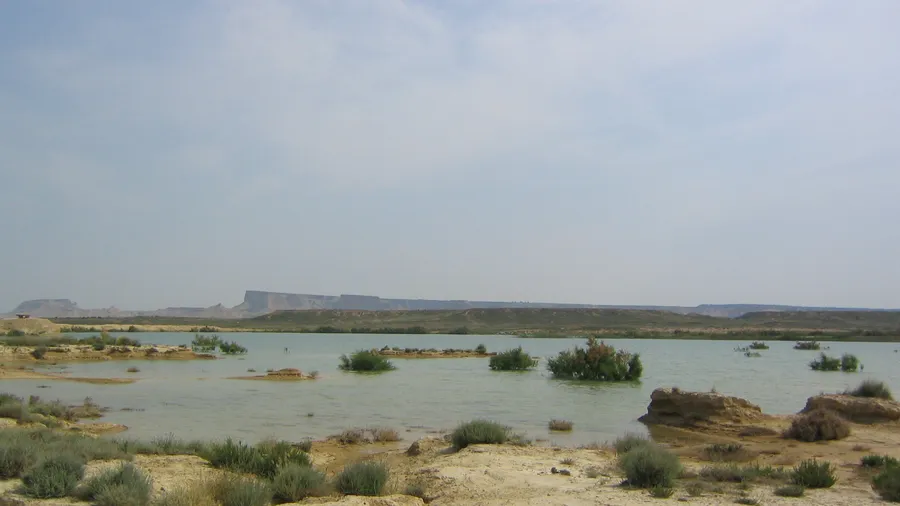
Why Navarre Is Your Outdoor Playground
Navarre packs forests, rivers, peaks and semi-desert into a compact, well-signposted territory. If you’re searching “active tourism Navarre,” you’ll find a region made for moving: hiking in Navarre ranges from family loops to alpine ascents, while bike routes roll through greenways and vineyard roads. One breeze off a beech forest and you’ll catch the cool scent of leaf litter and water. You’ll leave with a clear plan for where to go, how to get there, and which activities fit your level.
The land and climate that invite you out
From the Atlantic-flavoured Pyrenees to the lunar ribs of Bardenas Reales, Navarre offers four outdoor moods in less than 200 km north to south. The Irati Forest is among Europe’s largest beech–fir woods (around 17,000 ha), Urbasa–Andía is a high karst plateau with the Urederra spring, and the Ribera hosts the Ebro’s irrigated orchards and the stark badlands. Spring and autumn bring mild temperatures and stable weather; summer is warm to hot in the south but fresh in high valleys; winter is humid and cool in the north with snow above 1,400 m. This climatic gradient favors year‑round activity: go high for cool air in July, or walk canyons and badlands on clear winter days. For hiking in Navarre, trail conditions vary with season, so pack layers and check daily bulletins from the Government of Navarre before setting out.
What you’ll find here
You’ll get:
- Ten standout plans across forests, rivers and mountains with duration, difficulty and access.
- Practical how-tos: permits (Urederra, Irati parking), safety, and gear checklists.
- Where to sleep near trailheads: rural houses, hostels and campsites with sport-friendly services.
- Activity deep-dives: hiking, cycling/MTB, water sports and adventure.
- Zone-based itineraries by base (Pyrenees, Irati, Urbasa–Andía, Bardenas) for 1–3 days.
- FAQs and planning tips you can use today.
Picuco te puede ayudar
Does something here catch your eye?
Tell us.
Write to us on WhatsApp or email: we answer questions, find the best options and help you sort out the booking.
Escríbenos
Where It Is, When To Go, And How To Get There
Navarre sits in northern Spain between the Basque Country, Aragón, La Rioja and France, with Pamplona (Iruña) as its hub. You can reach Pamplona by road via AP-15 (from the Ebro valley) and A-15 (from the south), and from San Sebastián/Donostia via A-15 in about 1 h 10 min; from Bilbao in around 1 h 50 min; from Zaragoza in 1 h 45 min; and from Madrid in roughly 4 h 15 min by car. Renfe Alvia trains connect Pamplona with Madrid (about 3 h) and Barcelona (about 3 h 45 min), while Pamplona Airport (PNA), 6 km south of the city, offers domestic routes that change seasonally. Wind in the beech canopy often drops the temperature a couple of degrees as you step into shade.
Timing your visit depends on the activity:
- Spring (April–June): prime for rivers (rafting/kayak with snowmelt), green valleys, and comfortable hiking temps below 2,000 m.
- Summer (July–September): head to Pyrenean valleys for cool nights and alpine lakes; ride greenways early/late; avoid midday heat in Bardenas.
- Autumn (October–November): Irati Forest’s foliage is at its best; mushrooms appear (observe local rules); river levels drop for gentler paddling.
- Winter (December–March): crisp days for canyons and badlands; snow/ice require winter skills on high routes.
Internal mobility works best with a car if you want to link multiple remote trailheads in one trip. For public transport:
- Buses connect Pamplona to regional towns like Ochagavía (Irati access), Lumbier (fozes), Estella-Lizarra (Urederra area) and Tudela (Ribera), though weekend frequencies can be limited.
- The Plazaola Greenway starts near Pamplona and is cyclable out-and-back; consider a taxi for one-way rides.
- Bike rental and e‑bike hire are available in larger towns and near greenways; many shops offer helmet, lock and basic repair kits.
- In protected areas such as Bardenas Reales, motor access is limited to signed tracks; in Irati and Urederra, parking and entries may require prior reservation.
Weather shifts fast, particularly in the Pyrenees: check forecasts on the Government of Navarre’s meteorological services and avoid canyons or exposed ridges if storms are forecast. Carry paper maps or offline maps as rural coverage can be patchy, and tell someone your route and expected return.
Smart Stays For An Active Base: Rural Homes, Hostels And Campsites
A good base makes the difference between rushed days and relaxed, safe outings. In Navarre, you’ll find rural houses near trailheads, simple hostels on long routes, and well-equipped campsites for river or MTB weekends. The scent of woodsmoke drifting across a valley after dusk tells you dinner is near and boots can dry. Choose places that match your activity: early breakfasts for summit days, bike storage for greenway rides, or riverside plots for paddle mornings.
Rural houses and countryside stays
Rural houses work beautifully for families and groups thanks to kitchens, flexible schedules and space to spread gear. Look for:
- Location: near Irati access (Ochagavía, Orbaizeta), Urbasa–Andía edges (Olazti/Olazagutía, Zudaire), or Bardenas gateways (Tudela, Arguedas).
- Sport-friendly services: secure bike storage, hose/tap for washing, laundry, drying space and early/packed breakfast options.
- Booking tips: in foliage season (Irati, Oct–Nov) and spring bridges, reserve 4–6 weeks ahead; for summer Pyrenees weekends, earlier is safer.
- Orientation: hosts often know trail conditions and local norms (mushroom permits, grazing areas), adding real value for active tourism Navarre trips.
Price ranges vary with size and season; full-house rentals split between 4–8 people often match mid-range hotel costs. Confirm late check-in if you finish routes at sunset, and ask about quiet hours to respect local neighbors.
Hostels and mountain refuges
Hostels suit hikers and cyclists seeking simplicity, shared lounges and budgets that prioritize experiences over amenities. For senderismo en Navarra (hiking in Navarre), you’ll find pilgrim hostels along the Camino Francés (Roncesvalles–Zubiri–Pamplona) and simple lodgings in corridor towns like Lumbier, Aoiz and Leitza. Keep in mind:
- Comfort vs. price: dorms keep costs low; private rooms are limited, so book early in peak months.
- Shared-space etiquette: earplugs, eye mask and quick-drying towel improve sleep; pack light and store gear neatly.
- Long routes: the Camino de Santiago through Navarre is well serviced; other corridors (Plazaola Greenway, Arga River paths) offer fewer but adequate options.
- Services: check for bike racks, laundry, kitchen access and breakfast hours aligned with early starts.
In shoulder seasons, some hostels close midweek; always verify opening calendars and consider flexible cancellation in case of weather changes.
Campsites and motorhome areas
Campsites cluster around key areas like Urbasa–Andía, the Irati valleys and the Ribera (for Bardenas), and many welcome campervans. Prioritize:
- Facilities: hot showers, power points, gear wash areas, small shop or café, and quiet hours for rest.
- Activity fit: riverside access for paddling bases (spring), forest proximity for family shade (summer), and open plots with breeze for Ribera heat.
- Reservations: book ahead for long weekends and school holidays; outside peak, same-week bookings are often fine.
- Rules: respect fire bans, noise limits and grey-water disposal; protected areas enforce strict norms to prevent erosion and wildfire.
Some campsites also rent bungalows or pods, useful in shoulder seasons when nights are cold. For autocaravanas, municipal areas often provide 24–48 h stays; check local by-laws and avoid parking on fragile soils.
Ten Unmissable Outdoor Plans Across Forests, Rivers And Mountains
Navarre rewards planners with days that flow: a morning trail, a local lunch, and a short sunset loop. Use these ten plans as building blocks for a weekend or a weeklong route.
1.Irati Forest: classic walks through one of Europe’s best-preserved beech woods
Walk beneath beech and fir in the Selva de Irati on well-marked trails from Ochagavía (Irati Abodi area) or Orbaizeta (Irabia reservoir). To protect soils and wildlife, parking is limited at busy trailheads and may require payment or reservation in peak foliage weekends. You’ll hear water murmuring under bridges as leaves filter the light. In mushroom season, follow local rules: baskets only, daily limits and respect for private land.
- Start points: Ochagavía (Casas de Irati), Orbaizeta (Embalse de Irabia).
- Route ideas:
- Family: Irabia lakeside loop, 6–8 km, mostly flat, 2–3 h.
- Panoramic:
PR-NAto Abodi ridge, 10–12 km, 500–700 m gain, 4–5 h.
- Difficulty: easy to moderate.
- Best time: May–June and Sept–Nov; mornings in October for foliage.
- Practical: Arrive early for parking; carry layers (cool understory), and avoid off‑trail shortcuts to protect undergrowth.
2.Urederra Spring: turquoise pools and a shaded circular path
The Nacedero del Urederra is the “born” of the Urederra River, with travertine terraces and bright turquoise pools protected within Urbasa–Andía. Access from Baquedano requires free online reservation on busy days to control impact; check the Government of Navarre booking system before you go. Sun shards dapple the water like coins scattered on limestone. The path is compacted earth with some roots and steps, suitable for families with trail shoes.
- Start point: Baquedano village car park (reservation often required).
- Route: Signed circular to main viewpoints, 6–7 km total, 2–3 h with stops.
- Difficulty: easy.
- Best time: April–June and Sept–Nov; avoid midday in summer and rainy spells that can close the path.
- Practical: Wear non-slip footwear; drones and swimming are forbidden; go early or late to avoid peak crowds.
3.Bardenas Reales: 4x4 tracks, Mtb loops and lunar viewpoints
Bardenas Reales, a UNESCO Biosphere Reserve, offers designated tracks across clay, gypsum and sandstone badlands. Cyclists can ride the 34 km “Cabezas” loop on compact dirt, while photographers love Castildetierra at golden hour. Heat builds quickly here, and loose soils turn slick after rain. Dust rises off your wheels like breath on a cold morning.
- Access: Entrances near Arguedas, Tudela and Aguilares; check opening hours and closures at the park information center.
- Modes:
- MTB: Cabezas route, 34 km, minimal gain, 2–3 h; gravel/MTB recommended.
- 4x4: Allowed only on signed tracks at low speed; never leave tracks.
- Difficulty: easy to moderate (exposure to sun and wind is the main challenge).
- Best time: Oct–April; start at sunrise in warmer months.
- Practical: Carry 2 L water/person, sun protection, and avoid clay tracks after rainfall; drones restricted.
4.Urbasa–andía: panoramic edges, karst meadows and birdwatching
The Urbasa–Andía plateau sits around 1,000–1,200 m with meadows, beech groves and limestone edges overlooking the Urederra valley. Families can stroll from the balcony of Ubaba (Mirador de Pilatos) or explore short loops to sinkholes and pastures. A kestrel’s call hangs over the cliffs while clouds drift at eye level. It connects naturally to a Urederra morning or Estella’s historic core for lunch.
- Access: A-10 to Olazagutía/Olazti, NA-718 across Urbasa; parking at miradors and recreation areas.
- Routes:
- Family: Mirador de Pilatos out-and-back, 3–4 km, minimal gain, 1–1.5 h.
- Moderate: Karst meadows circuit, 8–10 km, 200–300 m gain, 3–4 h.
- Difficulty: easy to moderate.
- Best time: May–July (flowers), Sept–Oct (clear air).
- Practical: Fog is common; carry GPS/offline maps on the open karst and respect grazing livestock.
5.Navarrese Pyrenees: summits, lakes and glacial valleys in Roncal and Aezkoa
The Pyrenees here mix grassy ridges with rocky tops and small mountain lakes, offering family meadows and technical ascents. In Roncal, consider Belauntza meadows or push higher to Ezkaurre; in Aezkoa, ridge routes above Orbaitzeta reward with wide views. Wind stiffens on crests as cowbells pulse in the valleys below. Hire local guides for higher scrambles or snow travel if you’re new to alpine routes.
- Bases: Isaba, Ochagavía, Orbaizeta.
- Route ideas:
- Family: Belagua valley paths, 5–8 km, 150–250 m gain, 2–3 h.
- Technical: Ezkaurre (2,045 m), 12–14 km, 1,000 m gain, 6–7 h.
- Difficulty: easy to challenging.
- Best time: June–September for high routes; autumn for calm weather; winter only with proper skills/gear.
- Practical: Carry layers, map/compass or GPS, and start early to avoid afternoon storms.
6.Lumbier and Arbayún Gorges: canyon walks and raptor watching
The Foz de Lumbier offers a straight, family-friendly path through an old railway tunnel beside the turquoise Irati River, while the Foz de Arbayún opens in a grand, V‑shaped canyon best viewed from Iso viewpoint. Griffon vultures circle on thermals, folding shadows on the limestone walls. Trail closures can occur for nesting or rockfall—check local notices.
- Access: Lumbier (NA-150), paid parking near trail; Arbayún viewpoint on NA-178.
- Routes:
- Lumbier: 5–6 km out-and-back, flat, 1.5–2 h; bring headlamp for tunnels.
- Arbayún: Short viewpoint stop; nearby PR paths offer longer walks.
- Difficulty: easy.
- Best time: year-round, avoiding peak heat; spring for birds, autumn for calm light.
- Practical: Stay on paths, respect nesting closures, and keep noise low to benefit wildlife viewing.
7.Plazaola Greenway: cycling through forests and industrial heritage
The Vía Verde del Plazaola repurposes the old railway between Pamplona and the Basque border, offering compacted-gravel cycling with gentle grades ideal for families. Long tunnels require lights and warm layers; closures vary, so verify the current open sections. Moist air in the tunnels cools cheeks even on a warm day. Consider one-way rides with a taxi return for kids.
- Start/segments: From Pamplona toward Leitza/Leitza via Lekunberri; Navarre section roughly 40–45 km depending on closures.
- Surface/grade: Compacted gravel, low traffic; mostly gentle railway gradients.
- Difficulty: easy to moderate (distance); suitable for hybrids/MTB/e‑bikes.
- Best time: spring–autumn; avoid after heavy rain.
- Practical: Carry lights for tunnels (some 1–2 km), reserve bikes/e‑bikes in advance, and pack snacks—services are spaced.
8.Wine Route rides: easy bike days between vineyards and villages
South and central Navarre host rolling vineyard roads around Olite/Erriberri and Estella-Lizarra, perfect for low‑traffic bike loops that pair pedaling with tastings. Book cellar visits and designate a driver or keep tastings minimal if you’re riding. Sun‑warmed thyme and vine leaves scent the verges of quiet lanes. Gravel bikes shine on linking tracks; families can shorten loops.
- Bases: Olite, Estella-Lizarra, Puente la Reina/Gares.
- Routes:
- Family: 15–25 km loops on minor roads around Olite’s castle.
- Moderate: 40–60 km vineyard and river loops with 300–800 m gain.
- Difficulty: easy to moderate.
- Best time: March–June and Sept–Nov.
- Practical: Reserve winery visits, carry a small lock, and ask accommodations about bike storage and laundry.
9.Rafting in Navarre: river sections, safety and booking tips
Spring snowmelt feeds fun grade II–III rafting in Navarre on sections of the Irati, Esca and upper Aragón rivers, with guided descents in small rafts or inflatable kayaks. Certified operators supply wetsuits, PFDs and helmets, and brief you on paddle commands and river safety. Cold spray on your cheeks wakes senses long before coffee would. Min ages vary by flow and section—often 8–12 for family runs, higher for rougher water.
- Seasons: March–June (variable by rain/snowpack); occasional autumn flows after rains.
- Difficulty: family II to sporty III; guides assess on the day.
- Duration: 1.5–3 h on water plus briefing.
- Practical: Book 3–7 days ahead in spring weekends; bring swimwear and towel; medical conditions must be disclosed.
- Note: Search “rafting Navarre” on Picuco to compare sections, difficulty and ages with verified providers; confirm final prices and meeting points.
10.Pamplona and peri-urban trails: Camino and Arga river paths
Base in Pamplona to blend culture with easy walking or cycling: the Camino Francés enters from the Pyrenees via Roncesvalles and Zubiri, while the Arga River path offers flat kilometers beside willows and city parks. Footsteps on old stone streets echo after festival days, then fade into riverside birdsong. You can walk a Camino stage into or out of the city, or ride a gentle loop linking bridges and neighborhoods.
- Starts: Arga Green Belt entries across the city; Camino waymarks from Cizur Menor or Villava/Atarrabia.
- Routes:
- Family: 6–12 km riverside segments; flat, multiple exit points.
- Camino day: Zubiri–Pamplona, ~20 km, 4–6 h; or Pamplona–Puente la Reina, ~24 km.
- Difficulty: easy to moderate (distance).
- Best time: year-round; spring/autumn for comfort.
- Practical: Use public transport for one‑way plans; sample pintxos after your loop and check museum hours around your schedule.
Activities And Routes: Hiking, Bikes, Water And Adventure
Choose your activity days like you’d pack a backpack: balanced, layered, and with room for weather. Here’s how to pick routes, plan time and use local resources confidently.
Hiking in Navarre: route grades, signs and must-do trails
Start with clear grading. Family routes stay under 300 m ascent and 8–10 km; moderate days push to 500–900 m and 12–18 km; technical outings add steep, exposed or unmarked sections and can exceed 1,000 m ascent. Waymarking follows Spanish standards: GR (long-distance) in red/white, PR (short) in yellow/white, SL (local) in green/white. A single breeze through beech leaves can flip a warm day to cool shade, so layer smart. Essential apps include IGN Spain (MTN50/25 maps), Wikiloc or Mapy.cz for offline tracks; always compare user tracks with official signage.
Must-do examples:
- Irati Forest: Irabia loop (
PR-NAvariants), family-friendly. - Urbasa–Andía: Mirador de Pilatos and karst loops.
- Urederra Spring: signed circular from Baquedano (reservation as needed).
- Pyrenees: Ezkaurre for a challenge; Belagua meadows for a relaxed day.
- Canyons: Foz de Lumbier rail path; Arbayún viewpoints plus short PRs.
Plan for daylight: in summer, start early to beat heat and storms; in autumn, leaf‑watching crowds mean earlier trailheads and alternative loops in the same area.
Cycling and Mtb: greenways, road passes and safety basics
The Plazaola Greenway is the flagship for families and leisurely riders with its low gradients and forest shade; bring lights for long tunnels and a shell for cool air. Gravel and MTB riders can link Plazaola segments with forest tracks near Leitza for wilder loops. Road cyclists will find quiet climbs like Belate or Remendia and rolling vineyard terrain in the south. Chain squeaks and soft tires multiply effort; 10 minutes of pre‑ride checks save hours on the roadside.
Essentials:
- Bikes: hybrids/MTB for greenways; gravel/MTB for mixed; road bikes for passes.
- Gear: helmet, lights, 2 tubes/sealant, mini‑pump/CO2, multitool, chainlink, and a charged phone.
- Rentals: available in Pamplona, along greenways and in key towns; reserve e‑bikes in peak weekends.
- Logistics: ask about bike storage at stays; buses sometimes take bikes if pre‑arranged; taxis can shuttle for one‑way rides.
Skills and route choice:
- Family: 10–25 km on greenways or vineyard lanes.
- Intermediate: 30–60 km with 300–900 m gain (Plazaola + lanes).
- Advanced: 80–120 km road loops with multiple passes in the Pyrenees.
Water activities and rafting Navarre
In spring, Navarre’s rivers swell with snowmelt, offering grade II–III rafting and inflatable‑kayak descents suitable for beginners with guides. Operators provide neoprene suits, PFDs and helmets, plus safety briefings and river commands. The cool strike of river spray resets your senses even under a warm sun. Choose sections by confidence and flow; guides adapt routes daily.
Tips:
- When: March–June primarily; autumn runs after rains are possible.
- Who: families with kids 8+ on gentle sections; sporty adults on higher flows.
- What to bring: swimsuit, towel, strap for glasses, dry clothes; avoid cotton layers under wetsuits.
- Booking: 3–7 days in advance for weekends; confirm meeting points and ages; ask about photos and transport.
- Safety: choose certified guides, listen closely to commands, and disclose medical conditions.
Flatwater kayaking or SUP may be possible on reservoirs outside protected no‑nav zones—verify local rules, as some waters prohibit boating to protect habitats.
Climbing, via ferratas and other adventure
Navarre’s limestone offers established sport climbing, especially around Etxauri near Pamplona, with hundreds of bolted lines across grades. Vías ferratas—protected routes with steel cable and rungs—exist in the wider Pre‑Pyrenean belt; check current availability and closures with local councils or guide services, as access rules can change. Warm rock under your fingertips contrasts with a north breeze brushing the cliff edge. If you’re new, hire a certified guide to learn anchors, belaying and movement.
Safety and gear:
- Climbing: helmet, harness, belay device, dynamic rope, quickdraws; helmets are non‑negotiable in limestone terrain.
- Via ferrata: certified lanyard set with energy absorber, helmet, harness, grippy gloves; minimum height/age often apply.
- Seasons: spring and autumn shine; summer shade or altitude; winter on south faces in calm spells.
- Etiquette: park considerately, keep noise low in villages, pack out waste, and respect nesting closures.
Combine adventure days with nearby hikes: a short ridge walk before a crag afternoon, or a canyon viewpoint stop after a morning ferrata, leaving room for a hearty village meal.
Plan By Area: Pyrenees, Irati, Urbasa–andía And Bardenas
Organizing by base cuts travel time and builds rhythm into your trip. Mornings move; afternoons linger; evenings belong to local kitchens. The smell of grilled lamb and woodfire in a Pyrenean village can turn a good day into a perfect one.
Pyrenean Navarre: bases, routes and best times
Base yourself in Isaba (Roncal), Ochagavía (Salazar) or Orbaitzeta (Aezkoa) to reach meadows, lakes and summits within 20–40 minutes. For a one‑day plan, walk Belagua meadows with a picnic and add a short ridge for views; for a weekend, pair a family day with a moderate ascent like Orhi or a long lake loop if snow-free. Weather shifts quickly; mornings are calmer, afternoons can build convection with showers or fog rolling over cols.
- Typical 2‑day rhythm:
- Day 1: Family loop (5–8 km) + cheese tasting in a local dairy.
- Day 2: Moderate summit (800–1,000 m gain) with early start; recovery swim in a river pool in the afternoon.
- When to go: June–September for high routes; May/October for lower ridges and quieter valleys.
- Logistics: carry cash in small villages, fuel up in valley towns, and check road conditions to high passes after storms.
Irati Forest and neighboring valleys
Choose Ochagavía or Orbaizeta to access different Irati trailheads, and fold in side trips to Roncal or Aezkoa viewpoints. In foliage season, arrive early, use authorized parking, and consider lesser‑known loops if main lots are full. Boots thud softly on damp beech leaves as light pools beneath the canopy.
- 1–3 day ideas:
- Day 1: Irabia lake loop (family) + viewpoint stop.
- Day 2: Abodi ridge (moderate) + hamlets walk in Aezkoa.
- Day 3: Roncal visit + meadow loop or short canyon walk en route back.
- Preserve the forest: keep to signed paths, avoid loud music, and pack out all waste. In mushroom season, observe local limits and be mindful that some grounds are private.
Urbasa–andía and the Urederra spring: easy nature escapes
Urbasa–Andía is perfect for gentle panoramic walks with kids and picnics among juniper and beech, combined with the Urederra spring. Fog can blanket the plateau, so keep flexible: if visibility drops, swap to a lower river route or Estella’s monuments. The plateau breeze carries a mix of resin and limestone dust across open meadows.
- 1–2 day ideas:
- Day 1: Mirador de Pilatos + karst loop; lunch in a village like Zudaire.
- Day 2: Urederra spring circular (reservation often required); add a short Urbasa grove loop if time allows.
- Tips: check the Urederra booking system days ahead in peak season, avoid swims (forbidden), and bring layers for the plateau even on sunny days.
Bardenas Reales and the Ribera: routes and recommendations
Use Tudela or Arguedas as your base to visit Bardenas at sunrise or late afternoon, then fill middays with shaded town strolls or Ebro riverbanks. Respect speed limits and stay on signed tracks; after rain, closures protect fragile soils. Heat shimmers above the clay spines like a mirage on summer afternoons.
- 1–2 day ideas:
- Day 1: Early MTB or 4x4 loop to Castildetierra and Cabezas circuit; lunch in Tudela’s market and an evening walk among orchards.
- Day 2: Short canyon viewpoint stops + vineyard loop on quiet roads; siesta hours for rest.
- Responsible visiting: bring extra water, keep drones grounded where restricted, and avoid stepping on biological soil crusts that anchor the ecosystem.
Essential Know-how: Permits, Safety, Gear And Faqs
A smooth trip comes from knowing what’s regulated, planning for the unexpected, and packing only what works. The snap of a dry buckle and the rustle of a map can be the calm before a great day.
Permits, reservations and local rules
Some highlights regulate access to protect fragile environments and manage parking. The Urederra spring often requires advance, time-slotted booking from Baquedano, especially on weekends and holidays; print or save the confirmation offline. In the Selva de Irati, parking is capped at trailheads during peak foliage—arrive early, use designated lots, and carry change or card for fees where applicable. Bardenas Reales restricts vehicles to signed tracks and may close areas after rain or for military activity; check notices at the visitor center.
- Before you go:
- Verify current rules on the Government of Navarre’s official portals or local tourism offices.
- Confirm seasonal wildlife closures in canyons and cliffs.
- Respect private land and livestock; close gates, keep dogs leashed, and yield to farm vehicles.
Safety and first aid outdoors
Good decisions beat good gear. Plan your route, share your itinerary and latest return time, and start early to leave margin for weather or pace. Carry a charged phone in a dry bag, but assume patchy coverage; add a paper map or offline map and a small headlamp even for day hikes. The metallic scent of ozone on the wind means storms—descend from ridges and avoid canyons if thunder is forecast.
- Essentials:
- Mini first-aid kit: blister care, bandage, disinfectant, pain reliever, space blanket.
- Layers: base (synthetic/merino), insulating mid, wind/rain shell, hat and gloves in shoulder seasons.
- Hydration and calories: 0.5–1 L per hour depending on heat; salty snacks plus slow-release carbs.
- Emergencies: Call 112 with clear details (location, number in group, injuries); stay put if injured unless moving is safer. For technical activities, hire certified guides who carry group safety gear and know local escape routes.
Must-have gear by activity
Pack only what helps you move safely and enjoy the day:
- Hiking:
- Footwear: trail shoes/boots with grip; trekking poles for knees and balance.
- Navigation: map/compass or GPS app with offline maps; power bank.
- Extras: sun protection, 1–2 L water, small repair tape, light gloves in shoulder seasons.
- Cycling/MTB:
- Helmet, lights, multitool, spare tubes/sealant, mini‑pump, chainlink.
- Clothing: padded shorts, wind shell, gloves; reflective item for tunnels/roads.
- Security: lock for café stops; check bolts and tire pressure daily.
- Water/rafting:
- Provided: wetsuit, PFD, helmet; verify sizes when booking.
- Bring: swimsuit, towel, strap for glasses, synthetic top; avoid cotton.
- Mountain/adventure:
- Climbing kit or via ferrata set with energy absorber; always wear a helmet.
- Small first-aid kit and emergency blanket; whistle and headlamp.
Rentals are available near greenways and hubs; for families, consider e‑bikes to equalize abilities and keep days fun.
Sustainability and good practice
Your footprints are your signature—make them light. Stick to signed paths to prevent erosion, pack out all waste (including fruit peels and tissues), and keep noise low, especially in canyons and villages. A lizard sunning on a rock will stay put if you pass calmly. Share transport when you can, refill bottles at fountains where potable, and choose local, seasonal food to support communities. In protected areas, drones are often restricted and swimming may be banned (Urederra); livestock has priority on tracks—slow down, give space, and close gates carefully. Look for local initiatives—village cooperatives, shepherd dairies, community forests—and invest a little of your trip budget there.
Frequently asked questions
Do I need a guide for the Irati Forest?
Not for the main signed routes, which are well waymarked and graded; a map or GPS app is still wise. For off‑trail navigation or winter routes, hire a certified local guide.
How do I book access to the Urederra spring?
When reservations are active, you must book a time slot for Baquedano parking via the official Government of Navarre system. Save the confirmation offline and arrive on time.
When is the best time to visit Bardenas Reales?
October to April offers cool, clear air and fewer closures. In warmer months, start at sunrise, carry 2 L water per person, and respect closures after rain to protect fragile soils.
Where can I try rafting in Navarre?
In spring, sections of the Irati, Esca and upper Aragón rivers host guided grade II–III runs. Search rafting Navarre on Picuco to compare family and sporty descents with verified operators.
Is public transport enough for active tourism Navarre?
You can reach many bases by bus and link greenways or river paths, but a car gives more flexibility for remote trailheads. Mix buses with taxis for one‑way hikes or rides.
How hard is hiking in Navarre for families?
Plenty of routes fit families: Urederra’s loop, Lumbier’s canyon path, and Plazaola segments. Keep elevation gain under 300 m, choose 6–10 km loops, and start early to avoid heat and crowds.
Book your experience — discover active tourism across Spain with Picuco-verified providers.
Conclusion: Plan Your Active Escape
Navarre condenses the best of outdoor Spain into a region where distances are short, signage is clear, and choices match every level. You can stroll turquoise pools at Urederra, cycle the Plazaola’s easy grades, or stand on a Pyrenean ridge with Roncal’s valleys below—all in a long weekend if you plan well. The crunch of gravel underfoot and the scent of beech, thyme or clay will tie each day to a place and a community that has shaped it for centuries.
Pick a base that fits your plan—Pyrenees for cool nights, Irati for forests, Urbasa–Andía for easy vistas, Bardenas for winter light—and stitch 1–3 day routes with time slack for weather and village stops. Book regulated entries (Urederra, Irati parking in peak foliage) ahead of time, choose early starts, and pack only what adds comfort and safety. For families, blend short loops with picnic meadows and playground towns; for cyclists, use bike‑friendly stays and consider e‑bikes to keep groups together; for paddlers or climbers, trust certified guides who know the day’s conditions.
Take this guide as your map to move with purpose: choose two plans you’ll do rain or shine, one you’ll save for perfect weather, and a shared meal you won’t skip. Then come back in another season to watch the colors, flows and trails change, because active trips in Navarre reward repeat visits and thoughtful planning.