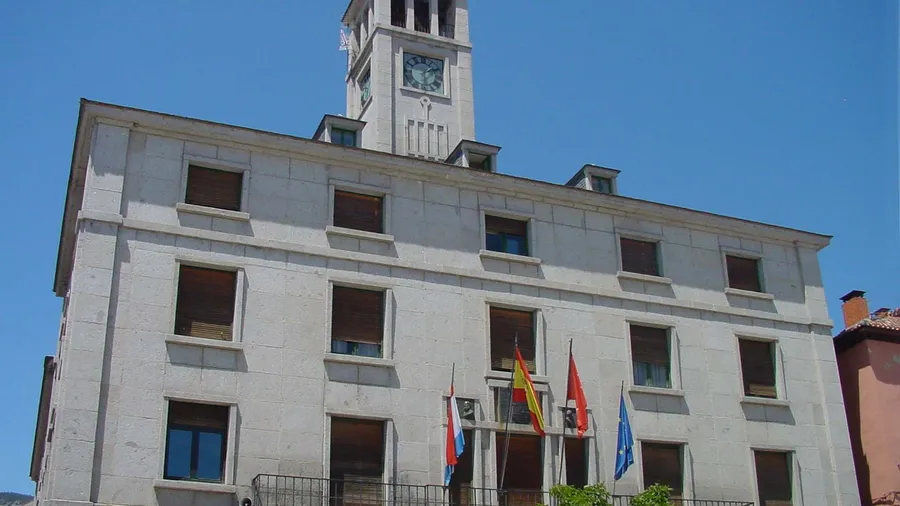
San Lorenzo de El Escorial
Highlights
- • UNESCO World Heritage since 1984
- • Royal Monastery: palace + basilica + pantheon + library
- • Real Coliseo de Carlos III: one of Spain's oldest theatres
- • Seat of Philip II: natural viewpoint over the monastery
- • 47 km from Madrid with commuter train
Description
Key Information
Visit Duration
4-6 hours
Related Destinations

Guide
Essential information for visiting San Lorenzo de El Escorial
Location
Practical Information
- Visit Duration
- 4-6 hours
Historical Facts
The Royal Monastery was commissioned by Philip II between 1563 and 1584 to commemorate victory at the Battle of Saint-Quentin. Chief architect: Juan de Herrera. Declared World Heritage in 1984.
Gallery
Photos and images of San Lorenzo de El Escorial
Frequently Asked Questions
Get answers about San Lorenzo de El Escorial
How to get there from Madrid?
By Cercanias train line C-3 from Atocha (1h) or by car via A-6 and M-600 (45 min). Public parking next to the monastery.
How much is the monastery entrance?
General admission EUR 12. Reduced for seniors, students and large families. Free Wednesday and Sunday afternoons for EU citizens.
What else besides the monastery?
The Seat of Philip II (viewpoint, 2 km walk), the Friars' Garden, the Prince's Cottage, and strolling the historic centre with its granite manor houses.