Highlights

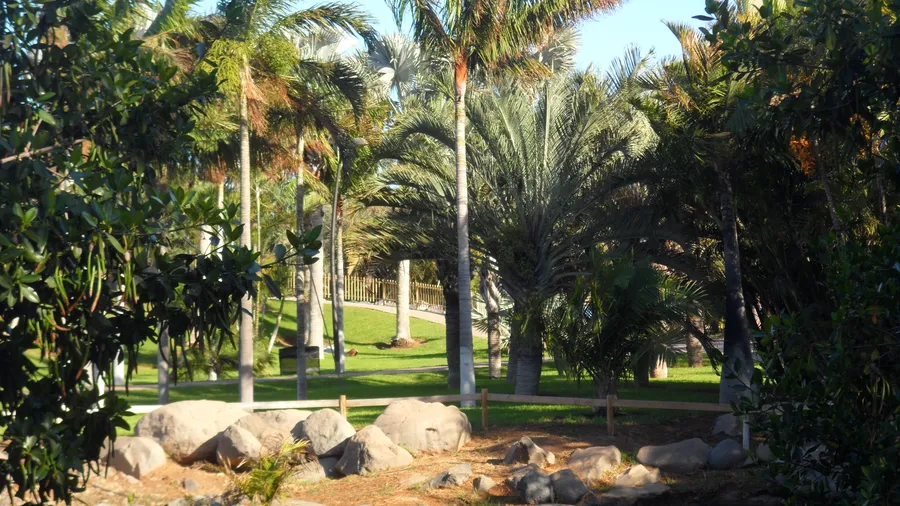
  • • Over 600 palm species from around the world
  • • Located on a former municipal landfill
  • • Thematic zones recreating tropical ecosystems
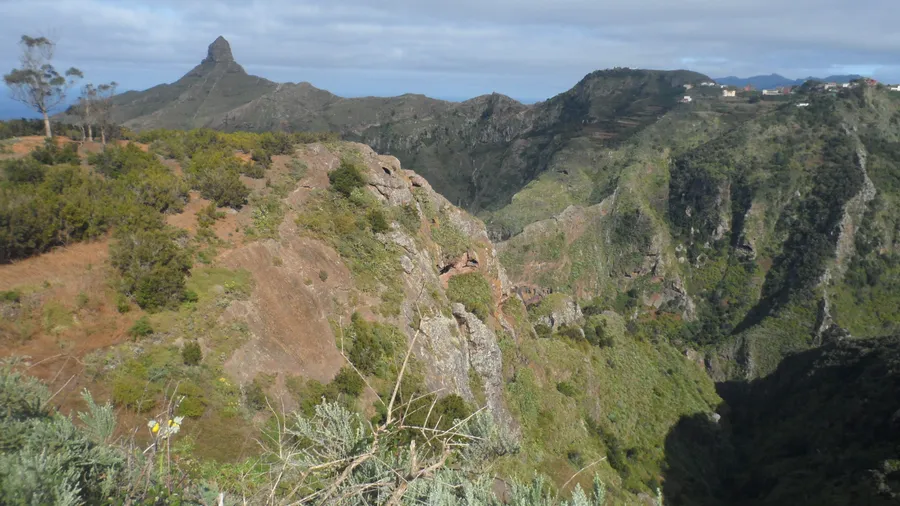
  • • Panoramic views of the Atlantic Ocean
  • • Accessible for people with reduced mobility
  • • Free entry for all visitors

Description

The Palmetum of Santa Cruz de Tenerife is a botanical garden specializing in palm trees, located in the city of Santa Cruz on the island of Tenerife, Canary Islands. This green space extends over a former municipal landfill, transformed into a natural environment dedicated to the conservation and display of various palm species. Its design combines environmental recovery with botany, offering a tour through more than 600 species and varieties of palms from different regions of the world.

As you stroll through the Palmetum, you can observe palms of different sizes and shapes, some of great rarity and scientific value. The garden is organized into thematic areas representing different tropical and subtropical ecosystems, with paths that allow you to appreciate the plant diversity and the integration of the space with views of the Atlantic Ocean and the city. Besides palms, the garden hosts other tropical plants and features rest areas and viewpoints.

The Palmetum project began in the 1990s as an initiative to reclaim an abandoned landfill and turn it into a public space of environmental and cultural value. Since then, it has grown to become one of the most important palm gardens in Europe, focusing on conservation, research, and environmental education. Its location in Tenerife, an island with a favorable climate for subtropical species, facilitates the development of this type of flora.

For visiting the Palmetum, it is recommended to wear comfortable footwear for walking its paths and sun protection, as some areas are exposed to the sun. Entry is free, and the garden is accessible for people with reduced mobility. It is a suitable place for families, botany lovers, and anyone interested in nature and the Canarian landscape. The estimated time for a full visit is 2 to 3 hours.

Key Information

Visit Duration

2-3 hours

Recommended Seasons

Spring, Autumn

Pricing

Free

Accessibility

High

Kid-Friendly Pet-Friendly No Booking Required

Related Destinations

Guide

Essential information for visiting Palmetum of Santa Cruz de Tenerife

Location
Practical Information
Pricing
Free
Visit Duration
2-3 hours
Features & Services
  • Accessibility:High
  • Kid-Friendly:Yes
  • Pet-Friendly:No
  • Booking:No Booking Required
Planning Information

Recommended Seasons

Spring · Autumn

Best Time to Visit

The best time to visit the Palmetum is during spring and autumn, when the weather is milder and pleasant for walking its outdoor paths.

Visitor Tips

Visit the Palmetum wearing comfortable shoes and sun protection, especially in summer. Use shaded areas to rest and bring water to stay hydrated. Follow guidelines to avoid damaging plants and keep noise to a minimum to preserve the tranquility. If interested in botany, consider bringing a guidebook or downloading information beforehand to enrich your experience.

Historical Facts

The Palmetum was inaugurated in 2014 after decades of work transforming a municipal landfill into a botanical garden. This project reflects a commitment to environmental recovery and plant species conservation, becoming a benchmark in the Canary Islands and Europe.

Frequently Asked Questions

Get answers about Palmetum of Santa Cruz de Tenerife

Hours may vary; it is recommended to check the official website or visitor center before your visit.
Pets are not allowed to protect the garden's flora and fauna.
Yes, the Palmetum is an educational and safe space for families with children.
Yes, there are designated areas to rest and enjoy the natural surroundings.