Via Ferrata in Aragon: Vertical Adventure in the Pyrenees
Via Ferrata in Aragon: Vertical Adventure in the Pyrenees
Ready to climb the most stunning landscapes of Aragon? Discover the thrill of via ferratas, a vertical adventure combining hiking and climbing, ideal for all levels. Secure your spot and live an unforgettable experience!

All year round

Via Ferrata in Aragon: Vertical Adventure in the Pyrenees

Discover the Thrill of Via Ferratas in Aragon

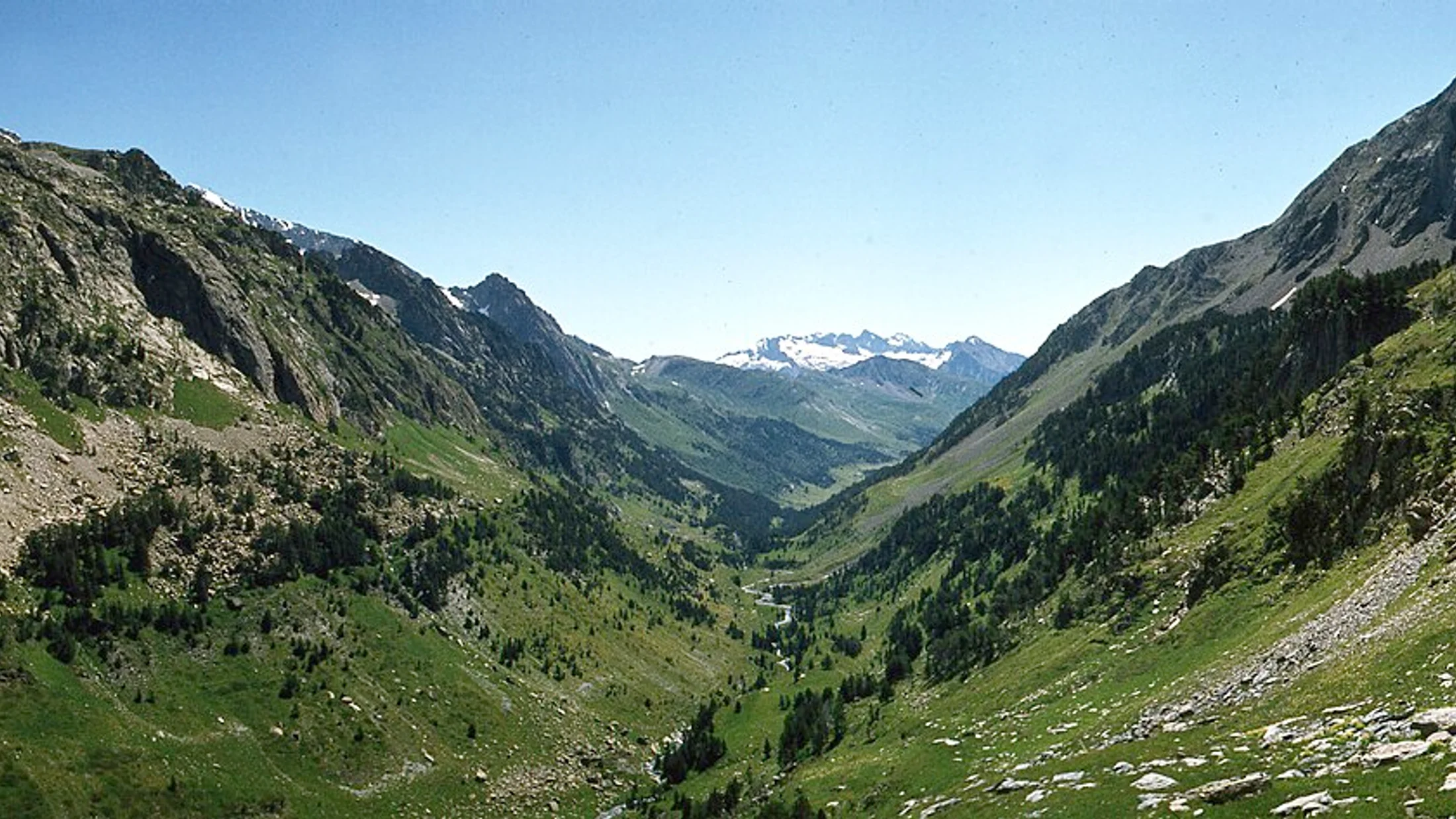
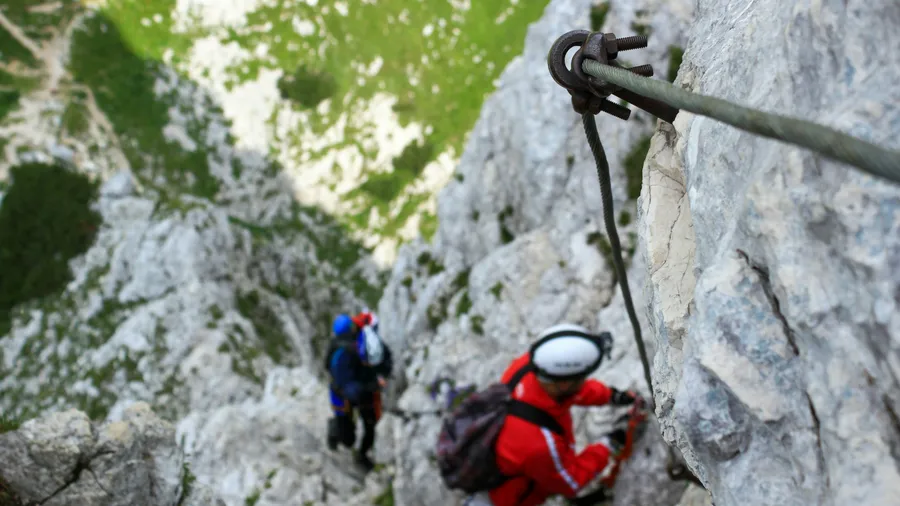
Aragon, with its spectacular geography marked by the Pyrenees and its pre-Pyrenean mountain ranges, stands as a paradise for vertical adventure enthusiasts. Via ferratas in Aragon offer a unique and exciting way to explore its imposing landscapes, combining the adrenaline of climbing with the safety of an equipped route. From the heights, you'll be able to contemplate deep valleys, majestic peaks, and wild nature that will leave you breathless. It's an accessible activity for almost everyone, thanks to the safety cables, steps, and bridges that facilitate progress, allowing both beginners and experts to enjoy the mountains in a different way.

The diversity of routes is one of the great attractions of via ferratas in Aragon. You'll find everything from itineraries designed for beginners, with gentle slopes and little exposure, to more demanding routes that will test your endurance and your fear of heights. Areas like the Sierra y Cañones de Guara Natural Park or the Tena and Ordesa valleys are home to some of the most emblematic via ferratas, offering breathtaking panoramic views and a deep connection with the natural environment. It's not just a physical challenge, but also a mental experience that connects you with nature and allows you to overcome your own limits.

Why do a Via Ferrata in Aragon with a guide?

Although via ferratas are equipped with safety elements, the mountains always involve risks. Having a professional guide for your via ferrata adventure in Aragon not only guarantees your safety but also greatly enriches the experience. Local guides know the terrain, weather conditions, and details of each route perfectly, selecting the most suitable one for your level and expectations. They will provide you with approved technical equipment (harness, lanyards, helmet) and teach you progression and safety techniques, ensuring you enjoy yourself to the fullest without worries. In addition, they will share with you knowledge about the flora, fauna, and geology of the region, transforming a simple climb into a cultural and natural immersion.

  • Guaranteed safety: Guides are experts in rescue and first aid.
  • Local knowledge: Discover the secrets of each via ferrata and its surroundings.
  • Approved equipment: They provide all the necessary equipment in perfect condition.
  • Learning: Acquire the correct techniques to progress safely.
  • Personalized experience: They adapt the route to your level and preferences.

Highlights

  • • Aragon has over 30 via ferratas, ranging from K1 (easy) to K6 (very difficult).
  • • The Sorrosal Via Ferrata (Broto) is one of the most spectacular, featuring a 100m waterfall.
  • • The Barranco de Olvena Via Ferrata is the longest in Aragon, with aerial sections and bridges.
  • • The Sierra y Cañones de Guara Natural Park concentrates a wide variety of via ferratas.
  • • Some via ferratas in Aragon reach elevation gains of up to 500 meters.
  • • The average summer temperature in the Aragonese Pyrenees ranges between 15-25°C (59-77°F).

Practical Information

What to bring

  • Comfortable clothing suitable for the season (layers, windbreaker).
  • Mountain footwear with good grip (boots or trekking shoes).
  • Small backpack with water (minimum 1.5L), some food (fruit, energy bars).
  • Sun protection (sunscreen, sunglasses, hat).
  • Gloves (cycling type or specific for via ferrata) to protect your hands.
  • Camera or mobile phone (with protective case) to capture the landscapes.
  • If you have them, your own harness, lanyards, and helmet (otherwise, the guide will provide them).

Best time of year

Via ferratas in Aragon are enjoyable mainly from spring to autumn. Spring (April-June) offers mild weather and blooming landscapes, while autumn (September-November) provides spectacular colors and cool temperatures. In summer (July-August), it is preferable to choose higher altitude via ferratas or do the activity early in the morning to avoid the heat. Some low-altitude via ferratas may be practicable in winter on sunny days, but high mountain ones are usually covered in snow and ice.

Required level

There are via ferratas for all levels of experience and physical condition in Aragon. From introductory itineraries (K1-K2) suitable for families and beginners, which require moderate physical fitness and no severe fear of heights, to very demanding routes (K5-K6) for experts with good physical fitness, previous experience, and tolerance to heights and exposure. It is always advisable to start at a low level and progress. If you have doubts, consult a professional guide to advise you on the most suitable route.

Via Ferrata in Aragon: Vertical Adventure in the Pyrenees

Las mejores experiencias disponibles

19

Frequently Asked Questions

Resolvemos tus dudas sobre Via Ferrata in Aragon: Vertical Adventure in the Pyrenees

There are via ferratas for all levels, from K1 (beginner) which requires no prior experience and is suitable for children, to K6 (expert). A basic physical level and not having an extreme fear of heights is usually sufficient for the easy levels.
No, previous climbing experience is not necessary. Via ferratas are equipped with life cables and steps that facilitate progression. Guides will teach you the basic safety techniques and equipment use.
The basic equipment includes a climbing harness, a specific energy absorber for via ferratas, a helmet, and gloves. It is essential that all equipment is approved and in good condition. If you book with a guide, they will provide it.
Spring and autumn are usually the best times, with pleasant temperatures and spectacular landscapes. Summer is also viable, especially at higher altitudes, although it's best to avoid the middle of the day due to heat. In winter, some via ferratas may be inaccessible due to snow or ice.

Related Articles