The essentials of Valle del Trubia

  • • 29.1 km Senda del Oso greenway on a former mining railway, family-friendly
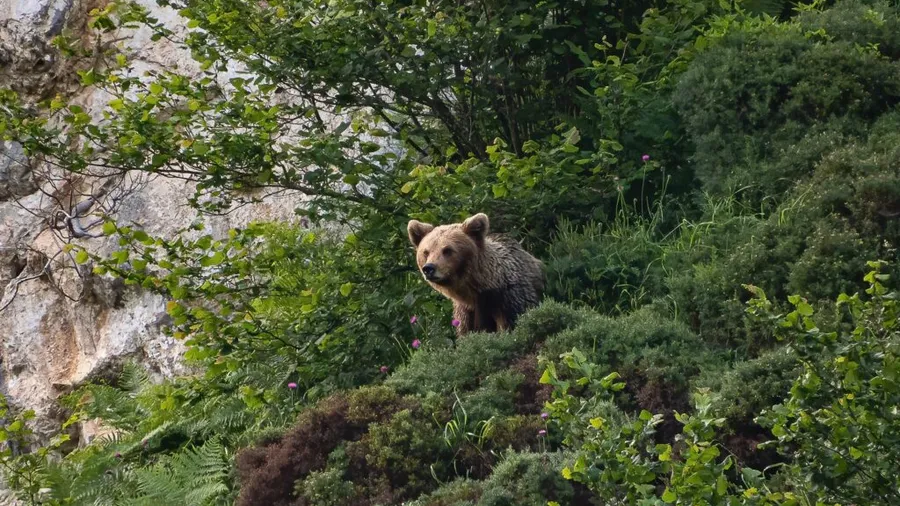
  • • Cantabrian brown bear enclosure with Paca and Molina in Proaza
  • • Medieval Bandujo with defensive tower, pre-Romanesque church and wooden hórreos
  • • Teverga Prehistory Park displaying Palaeolithic cave art reproductions
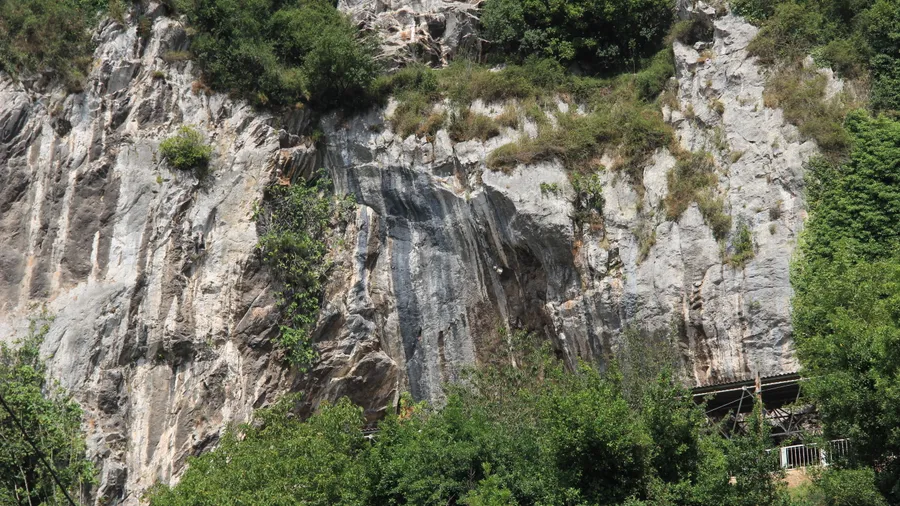
  • • Limestone gorges along the Trubia river with griffon vulture and golden eagle overhead

Description

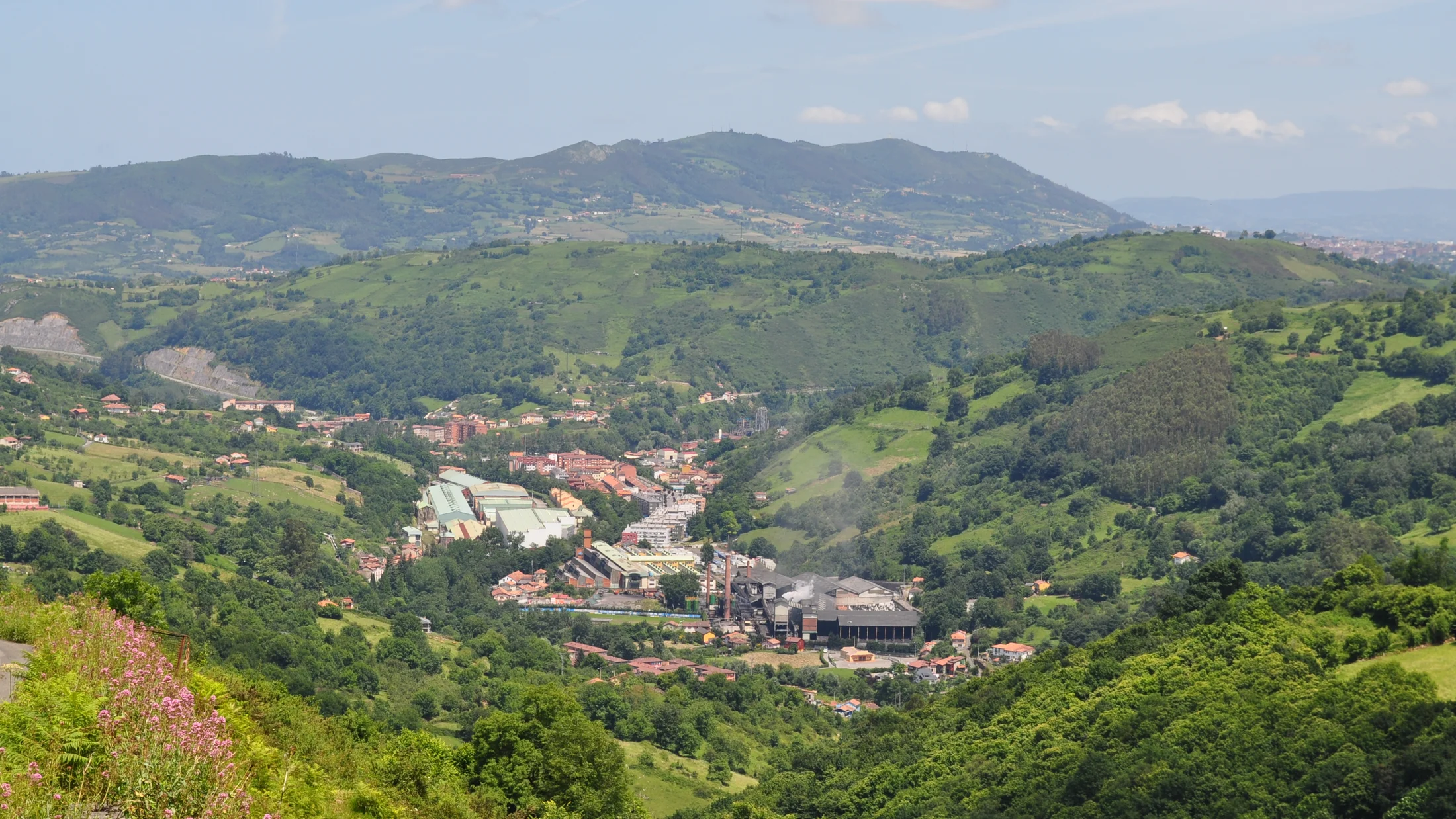
Valle del Trubia extends through central-western Asturias, following the course of a river that rises in the foothills of the Cantabrian Mountains and drops through limestone gorges, chestnut forests and cattle pastures. The municipalities of Proaza (76.79 km², 832 residents), Quirós (208.79 km², 1,738 residents), Santo Adriano and Teverga form what is known as the Comarca de los Valles del Oso — the Bear Valleys District — named after the territory's leading resident: the Cantabrian brown bear, one of three European brown bear subspecies and the largest land carnivore on the Iberian Peninsula.

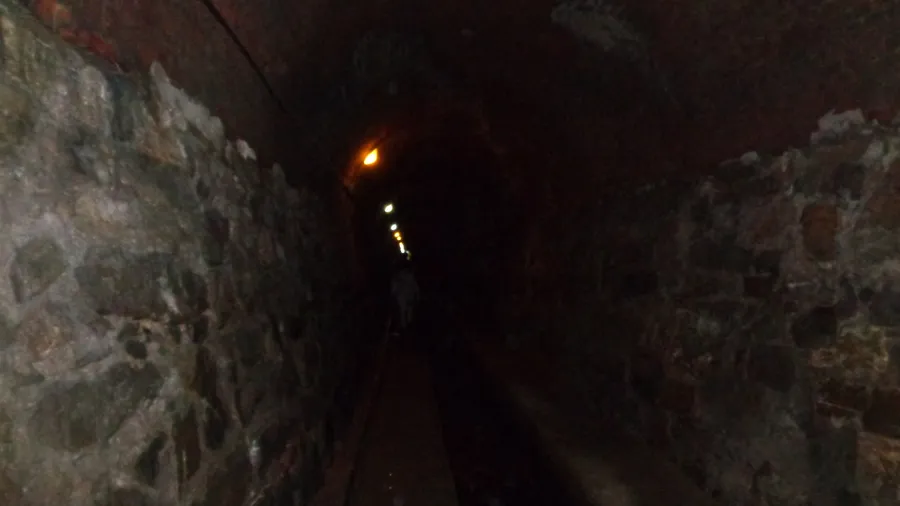
The Senda del Oso, a 29.1-kilometre greenway built on the bed of a former coal-mining railway, is the backbone of the district. The paved, gently graded path passes through tunnels cut into rock, crosses gorges where the river thunders against limestone walls and links all four municipalities on a route suitable for families, cyclists and walkers with no previous experience. Halfway along, in Proaza, a four-hectare enclosure houses Paca and Molina, two female Cantabrian brown bears rescued as cubs from poachers in 1996. They gave the trail its permanent name and have become living symbols of the species' conservation in the region.

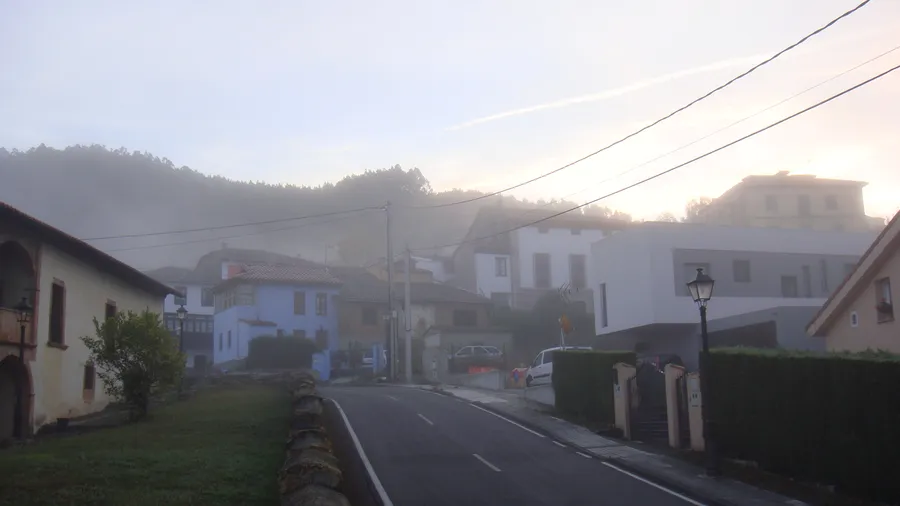
Beyond the Senda del Oso, the valley preserves notable built and ethnographic heritage. Bandujo, in the Proaza municipality, ranks among the best-preserved medieval settlements in Asturias, with its defensive tower, pre-Romanesque church and wooden hórreos lining cobbled streets where chimney smoke mingles with the scent of freshly cut grass. The Tower of Proaza and the González Tuñón Palace add further historical layers. In Teverga, the Prehistory Park displays full-scale reproductions of Franco-Cantabrian cave paintings, offering a gateway to the Palaeolithic world that adds a solid cultural dimension to the valley's natural appeal.

Wildlife beyond the brown bear includes otters in the Trubia river, roe deer in the hillside forests, wild boar, fox and several raptors, notably griffon vulture and golden eagle. Vegetation shifts with altitude: riparian woods of alder and willow on the valley floor, beech and oak on the middle slopes, and mountain pastures on the heights where Asturiana de los Valles cattle graze. Local cuisine revolves around fabada, pote asturiano, artisan cheeses such as DOP Casín and natural cider, all served in the chigres and family-run restaurants dotted through the valley's villages.

The Trubia river, the district's central artery, maintains water quality that supports regulated trout and salmon fishing. Crystal-clear pools formed between limestone boulders provide natural swimming spots in summer, when families from neighbouring municipalities come to cool off in the most accessible stretches.
Practical information

Everything you need to know for your visit to Valle del Trubia

How to get there
From Oviedo, the AS-228 reaches Proaza in about 35 minutes (30 km). From Gijón, the A-66 connects with the AS-228 in roughly one hour. A daily bus runs from Oviedo to Proaza and Teverga with intermediate stops.
Area Information
The Bear Valleys district groups four municipalities centred on Proaza. The Proaza tourist office provides Senda del Oso maps and complementary routes. The Prehistory Park is in San Salvador de Alesga, Teverga.
Geography
Fluvial valley of the Trubia river in central-western Asturias. Covers the municipalities of Proaza, Quirós, Santo Adriano and Teverga. Altitude from 200 m on the valley floor to 2,000 m on the Quirós peaks.
Flora & Fauna
Cantabrian brown bear, otter, roe deer, wild boar and fox. Griffon vulture and golden eagle on the cliffs. Beech, oak and chestnut forests on the slopes. Alder and willow along the Trubia riverbank.

Things to do

Find the best plans and things to do in Valle del Trubia

20

Accommodations

Best accommodation options in Valle del Trubia

Loading accommodation options...

Frequently Asked Questions

Get answers about Valle del Trubia

Cantabrian brown bears live wild in the surrounding mountains, but they are elusive and free-range sightings are uncommon. The most accessible option is the four-hectare enclosure in Proaza where Paca and Molina, two females rescued in 1996, can be watched from signposted viewpoints.
Yes. The Senda del Oso is a paved greenway with a gentle gradient covering 29.1 km. You do not need to walk the full distance: the most popular sections are Tuñón–Proaza (12 km) and Proaza–Caranga (6 km). It can be done on foot or by bicycle, with hire points along the route. Pushchairs roll easily on the tarmac surface.
The Prehistory Park displays full-scale reproductions of Palaeolithic cave paintings inside artificial caves. It is especially engaging for families with children and for anyone unable to access the original caves along the Cantabrian coast. A visit takes about two hours and pairs well with the Senda del Oso.
Beyond the greenway, mountain trails in Quirós and Teverga reach altitudes of up to 2,000 metres with elevation gains of 800–1,200 metres. These are medium-to-hard routes suited to experienced hikers. The Cantabrian ridgelines offer panoramic views of the entire valley on clear days.
Fabada asturiana, made with local fabes beans, chorizo, morcilla and lacón, is the signature dish. Pote asturiano stew, DOP Casín cheese — one of Spain's oldest — and naturally poured cider are essential. The chigres in Proaza and cider houses around the district serve affordable set menus.