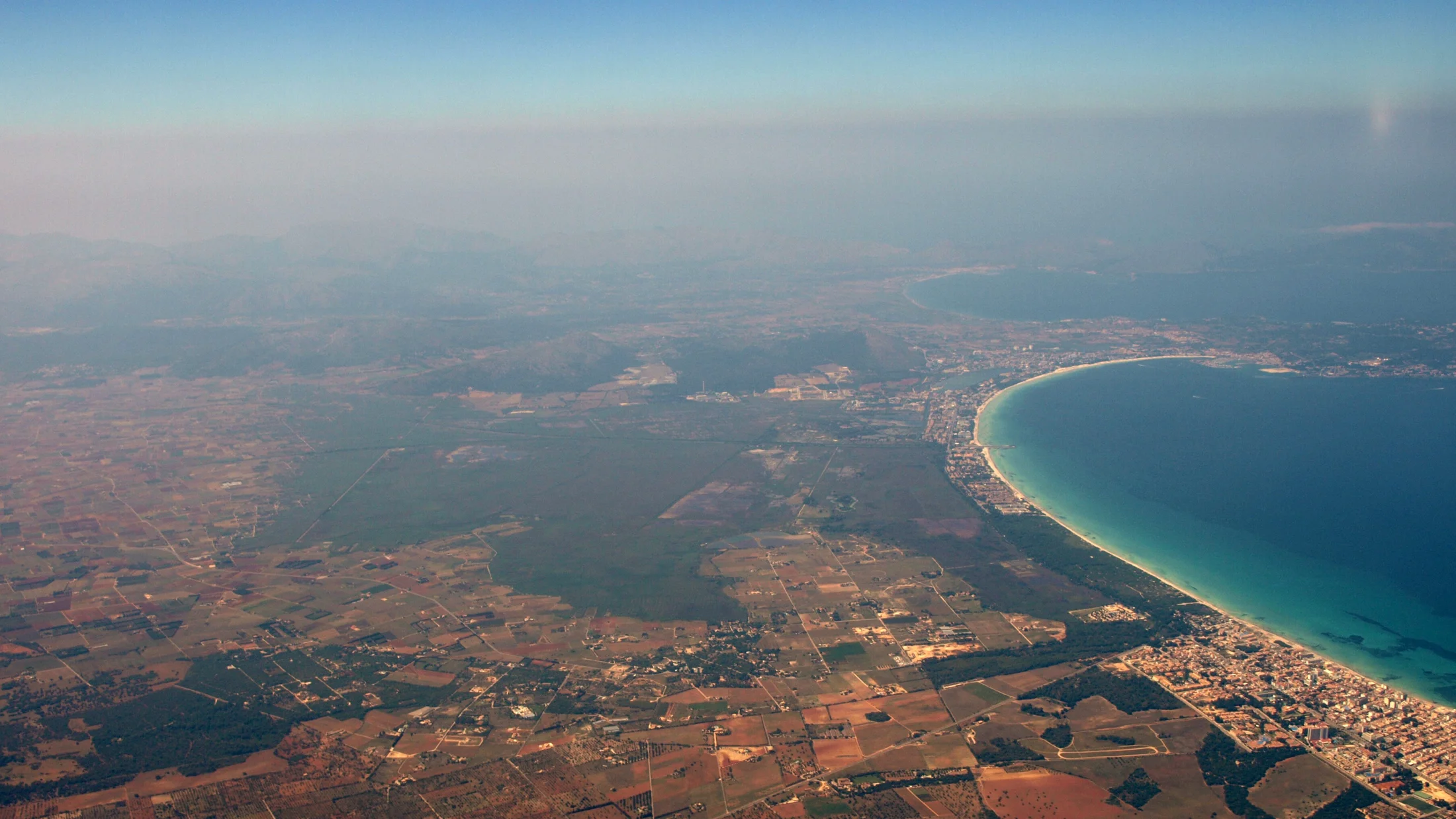
Parque Natural de S'Albufera de Mallorca
The essentials of Parque Natural de S'Albufera de Mallorca
- • Over 300 recorded bird species, including 64 breeding in the wetland
- • 7 km Gran Canal excavated in the 19th century, the park's hydrological backbone
- • Wooden bird hides for undisturbed ornithological photography
- • Dense purple swamphen (Porphyrio porphyrio) population, among Europe's largest
- • 6 km Muro beach of fine sand forming a natural barrier between sea and wetland
Description
Practical information for Parque Natural de S'Albufera de Mallorca
Everything you need to know for your visit to Parque Natural de S'Albufera de Mallorca
How to get there
How to get there
From Palma de Mallorca (60 km), the Ma-13 to Sa Pobla then the Ma-3430 to the park entrance (access via the Pont dels Anglesos on the Alcúdia–Ca'n Picafort road). From Alcúdia (10 km), coastal road Ma-12. Free parking at the entrance. Regular TIB buses (line 351/352) from Palma and Alcúdia to the S'Albufera stop.
Area Information
Reception centre at the park entrance with a permanent exhibition on the wetland. Four waymarked itineraries (12 km total) with wooden bird hides. Binoculars available on loan at the reception centre. No bar or restaurant inside the park; the nearest are at Muro beach (1 km) and Ca'n Picafort (3 km). Plentiful accommodation in the Muro–Alcúdia tourist area.
Geography
1,708 ha of flat coastal wetland, 0 to 3 m above sea level. Freshwater and brackish lagoons, 19th-century artificial canals, reedbeds and seasonally flooded meadows. 6 km dune barrier (Muro beach) to the north. Quaternary sediments over calcarenite bedrock.
Flora & Fauna
Purple swamphen, grey heron, flamingo (on migration), spoonbill, osprey (20 pairs on Mallorca). 10,000–15,000 wintering waterbirds. Phragmites australis reedbeds, rushes and bulrushes. Sea daffodil and marram grass on the dunes. European eel and grey mullet in the canals. European pond turtle in the lagoons.
Accommodations in Parque Natural de S'Albufera de Mallorca
Best accommodation options in Parque Natural de S'Albufera de Mallorca
Frequently asked questions about Parque Natural de S'Albufera de Mallorca
Get answers about Parque Natural de S'Albufera de Mallorca
Do you need binoculars to visit S'Albufera?
They are highly recommended. Although birds can be seen with the naked eye from the hides (herons, coots, mallards), binoculars allow identification of more distant species and closer observation of behaviour. The reception centre lends binoculars free of charge, though availability is limited. If you have your own, 8x42 or 10x42 are the most versatile. A spotting scope is ideal for long-distance photography but not essential for a first visit.
How long does it take to walk around the park?
A full visit to all four itineraries takes 4–5 hours, but most visitors do the Colombar itinerary (3.5 km, 1.5 hours), which covers the main hides. If your interest is ornithological, spending a full half-day and waiting at each hide for specific species is worthwhile. Paths are flat and compacted earth, so the walking is not demanding. Bringing water is important as there are no fountains inside the park.
Can you visit S'Albufera with children?
Yes, though some preparation helps. Paths are flat and suit pushchairs (except after heavy rain, when they may become muddy). The wooden hides have low-level slots accessible to children. Combining with Muro beach (1 km from the entrance) allows alternating nature and beach in the same day. For children aged six and over, identifying birds using the information panels can be an educational activity. Children's binoculars greatly increase their interest.
When is the best time to see flamingos at S'Albufera?
Flamingos (Phoenicopterus roseus) visit S'Albufera during migration, especially between August and November, and more sporadically in spring (March–April). They are not permanent residents; their presence depends on water levels and food availability. Groups can range from 5–10 individuals to over 100 in good years. The best hides for spotting them are Sa Roca and Colombar. There is no guarantee of a sighting, but in autumn the chances are high.
Can you combine a park visit with Muro beach?
Yes, and it is a common combination. Muro beach begins about 200 metres from the dunes marking the park's northern edge. An early morning in the park (9:00–12:00, the best hours for birds) followed by an afternoon at Muro beach is a typical family plan. The beach stretches 6 km of fine sand with shallow waters, beach bars and sunlounger areas. The park car park and beach accesses are separate but close by car (2–3 minutes) or on foot (15–20 minutes along a path through the dunes).