The essentials of Parque Natural de la Sierra de Salinas

  • • Pico de la Capilla at 1,238 m with panoramic views of Aitana, the Vinalopó and the coast
  • • Dense Aleppo pine forest providing cool shade even when summer exceeds 35 °C
  • • Natura 2000 ZEC with golden eagle, short-toed snake eagle and eagle owl on the cliffs
  • • Reintroduced Iberian ibex increasingly visible on the limestone escarpments
  • • Nearby Yecla and Villena DO wine regions featuring Monastrell as the flagship grape

Description

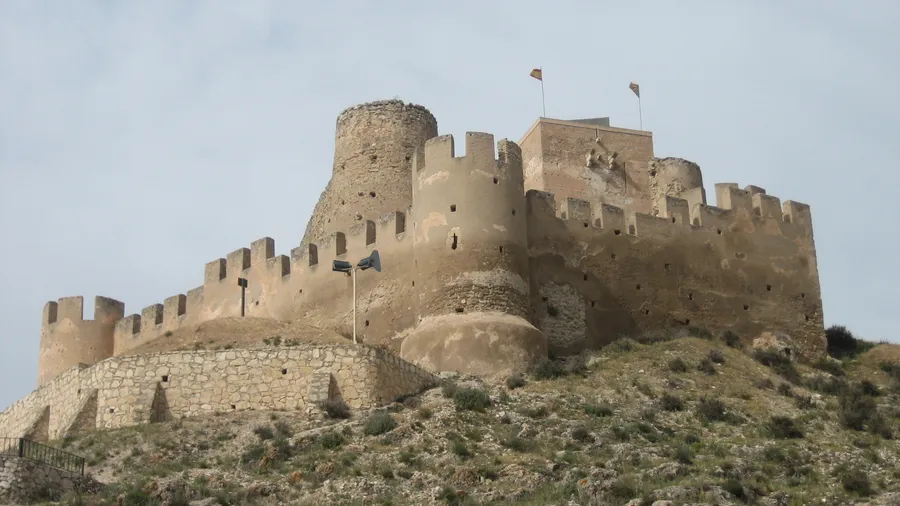
Sierra de Salinas rises as a natural border between the northern edge of Murcia (Yecla) and the Alto and Medio Vinalopó districts of the Valencian Community, spanning the municipalities of Villena, Salinas, Monóvar, Pinoso and Yecla. Covering some 7,735 hectares with altitudes ranging from 600 to 1,238 metres at Pico de la Capilla — a second-order geodetic benchmark where the boundaries of Villena, Pinoso and Yecla converge — the range combines Mediterranean mountain landscapes with unusually dense pine-forest ecosystems given the aridity of the surroundings.

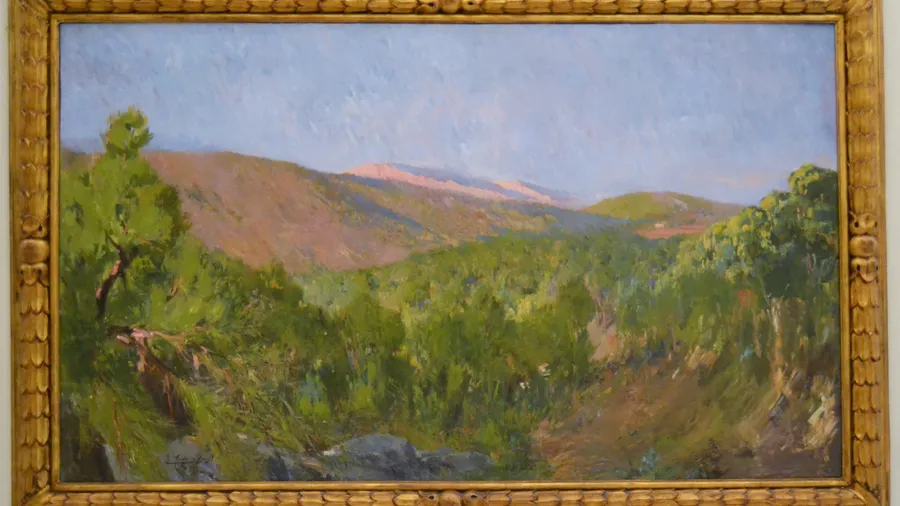
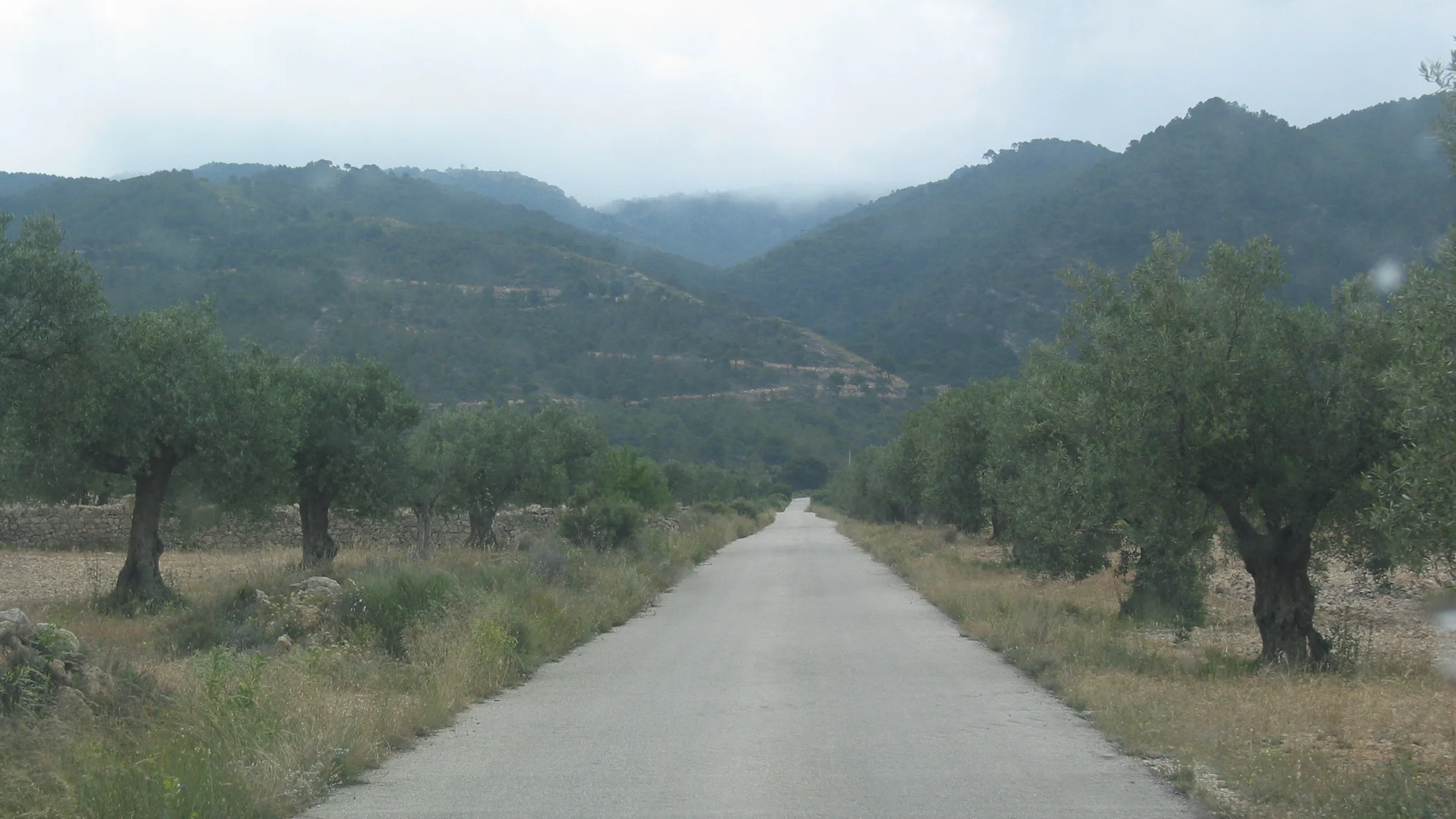
The area belongs to the Natura 2000 network as a Special Conservation Zone (ZEC), a designation protecting habitats of community interest. Aleppo pine forest dominates the north-facing slopes and ravines, forming continuous woodland that provides dense, cool shade even in summer when temperatures outside the canopy exceed 35 °C. On drier, sunnier ground, Mediterranean scrub of rosemary, thyme, lavender, kermes oak and juniper covers the terrain with a fragrance that accompanies every step. The dampest north-facing pockets retain stands of holm oak and Portuguese oak that represent the original potential vegetation before the pinar expanded.

Wildlife includes raptors of conservation interest such as golden eagle, short-toed snake eagle and eagle owl nesting on the rocky ledges and cliffs. Iberian ibex, reintroduced across several ranges in south-eastern Spain, is increasingly visible on the limestone escarpments. Forest-dwelling mammals — genet, badger and red squirrel — benefit from the tree cover. Temporary pools that form in depressions after autumn rains serve as breeding habitat for amphibians including natterjack toad and common frog, and attract wildlife photographers.

Hiking routes start mainly from Villena and Yecla. The ascent of Pico de la Capilla (1,238 m) is the most popular route, covering about 12 km return with 600 metres of elevation gain in four to five hours. From the summit the panorama takes in Sierra de Aitana, the Vinalopó valley, the Manchegan plateau and, on the clearest days, a sliver of the Mediterranean to the east. The combination of mountains, pine forest and aromatic scrubland, together with the proximity of the Yecla and Villena wine regions — both with denomination of origin status — allows days that pair physical activity with wine and food culture. Local inns in Villena and Yecla serve gazpachos manchegos, gachasmigas, cured meats and Monastrell red wines, the flagship grape of this corner of south-eastern Spain.
Practical information

Everything you need to know for your visit to Parque Natural de la Sierra de Salinas

How to get there
From Alicante, the A-31 reaches Villena in about 50 minutes (65 km). From Murcia, the A-30 and RM-424 connect with Yecla in 45 minutes. Cercanías rail to Villena and regular buses to both towns. Range access from local roads in Villena and Yecla.
Area Information
The range spans five municipalities across Alicante and Murcia. Villena and Yecla are the main access points with full services. No dedicated visitor centre; tourist information in both towns.
Geography
Limestone range between Alicante and Murcia, covering 7,735 hectares. Altitude: 600–1,238 m (Pico de la Capilla). Municipalities: Villena, Salinas, Monóvar, Pinoso and Yecla. Part of the Prebetic system.
Flora & Fauna
Golden eagle, short-toed snake eagle and eagle owl on the cliffs. Reintroduced Iberian ibex. Dominant Aleppo pine, with holm oak, Portuguese oak and aromatic scrub (rosemary, thyme, lavender). Amphibians in temporary pools.

Things to do

Find the best plans and things to do in Parque Natural de la Sierra de Salinas

20

Accommodations

Best accommodation options in Parque Natural de la Sierra de Salinas

Loading accommodation options...

Frequently Asked Questions

Get answers about Parque Natural de la Sierra de Salinas

The route to Pico de la Capilla (1,238 m) covers about 12 km return with 600 m of elevation gain. It is rated medium difficulty and takes four to five hours. The trail is well defined with no technical sections, though sufficient water and sun protection are essential as ridge exposure is high.
Yes. Both Yecla and Villena hold denomination of origin status and have wineries open for visits by appointment. Monastrell is the signature grape, producing powerful, aromatic reds. Several wineries offer tastings and vineyard tours, making it possible to hike in the morning and explore wine culture in the afternoon.
Iberian ibex has been reintroduced on several south-eastern Spanish ranges including Sierra de Salinas. It is increasingly visible on limestone escarpments, especially at dawn and dusk. Binoculars help spot them on the rock faces where they move with notable agility.
Spring (March–May) brings aromatic scrub in bloom and breeding-season raptor activity. Autumn brings temporary pools with amphibians and low-angle light ideal for landscapes. Dawn and dusk offer the best wildlife opportunities, with golden-hour light enhanced by the area's dry atmosphere.
Villena and Yecla offer hotels, guesthouses and rural accommodation at good value. Local inns serve gazpachos manchegos (a game-meat flatbread stew), gachasmigas, artisan cured meats and Monastrell wines. Rice with rabbit and snails is another common dish in the area.