Parque Natural de la Sierra de Bèrnia y Ferrer
The essentials of Parque Natural de la Sierra de Bèrnia y Ferrer
- • Forat de Bernia: 15 m natural karst tunnel through the sierra with a vertical panorama to the sea
- • Fort de Bernia (1562), Philip II's Renaissance fortress classified as Cultural Heritage Property
- • 11 km circular route with 500 m ascent and ridge-top views stretching to Ibiza at 1,128 m
- • Bonelli's eagle, peregrine falcon and eagle-owl nesting on the crest's vertical cliffs
- • Photographic sunrises with sea fog climbing the southern face against first-light cliff illumination
Description
Practical information for Parque Natural de la Sierra de Bèrnia y Ferrer
Everything you need to know for your visit to Parque Natural de la Sierra de Bèrnia y Ferrer
How to get there
How to get there
From Benissa, take the CV-749 towards Cases de Bernia (the usual trailhead) — about 10 km of mountain road. From Alicante, via the AP-7 to the Benissa exit, roughly 75 km (50 min). From Valencia, AP-7 towards Alicante, Benissa exit; about 115 km. No public transport reaches Cases de Bernia.
Area Information
Cases de Bernia is the trailhead with no services; carry water and food. Benissa (10 km) has accommodation, restaurants and a tourist office. Altea and Calp (15–20 km) expand the options with hotels, beaches and seafood dining.
Geography
Coastal sierra of 1,900 hectares between the Marina Alta and Marina Baixa districts (Alicante). Main crest over 3 km at elevations near 1,000 m, with Bernia Peak at 1,128 m. Vertical cliffs on the southern face towards the Mediterranean.
Flora & Fauna
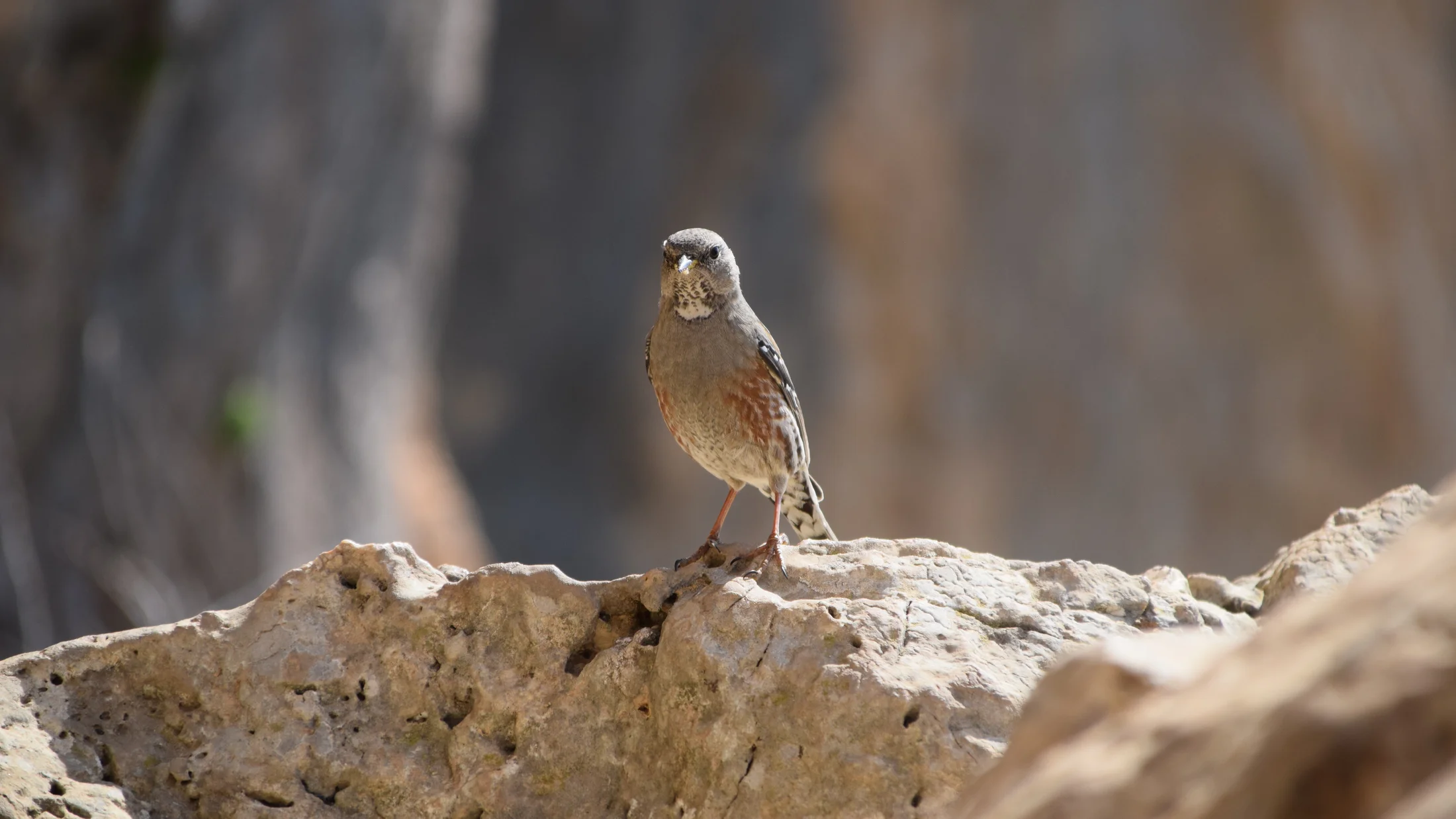
Aleppo pine, holm oak, strawberry tree and rosemary at lower elevations; kermes oak and mastic scrub in exposed areas. Raptors on the cliffs: Bonelli's eagle, peregrine falcon and eagle-owl. Iberian ibex on the crags. Reptiles: ocellated lizard and Montpellier snake.
Accommodations in Parque Natural de la Sierra de Bèrnia y Ferrer
Best accommodation options in Parque Natural de la Sierra de Bèrnia y Ferrer
Frequently asked questions about Parque Natural de la Sierra de Bèrnia y Ferrer
Get answers about Parque Natural de la Sierra de Bèrnia y Ferrer
What is the Forat de Bernia?
The Forat is a natural karst tunnel about 15 metres long that cuts through the Sierra de Bernia from north to south. It was formed by the dissolution of limestone and is the most distinctive feature on the circular route. Crossing it requires ducking and a brief rock scramble. Emerging on the southern face opens a vertiginous panorama straight down to the Mediterranean. It is not recommended for those with vertigo.
How long does the Sierra de Bernia circular route take?
The full circular route covers about 11 km with roughly 500 m of accumulated ascent and takes around 5 hours at moderate pace. It starts from Cases de Bernia and passes through the Forat, the Fort de Bernia and the ridge with sea views. A shorter 5 km version reaches the Forat and returns in 2–3 hours, suitable for families with children aged 8–10 and above.
What is the Fort de Bernia?
It is a star-shaped Renaissance fortress built in 1562 by engineer Giovanni Battista Antonelli on the orders of Philip II. Its purpose was to watch the coast against Barbary pirate raids and deter uprisings among the Morisco population. It was dismantled in 1613 after the Moriscos were expelled. The remaining walls and bastions have been classified as a Cultural Heritage Property since 1997.
Can you see Ibiza from the Bernia summit?
Yes, on clear-visibility days the silhouette of Ibiza is visible on the sea horizon from the Bernia ridge at 1,128 m elevation. The best conditions typically occur in autumn and winter, when the air is cleanest. You can also see the full coastline of Altea, Benidorm and Calp, as well as the Marina Alta mountains inland.
Is the route suitable for children?
The shorter 5 km out-and-back to the Forat is suitable for children aged 8–10 with some hiking experience. The full 11 km circular route including the ridge and the Forat requires more fitness and is not recommended for those under 10–12 years. The Forat passage involves a brief rock scramble and is not appropriate for anyone who suffers from vertigo.