Cantabria is much more than its famous beaches and green meadows: it is a treasure chest of rural gems where time seems to have stood still. In this guide, we invite you to discover eight villages that capture the essence of the region, from the medieval grandeur of Santillana del Mar to the mountain serenity of Mogrovejo. Each stop offers architectural jewels, breathtaking landscapes and a rich culture that will connect you with the soul of Cantabria.
Here you will find a practical guide to explore the charming villages of Cantabria at your own pace. Each destination includes what to see and do, useful tips and suggestions to make the most of your getaway. Whether you are looking for a quick weekend break or a deep immersion in local culture, these eight villages are the perfect starting point to discover the most authentic side of Cantabria.
1. Santillana del Mar
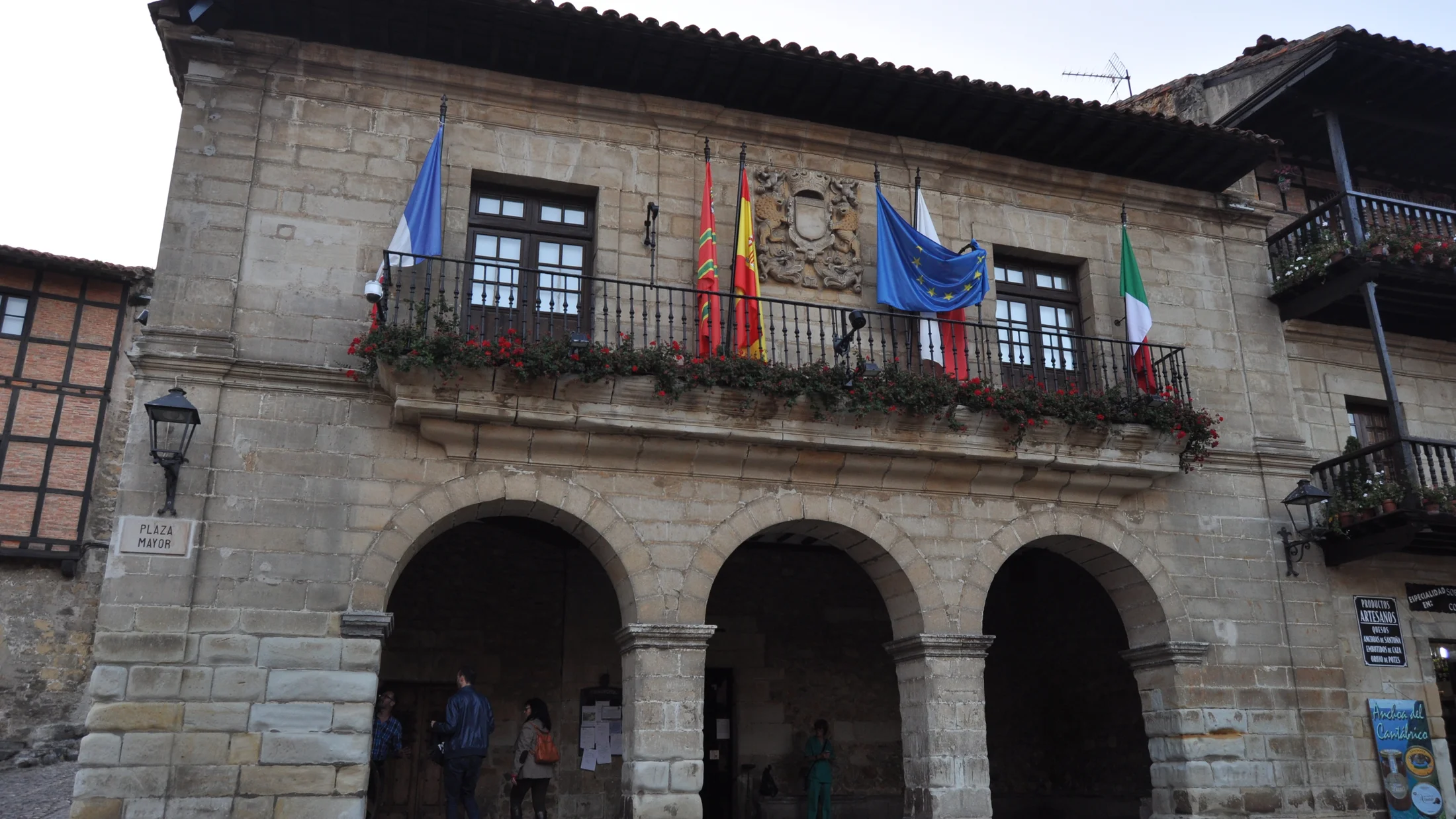
Known as the "village of three lies" (it is neither holy — santa —, nor flat — llana —, nor by the sea — mar), Santillana del Mar is one of the most iconic charming villages in Cantabria. Declared a Historic-Artistic Site in 1889, this medieval town transports visitors to another era with its cobblestone streets, noble stone mansions and flower-filled balconies. Walking through its old quarter is like exploring an open-air museum, with exceptionally preserved architecture from the 14th to 18th centuries.
What to see and do
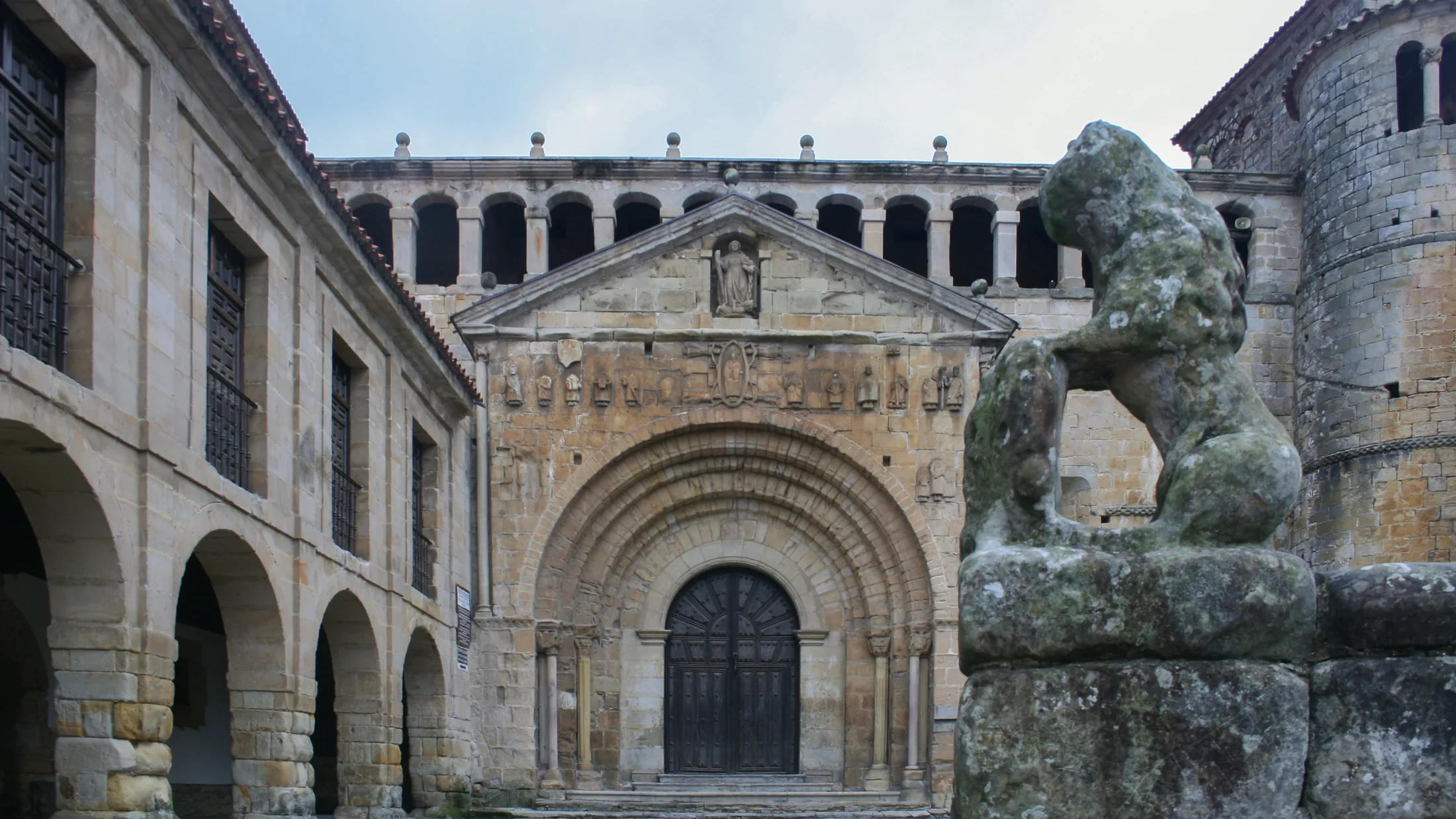
- Collegiate Church of Santa Juliana: The most important Romanesque monument in Cantabria, a 12th-century gem with an impressive cloister.
- Altamira Museum and Neocave: An exact replica of the original cave that allows visitors to admire the famous "ceiling of the bison", a masterpiece of Palaeolithic art.
- Wander the streets: Get lost in the lanes of Juan Infante or Santo Domingo, discovering artisan workshops and local product shops.
- Guided tour of Santillana and Altamira: An ideal combination of prehistory and medieval charm for a complete immersion.
Tip: Visit between May and June or in September-October to avoid crowds. Arrive by car and park on the outskirts, as the historic centre is pedestrianised.
Picuco te puede ayudar
Does something here catch your eye?
Tell us.
Write to us on WhatsApp or email: we answer questions, find the best options and help you sort out the booking.
2. Comillas
Known as the "village of the archbishops", Comillas is an aristocratic jewel on the Cantabrian coast that stands out for its surprising Modernist architecture. The town's history is linked to the Marquis of Comillas, who attracted royalty and the finest Catalan architects of the era. The result is an open-air museum where works by Gaudi, Lluis Domenech i Montaner and Joan Martorell coexist with traditional mountain houses and a spectacular coastal landscape.
What to see and do
- El Capricho de Gaudi: One of the few works by the Catalan genius outside Catalonia. A palace of Oriental and Mudejar inspiration with its famous ceramic sunflowers.
- Sobrellano Palace: An imposing Neo-Gothic construction by Joan Martorell with a richly decorated interior and a majestic chapel-pantheon.
- Pontifical University: A monumental building by Lluis Domenech i Montaner overlooking the town from a hill, another great treasure of the region's cultural heritage.
- Seafront promenade and beach: A relaxing walk by the sea with harbour views and a lovely family-friendly beach.
Tip: Book your ticket to El Capricho in advance, especially in summer. A guided tour reveals details that are easily missed on your own.
3. San Vicente de la Barquera
San Vicente de la Barquera is the quintessential seafaring picture of Cantabria. This picturesque fishing village combines a vibrant maritime heritage with a spectacular natural setting, where the estuary, beaches and the backdrop of the Picos de Europa create one of the most iconic panoramas in the region. Declared a Historic-Artistic Site, its Puebla Vieja is a journey through history with cobblestone streets, heraldic mansions and medieval walls.
What to see and do
- Puebla Vieja and the King's Castle: Climb to the 13th-century fortress for unbeatable views and visit the Gothic Church of Santa Maria de los Angeles.
- Puente de la Maza: An iconic 28-arch bridge, a jewel of medieval engineering. A perfect spot for photography at sunset.
- Beaches and Oyambre Natural Park: Spectacular Meron and Gerra beaches, dunes, marshlands and cliffs — a paradise for nature lovers and surfers.
- Fishing port: The coming and going of boats and the local seafood gastronomy complete the experience.
Tip: Visit the port early in the morning to see the boats come in and buy fresh fish. Combine with a route through Oyambre Natural Park.
4. Potes
Nestled in the heart of the Liebana valley, where the Deva and Quiviesa rivers meet, Potes is the gateway to the Picos de Europa. This mountain village, with its labyrinth of cobblestone alleys and stone bridges, is a designated Cultural Heritage Site and the ideal starting point for countless adventures in the Picos de Europa National Park.
What to see and do
- Torre del Infantado: A sturdy 14th-century fortress, now an exhibition venue, with spectacular views from its rooftop.
- San Cayetano and La Carcel bridges: Medieval bridges over the rivers offering the most iconic postcards of the village with mountains in the background.
- Try Liebana orujo: Visit a local distillery to learn the production process and taste this traditional spirit.
- Weekly market (Mondays): Local products such as cheese, cured meats and honey at a traditional market with centuries of history.
Tip: The drive through the Desfiladero de la Hermida gorge is a spectacular scenic route but with many bends. Drive carefully and enjoy the viewpoint stops along the way.
Activities in Cantabria
Cantabria offers much more beyond its charming villages. From hiking routes through the Picos de Europa to gastronomic experiences and water sports on the coast, there are plans for all tastes. Discover all the activities available in the region at activities near Santander.
5. Lierganes
On the banks of the River Miera, Lierganes is one of the charming villages of Cantabria where history, legend and architecture merge in an idyllic landscape. Declared a Historic-Artistic Site, it stands out for its impeccable conservation and rich heritage, linked to industry and one of the region's most famous legends: the Fish-Man. Its Puente Mayor, of Roman origin rebuilt in the 16th century, is the visual centrepiece of the village.
What to see and do
- The Fish-Man legend: Find the statue of Francisco de la Vega by the river. Knowing the story beforehand will immerse you in the magical aura of the place.
- Architectural ensemble: The Elsedo Palace, the Ranada Palace and the Casas de los Canones tell the story of the industrial boom thanks to the Royal Artillery Factory.
- El Mercadillo neighbourhood: Cross the bridge to discover this quarter, home to the church of San Pedro Ad Vincula and a different perspective of the village.
Tip: Lierganes is only 25 km from Santander and is accessible by commuter train, making it a perfect half-day excursion from the capital.
6. Cartes
Often overshadowed by its more famous neighbours, Cartes is a treasure of traditional mountain architecture that offers an authentic and serene experience. Crossed by the Camino Real, its main street flanked by stone houses with wooden balconies and noble coats of arms creates a time tunnel. The iconic Torreon de Cartes, a 15th-century medieval fortress with Gothic arches, is the gateway to an unforgettable stroll alongside the River Besaya.
What to see and do
- Walk the Camino Real: Stroll the entire main street admiring 17th and 18th-century mansions and passing under the arches of the Torreon de los Manrique.
- Church of Santa Maria de Yermo: A few kilometres away, this 12th-century Romanesque gem is a National Monument for its sober beauty and exceptional conservation.
- Local markets: The village and surroundings are known for their farming produce. Look for farmers' markets selling local cheese and vegetables.
- Hiking routes: The River Besaya area offers easy trails for family walks and gentle active tourism.
Tip: Cartes is perfect to combine with an agritourism day. Ask at rural guesthouses about artisan cheese-making workshops.
7. Laredo
Laredo is one of the most vibrant seafaring towns on the eastern Cantabrian coast, a destination that perfectly combines its popular beach resort identity with an incredibly rich cultural heritage. Its spectacular Salve beach, with more than four kilometres of fine sand, makes it a magnet for family tourism. But Laredo is much more than sun and sea: its historic quarter, the Puebla Vieja, is a labyrinth of medieval lanes declared a Historic-Artistic Site.
What to see and do
- Puebla Vieja: Six historic lanes with heraldic mansions, ancient walls and the Gothic Church of Santa Maria de la Asuncion at the top, with spectacular panoramic views.
- Fishing port and Fish Market: Head to the port to see the boats arrive and discover fresh local produce in an authentic experience.
- Battle of Flowers: If you visit on the last Friday of August, do not miss this National Tourist Interest Festival with its spectacular parade of floats decorated entirely with natural flowers.
Tip: For beach time with fewer crowds, June and September are ideal months. August is for experiencing the festivals, but the crowds are significant.
8. Mogrovejo
Hidden in the heart of Liebana, at the foot of the Picos de Europa, Mogrovejo is a tiny but impressive rural ensemble designated as a Cultural Heritage Site. Its stone and timber houses with porticos and flower-filled balconies cluster around an imposing 13th-century medieval tower. The setting is simply spectacular: the steep peaks of the Andara Massif serve as a backdrop, creating a picture of overwhelming beauty. Several routes into the Picos de Europa National Park start from here.
What to see and do
- Torre de Mogrovejo: The village emblem. This square-plan medieval defence tower dominates the landscape and is the focal point of any visit.
- Church of Nuestra Senora de la Asuncion: A 17th-century temple with a Baroque altarpiece and a Gothic image of the Virgin of great artistic value.
- Hiking: An ideal starting point for routes that venture deep into the Picos de Europa, connecting with the purest nature of the region.
- Landscape photography: The contrasts between rural architecture and mountains make Mogrovejo a paradise for photographers, especially during the golden hour.
Tip: Parking is very limited, so arrive early. Wear mountain footwear both for the village and for exploring the surroundings.
Quick comparison of the 8 villages
| Village | Type of experience | Access difficulty | Ideal for |
|---|---|---|---|
| Santillana del Mar | Medieval, cultural | Easy (30 km from Santander) | History, photography, Altamira |
| Comillas | Modernist, coastal | Easy (50 km from Santander) | Architecture, beach, gastronomy |
| San Vicente de la Barquera | Seafaring, natural | Easy (60 km from Santander) | Landscape, surfing, fresh fish |
| Potes | Mountain, adventure | Medium (110 km, winding road) | Hiking, Picos de Europa, orujo |
| Lierganes | Historic, legendary | Easy (25 km, commuter train) | Half-day excursion, culture |
| Cartes | Rural, authentic | Easy (25 km from Santander) | Agritourism, tranquillity, markets |
| Laredo | Coastal, family | Easy (45 km from Santander) | Beach, festivals, maritime heritage |
| Mogrovejo | Alpine, remote | Medium-high (20 min from Potes) | Photography, hiking, disconnection |
Cantabria awaits: choose your next destination
We have walked cobblestone streets, passed mountain mansions and explored landscapes where the Picos de Europa merge with the Cantabrian Sea. These eight charming villages of Cantabria are not just destinations: they are gateways to a region of contrasts where Gaudi's Modernism in Comillas coexists with the seafaring history of San Vicente de la Barquera, and where legends like the Fish-Man of Lierganes remain alive in popular imagination.
To build your perfect itinerary, think about what type of experience you are looking for:
- History and architecture: The Santillana del Mar - Comillas - Cartes axis takes you from the Middle Ages to Modernism.
- Nature and mountains: The Potes - Mogrovejo route puts the Picos de Europa centre stage.
- Sea breeze: Combine San Vicente de la Barquera and Laredo to experience the Cantabrian coast in all its breadth.
- Legend and tranquillity: Lierganes offers mythology, architecture and a serene natural setting to unwind.
The beauty of these villages also lies in the journey between them. Secondary roads reveal unexpected landscapes, secret viewpoints and hamlets that do not appear in guidebooks. Travel without haste and let yourself be carried by the unhurried rhythm of the "tierruca". Explore the activities available near Santander to complete your Cantabrian adventure with authentic local experiences.