Highlights

  • • Romanesque churches of El Salvador and San Bartolomé
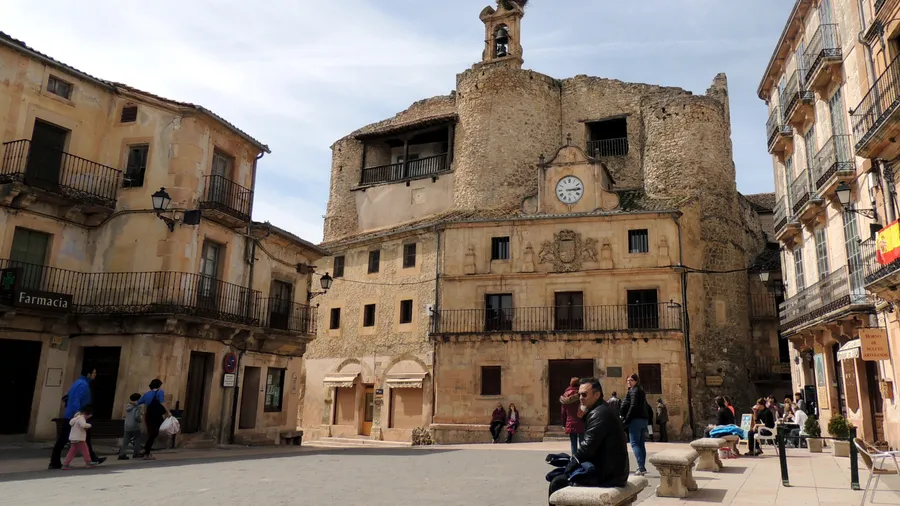
  • • Remnants of the ancient medieval Jewish quarter
  • • Gateway to the Hoces del Duratón Natural Park
  • • Scenic landscapes with griffon vultures soaring over canyons
  • • Traditional cuisine: roast lechazo
  • • Narrow streets and well-preserved medieval architecture

Description

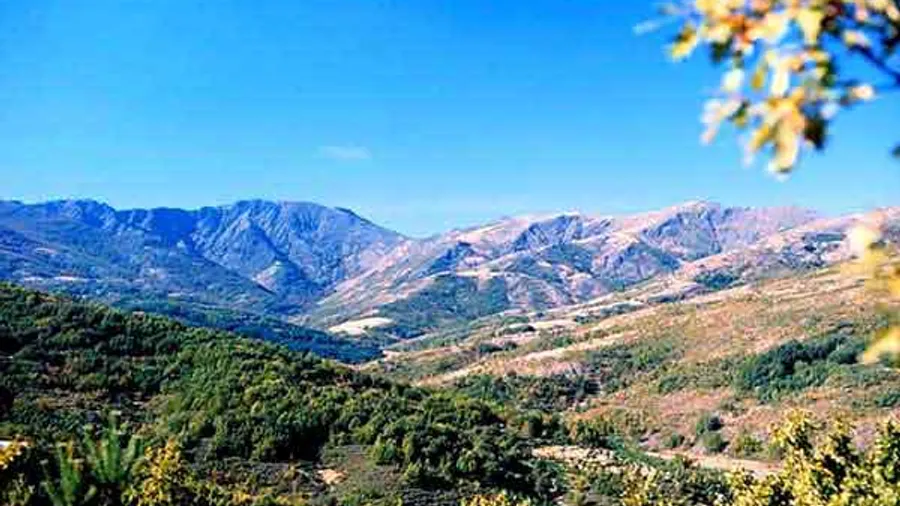
Sepúlveda is a charming village located in the province of Segovia, Castilla y León, perched above the stunning gorges of the Duratón River. This town blends a unique natural setting with a rich historical and cultural heritage. Its strategic location makes it the gateway to the Hoces del Duratón Natural Park, a protected area renowned for its rock formations and the soaring griffon vultures that glide over its canyons.

Exploring Sepúlveda, you can admire several Romanesque churches that showcase the region's medieval architecture, such as the Church of El Salvador and San Bartolomé. The old town preserves traces of the ancient Jewish quarter, with narrow streets and corners that evoke the coexistence of cultures in past centuries. Local cuisine highlights roast lechazo, a traditional dish available in many of the village's restaurants.

Historically, Sepúlveda was a significant site during the Middle Ages, especially during the Reconquista and the repopulation of the area. Its medieval Jewish quarter evidences the notable presence of Jewish communities until the 15th century. The village has maintained its urban layout and architectural elements that help understand its evolution over the centuries.

To visit Sepúlveda, it is recommended to dedicate at least half a day to explore the historic center and enjoy the natural surroundings. Access to the Hoces del Duratón Natural Park offers hiking trails and wildlife observation. The village is largely accessible for visitors with reduced mobility in the historic center. No reservation is needed to stroll through the town, although some guided activities in the park may require prior booking. Sepúlveda is family-friendly and allows pets in outdoor spaces. The best time to visit is in spring and autumn when the weather is mild and the natural landscape is at its peak beauty.

Key Information

Visit Duration

3-4 hours

Recommended Seasons

Spring, Autumn

Pricing

Free

Accessibility

Medium

Kid-Friendly Pet-Friendly Booking Required

Related Destinations

Guide

Essential information for visiting Sepúlveda

Location
Practical Information
Pricing
Free
Visit Duration
3-4 hours
Features & Services
  • Accessibility:Medium
  • Kid-Friendly:Yes
  • Pet-Friendly:Yes
  • Booking:Booking Required
Planning Information

Recommended Seasons

Spring · Autumn

Best Time to Visit

Spring and autumn offer pleasant temperatures and the natural landscape at its most vibrant, ideal for exploring the village and natural park.

Visitor Tips

To make the most of your visit to Sepúlveda, wear comfortable shoes for walking on cobblestone streets and natural trails. If you plan to explore the Hoces del Duratón Natural Park, bring water and sun protection. Reserve ahead if you want to try roast lechazo, especially on weekends. Check the weather forecast to choose the best hiking routes and bring binoculars for birdwatching.

Historical Facts

Sepúlveda was a strategic point during the Middle Ages in the Christian repopulation after the Reconquista. Its medieval Jewish quarter reflects cultural coexistence until the 15th century, when Jewish communities were expelled. The Romanesque churches date from the 12th and 13th centuries, showcasing the art and architecture of the era.

Frequently Asked Questions

Get answers about Sepúlveda

You can reach Sepúlveda by car via the SG-241 road in about 45 minutes. There are also buses from Segovia, though with limited frequency.
Much of the historic center is accessible, although some cobblestone streets may present challenges.
Yes, Sepúlveda is the gateway to the park, offering hiking trails and wildlife watching opportunities.
It’s not mandatory, but booking is recommended in popular restaurants during weekends and peak seasons.
Yes, there are several rural houses and small hotels where you can stay in the village.